America’s beloved treasures we've lost forever
Bygone wonders
America has many treasures we can enjoy today, from iconic landmarks such as the Statue of Liberty to mind-boggling wonders like the Grand Prismatic Spring. Sadly, others did not survive the wrecking ball or the wrath of Mother Nature.
Read on to discover the fallen natural arches, demolished grand hotels, and extinct animals that America has lost forever…
Beach Hotel, Galveston, Texas
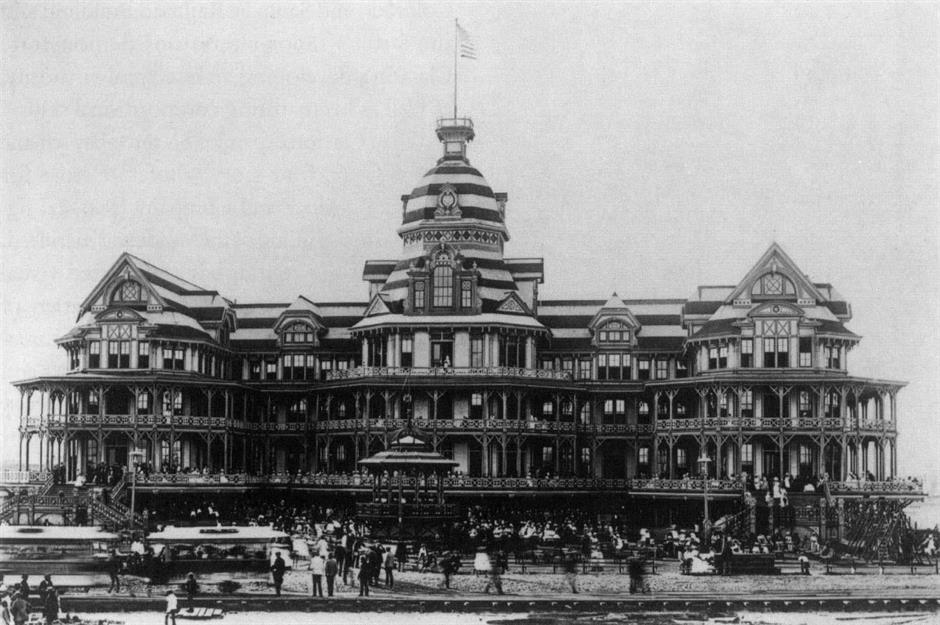
Cheerful Galveston is one of the most popular escapes on the Texas coast, and the glittering – and aptly named – Beach Hotel was an added reason to visit. Designed by local architect Nicholas Clayton, the lavish property opened in 1883 and drew a host of well-heeled vacationers.
However, the hotel eventually faced financial issues, exacerbated by quiet winter off-seasons. Before it could shutter, though, it was destroyed in 1898 in a devastating fire.
Chicago Federal Building, Chicago, Illinois
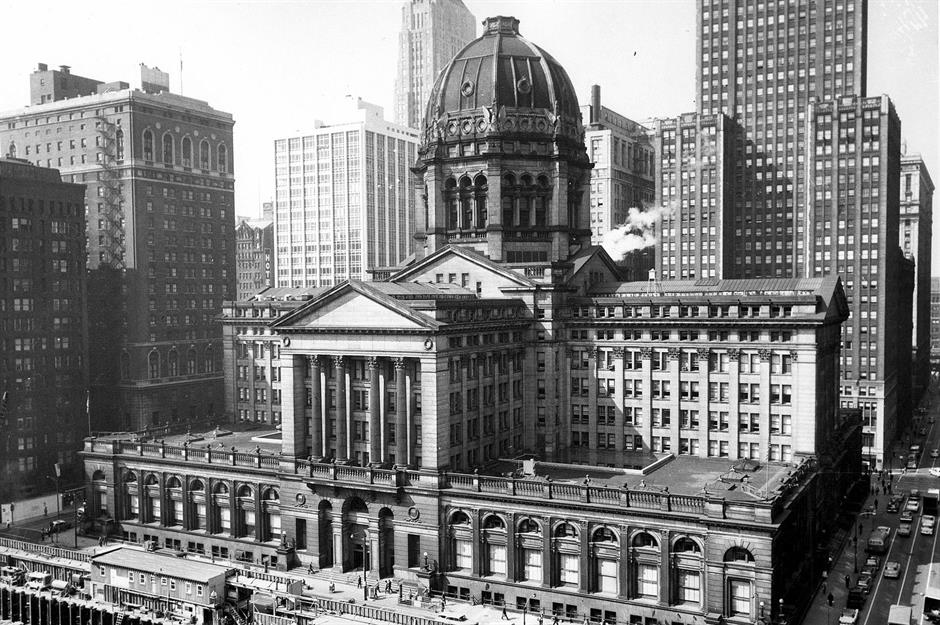
Today, the Windy City's Federal Building is a minimalist, mid-century modern-style confection, but this wasn't always the case. Located in the Loop neighborhood, Chicago's former Federal Building was a much grander affair, with a giant dome, ornate sculptures, and huge arches and columns.
However, despite its beauty, the building was deemed impractical, with an unsuitable layout and outmoded facilities. It was deserted by the 1950s, and though preservationists sought to save it, it was demolished in 1965.
Sponsored Content
Garrick Theater, Chicago, Illinois
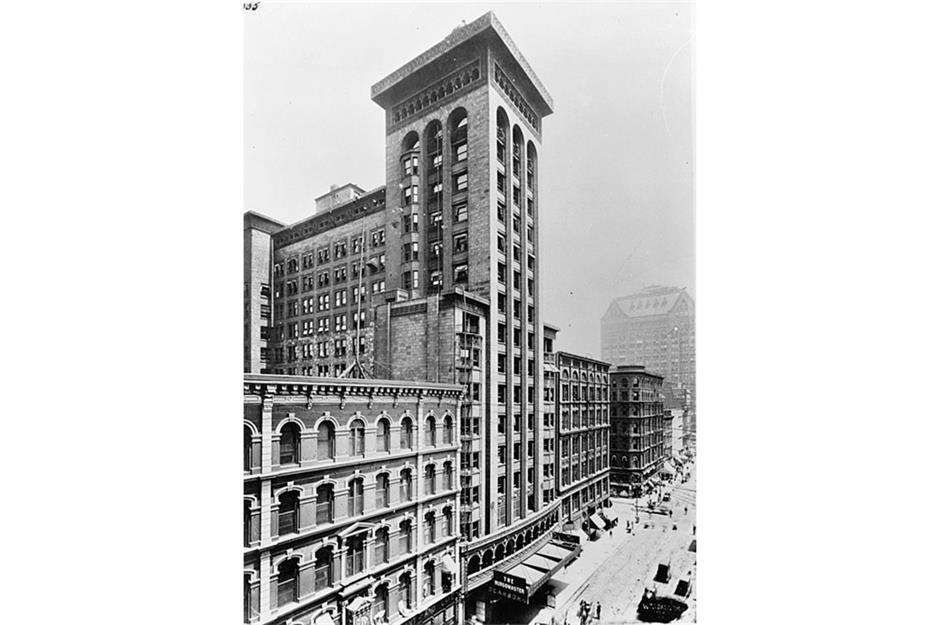
Another precious Windy City landmark, the Garrick Theater opened in 1892 to much applause – not least because it was designed by lauded American architect Louis Sullivan, who is routinely dubbed 'the father of modern US architecture.' It drew culture lovers for many glittering decades but began its decline during the Great Depression of the 1930s.
By the 1960s, the decision came to raze the structure to the ground, even amid outrage from preservationist groups. It was replaced with a parking lot.
Home Insurance Building, Chicago, Illinois
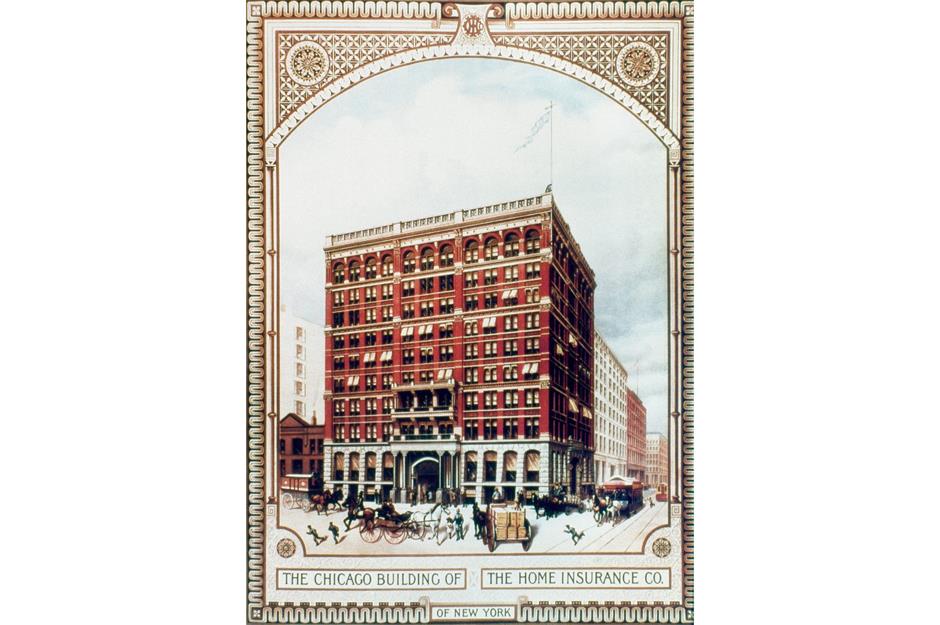
Opened in 1885, the Home Insurance Building is typically given the distinction of ‘world’s first skyscraper.’ The 10-story (later 12-story) building was designed by William Le Baron Jenney, who pioneered the technique of employing a cast iron ‘skeleton’ to take the weight of the structure.
Despite being an innovative achievement of its time, the building was taken down in 1931 to make way for the 45-floor Art Deco Field Building (now the LaSalle Bank Building).
Duckbill Rock, Oregon
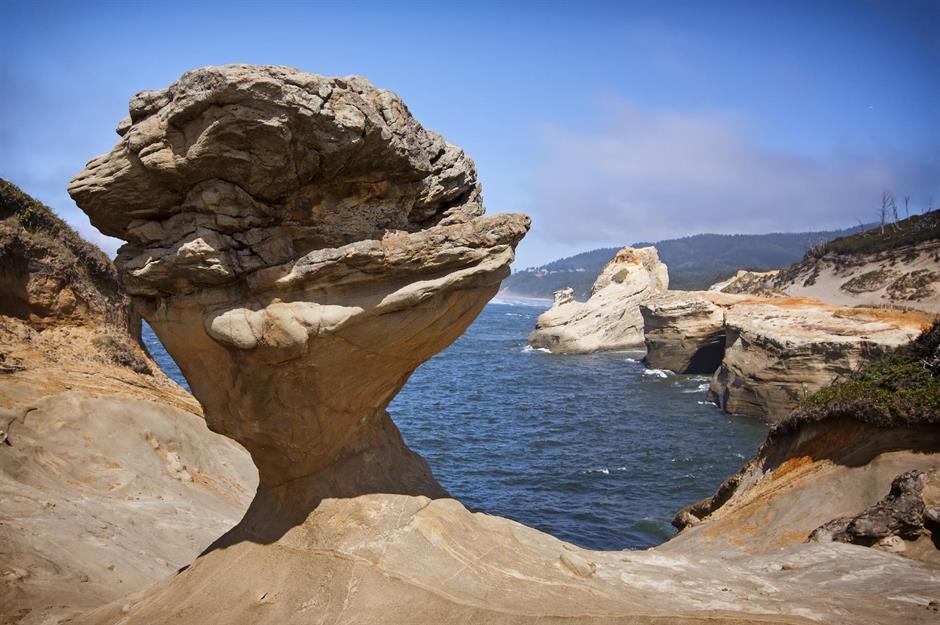
Oregon's coastline is one of the most spectacular in the States, with plunging cliffs, misty maritime forests, and curious formations, like this dramatic hunk of rock shaped like a bird's beak. It once protruded from the shores of Cape Kiwanda State Natural Area, but sadly is no more.
Unfortunately, vandals dislodged the eye-catching hoodoo back in 2016, and – though their actions were picked up on camera – the culprits were never found.
Love this? Follow our Facebook page for more historic features and travel inspiration
Sponsored Content
Jump-Off Joe, Newport, Oregon
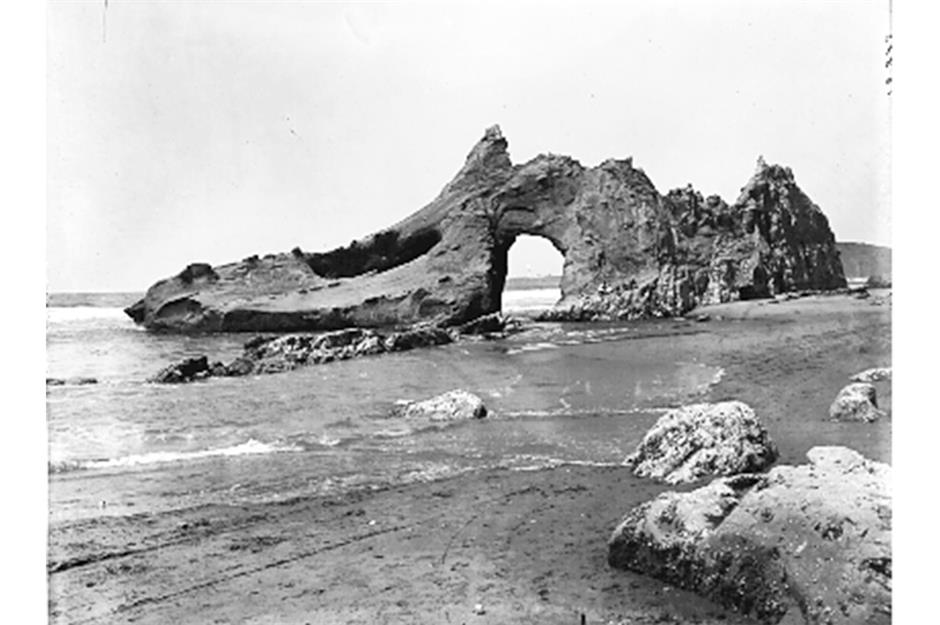
Another of Oregon's impressive coastal landmarks, Jump-Off Joe was a dramatic, arching sea stack that sat just beyond the tide at Newport’s Nye Beach. Sadly, the head-turning formation fell into the sea all the way back in 1916, leaving behind a pile of rocky rubble.
It's thought that the construction of jetties at Yaquina Bay altered the tides and sped up erosion of the landmark, ultimately sounding its death knell.
Penn Station, New York City, New York
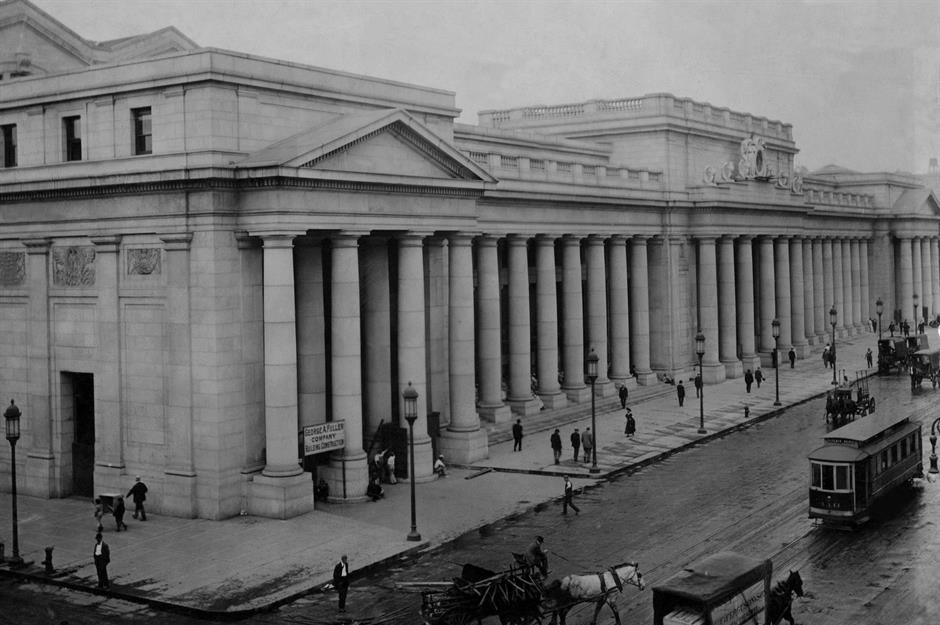
You've no doubt heard of New York City's Grand Central Terminal – but did you know that an equally impressive station building preceded it? The dazzling Beaux Arts-style Penn Station opened in 1910 and was a visual feast of porticoes, columns, and arches.
However, the intricate pile proved too costly to maintain and the decision was made to shut it and ultimately demolish it in the 1960s. The station's modern iteration is a slick, glass-clad affair that retains none of the original building's charm.
Hippodrome Theatre, New York City, New York
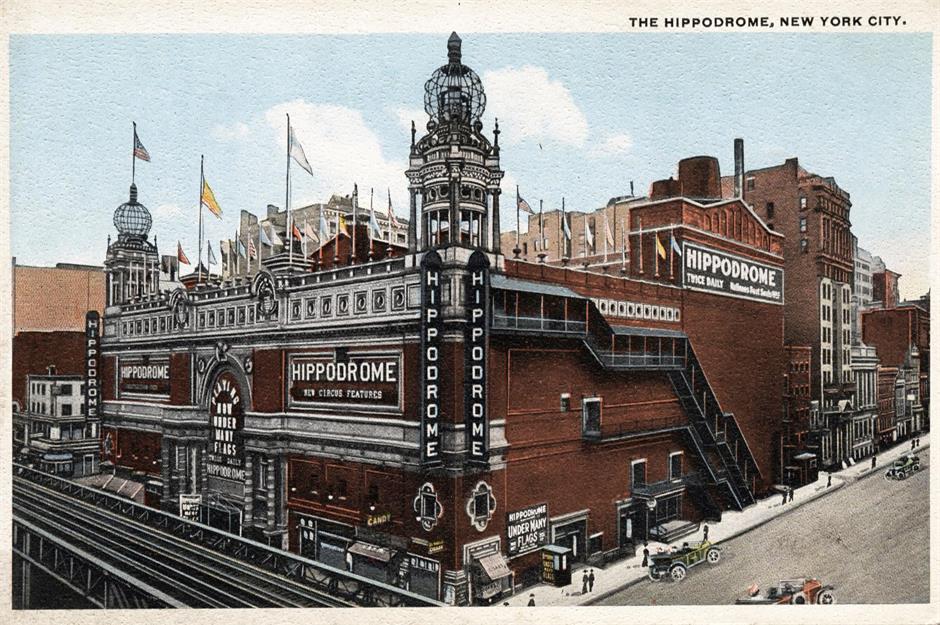
This giant theater was once one of New York City's most popular venues. It had room enough for 5,000 visitors and welcomed famous names, such as illusionist Harry Houdini.
Nevertheless, the theater was expensive to upkeep and eventually punters started to dwindle. When the Great Depression took hold, the theater closed completely and was eventually razed in 1939. A modern office block now stands in its place.
Sponsored Content
Metropolitan Opera House, New York City, New York
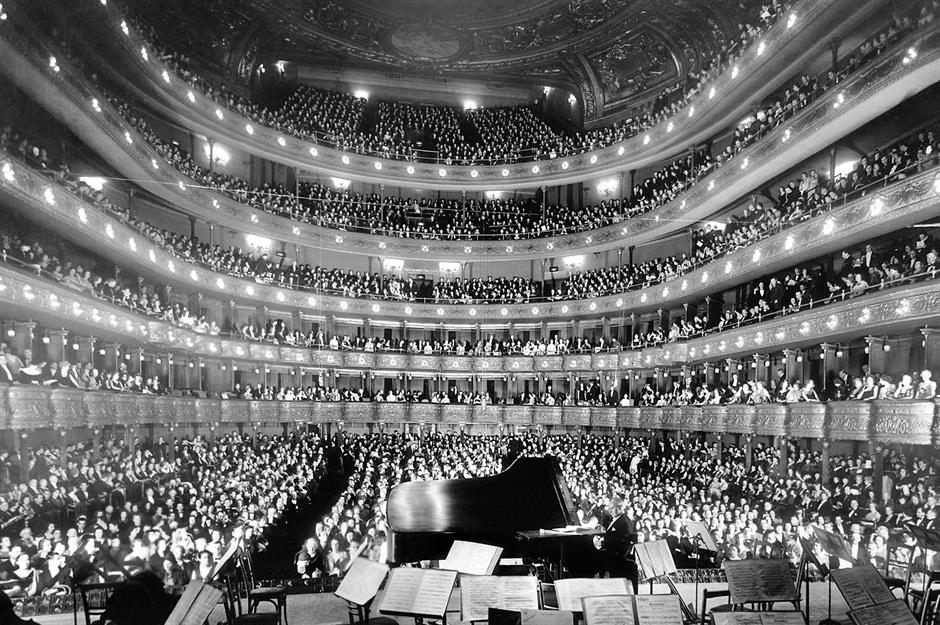
Opened on Broadway in the 1880s, the ‘Old Met’ hosted packed-out shows in its early 20th-century heyday but as its popularity declined in the 1930s, it faced demolition. Public funding saved the venue the first time but when plans for a new opera house materialized, time ran out for the original, which was destroyed in 1967.
However, a year before, the new Metropolitan Opera House opened at Lincoln Center on the Upper West Side and is still going strong today.
Ebbets Field, Brooklyn, New York
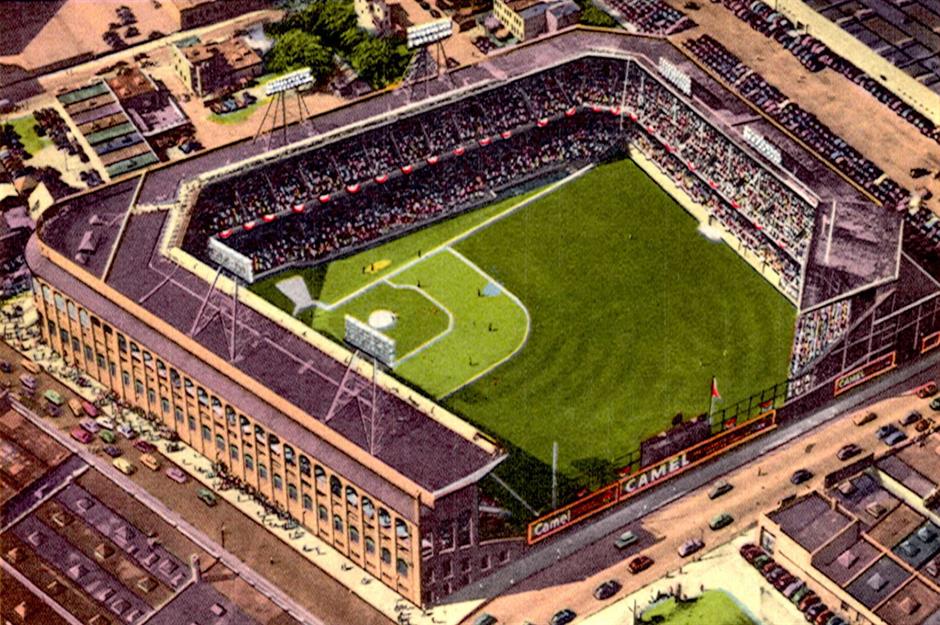
This historic ballpark in Brooklyn still warms the hearts of many baseball fans. Opened in 1913, the World Series-winning Brooklyn Dodgers played their home games here for over 40 years.
It was at Ebbets Field where, in 1947, Jackie Robinson became the first African American to play in Major League Baseball. Ten years later, Marilyn Monroe caused a stir when she kicked off a soccer match here. The Dodgers decamped to Los Angeles in 1957, while their Flatbush home was sadly flattened in 1960.
Cornelius Vanderbilt II House, New York City, New York
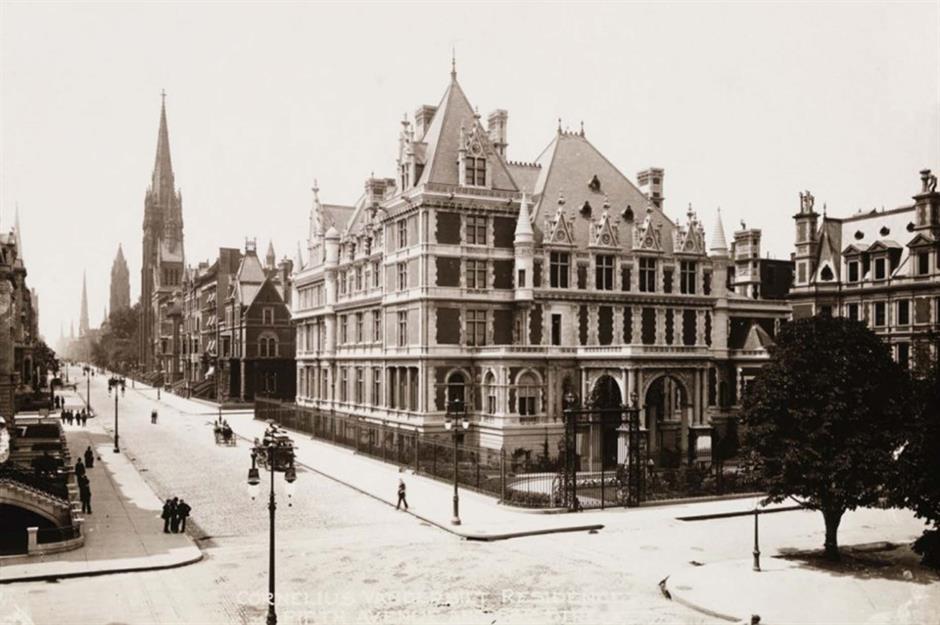
American businessman Cornelius Vanderbilt had a fittingly sumptuous property in New York City, occupying a prime spot on Fifth Avenue. It was built in the 1880s, in a lavish style inspired by French chateaux, and its interior was filled with extravagant things such as a ballroom and an art gallery.
However, when Cornelius died, his wife Alice eventually ran out of funds to maintain the property and was ultimately forced to sell in the 1920s. It was destroyed to make way for a department store.
Sponsored Content
Beacon Towers, Sands Point, New York
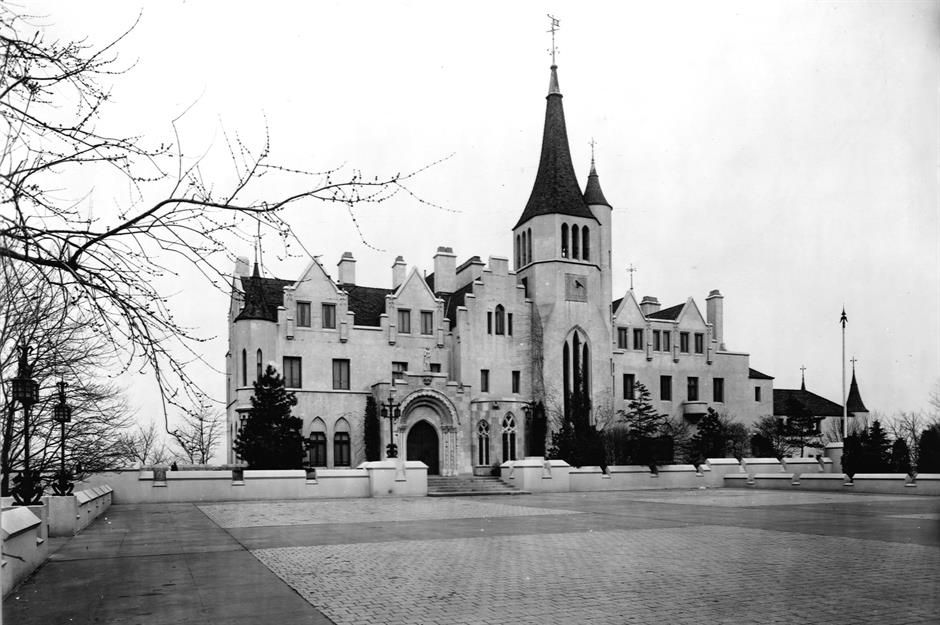
Situated on the Gold Coast of Long Island’s North Shore, Beacon Towers was one of the most fantastical of all Gilded Age mansions. Many think it was the inspiration for the home of F Scott Fitzgerald’s titular character in The Great Gatsby.
Originally built in 1918 for Alva Erskine Smith, a society hostess and pioneering women’s rights activist, it was later bought by media magnate William Randolph Hearst in 1927. Hearst had the building dramatically remodeled but was forced to give it to the bank for tax purposes in 1942 and it was demolished three years later.
Old Man of the Mountain, New Hampshire
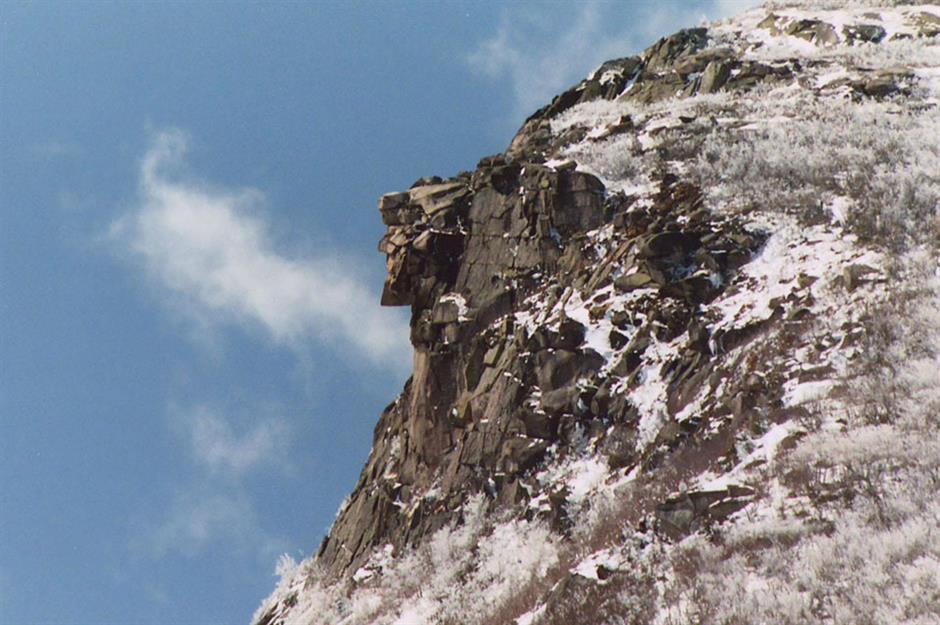
This craggy rock formation had long caught the attention of hikers in New Hampshire's White Mountains. From the right angle, the form looked like the profile of an old man, with a prominent nose and chin.
However, after millennia of erosion, the 'Old Man of the Mountain' finally collapsed in 2003, much to the dismay of locals in the area. It lives on in a way, as it’s featured on some New Hampshire vehicle number plates.
Old Cincinnati Library, Cincinnati, Ohio
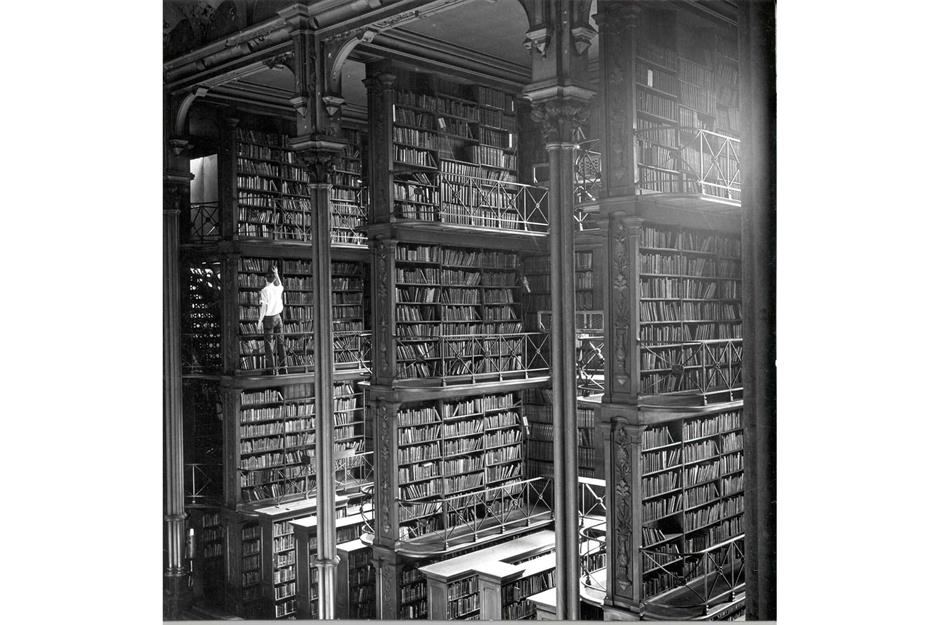
Dating to 1874, the Old Cincinnati Library was a bibliophile's dream. Considered one of the most beautiful libraries in America, with soaring cast-iron shelving units, marble floors, and swirling staircases, holding a huge store of classic tomes.
However, despite its beauty, the building was not big enough for the ever-growing book collection, and amenities including the ventilation system were poor. After a new library opened in 1955, the original was closed and eventually demolished.
Sponsored Content
Cliff House, San Francisco, California
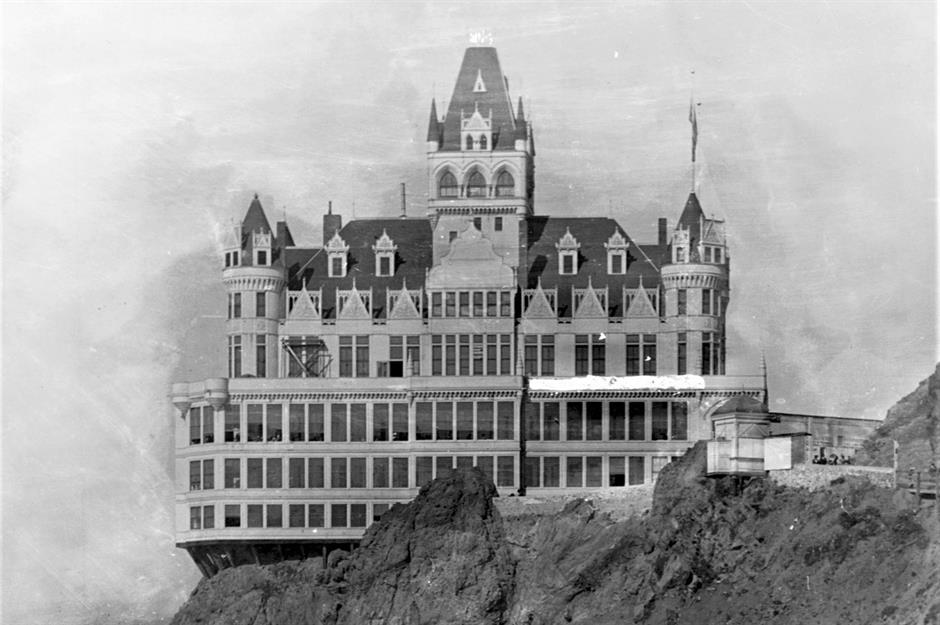
Perched precariously atop a cliff on the coast of San Francisco, Cliff House has had several iterations. But it's the second Cliff House, built in 1896 as a striking Victorian pile, that is the greatest loss.
The impressive property (pictured) was destroyed in a fire in 1907, crumbling into the ocean. The modern Cliff House, built in its place, is more pared back and forms part of the Golden Gate National Recreation Area.
Sutro Baths, San Francisco, California
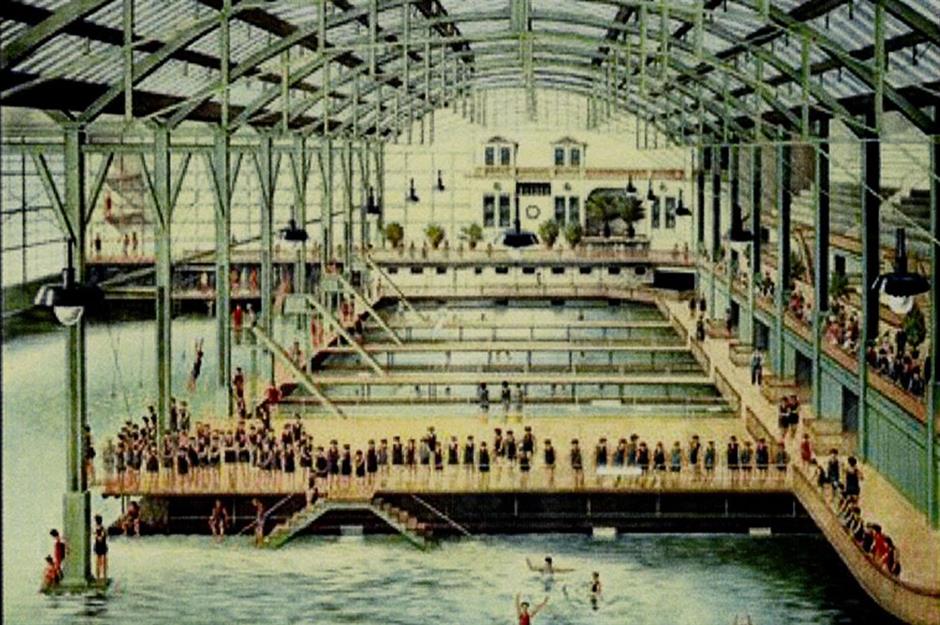
Opened in 1896, the Sutro Baths were an amazing public leisure space, comprising seven temperature-controlled saltwater swimming pools filled by the ocean tides. There was also a freshwater pool, museum, concert hall, restaurants, and arcades.
Once the largest facility of its kind in the world, the venue fell into disrepair during the Great Depression and was destroyed by fire in 1966. The ruins of the baths remain, forming part of Golden Gate National Recreation Area.
Grande Ballroom, Detroit, Michigan
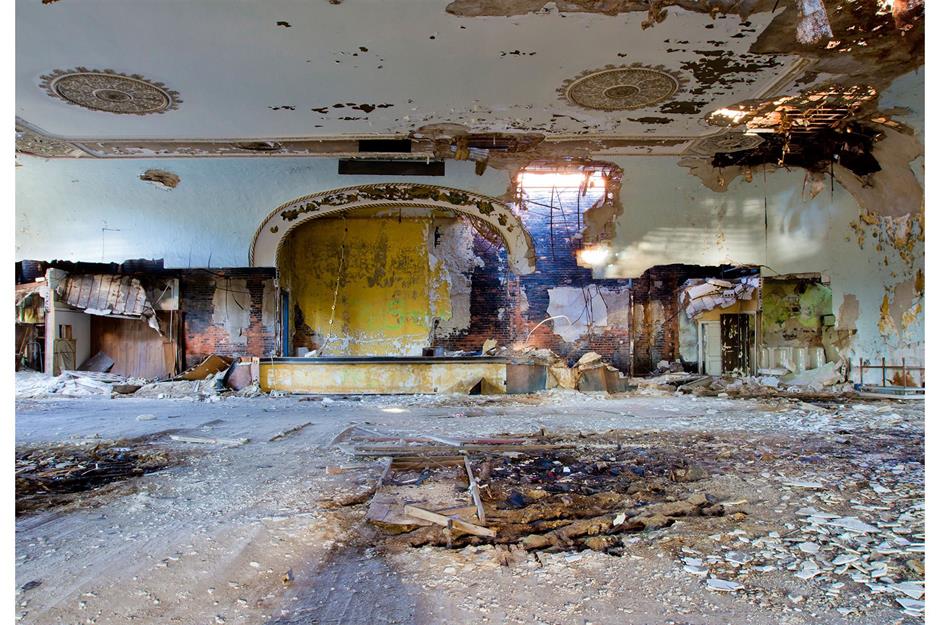
Today, Detroit's Grande Ballroom is the domain of urban explorers and photographers, but it was once one of America's top rock and roll venues. It first opened in the 1920s, starting off as a jazz dancehall, and its glittering Art Deco architecture was a draw, alongside the music.
However, its popularity waned, and it ultimately shuttered in the 1970s, stripping America of one of its greatest music venues. The property remains abandoned and in serious disrepair.
Sponsored Content
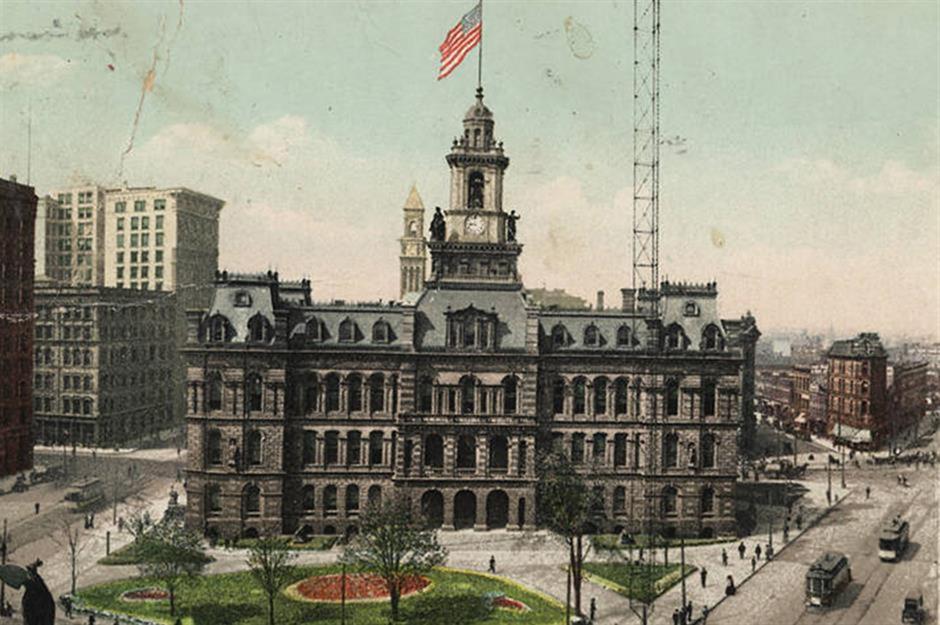
Old City Hall, Detroit, Michigan
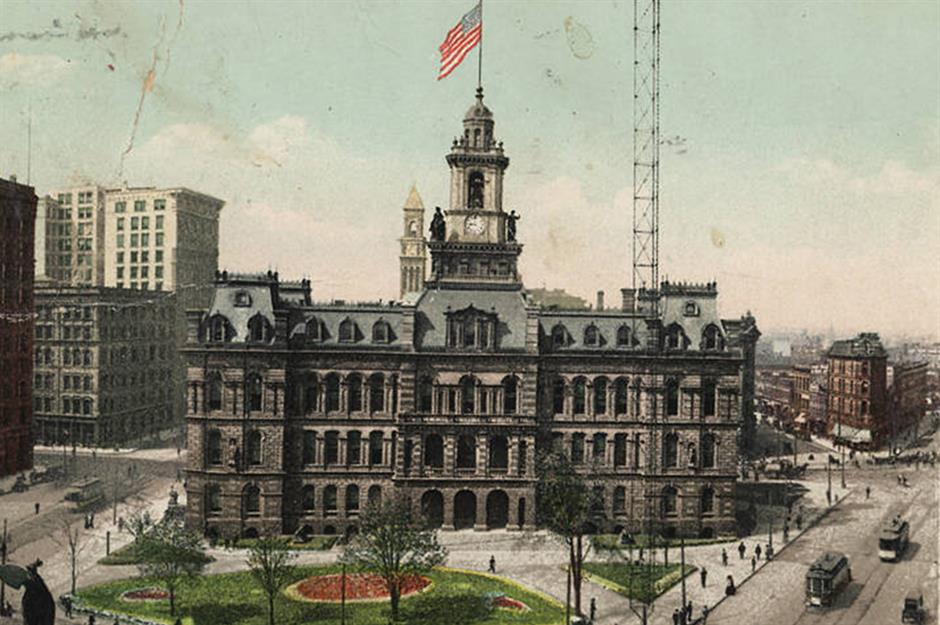
From one lost Motor City gem to another. Built in 1871, Old City Hall was an elegant architectural masterpiece in the Italian Renaissance and French Second Empire styles, with a looming clock tower and a dramatically sloping roof.
However, plans to build a new City Hall were floated as early as the 1920s and the older building would ultimately be demolished in the 1960s.
Wawona Tree, Yosemite National Park, California
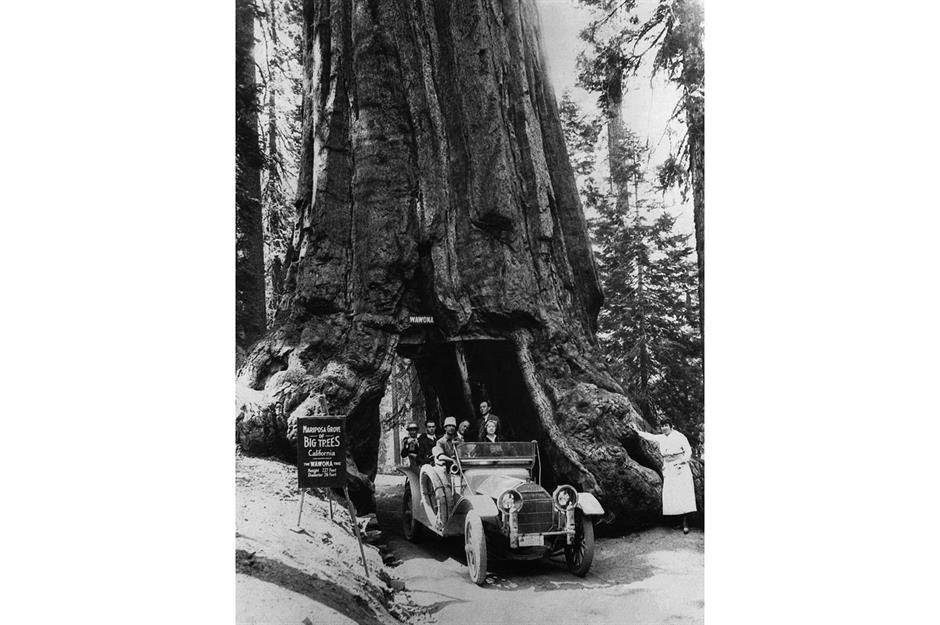
The so-called ‘tree you could drive through’ was once a popular tourist attraction in Yosemite National Park. However, the tunnel carved through the giant sequoia tree in Mariposa Grove caused major damage.
A winter of particularly heavy snow weakened the 2,100-year-old tree further and it ultimately fell in 1969.
Jeffrey pine, Yosemite National Park, California
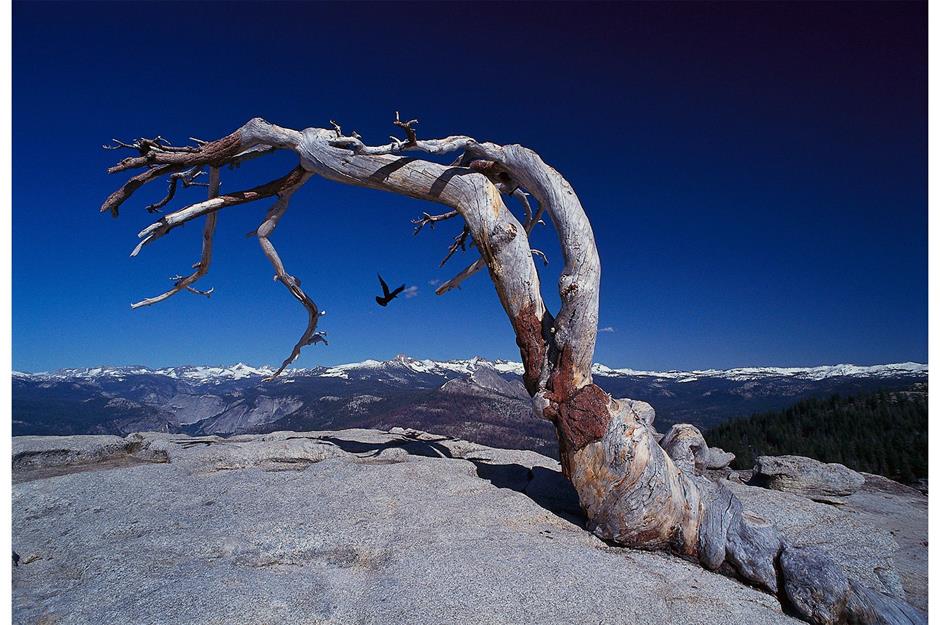
Another natural Yosemite landmark that's been lost forever is this arching pine, which caught the attention of famous landscape photographer Ansel Adams. It had been weathered into shape over more than four centuries and ultimately became a popular tourist attraction.
However, the tree eventually died in the 1970s and fell to the ground following a storm in the early 2000s.
Sponsored Content
Hetch Hetchy Valley, Yosemite National Park, California
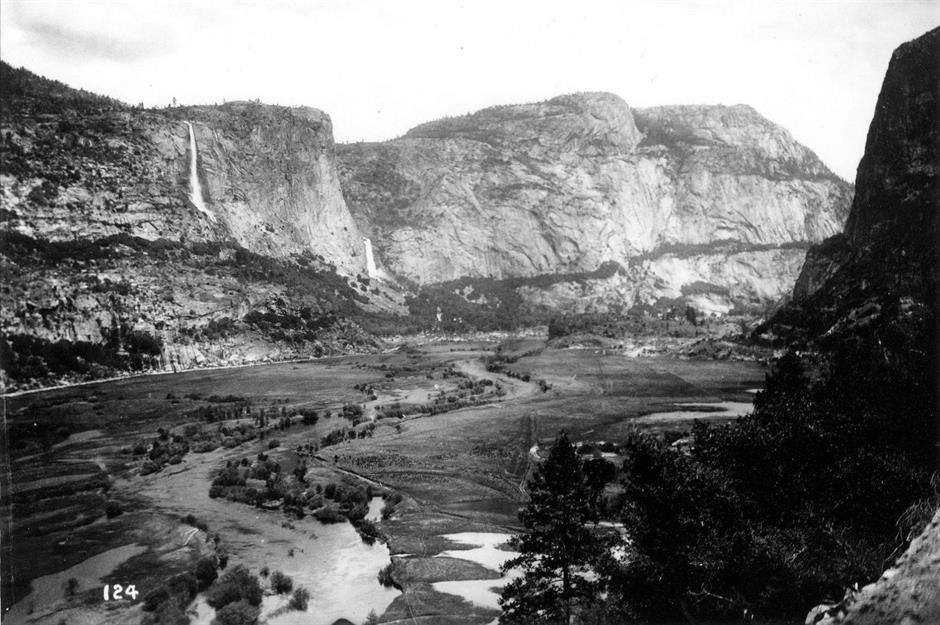
Yosemite National Park is famed for its breathtaking natural beauty, from thrusting granite peaks to limpid lakes and sprawling meadows. But the Hetch Hetchy Valley was forever altered due to the construction of the O'Shaughnessy Dam.
The resulting reservoir flooded great swathes of the lush valley (pictured before the dam) and it now supplies drinking water to some 2.7 million residents in the area.
Richfield Tower, Los Angeles, California
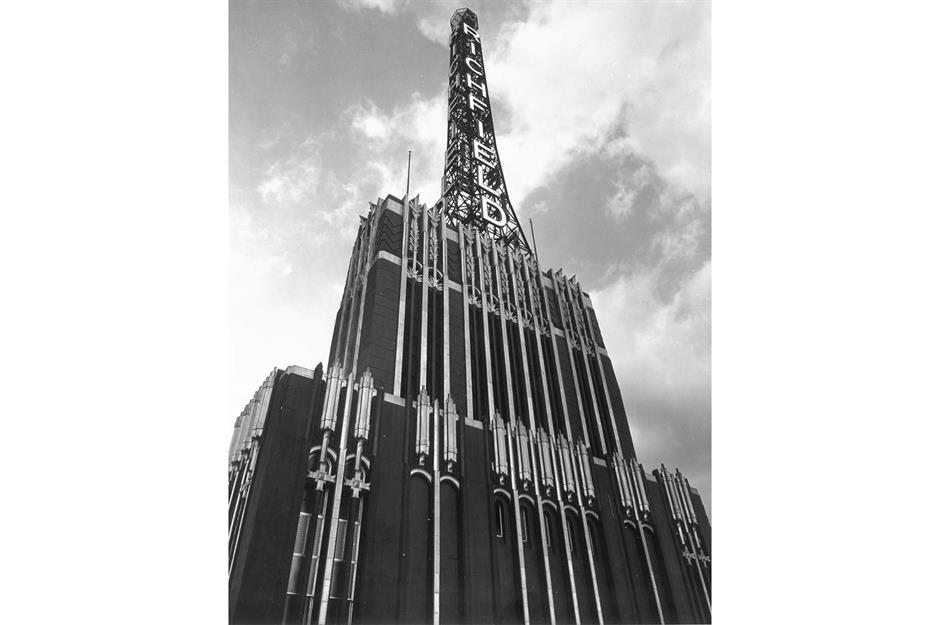
The City of Angels is not without its share of eye-catching architecture, but this soaring building was a loss all the same. Built in the 1920s, its design had roots in both Art Nouveau and German Expressionist architectural styles, with its glittering black and gold exterior.
It served as the HQ for the Richfield Oil Company, but when the firm outgrew the premises, the building was lost to the wrecking ball in the late 1960s.
Traymore Hotel, Atlantic City, New Jersey
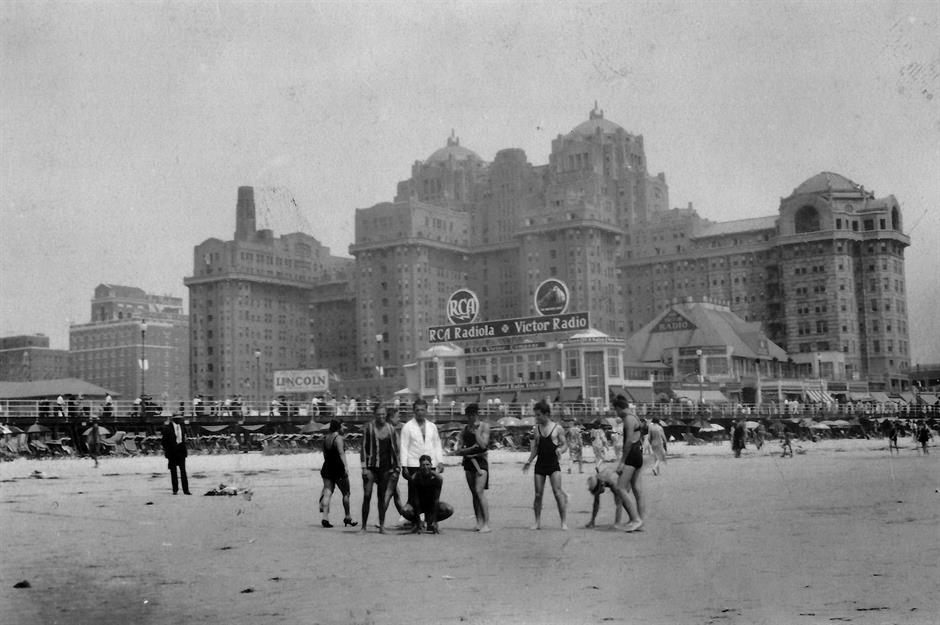
Atlantic City has long been a favorite with vacationers, who now come for its buzzing boardwalk, casinos, and sandy beach. At the turn of the century, the Traymore Hotel was the place to be seen.
Expanded multiple times over the decades, it also served as a military barracks, before continuing life as a hotel. However, the hotel – and Atlantic City as a whole – entered a period of decline in the 1960s and the property closed a decade later, before being destroyed.
Sponsored Content
Southern Railway Terminal, New Orleans, Louisiana
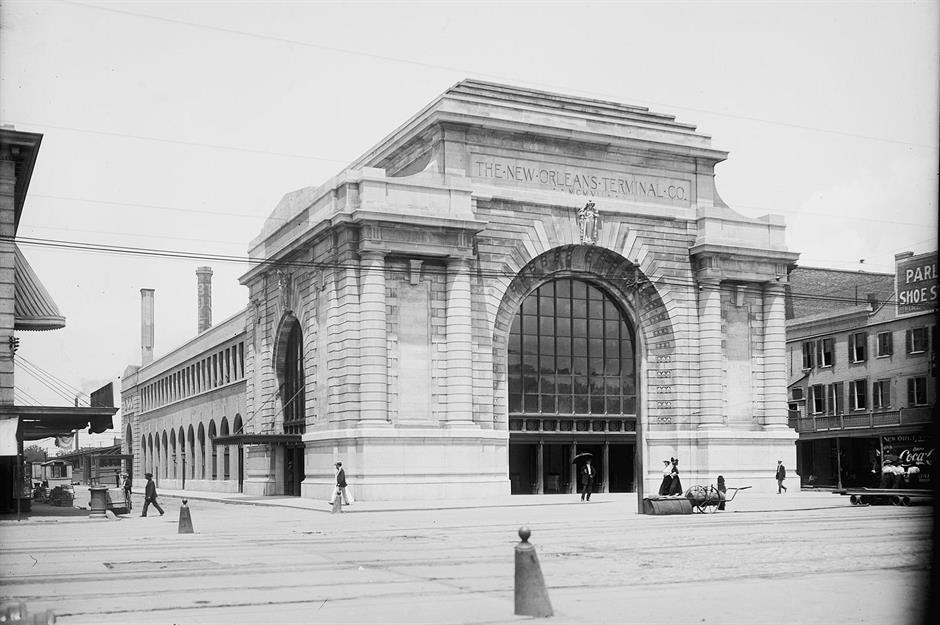
The Crescent City's fine architecture is one of its major draws, and this elegant railway building was once among NOLA's most magnificent sights. Finished in 1908, it had a prime position on famous Canal Street, and its giant arches, elegant columns, and huge windows would attract many passers-by.
However, as cars gained in popularity and the Union Passenger Terminal opened, the eye-catching building was razed to the ground.
Wall Arch, Arches National Park, Utah
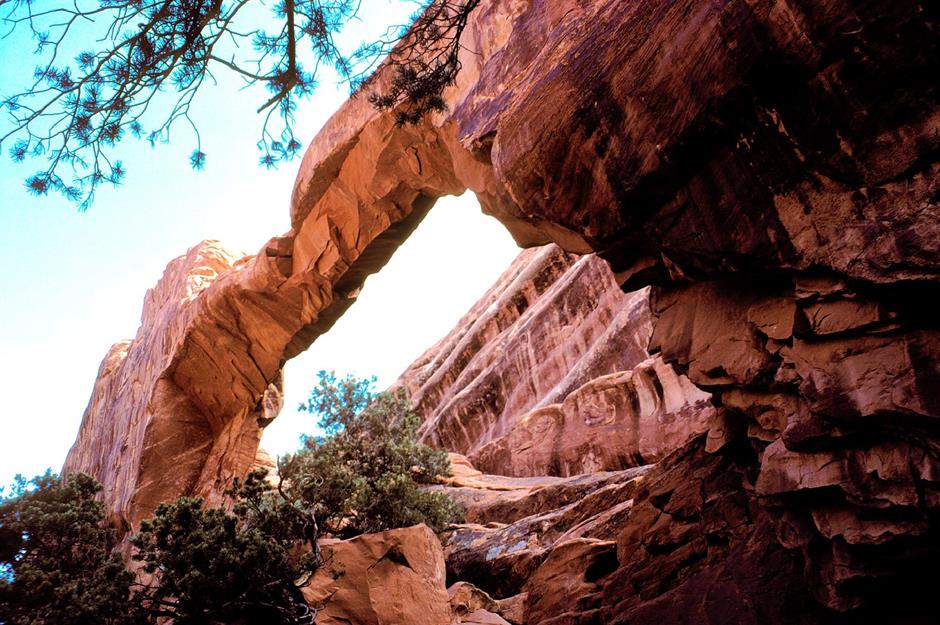
As its name suggests, natural arches are the principal draw of this southern Utah park, which is also known for its blazing red terrain and endless hiking trails. And while some 2,000 of the landforms are still intact, Wall Arch sadly succumbed to gravity in 2008.
Over millions of years, precipitation ate away at the natural wonder, until it finally perished, leaving just a pile of red rubble.
Formation in Goblin Valley State Park, Utah
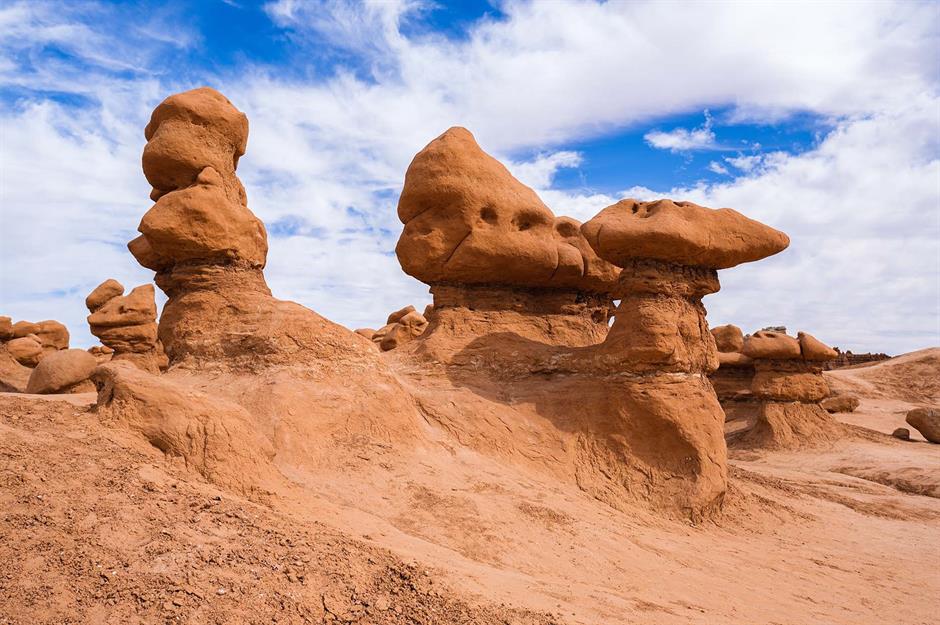
Another precious Utah rock formation that has been lost – but this time due to vandals rather than Mother Nature. In 2013, video footage emerged of a trio of men toppling one of Goblin Valley State Park's fragile, mushrooming hoodoos, which would have been formed over millions of years.
The men maintained that the delicate and precarious formation posed a threat to visitors – they faced charges and ultimately reached a plea deal.
Sponsored Content
Stardust Hotel and Casino, Las Vegas, Nevada
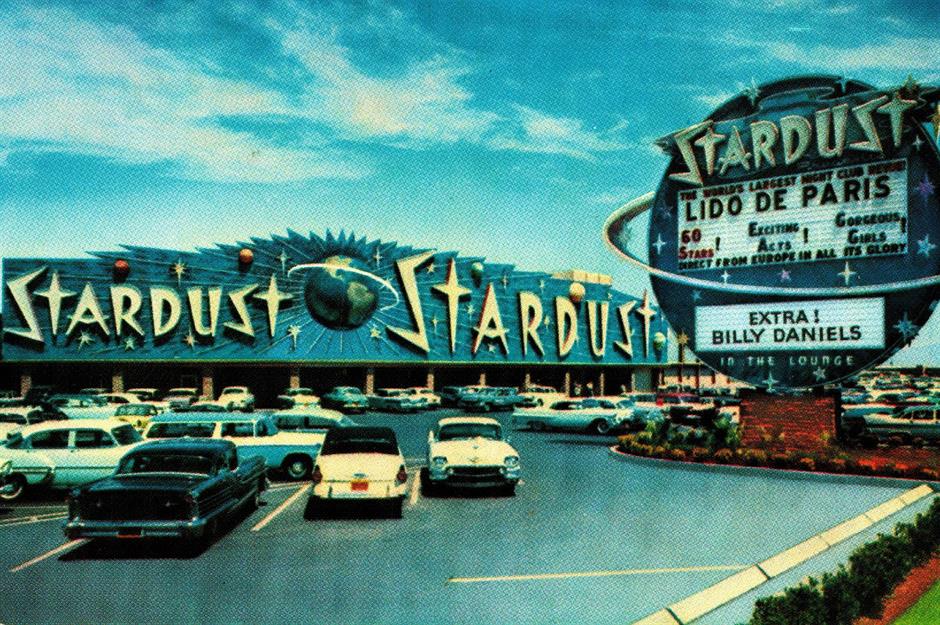
Las Vegas has no shortage of glitzy hotels, but this one has a whole lot of history, given that it was a favorite haunt of Frank Sinatra and the Rat Pack. Having opened in the late 1950s, it enjoyed its heyday in the mid-century but was soon eclipsed by the larger properties that began to mushroom on the Strip and beyond.
Eventually, the Stardust was forced to close in 2006, and it was imploded just a year later. The lavish Resorts World Las Vegas now occupies the site.
Riviera Hotel and Casino, Las Vegas, Nevada
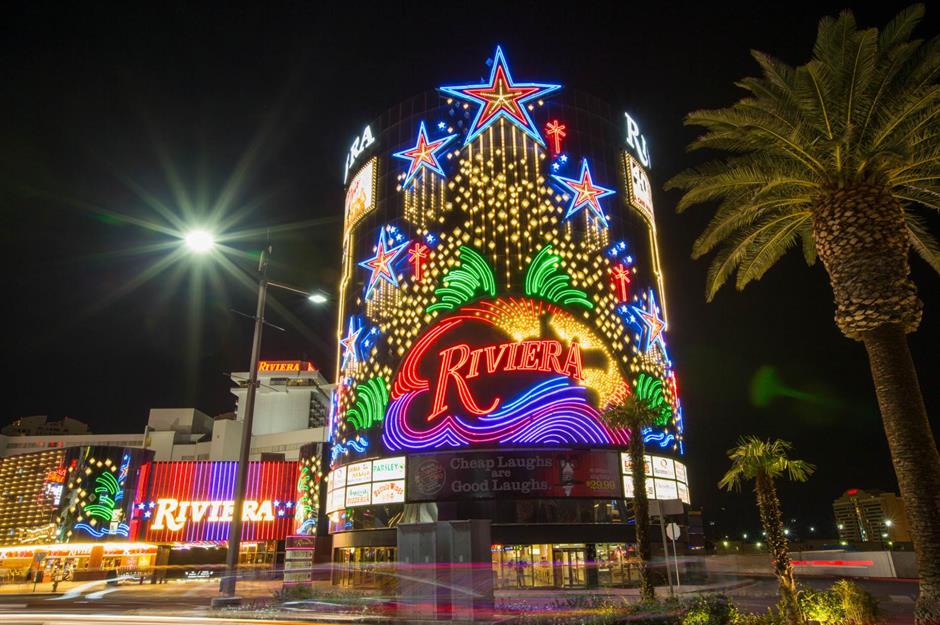
Opened in 1955, three years before the Stardust, the Riviera was one of the Las Vegas Strip’s first high-rise hotels. It was also a favorite hangout of the city’s mobsters and provided the backdrop to several Vegas movies, including the original Ocean's 11 and Casino.
Sadly, it succumbed to the wrecking ball in 2016 to make way for the Las Vegas Convention Center. Many of the hotel’s colorful signs now live at The Neon Museum, ensuring a small piece of it survives.
Kaimu Beach, Hawaii
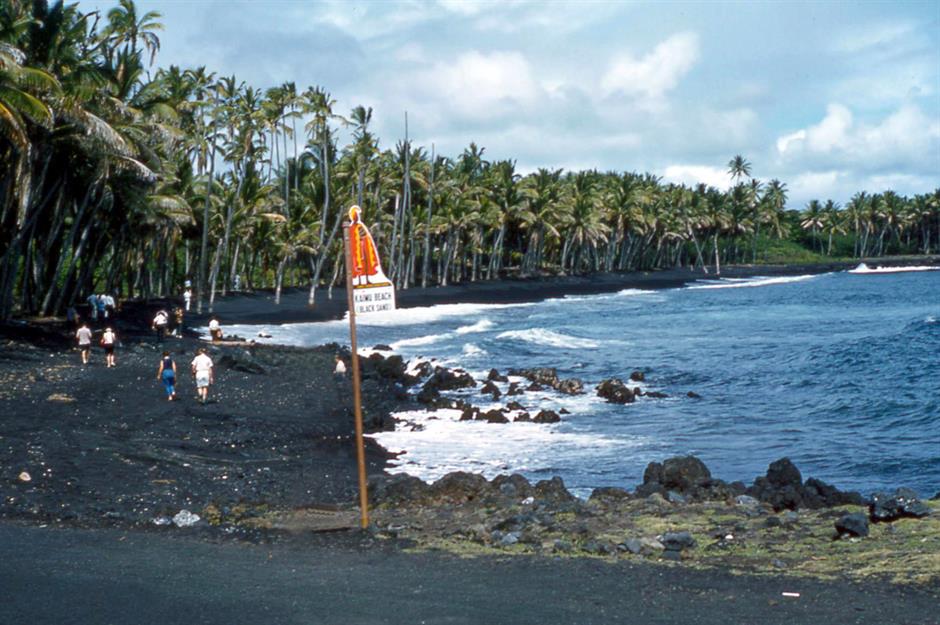
Hawaiian beaches offer a rainbow of sands, with inky black being one of the most distinctive. A great example was Kaimu Beach.
This tourist attraction in the east of the Big Island was all but destroyed by the eruption of the Kilauea Volcano in the 1990s, as lava ravaged the beach, displacing hundreds. Happily though, a small new black-sand beach has now begun to form above the original.
Sponsored Content
Coral Court Motel, Marlborough, Missouri
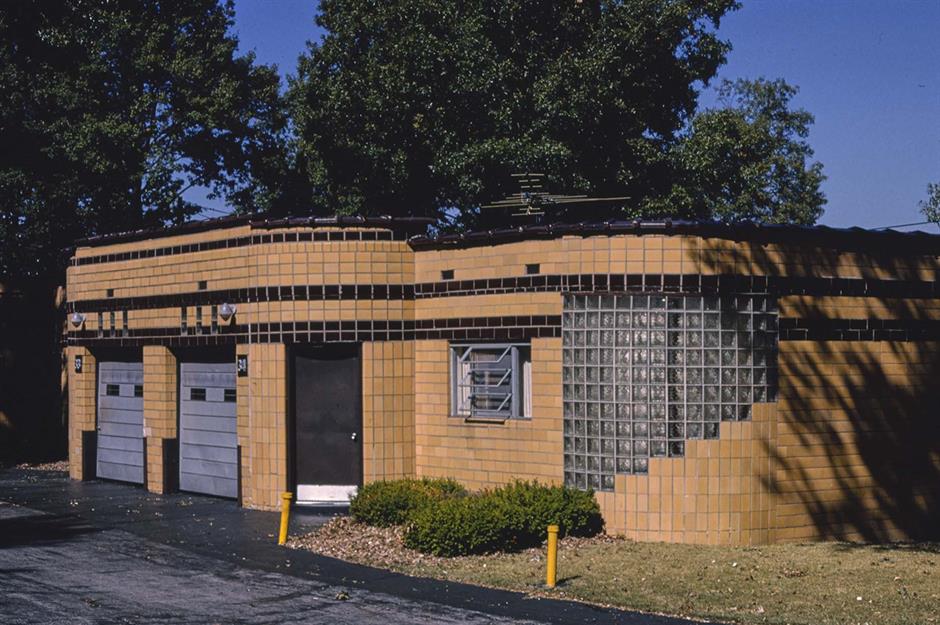
At one time, fabled Route 66 was chock full of glorious retro motels like this one, which was built in the 1940s. However, over the decades, many of them faced the wrecking ball, including the charming Coral Court Motel, a striking Streamline Moderne structure that once stood in Marlborough, Missouri.
After the motel finally closed in 1993, even a spot on the National Register of Historic Places could not save it from destruction. It was bought by commercial developers and destroyed in 1995.
Endee, New Mexico
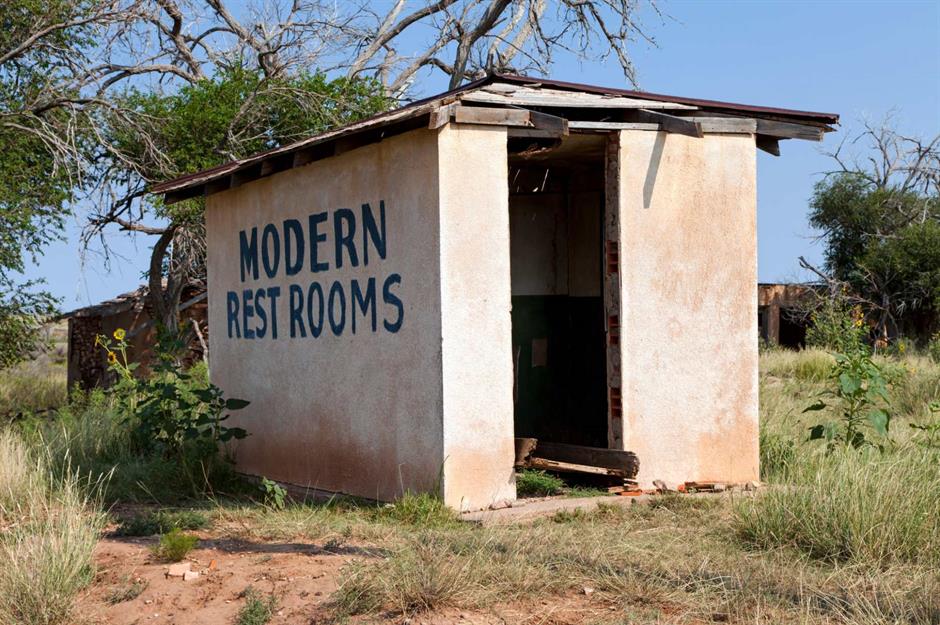
Now a ghost town, Endee was once a thriving hub on Route 66. Located near the Texas border, it boasted a modest motel, general store, gas station, and ‘modern restrooms.’
However, when Interstate 40 opened in 1952, it bypassed Endee, taking away the travelers who sustained the town’s businesses, causing its decline. It remains popular among those tracing points of interest along Historic Route 66.
Ebbitt House Hotel, Washington DC
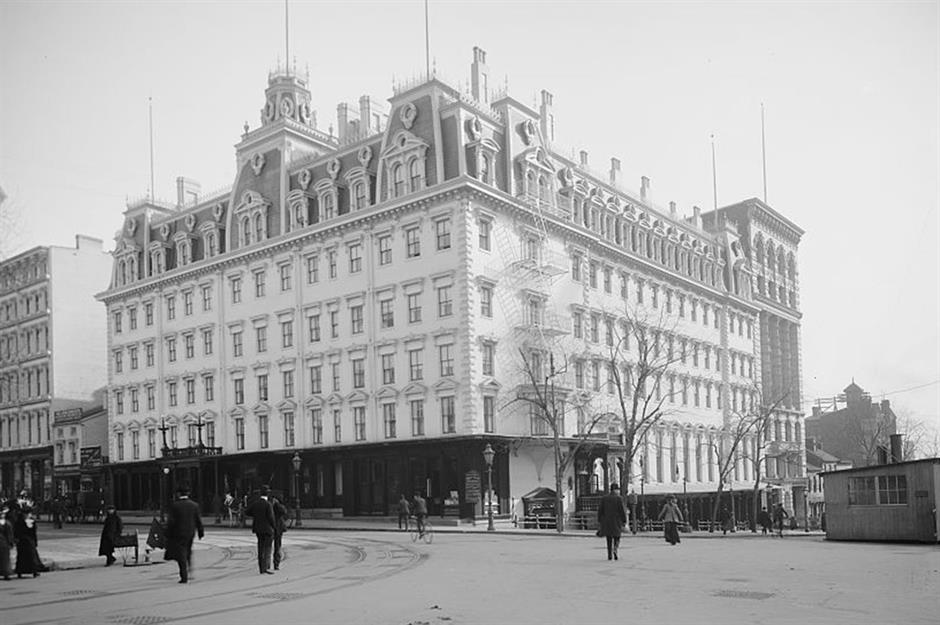
This grand hotel in the nation's capital has its roots in the 1850s, when it began life as a humble boarding house. But over the years it became a landmark property, playing host to significant figures including the 25th US president, William McKinley.
However, the hotel's popularity declined, and the building eventually lost its shine. It was destroyed in the 1920s to make way for the National Press Building.
Sponsored Content
Steller's sea cow
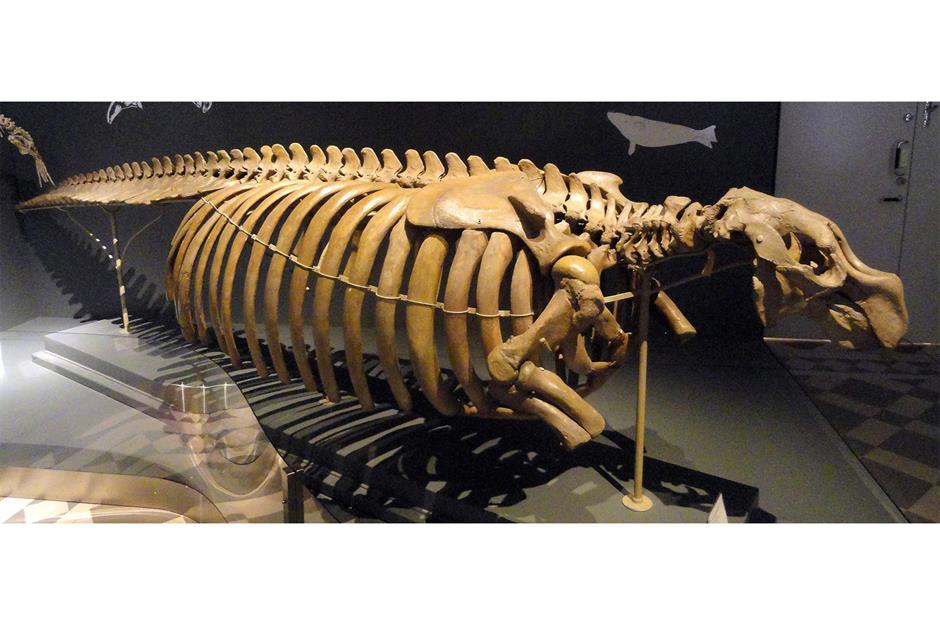
Rock formations and historic buildings aren't the only treasures that America has lost. Over the centuries, some precious species have disappeared, including Steller's sea cow, a close relative of the manatee.
However, unlike manatees, these adorable marine mammals preferred the bracing waters off the Alaskan and Russian coasts to more tropical climes. Sadly, they were aggressively hunted for their meat by fur traders through the 18th century and were extinct by 1768.
San Marcos Gambusia, Texas
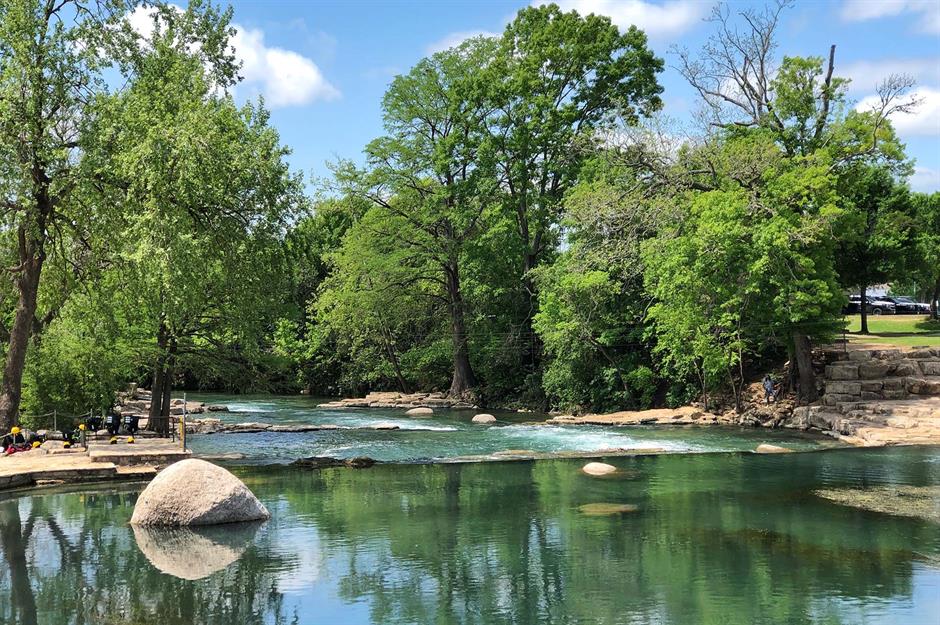
This two-inch (5cm) mosquito-eating fish, which lived only in Texas' San Marcos river (pictured), was declared extinct in 2023, having been on the endangered list since 1980. The fish was last seen in the river in 1983.
It's thought that pollution caused by the expansion of nearby cities is partly to blame for the species' demise.
Kauaʻi ʻoʻo bird
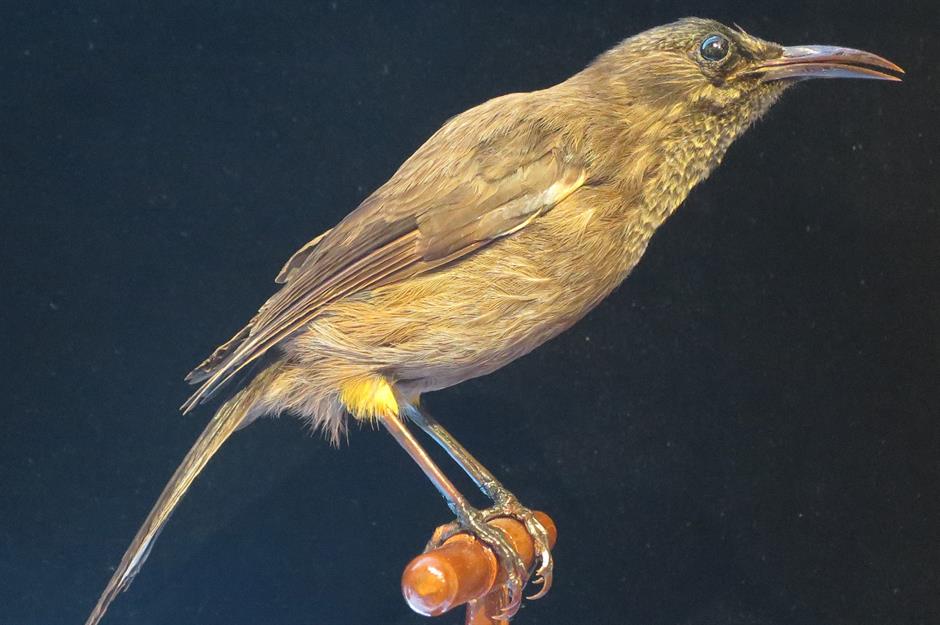
Hawaii's biodiversity is incredible, but sadly the archipelago is losing some of its endemic species. Among them is the Kauaʻi ʻoʻo bird, a tiny breed of honeyeater, which has not been seen in the state since 1987 and is now considered extinct.
The bird was known for its pretty song and understated plumage.
Now discover the American tourist attractions that no longer exist