This Is Why Gorgeous Cornwall Captivates So Many Hearts
Cornish charmers
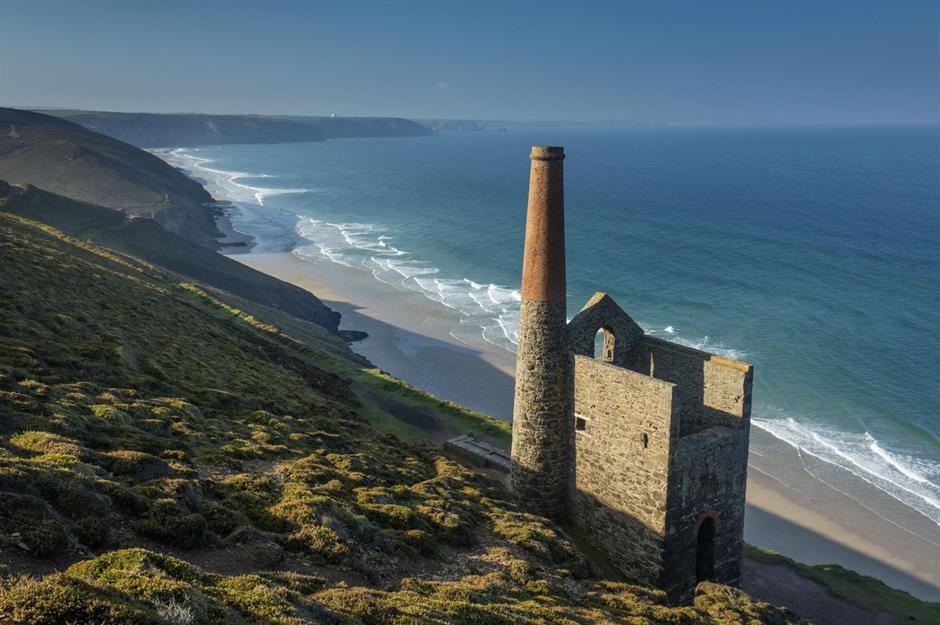
Cornwall is filled to the brim with idyllic places offering stunning scenery at every turn. In a new book, Cornish Villages, author Sandra Srivastava draws on her extensive knowledge of the region, gained from years living in and exploring glorious West Country landscapes. Here's a tour of 10 of her favourite Cornish villages and a selection of our favourite places too.
Cadgwith
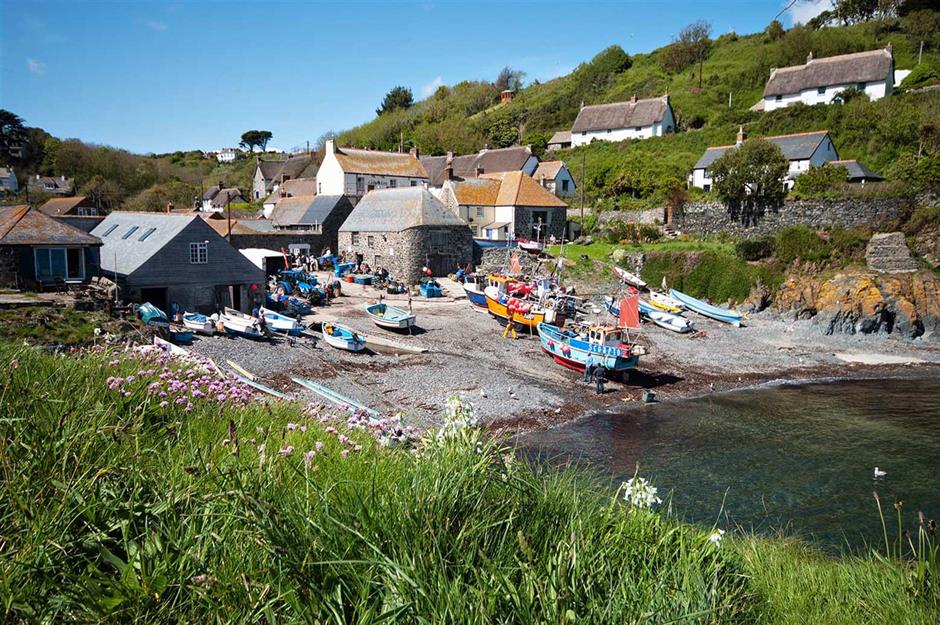
The old fishing village of Cadgwith, on the Lizard peninsula, is one of the prettiest villages in Cornwall and has been frequented by generations of artists. Despite being a popular tourist destination it remains unspoiled, with winding, narrow streets, a flower-filled valley and plenty of charming cottages. The dinky blue-and-white St Mary's Church, a metal structure which dates back to 1895, is a great photo spot and holds several atmospheric services each year.
Helford
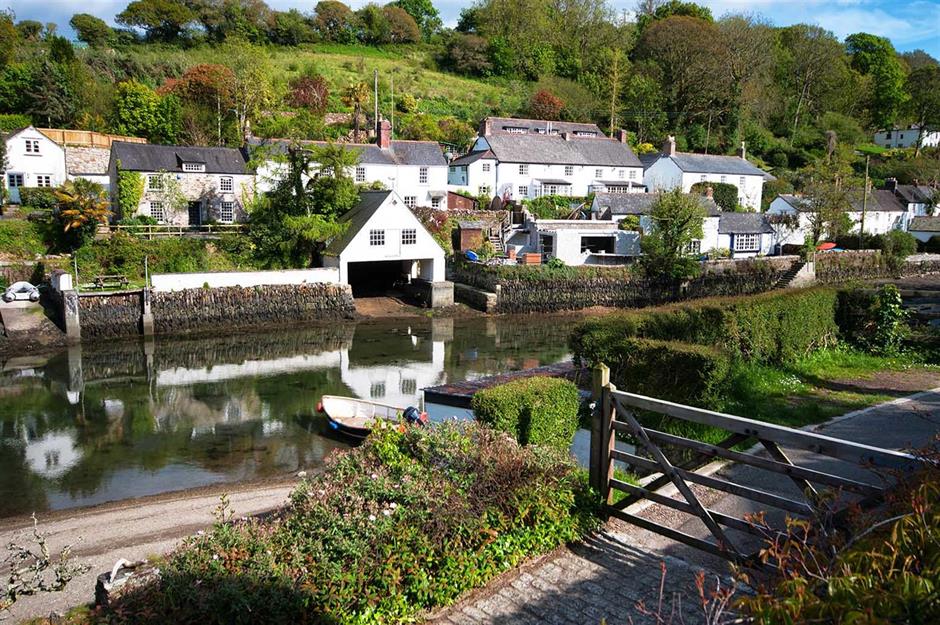
A quiet village with a stunning location on the wooded southern shore of the Helford River estuary, Helford is another highly underrated spot. A footpath affords far-reaching views of the wide river and white-sailed boats – a breathtaking sight in sunny weather. The path continues to Frenchman’s Creek, a picturesque little stream immortalised in novels by Daphne du Maurier and Sir Arthur Quiller-Couch, before returning through fields to Helford. Legend has it that the Helford River and its many wooded creeks are frequented by Morgawr, a sea serpent. In case you don't see Morgawr, the area is also populated by a wide variety of birds, including herons, egrets and cormorants.
Love this? Follow us on Facebook for more travel inspiration
Sponsored Content
Mylor
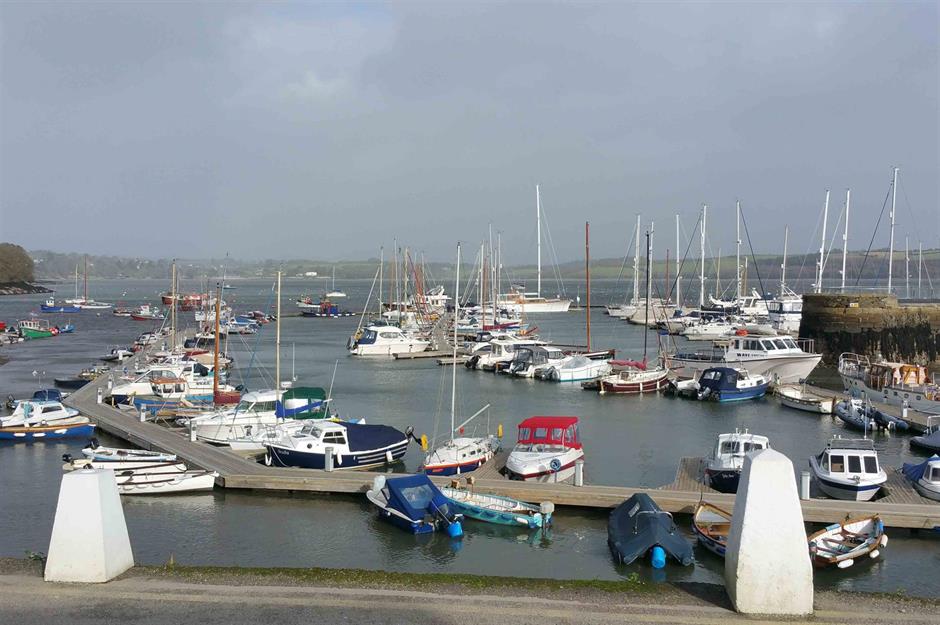
During the Second World War, Mylor was a base for French resistance fighters and American troops – it's now a very popular leisure sailing centre. The church of St Mylor (or Melorus) was established in the early 5th century by St Mylor, who is believed to have been a missionary from Brittany. The current church dates back to the 12th century, and although it's been heavily restored over the years, some of its Norman features remain. Plus, in the churchyard stands the tallest former wayside cross in Cornwall, which is believed to be Celtic.
Veryan
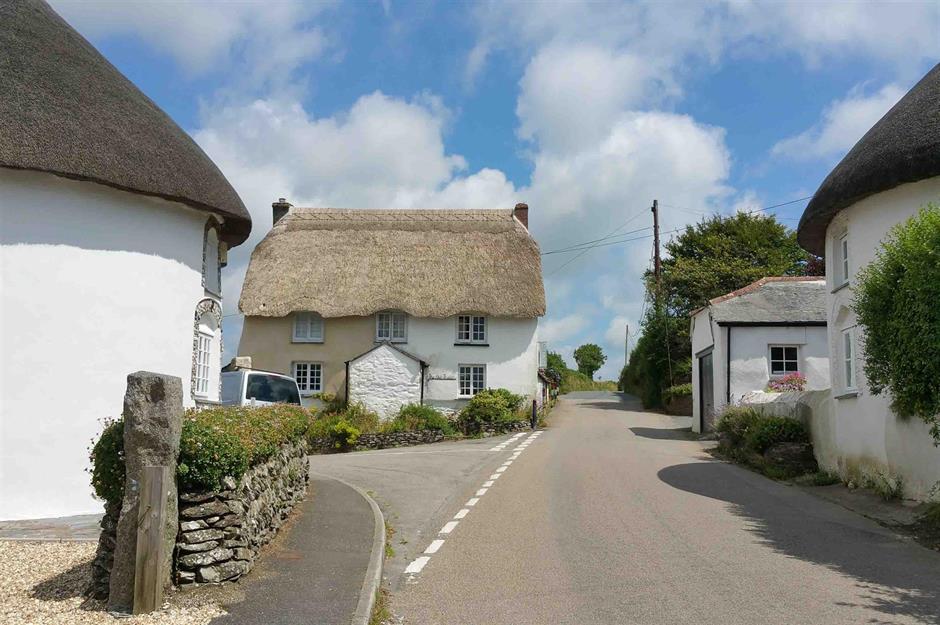
Veryan is best known for its whitewashed round houses. The five original cottages were built in the early 19th century, one pair at each entrance to the village and a single house in the centre. Legend has it that their circular shape meant that there would be no north side from which the devil could enter them or the village, and no corners for him to hide behind. For extra protection, each also has a cross atop its roof.
Portloe
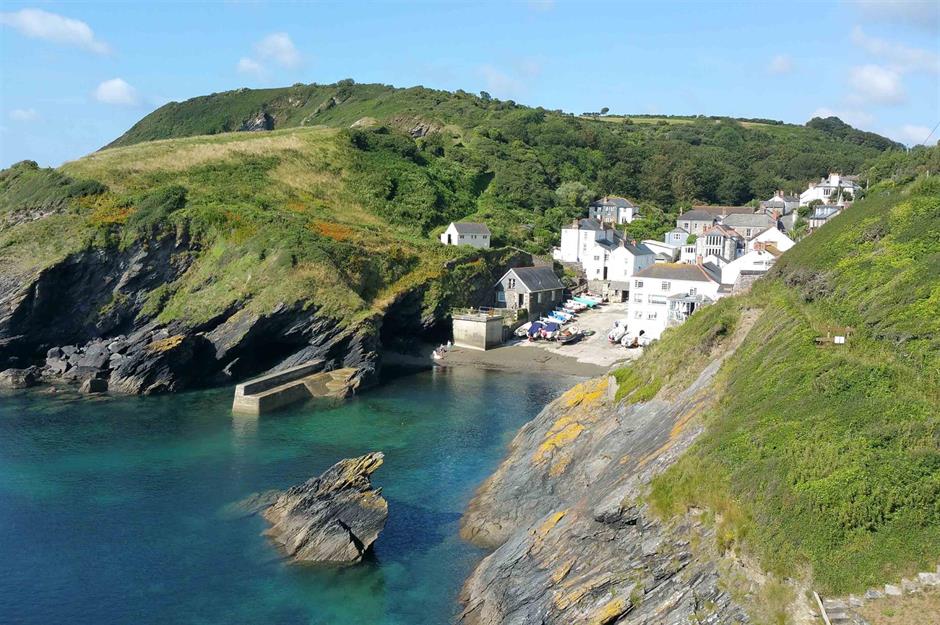
A picturesque fishing village set in a steep-sided inlet, Portloe's rows of dainty cottages are set above a craggy cove. It's easy to imagine what life would have been like here in times gone by, possibly as far back as the medieval era. Smuggling was rife until the 19th century and a landlord of notorious inn the Lugger Hotel, ‘Black Dunstan’, was hanged for the crime in 1890. Meanwhile, fishermen and miners supplemented their income by smuggling tobacco, spirits, clothes and fabrics from France. The women walked around the surrounding area with contraband spirits hidden under their skirts, selling them to those few who could afford them.
Sponsored Content
Gorran Haven
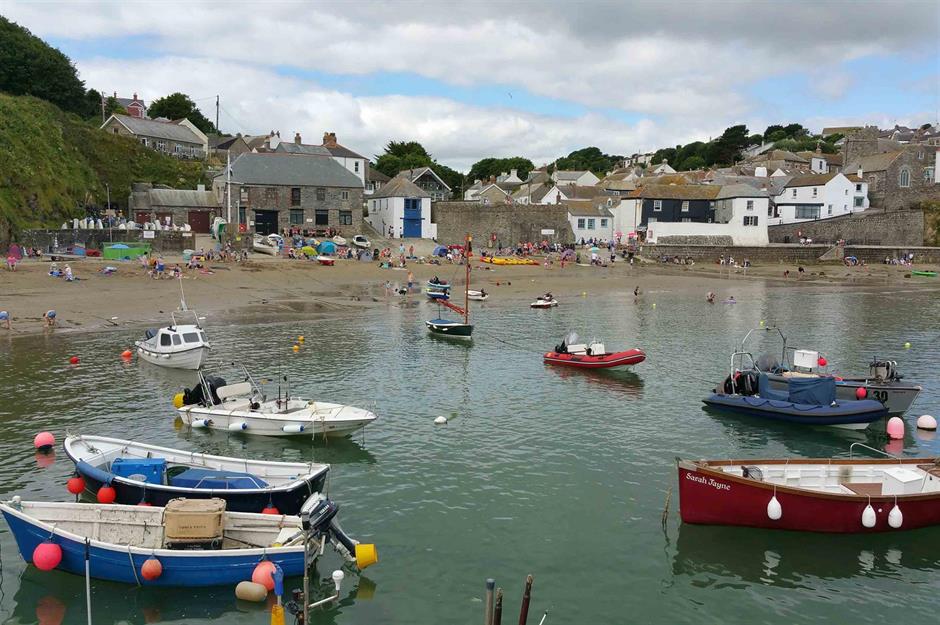
The tranquil coastal haven of Gorran Haven is home to two adjacent sandy beaches, which become joined at low tide. In this quaint fishing village you'll find a small harbour dotted with boats, while at the head of the beach is a high-walled stone building with arched doorways. This limekiln building was probably constructed in 1812 and was used for lime burning until about 1910. The roof is now a vantage point from which one can enjoy far-reaching views over the village, beach, harbour, countryside and open sea.
Mevagissey
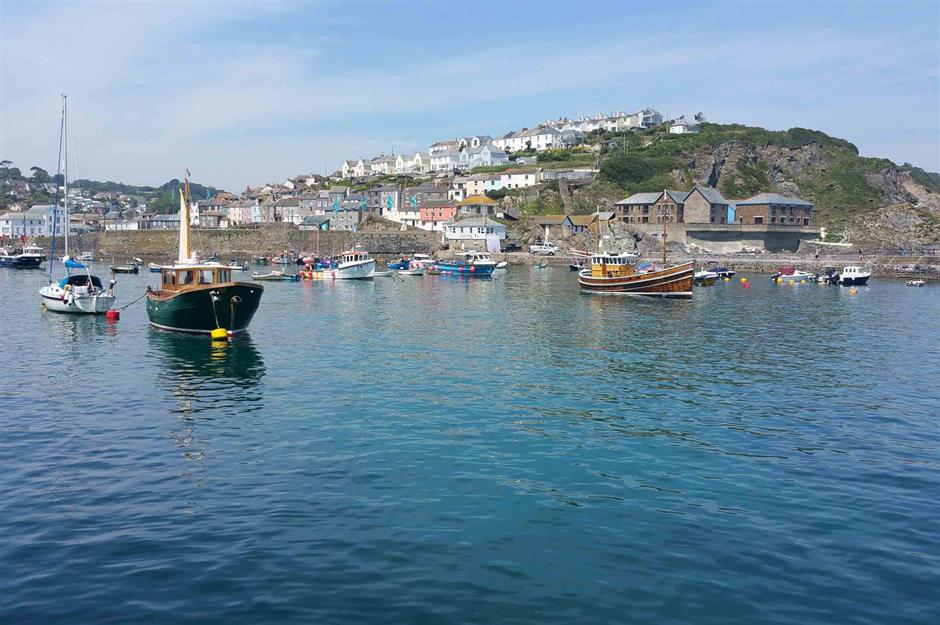
Mevagissey is one of Cornwall’s largest and most attractive fishing villages. While tourism is now the dominant industry here, evidence of its angling past can still be seen: streets rising steeply above the harbour contain old cottages designed for the processing of pilchards and the mending and drying of nets. These alleyways once provided cover for fishermen fleeing from press gangs who would conscript them into the navy, as well as smugglers hiding from the revenue men.
Polruan
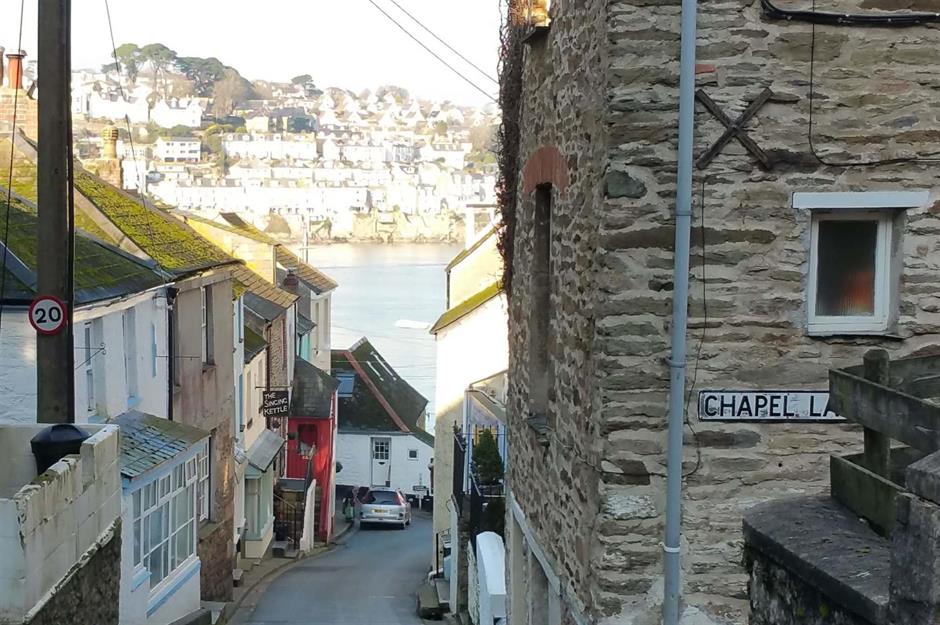
The picturesque fishing and boat-building village of Polruan is located near the mouth of the Fowey estuary, opposite the town of Fowey. Old cottages line the steep streets overlooking the harbour, and from here there are spectacular views across the estuary. You can also catch a foot ferry to this larger town, while the Bodinnick vehicle ferry is just upstream. A ferry has peddled this route since the 14th century, allowing travellers to continue their journeys into the wilderness of Cornwall.
Sponsored Content
Polperro
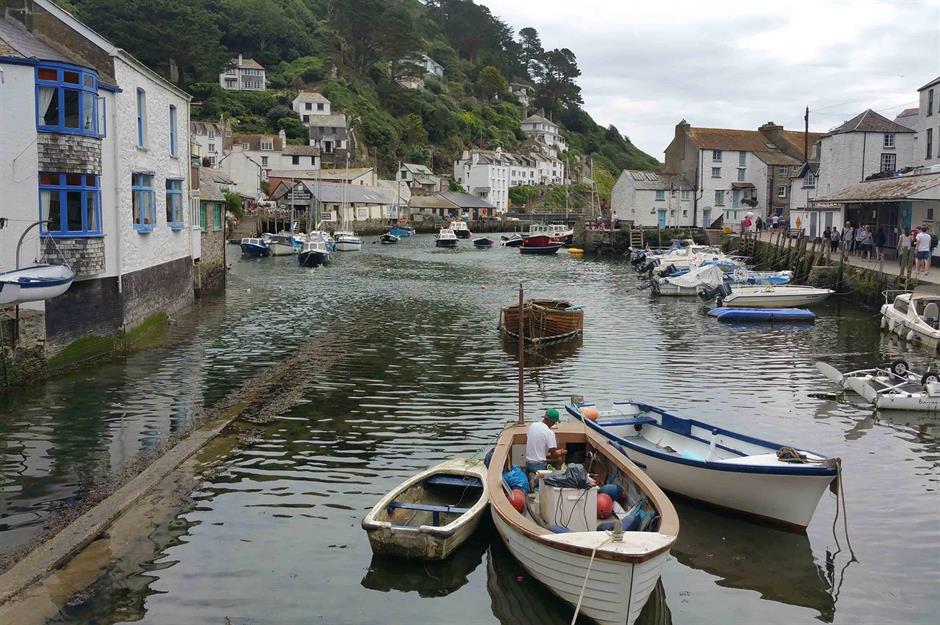
Polperro has been a fishing village since the 13th century, and the surrounding area has been farmed for thousands of years. Featuring on postcards all over Cornwall, this is everyone’s favourite Cornish village, with a maze of narrow streets around the harbour and along the clifftops. Thankfully, it's large enough to absorb the hordes of visitors who descend upon it at the height of the holiday season. In the winter fog it's rather eerie – an entirely different place.
Tintagel
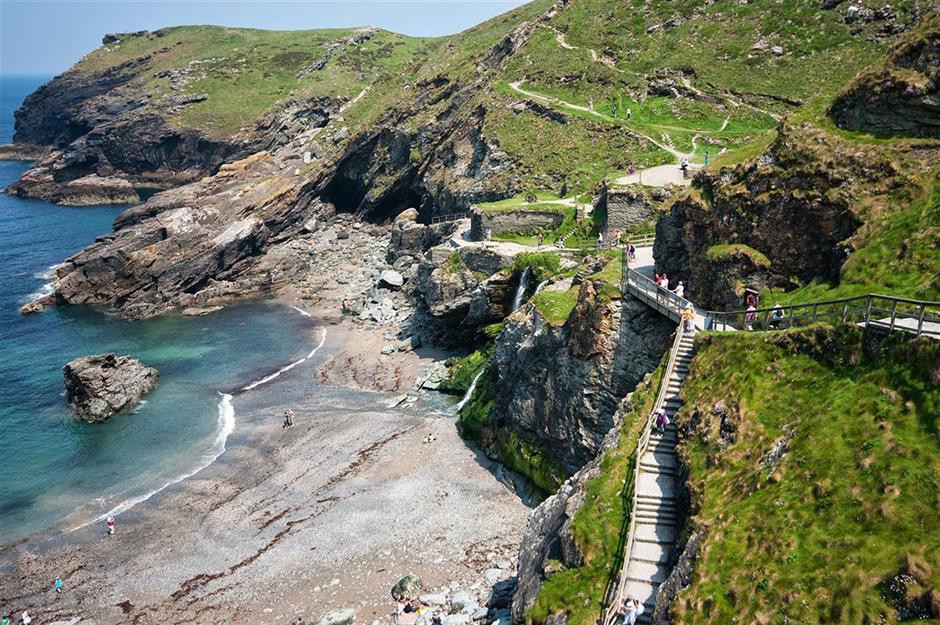
Tintagel is best known for its supposed connection with King Arthur. Historians speculate that in the 6th century, Arthur was probably a Celtic warrior leader, but whether he was a king is a different matter. Whether or not the stories about Arthur are true, it's hard not to be inspired by the views as you stand on Tintagel Island and gaze at the 13th-century castle ruins, across the rugged headlands and out to sea, admiring what is surely one of the most beautiful and romantic parts of Cornwall.
Find out more
All images were taken with permission from the book Cornish Villages by Sandra Srivastava, which is published by The Book Guild and is out 28 March 2023. It can be pre-ordered here or purchased at all good bookshops.
Looking for more Cornwall inspiration? Read on to discover other stunning real-life Cornwall locations you can visit...
Sponsored Content
Charlestown

The Grade II-listed harbour of Charlestown is a filming favorite, with its famous collection of old shops being used in movie and TV projects the world over, including Alice in Wonderland, Dr Who and, of course, Poldark.
Charlestown

Just outside St Austell, on the south coast of Cornwall, there’s plenty to do: gaze at the picturesque quays and harbor buildings, eat at the many bars and restaurants in the area, browse the gift shops and enjoy wonderful views over St Austell Bay.
Porthgwarra

The first series of Poldark saw the leading man taking a dip in the cool, clear waters of Porthgwarra, and you can’t blame him: the tunnel cut through the rock makes the peaceful place the perfect spot for a swim.
Sponsored Content
Porthgwarra

Having once been a thriving fishing cove, Porthgwarra is now a picturesque place to relax, with birds, flowers and a secluded beach to flop onto. There’s also the Porthgwarra Cove Cafe to enjoy, and Poldark super-fans will be glad to know it was a regular refuelling spot for both cast and crew during filming.
Porthcurno

Poldark enthusiasts will no doubt recognise Porthcurno as the beautiful Nampara Cove in the series.
Porthcurno

Recognised as one of Cornwall’s most outstanding beaches, the white sands, high cliffs and sparkling sea aren't just beautiful in the series, but are stunning to walk along in real life too.
Sponsored Content
Bodmin Moor

The cast of Poldark spend a great deal of time on horseback, with Bodmin Moor one of the most popular horse riding spots in the series.
Bodmin Moor

But if you don't have your own horse to hand, you can still enjoy the rugged moor: brave Bodmin Moor’s challenging 5.2-mile (8.4km) circular walk to Rough Tor and Brown Willy, the two highest peaks in Cornwall. It won’t be easy, but you’ll have wonderful views of both the north and south coasts.
Padstow

Many of the dramatic cliff scenes filmed in Poldark took place in Padstow, due to its spectacular views and rugged coastline.
Sponsored Content
Padstow

Botallack

An important part of Cornwall’s mining history, and part of the Cornish Mining World Heritage Site, the west Cornwall mines at Botallack play an important role in Poldark.
Botallack

Sponsored Content
Levant Mine

Levant Mine

Levant Mine doubles for Poldark’s fictional Tressiders Rolling Mill. Visitors to the real-life mine can interact with living mining history by watching the 1840s beam engine worked by steam, join a guided tour to learn about the site’s history, and listen to the fascinating tales of Edwardian miners.
Perranporth

Sponsored Content
Perranporth

Perranporth is also home to the memorial bench of author Winston Graham, who wrote the original Poldark novels.
Gunwalloe

The picturesque sandy cove of Gunwalloe, which is overlooked by the church of St Winwaloe, might look familiar to Poldark fans as the location of the night-time shipwrecking scenes in series one.
Gunwalloe

Sponsored Content
Porthcothan

Porthcothan

The beach may look familiar to Poldark fans, as it was used for scenes of Nampara.
St Agnes Head

Sponsored Content
St Agnes Head

In St Agnes, make the most of the dramatic coastal walks on offer, as well as taking in the picturesque village, striking scenery and wide choice of galleries, restaurants and craft workshops.
Kynance Cove

One of Cornwall’s most famous beaches, Kynance Cove’s pretty white sands, glistening waters and dramatic rock towers make it a gorgeous location for Poldark.
Kynance Cove

Sponsored Content
Constantine Bay

Constantine Bay

Holywell Bay

The enormous beach of Holywell Bay, complete with golden sands and wide open bays, acts as a backdrop to many Poldark scenes, including the horse races between Dwight and Caroline.
Sponsored Content
Holywell Bay

Holywell Bay

Plus, to add to the sense of adventure, the wreck of an old Argentinian coaster can be seen just offshore when the tide is out.