Incredible things you never knew about the United States
Stateside trivia
You might think you know the USA – its iconic cities and sweeping landscapes are immortalized on screen, while its history is studied in classrooms around the world. But beneath the familiar lies a country full of unexpected stories and little-known wonders.
Click through this gallery to discover 33 surprising facts about America...
A US town has been on fire since 1962

In 1962, Centralia, Pennsylvania, seemed like any other small mining town – until the ground beneath it caught fire. What started as a suspected trash fire near an old mine entrance ignited an underground coal seam, creating a blaze that still burns today.
Efforts to extinguish it failed, and by 1992, the state condemned the town, forcing most residents to leave. Now a near-ghost town, only a handful of holdouts remain. Beneath them, the fire rages 300 feet deep – and experts say it could burn for another 250 years.
One in eight US workers have been employed by McDonald’s

You can't go far in the States without seeing those iconic golden arches. So, perhaps it's no surprise that it's estimated about one in eight Americans have worked at McDonald's at some point in their lives, whether flipping burgers, working the cash register, or in a corporate role.
This figure reflects cumulative employment over time, not the current workforce distribution.
Sponsored Content
The world’s tallest mountain is in the USA
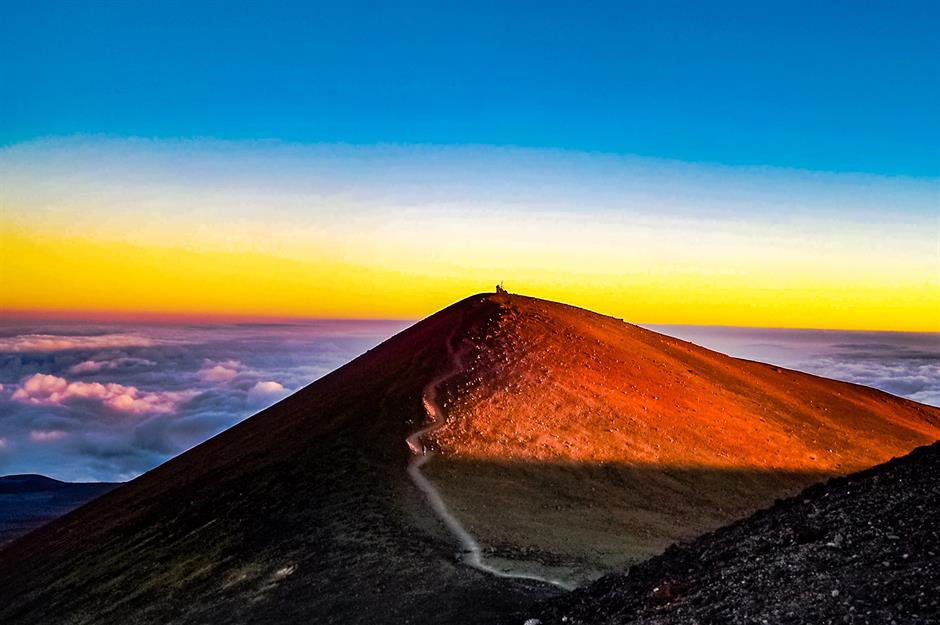
Ask most people to name the world’s tallest mountain, and they’ll say Everest. Rising 29,032 feet above sea level, Nepal’s sky-scraping peak is widely recognized as the highest point on Earth.
But when measured from base to summit, Hawaii’s Mauna Kea takes the crown. This dormant volcano reaches 13,802 feet above sea level, but its base extends deep beneath the Pacific Ocean. From ocean floor to peak, it measures a staggering 33,500 feet – making it the tallest mountain on Earth by sheer height.
Americans eat 350 slices of pizza every second

Americans and pizza is a love story that’s been bubbling for over a century. It all started in 1905 at Lombardi’s in New York City – the country’s first pizzeria – and the obsession has only grown since.
Today, the numbers are staggering. Americans devour around three billion pizzas a year, which works out to roughly 350 slices every second. And when it comes to toppings, pepperoni stands out as the nation's favorite, adorning 67% of pizzas ordered.
New York City is sinking
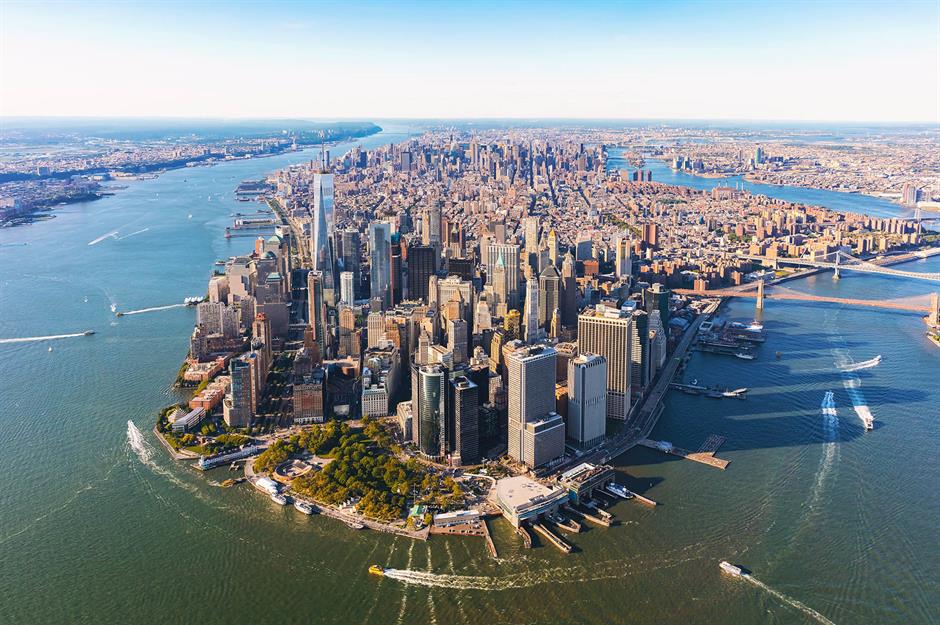
Enjoy the famous NYC skyline while you can, because the city is slowly sinking. With 1.1 million buildings weighing heavily on its foundation, some areas are descending faster than others. Brooklyn and Queens, built on softer soil, are more vulnerable, while Midtown Manhattan’s bedrock base keeps it relatively stable.
Complicating matters, sea levels around NYC are rising three to four times faster than the global average along the Atlantic coast. Combined with stronger storms, this gradual descent raises serious concerns for the city’s future.
Sponsored Content
There’s a one-woman town

America has its fair share of tiny towns, but Monowi, Nebraska, might just be the smallest of them all. Once a thriving farming community, it saw its population dwindle as work opportunities disappeared.
Now, it’s home to just one resident, Elsie Eiler, who has lived here alone since 2004 after the passing of husband Rudy. She wears all the hats: mayor, tax collector, bartender, and librarian at Rudy’s Library, a 5,000-book collection she lovingly maintains in his memory.
The USA is home to the world’s smallest park

America is home to vast green spaces, from natural wonders like Yellowstone to urban escapes such as New York’s Central Park. But Portland’s Mill Ends Park sits at the opposite end of the spectrum.
Officially recognized by Guinness World Records in 1971 as the world’s smallest park, this tiny green space is nestled in the median of SW Naito Parkway. Measuring just two feet across and covering a mere 452 square inches, it has been home to everything from flowers and shrubs to the occasional small tree.
Oregon is home to the largest organism on Earth
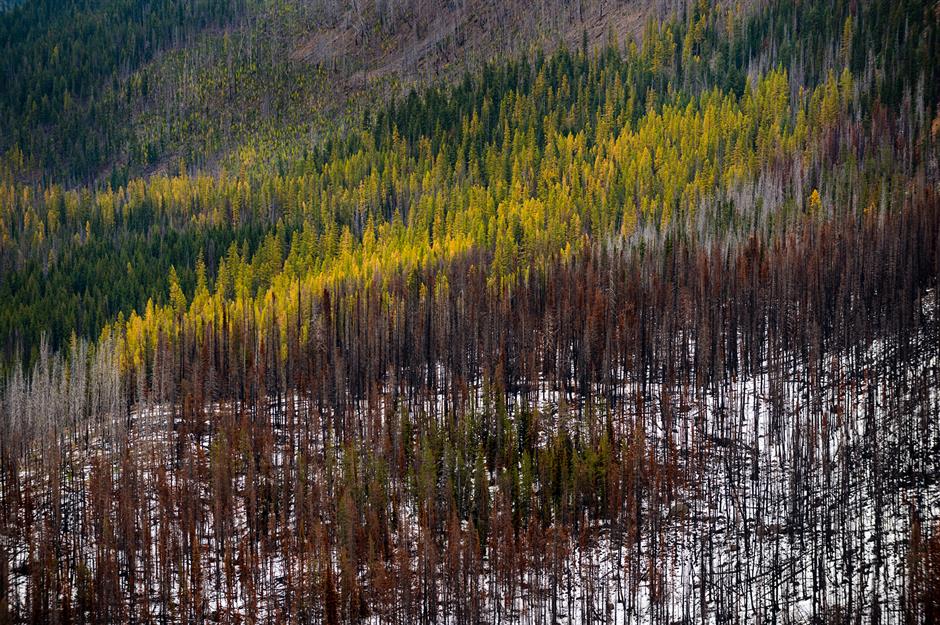
When picturing Earth’s largest organism, a blue whale or sequoia might come to mind – but the real titleholder is a fungus. The Armillaria ostoyae, or honey mushroom, sprawls beneath Oregon’s Malheur National Forest, covering 3.5 square miles.
Estimated to be 2,400 years old, this underground giant spreads through tree roots, occasionally sprouting mushrooms on the forest floor. It remains the largest known organism by area – a hidden marvel of nature.
Sponsored Content
America is home to the world's largest office building

America isn’t just home to larger-than-life landscapes – it boasts some colossal buildings too. Among them is the Pentagon in Virginia, often hailed as the world’s largest office building. Spanning 6.5 million square feet, this five-sided fortress is the nerve center of the US Department of Defense.
But its history is marked by tragedy as well as military strategy. On September 11, 2001 the building was targeted by terrorists who crashed American Airlines Flight 77 into its western façade, claiming 125 lives inside and 59 aboard the plane.
English hasn't always been the official language of the USA
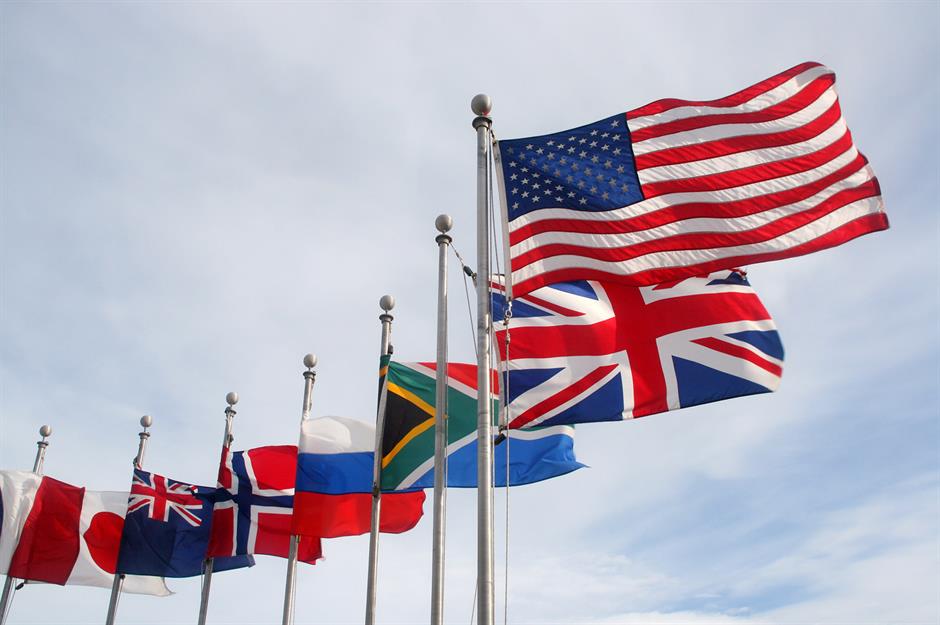
You might assume that English has always been the official language of the USA. However, it wasn't until March 1, 2025 that English was federally designated as the official language through an executive order by President Donald Trump.
Before this, the US had no official language at the federal level. Although English is the most widely used, it's estimated that more than 350 languages are spoken in the country.
More people live in New York City than in many US states
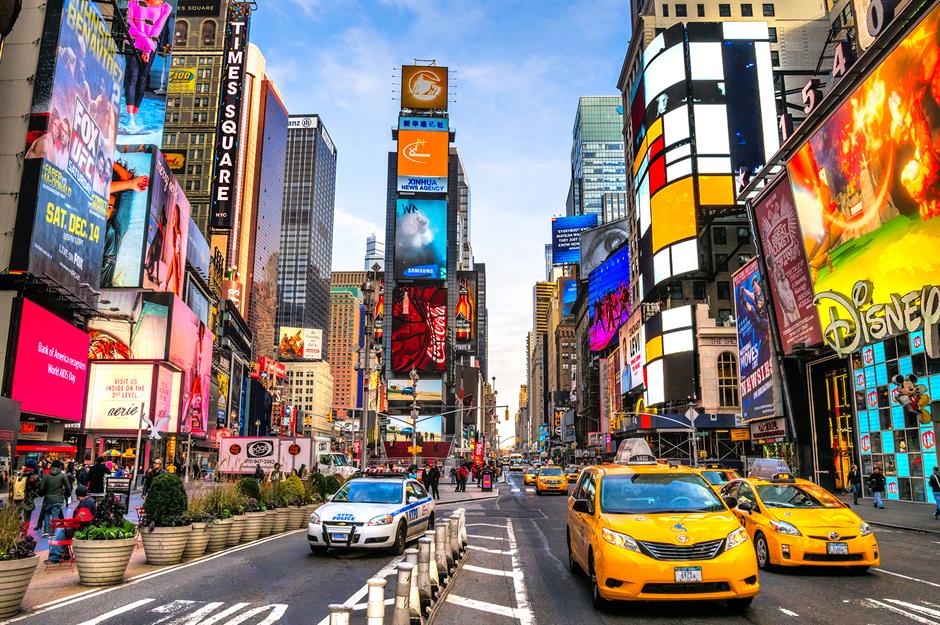
New York City is one of the most populous places on Earth, sprawling across five boroughs and home to more than 8.8 million people. To put its sheer size into perspective, the Big Apple has a larger population than Montana, Utah, and Oregon combined.
Sponsored Content
The US planned to nuke the Moon
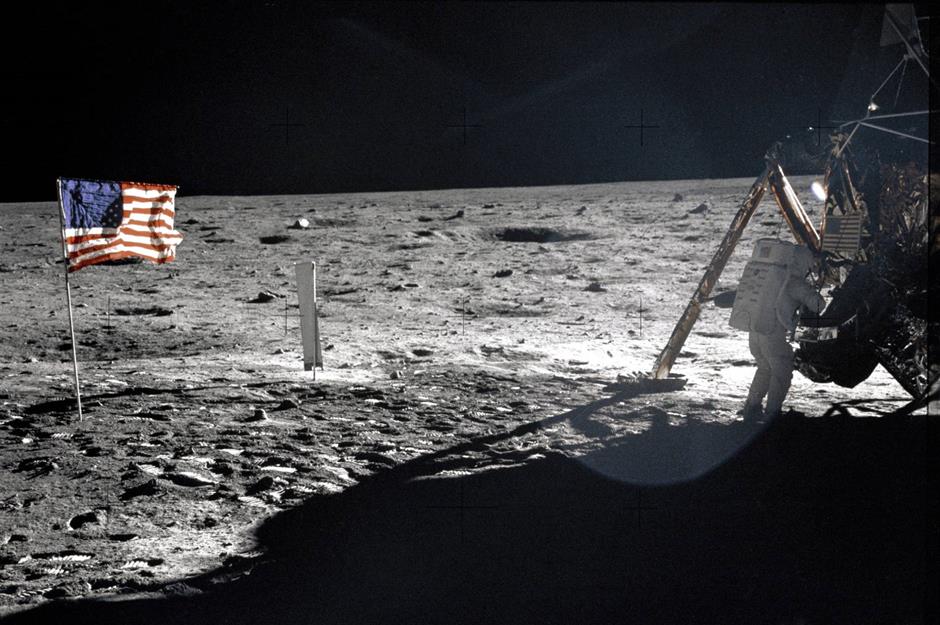
At the height of the Cold War in the 1950s, a top-secret plan was developed by the US to detonate a hydrogen bomb on the Moon. Project A119 came about amid fears that the Soviet Union was creating a more advanced nuclear arsenal.
The plan was partly aimed to be a show of force. It was also designed to counter the Soviet Union's early lead in the Space Race. Thankfully, the plan was canceled after the military concluded the risks would outweigh any benefits.
The USA is almost the size of Europe
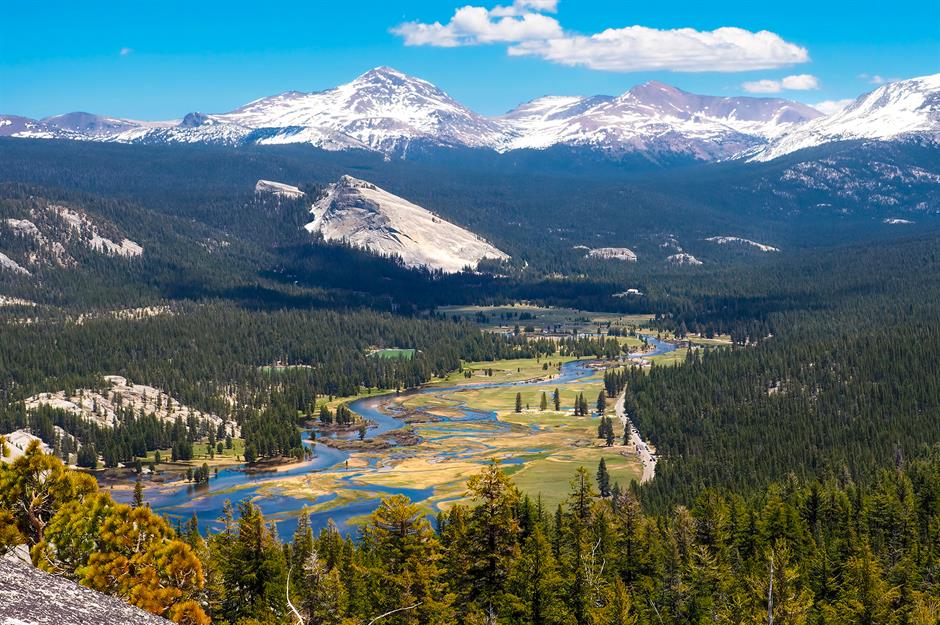
The United States spans approximately 3.8 million square miles, making it nearly as vast as the entire continent of Europe. To put this into perspective, the United Kingdom could fit into the state of Texas almost three times.
The US actually voted for independence on July 2

Americans celebrate Independence Day on July 4, but the real turning point came on July 2, 1776 when Congress voted to declare the colonies 'free and independent states.' This vote, introduced by Richard Henry Lee, marked the first step toward independence.
Two days later, the Declaration of Independence was adopted, formally outlining the colonies’ grievances against Britain. While both dates are crucial, July 4 became the symbol of the nation's break from British rule, lasting in the national consciousness ever since.
Sponsored Content
Cows outnumber people in several states
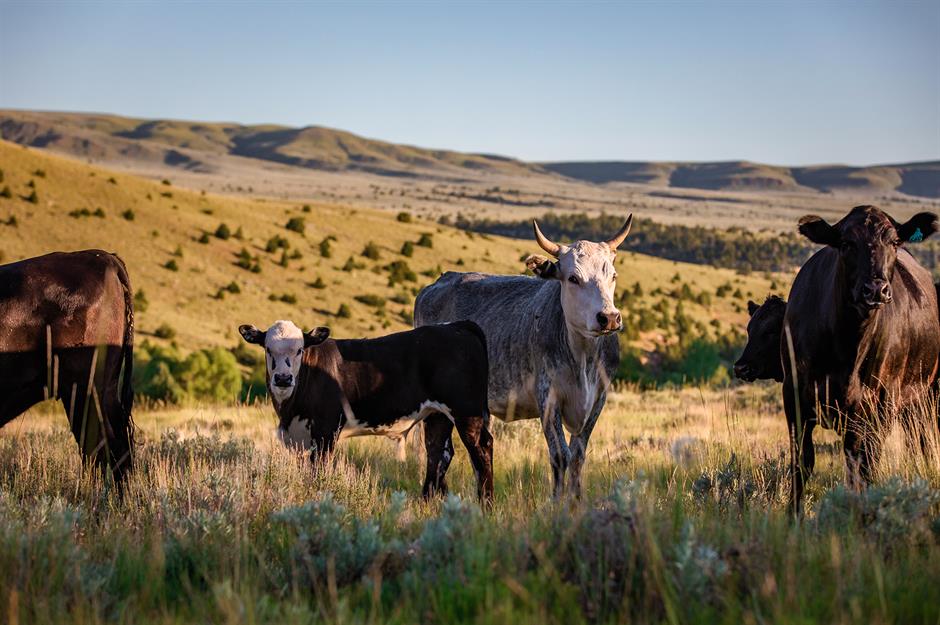
Across the wide-open plains of the American West, cattle are as much a part of the landscape as the endless horizon. States like Montana, Nebraska, and Wyoming are powerhouses of beef production, and in some of them, cattle outnumber the people.
Take Nebraska, for example – home to over six million cattle and just 1.96 million residents. Meanwhile, in Montana, there are 2.16 million cattle roaming the land, easily outnumbering the 1.08 million people who call it home.
The USA has the world’s first and longest boardwalk
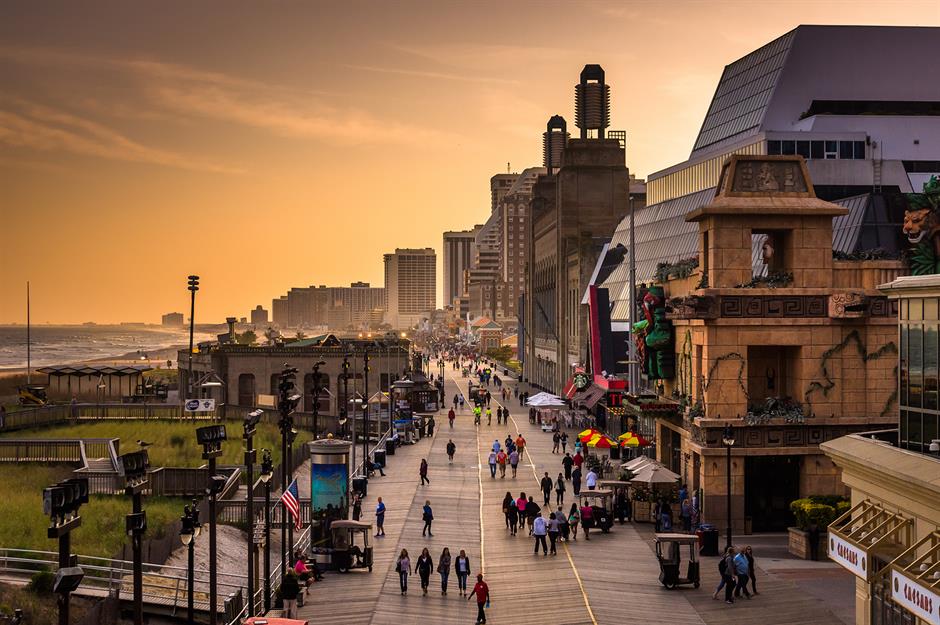
The US is home to plenty of firsts, and Atlantic City’s Boardwalk claims a big one – it was the world’s first beach boardwalk. Built in 1870 as a temporary fix for keeping sand out of hotel lobbies, it started as a narrow, one-mile stretch.
Over time, it expanded to a sprawling five miles, including a section extending into Ventnor City. Now a buzzing hub of restaurants, shops, and casinos, it also holds the title of the world’s longest boardwalk – proof that a quick fix can turn into a legend.
Washington DC hasn’t always been the capital

Packed with world-class museums, historic monuments, and political buildings, Washington DC is the nation's modern capital. But it didn't earn that status until 1800.
In fact, New York City was the initial seat of the US Congress after the Constitution was ratified in 1789, and Philadelphia served a 10-year term while DC was being constructed.
Sponsored Content
The US is home to the world’s longest cave system

Beneath Kentucky's rolling hills lies a hidden wonder: Mammoth Cave, the world's longest known cave system. Explorers have mapped over 426 miles of its intricate passages, but experts believe there could be an additional 600 miles awaiting discovery.
This vast subterranean labyrinth showcases a mesmerizing array of geological formations, from towering stalagmites to delicate gypsum flowers. Visitors can traverse its winding corridors, marveling at chambers that have silently evolved over millions of years.
America shares the world’s longest land border

The USA and Canada share the world’s longest international land border, stretching 5,525 miles. Along this vast divide, natural wonders abound, including the legendary Niagara Falls, which cascades across both countries in a breathtaking display of raw power.
On the US side, Voyageurs National Park in Minnesota is one of the best places in the country to catch a glimpse of the Northern Lights, painting the night sky in waves of green and purple during peak seasons.
America is one of the world’s agricultural hubs
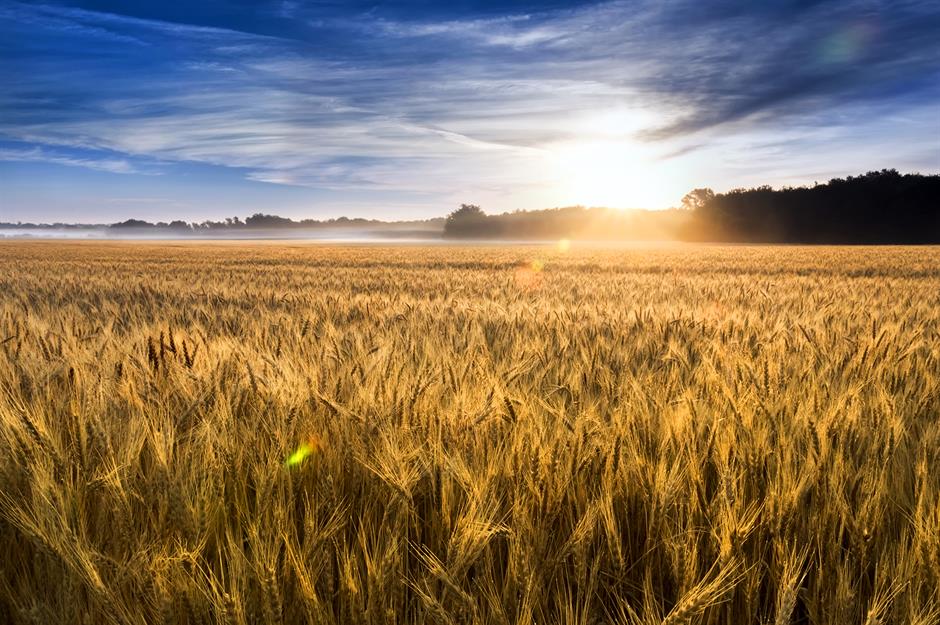
With so much land, it's not surprising that the USA is a farming powerhouse. Each year, Kansas alone produces enough wheat to bake 36 billion loaves of bread – enough to feed the world’s population for about two weeks.
Meanwhile, the country’s central Corn Belt accounts for roughly a third of the world’s corn production, with the Midwest leading the charge.
Sponsored Content
The USA’s most famous attraction was a gift from France
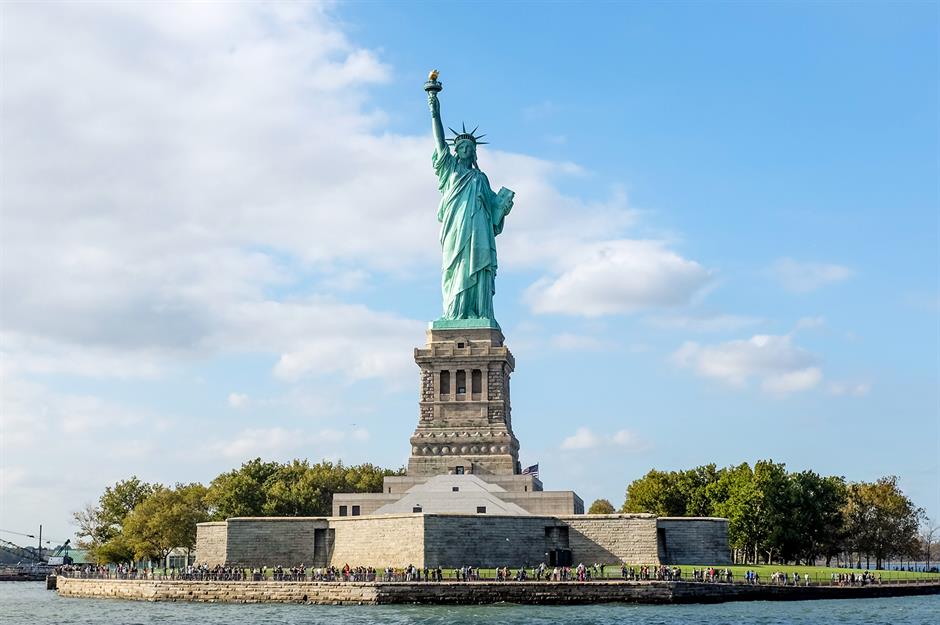
New York City's Statue of Liberty is the most American of American landmarks. But did you know that Lady Liberty was actually a gift from France?
The country gave the statue to the American people as part of a centenary celebration of their independence and as a symbol of friendship between the two countries.
You can get a unicorn hunting license

Yes, you read that right. Since 1971, Lake Superior State University in Michigan has issued Unicorn Hunting Licenses, later renamed Unicorn Questing Licenses to keep the mythical creatures 'safe.'
A playful publicity stunt turned tradition, the free licenses – issued by LSSU’s Department of Natural Unicorns – invite questers to share their adventures.
The USA has all five of the Earth’s major climate zones
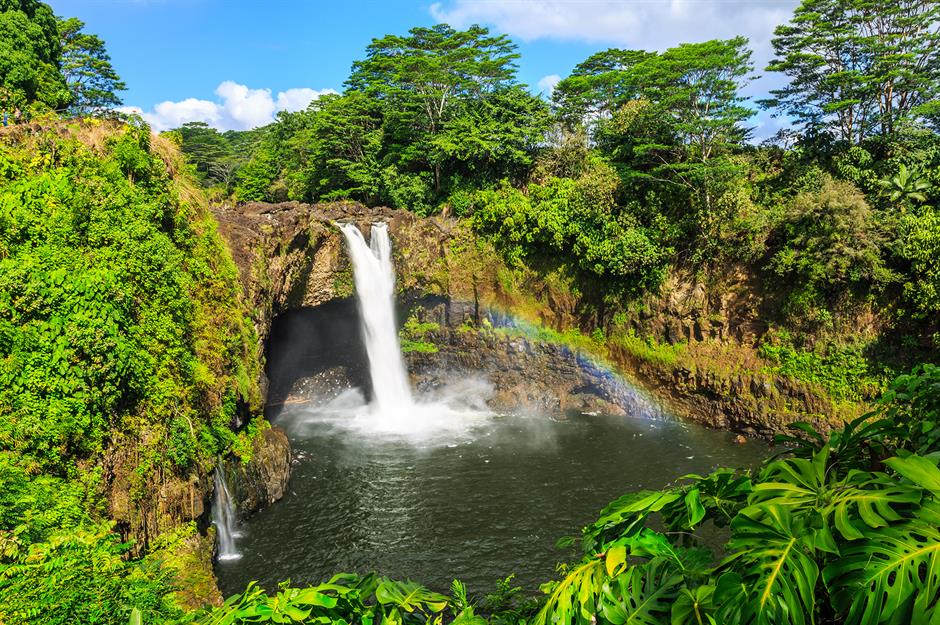
The USA’s incredible biodiversity is thanks, in part, to its unique claim to all five of the Earth’s major climate zones: dry, temperate, continental, tropical, and polar.
From the sunbaked plains of Death Valley to the icy wilderness of Denali National Park, the contrasts are striking. Add in the lush tropics of Hawaii (pictured), and you have a landscape as diverse as the wildlife that calls it home.
Sponsored Content
Many musical genres originated in the USA

America is a powerhouse of musical heritage, shaping some of the world’s most influential genres. Country, soul, jazz, blues, hip-hop, and rock ‘n’ roll – all rooted in African and European traditions – took shape and flourished in the USA.
Today, iconic venues from New Orleans to Austin keep these homegrown sounds alive, making the country one of the ultimate destinations for music lovers.
The American bison is the USA’s national mammal
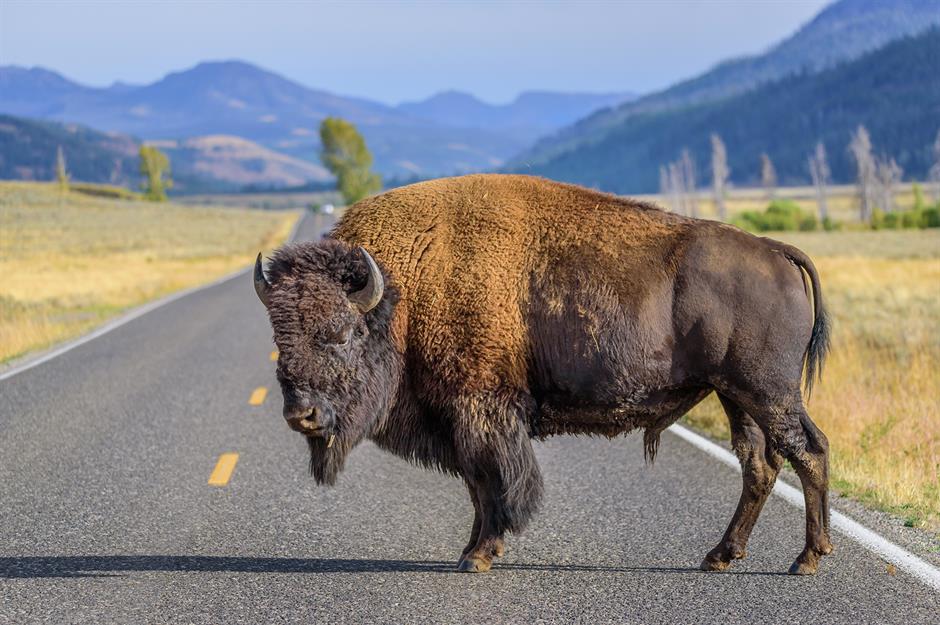
Once hunted to the brink of extinction, the American bison has made a stunning comeback. Today, an estimated 31,000 wild bison roam protected areas across North America, from North Dakota’s Theodore Roosevelt National Park to Utah’s Antelope Island.
These herds are a testament to one of the greatest conservation success stories in US history, and in 2016, the bison was officially named the national mammal of the United States, cementing its status as an enduring symbol of resilience.
The 'Christmas Tree Capital of the World' is in Pennsylvania
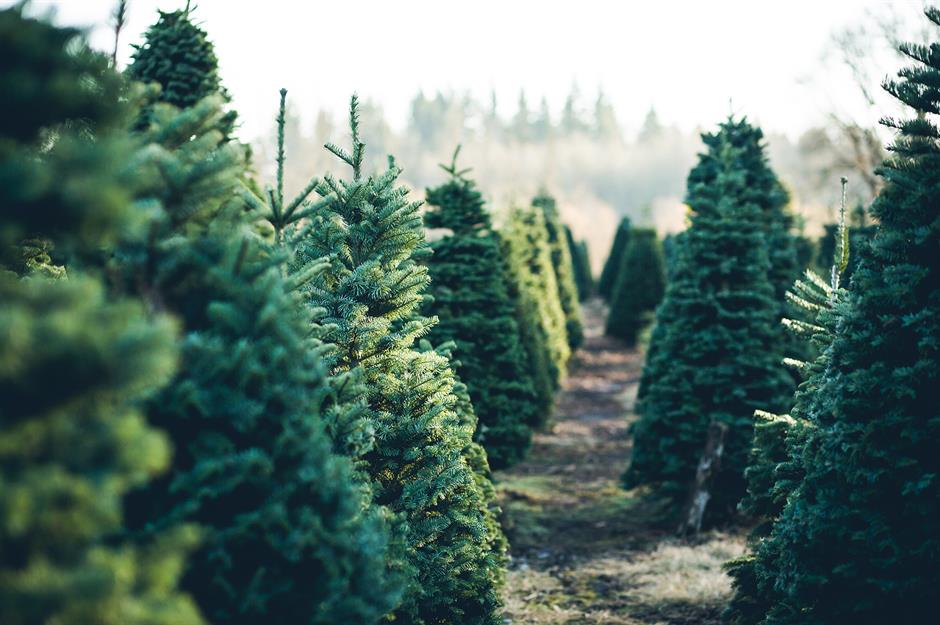
While Santa Claus is traditionally associated with Lapland, the title of 'Christmas Tree Capital of the World' belongs to Indiana County in southwestern Pennsylvania. This designation dates to 1956, when the county harvested an estimated 700,000 Christmas trees, leading the Associated Press to bestow the title.
Sponsored Content
One landmark has enough concrete to build a highway across the States
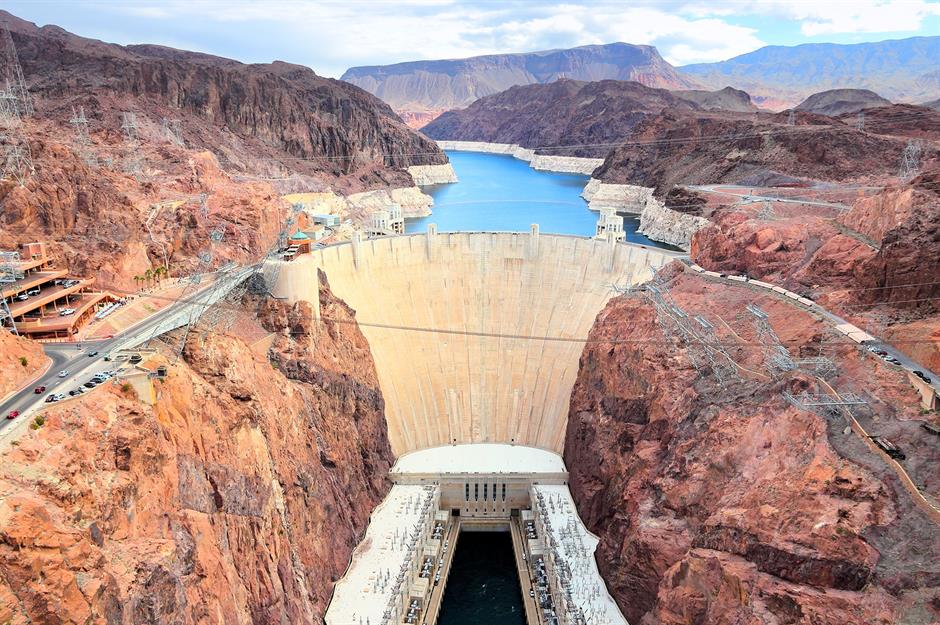
The Hoover Dam is one of America’s greatest engineering achievements. Built during the Great Depression, it created Lake Mead, the country’s largest reservoir, and led to the founding of Boulder City for its workers.
Standing 726 feet tall and 1,244 feet long, it also contains enough concrete to build a 16-foot wide highway from San Francisco to New York City.
The Empire State Building has its own zip code
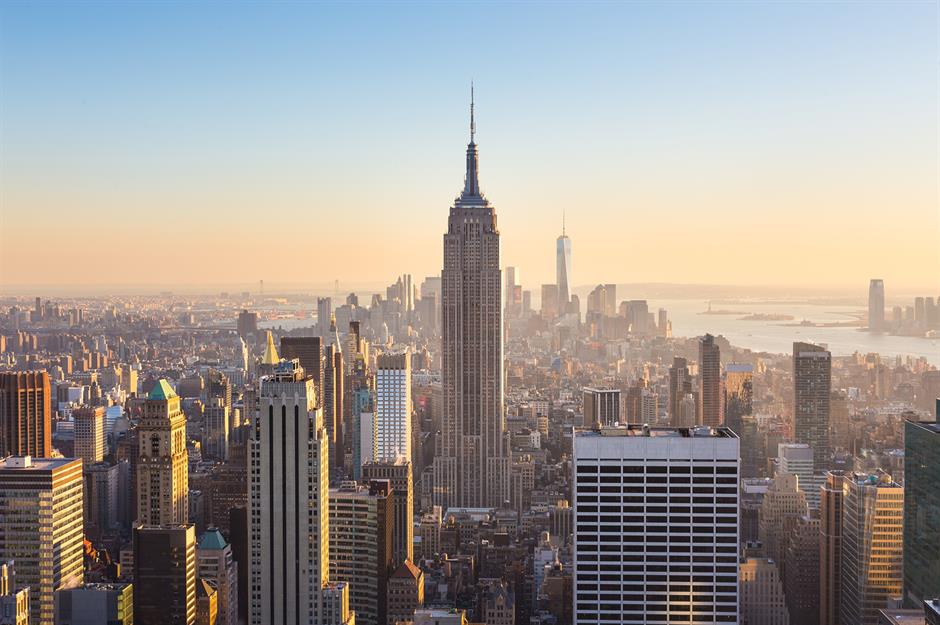
The mighty Empire State Building dominates the New York City skyline. The Art Deco icon was finished in 1931 and soars to an eye-watering 1,454 feet – upon completion, it was the tallest building in the world.
Such is its scale and importance that today the landmark has its very own zip code. It's 10118, in case you were wondering.
The Library of Congress has 800 miles of bookshelves

The Library of Congress is a paradise for bibliophiles, boasting an astounding 178 million items in its collection. If its shelves were laid end to end, they would stretch approximately 800 miles – a testament to the vastness of its archives.
Beyond its extensive array of books, the library houses a diverse collection that includes photographs, journals, maps, and sound recordings.
Sponsored Content
The shortest serving US president lasted 31 days
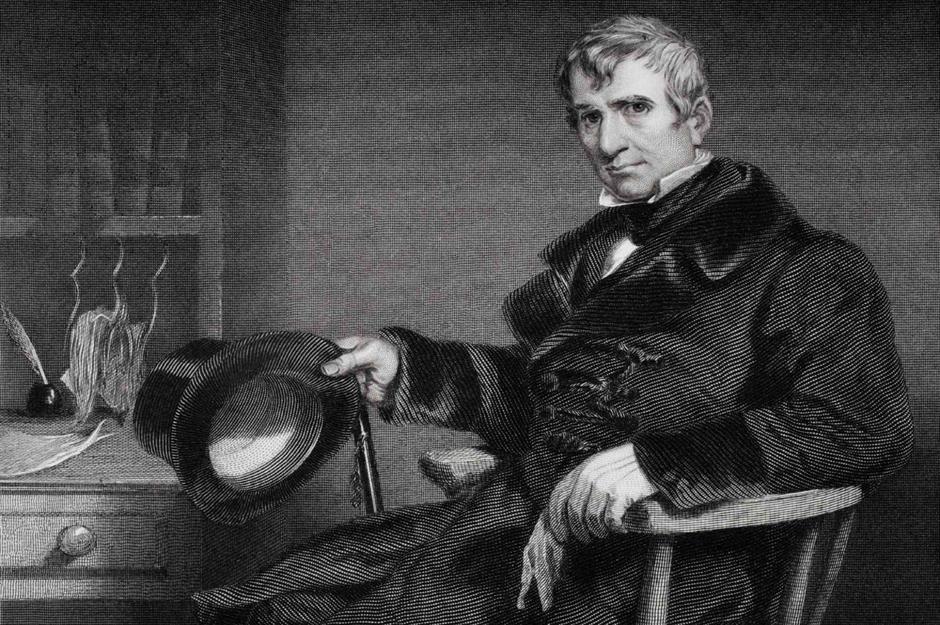
The ninth US president served a tragically brief term, from March 4 through April 4, 1841. William Henry Harrison contracted pneumonia during his two-hour inaugural address and perished 31 days later – making him the first president to die in office.
The longest serving president – to date – was Franklin D. Roosevelt. The 32nd president served from 1933 until his death in 1945, which came a few months into his fourth term. This led to the 22nd Amendment, which sets term limits for the presidency.
Americans eat 20 billion hot dogs a year
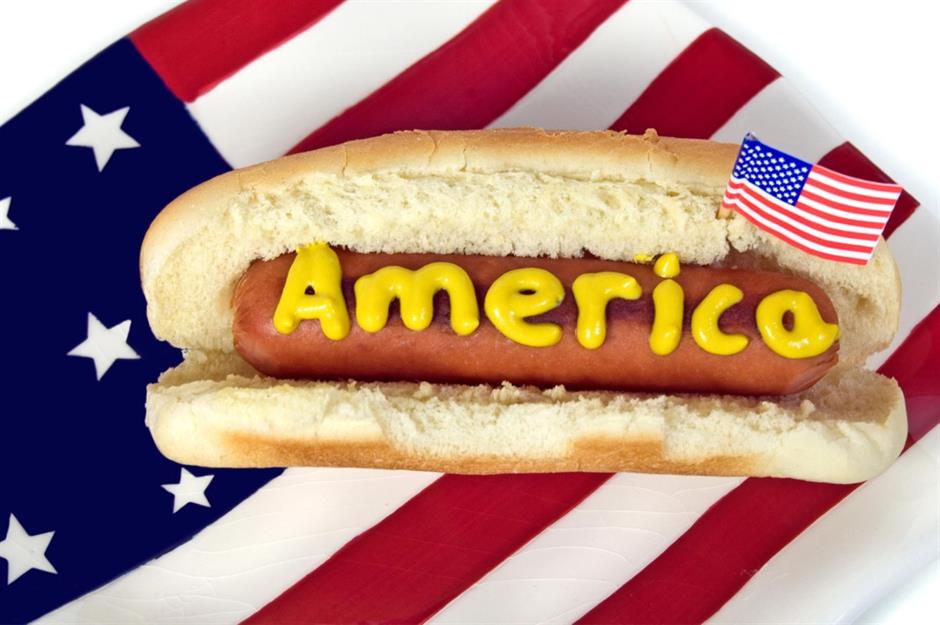
That works out to around 70 hot dogs per person, according to the National Hot Dog and Sausage Council. Not surprisingly, most of the 20 billion hot dogs consumed each year are eaten over the summer.
The origins of the hot dog are disputed. One theory is that it was invented by a Brit, Harry M. Stevens, an immigrant to the States who saw an opportunity to sell hot sausages at sporting events by making them convenient to hold.
The US flag was designed by a high school student
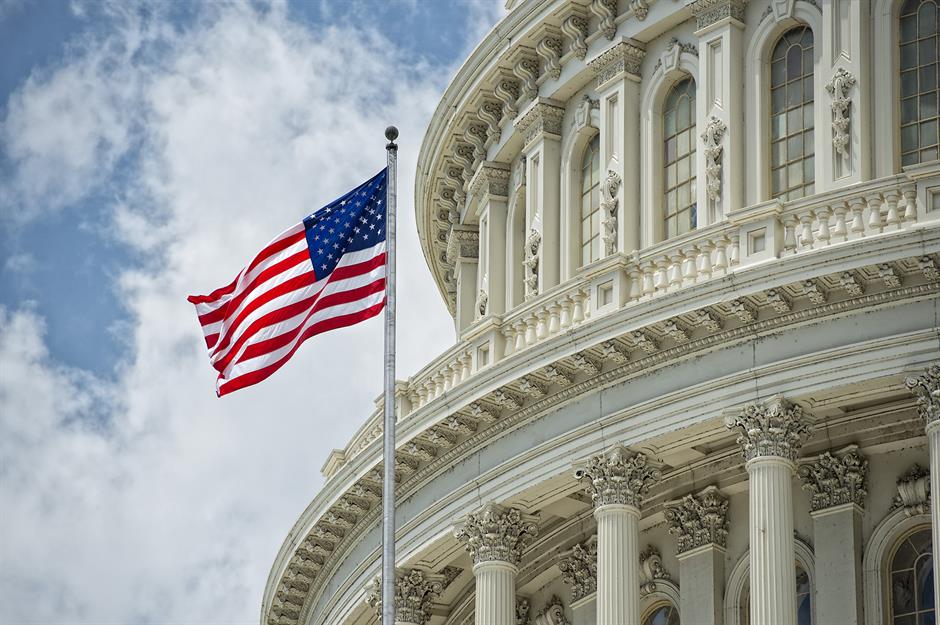
The US flag has had several redesigns, but the one we know today was created by none other than a 17-year-old high school student. In 1958, Bob Heft from Ohio designed a 50-star flag for a history project, earning a 'B' from his teacher.
Heft sent his design to his congressman, Walter Moeller, who helped get it submitted for a national redesign competition. The design won, and in 1960, President Eisenhower officially adopted it – turning a high school project into a national symbol.
Sponsored Content
Navajo Nation is the largest Indigenous tribe in the USA
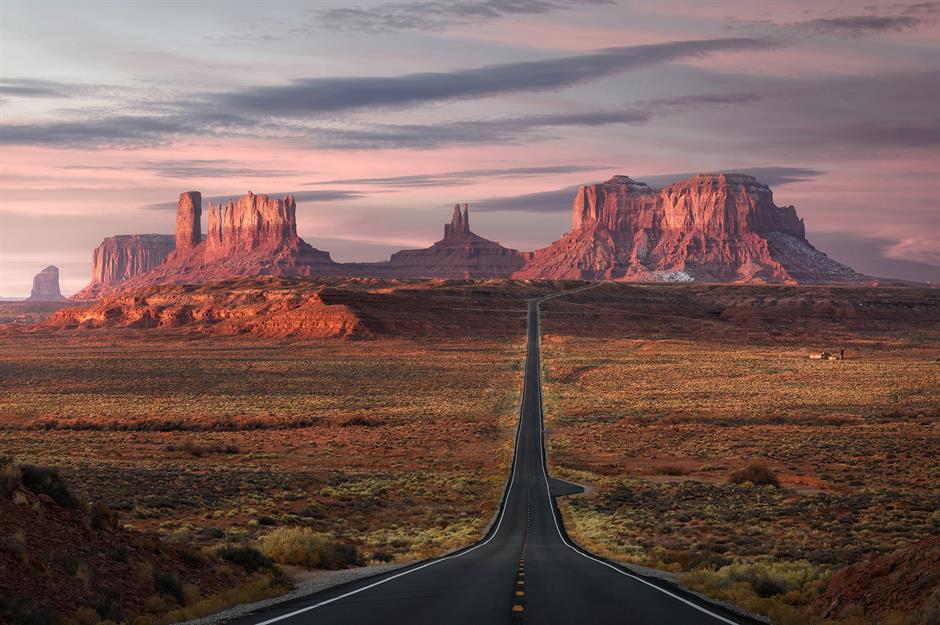
There are some 574 federally recognized tribes in the US, each with distinct cultures and ancestral homelands. Among these, the Navajo Nation is the largest, encompassing over 27,000 square miles across Arizona, New Mexico, and Utah – an area surpassing the size of West Virginia.
The Navajo Nation operates its own judicial system and law enforcement agencies, reflecting its sovereignty and self-governance.
Now discover some incredible places to celebrate Native American heritage