Fantastic facts you probably didn't know about Florida
Test your Sunshine State trivia
Florida is synonymous with fun, thanks to its renowned theme parks, serene beaches, and diverse wildlife. Those who haven’t visited the state likely know that it’s a popular place for retirees to soak up some sun, that it exports citrus fruits, and that it’s full of alligators. But did you know that crocodiles, Mister Rogers, and even the Berlin Wall all have a home here too?
Scroll through the gallery to uncover fascinating facts that even the Florida locals don't know about...
The state has a flowery name
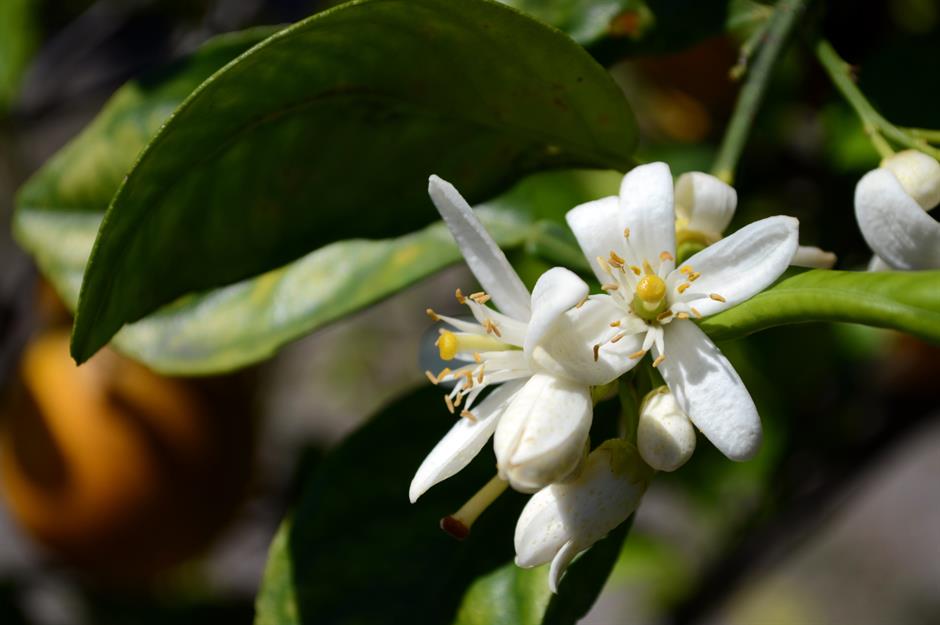
Named by Juan Ponce de León (a Spanish colonizer), Florida comes from the term "La Florida," which means "Land of Flowers." The state's pretty name paid homage to its verdant landscape – and the fact spring was in full bloom when León arrived in 1513.
Florida's bouquet of floral aromas is varied and vast, but one flower reigns over them all: orange blossom. The state produces 50% of the total orange harvest in the US, so it seems only fitting that its sweet-scented blossom was named the official state flower in 1909.
There’s a piece of the Berlin Wall at Universal CityWalk
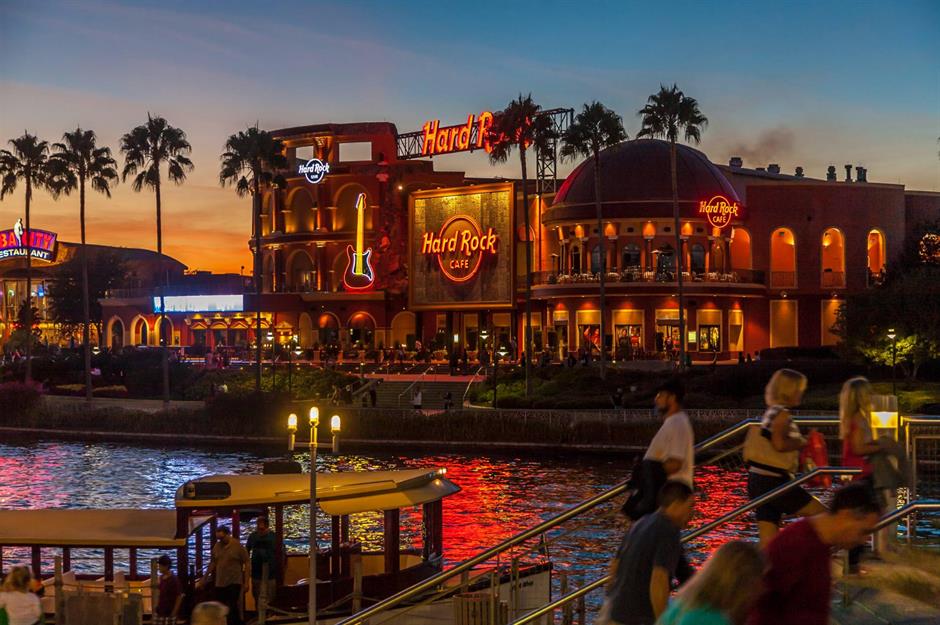
Spider-Man and Harry Potter are the big-ticket names at Universal Orlando Resort, but something equally prolific hides in plain sight. A section of the Berlin Wall is displayed behind the Colosseum-shaped Hard Rock Cafe at Universal CityWalk.
Follow a walking path behind the building and you’ll come face to face with some of its original graffiti. The best part? You don’t even need to pay for a theme park admission ticket, as the Hard Rock Cafe is outside a ticketed area.
Sponsored Content
Florida has both crocodiles and alligators
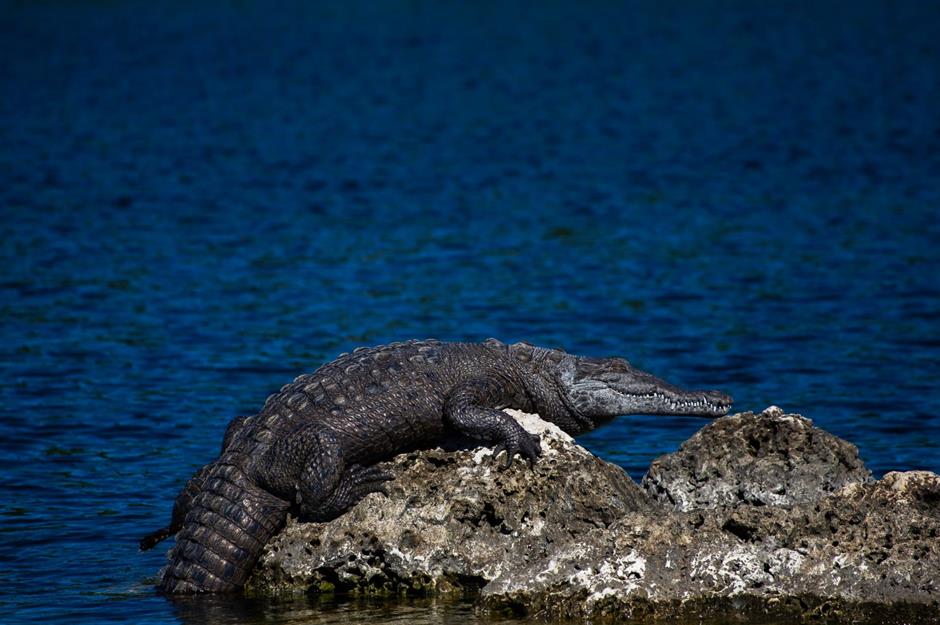
Far rarer than the state's gators, the American crocodile is Indigenous to the region, but is found only in coastal, brackish waters. South Florida is the only place in the country where visitors can see American crocodiles in the wild.
If you spot one that looks a little larger than the average American croc, your eyes might not be deceiving you; there have been invasive Nile crocodile sightings in these waters too.
It can, and has, snowed in Florida
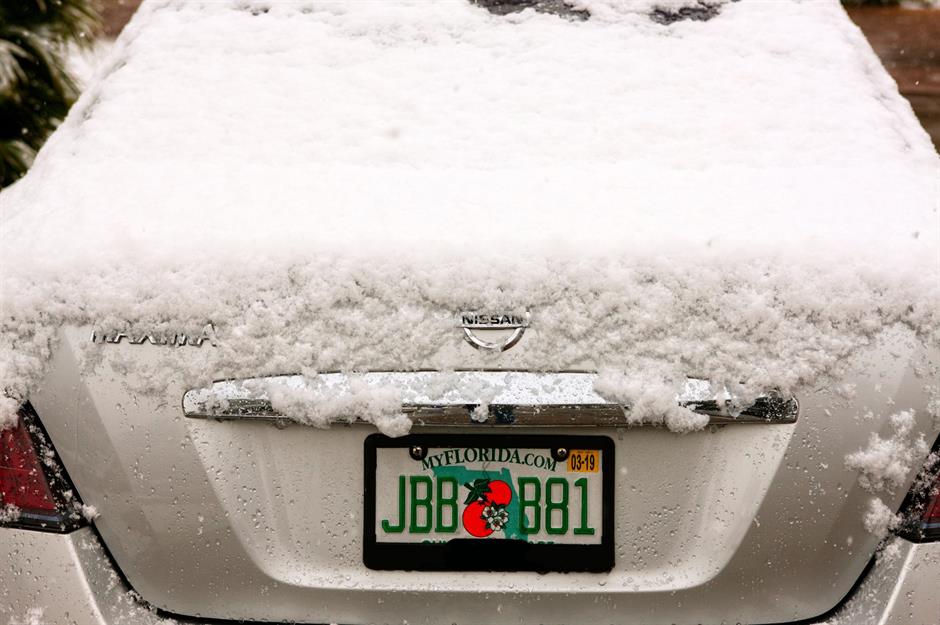
Don’t be fooled by the nickname; the Sunshine State does indeed have other seasons besides summer. The city of Tallahassee received snow flurries most recently in January 2022, when snow came down less than 24 hours after temperatures sat above a balmy 70°F.
There were also records of snow in Central Florida in 1977, when cities such as Orlando, Lakeland, and Plant City received two inches of the white stuff. In January 2025, the Panhandle was hit by a historic snowstorm that brought record-breaking snowfall to many areas, including Pensacola and Milton. Astonishingly, 10 inches of snow was recorded.
Reptiles fall from the sky (sometimes)
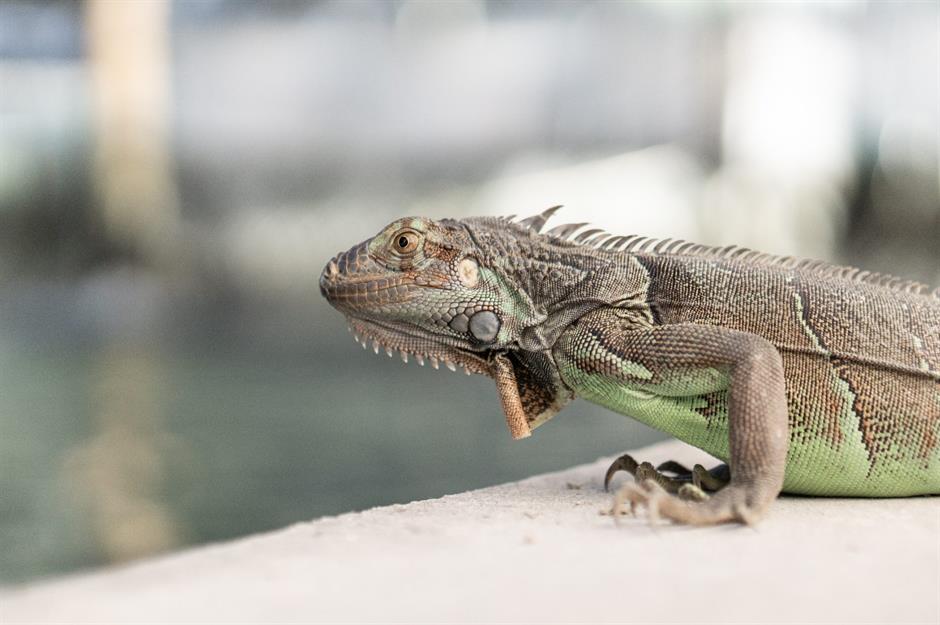
There’s legitimately a "falling iguana alert" weather warning in Florida. On the rare occasions when the thermometer dips below freezing, local iguanas experience a body shock that sends them into a coma-like state, causing them to suddenly fall from their place in the trees.
Most thaw and remain unscathed despite looking deceased, but some kindly locals take in these chilly creatures until the weather warms.
Sponsored Content
There's an underwater statue of Jesus
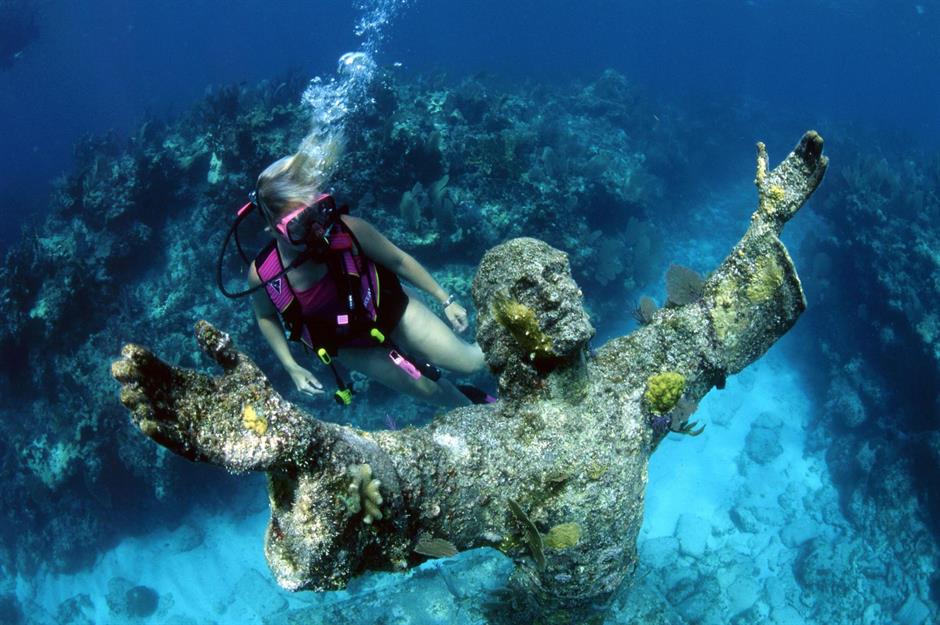
Snorkelers and scuba divers are in for a treat when delving into the waters of the Key Largo: they'll encounter the striking Christ of the Deep. Also known as Christ of the Abyss, this artistic attraction is a heavy bronze statue submerged in John Pennekamp Coral Reef State Park.
Sculpted in 1962, it's actually the third cast of the original by Guido Galletti. You can find the other copies in the harbor of Grenada's capital St. George and the waters off the Italian Riviera.
Key Largo also has the only underwater hotel in the US
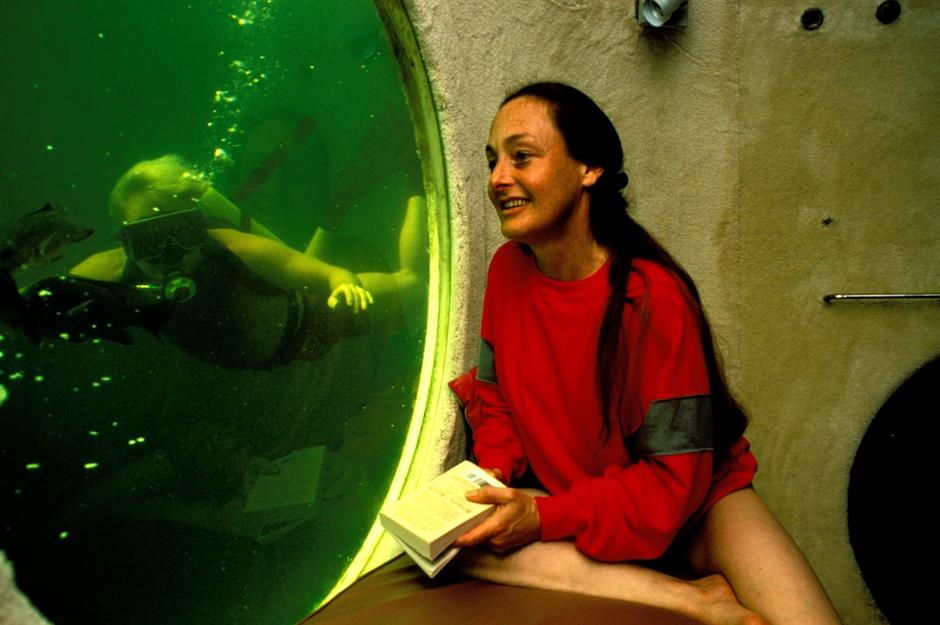
Christ of the Deep isn’t the only thing you’ll find beneath the surface of Key Largo. Amongst the fish and coral reefs is the nation’s only underwater hotel: Jules' Undersea Lodge.
Up to four guests at a time can stay in this underwater abode, where free WiFi allows you to surf the net and water, soda, and snacks come already stocked, so you don't have to swim up to the store. A pizza dinner is even delivered by scuba diver.
Sarasota has an Amish and Mennonite community
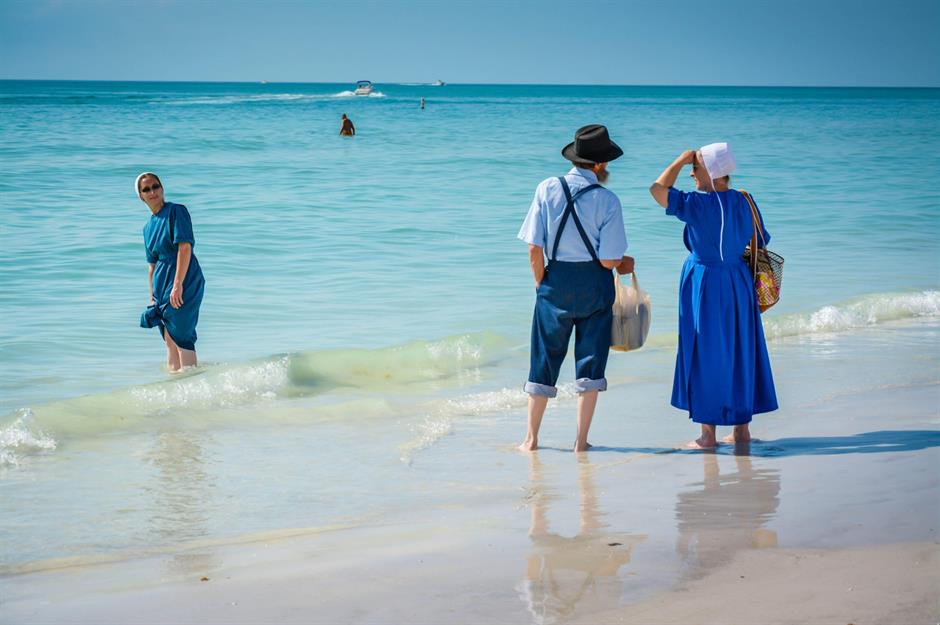
Sarasota's Pinecraft neighborhood is home to small Amish and Mennonite communities, who desire a seasonal break from cold temperatures in the northern US. While some snowbirds only spend the winters here, others stay year-round to share their culture with locals.
A hearty meal at Yoder’s Amish Village or Der Dutchman restaurants is a must.
Sponsored Content
Jacksonville has the largest urban park system in the US
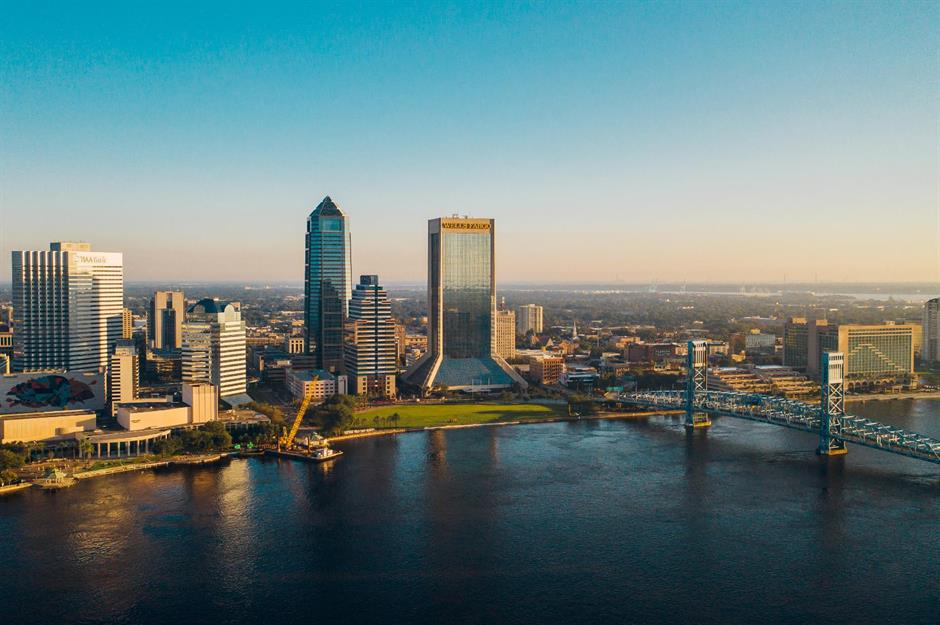
Come to Florida for the beaches, but stay in Jacksonville for the immense green spaces. This city in northern Florida boasts more than 80,000 acres of greenery, creating the largest urban park system in the country.
Ranging from 400 city parks, gardens, and arboretums to seven state parks plus three national parks, there are miles upon miles of wetlands, woods, marshes, and more to explore.
There’s a town called Christmas
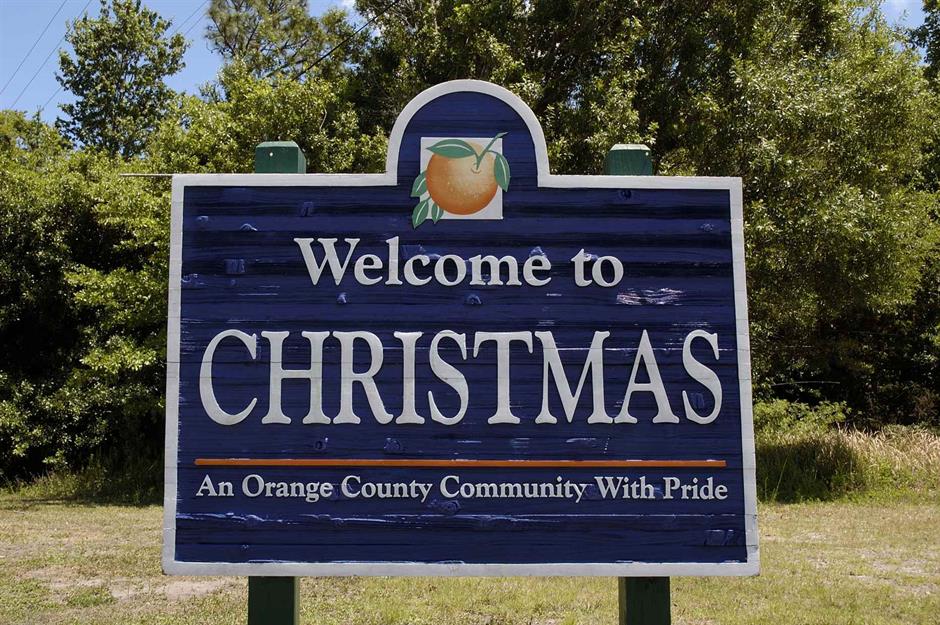
The small town of Christmas (named after a nearby fort that began construction on Christmas Day, 1837) sits along State Road 50. Its post office draws in crowds for one reason: the coveted Christmas postal stamp.
They also have a special mailbox to send letters to Santa Claus, and those on the nice list might even get a reply – especially if you put a return address on your letter!
Miami has the first ATM developed for roller skaters
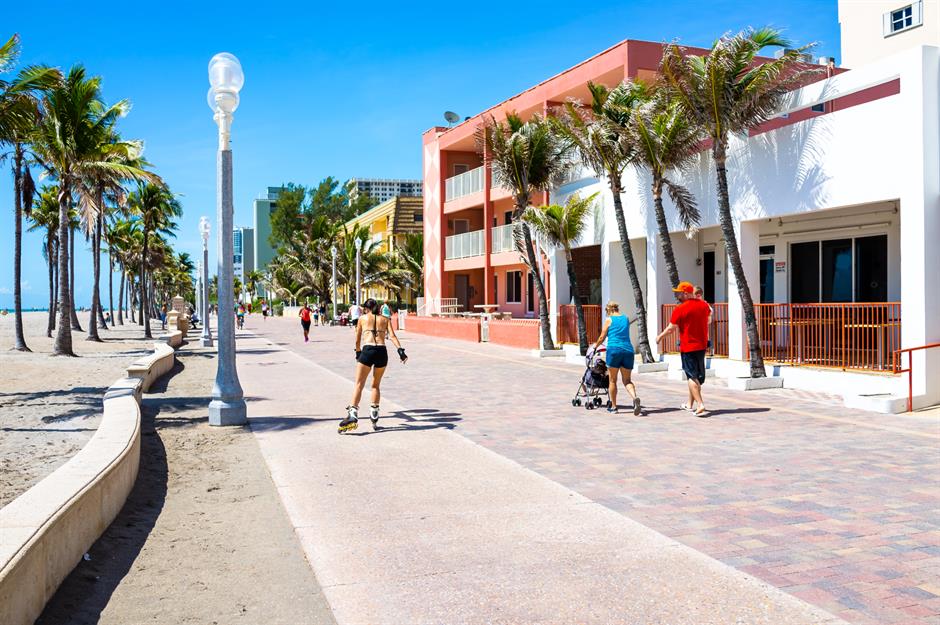
The original ATM dispensed its first bill of cash in London circa 1967, but leave it to Miami to write its own ATM history with a bit of Floridian flair. In the mid-1990s, Miami Beach’s Citibank had a unique problem to solve: how to provide increasing numbers of in-line skaters with ATM access, when they couldn't get up the bank steps and into the branch.
They built a ramp-accessible outdoor ATM so rollerbladers could cruise away with cash without skating into the bank.
Sponsored Content
Florida has its own BigFoot called the Florida Skunk Ape
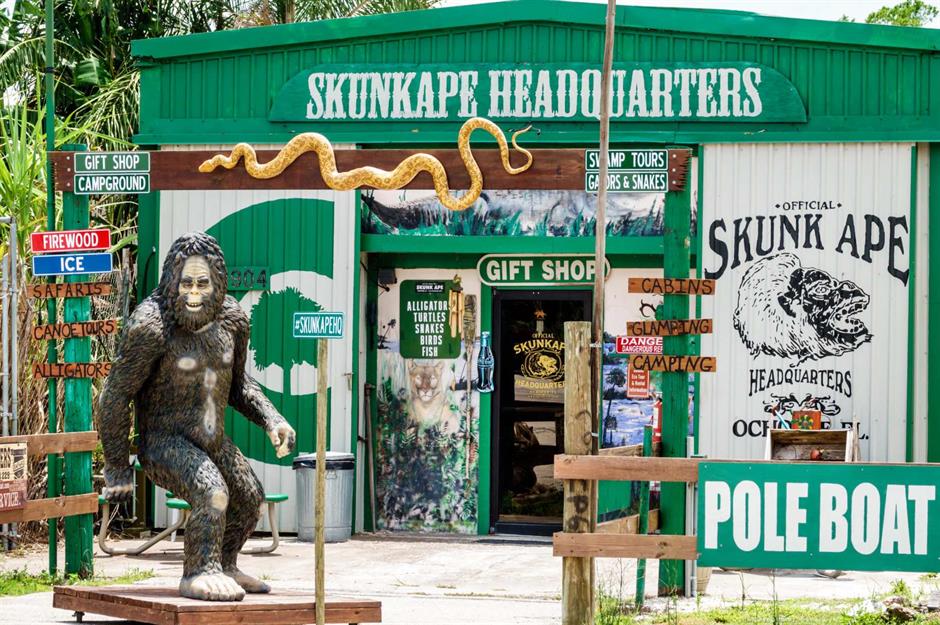
Florida is no stranger to invasive species, but the so-called Skunk Ape is strange even by state standards. This Swamp Sasquatch is an elusive creature, spotted in land that's now part of the Big Cypress National Preserve, 50 years ago by a man named Dave Shealy.
Shealy has been hunting for the beast ever since, opening up the official Skunk Ape Research Headquarters near Naples. Aside from teaching you all about Florida's bigfoot, Shealy runs swamp tours and hosts live animal exhibits, including a 24-foot python.
Mister Rogers once called Winter Park his neighborhood
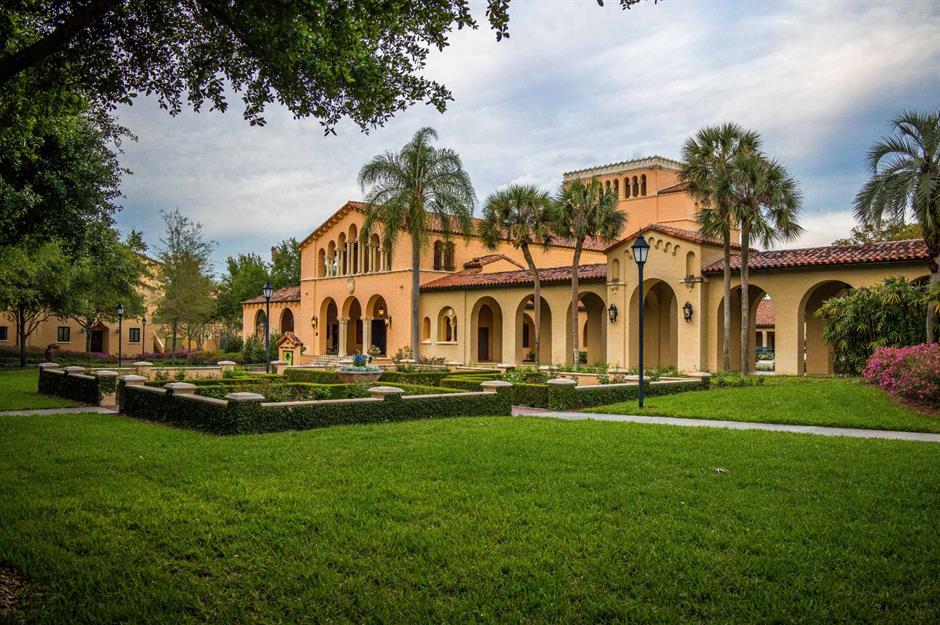
Before he invited generations of pre-schoolers to explore the "Neighborhood of Make-Believe," Mister Fred Rogers spent his college years in Central Florida. The Pennsylvania-born TV presenter attended Rollins College in Winter Park, where he majored in music composition.
He met his wife Joanne there, and after graduation, revisited the area frequently. Visitors can spot the "It’s a beautiful day in this neighborhood" sign near his former home, reminding them of Mister Rogers' comforting motto.
St Augustine is the oldest city in the US
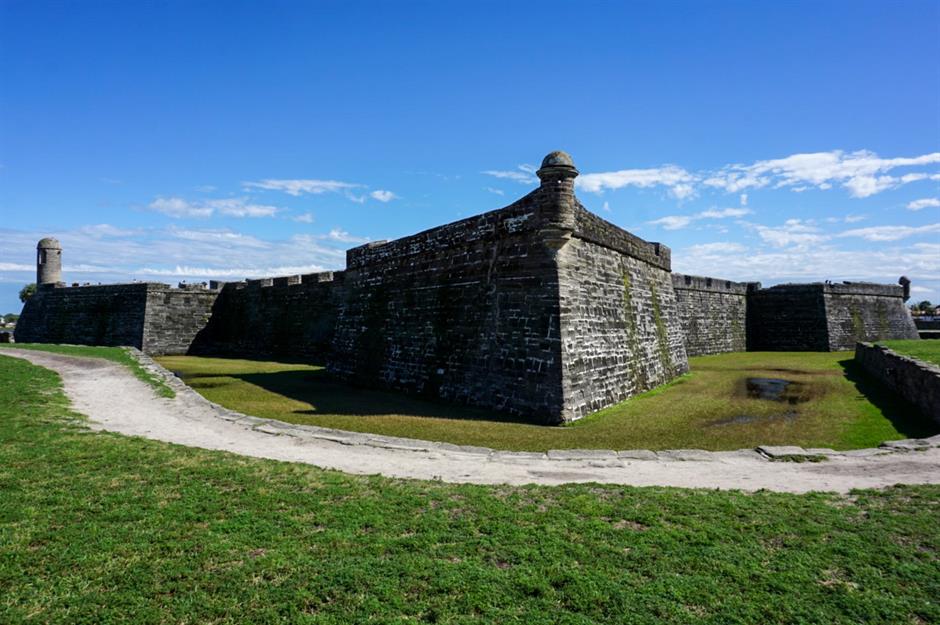
A whole half-century before the pilgrims arrived at Plymouth Harbor, Spanish colonists led by Don Pedro Menéndez de Avilés landed on Florida’s shores in 1565, and named their new settlement St. Augustine. Although French Huguenots (Protestants) had already established a fledgling presence in the area the year before, this Spanish fort and colony continued to grow.
It’s now known as the oldest continuously occupied place of European (and African American) origin in the country.
Sponsored Content
There once was a Disney airstrip that "sang"
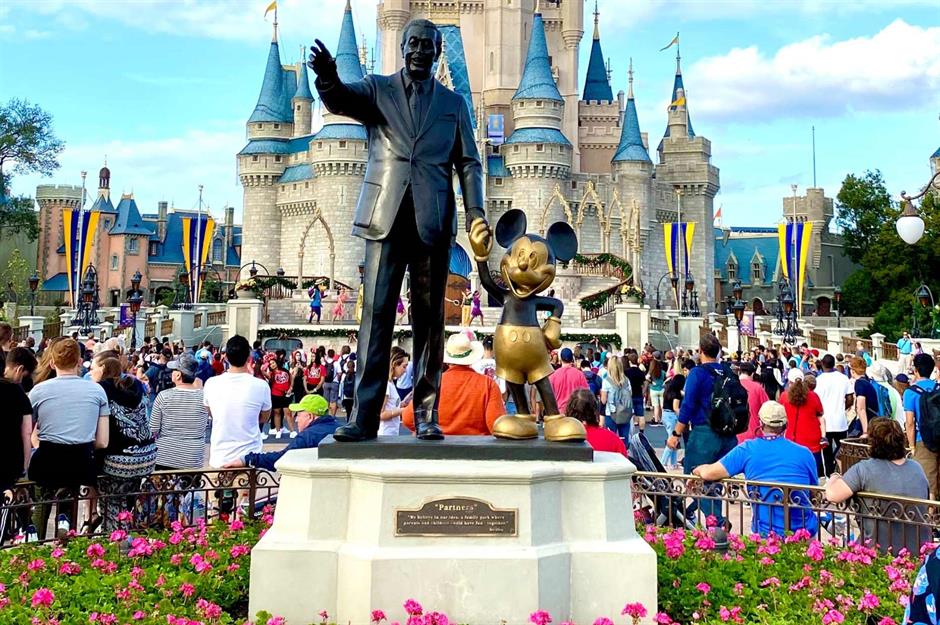
Imagine flying into Florida for your family vacation and hearing music the minute your plane touches down. The Singing Runway was built in the 1970s for the planned Walt Disney World Airport, which would have provided connecting flights to Florida's large international airports.
The runway grooves were designed to mimic the When You Wish Upon A Star song when traveled over at approximately 50 miles per hour. Unfortunately, extensions to the monorail blocked take-off and landing paths and ultimately shuttered the airport.
Florida has more golf courses than any other state
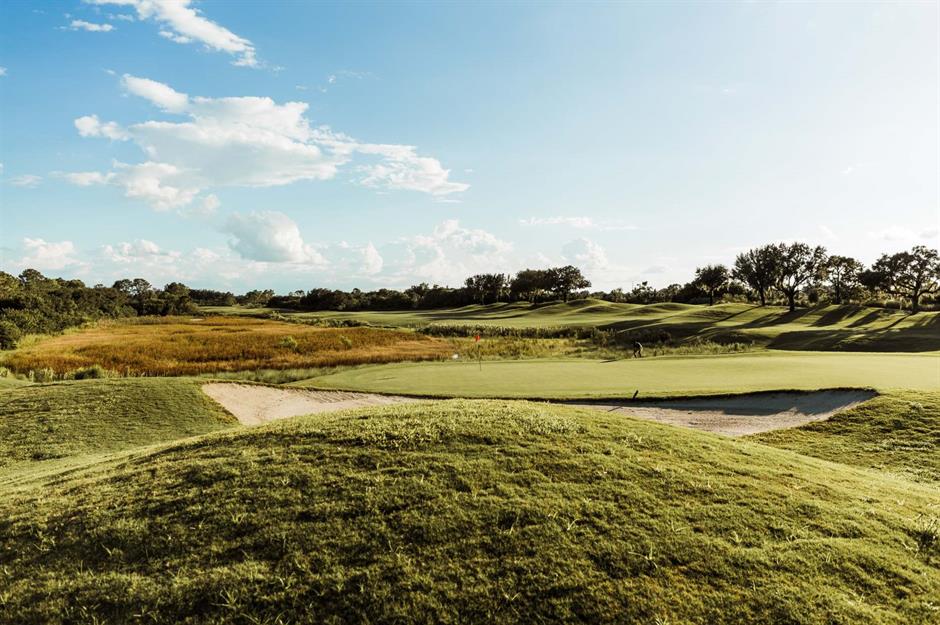
There’s a reason the World Golf Hall of Fame is situated in the Sunshine State – Florida has over 1,250 golf courses within its boundaries. The PGA Players Championship also calls Florida home, taking place annually at the 36-hole TPC Sawgrass course.
Lakeland has the largest collection of Frank Lloyd Wright buildings
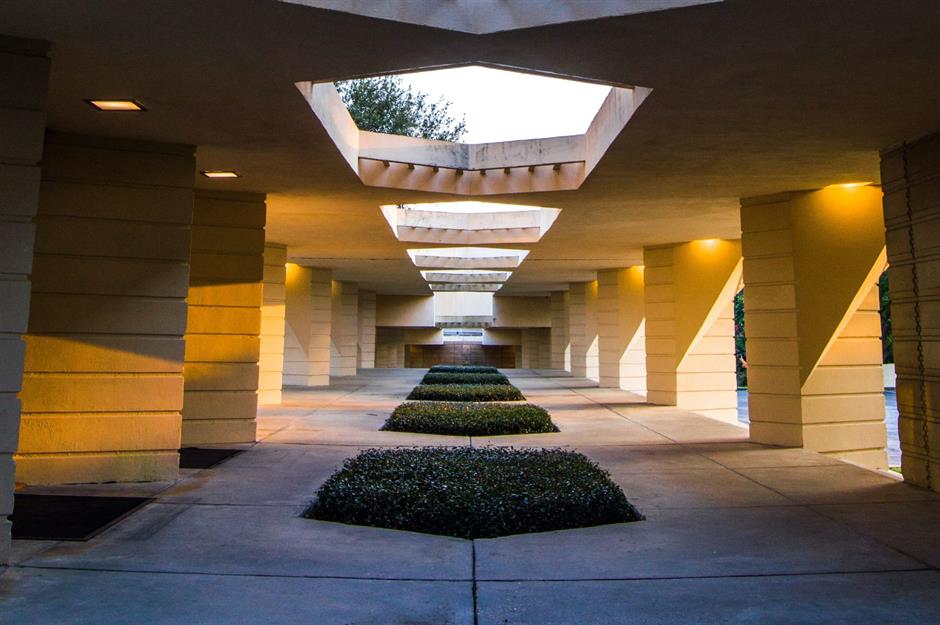
You can find the largest single-site collection of Frank Lloyd Wright architecture in the world on the grounds of Florida Southern College. The entire campus is a National Historic Landmark and features 13 buildings designed by the innovative architect over a 20-year period.
Guided tours of the Usonian House plus self-guided walking tours of the campus are available daily for aspiring architects and those who admire Wright's "organic architecture" style.
Sponsored Content
Central Florida has The Psychic Capital of the World
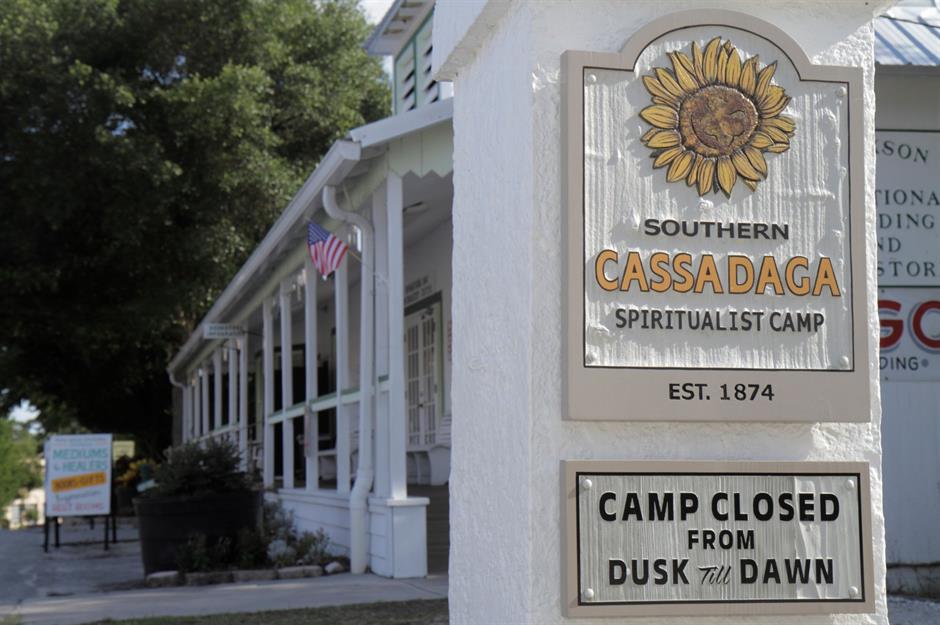
Soothsayers who have a crystal ball can skip this entry, but for the not-so-clairvoyant, a trip to Cassadaga may be in your future. Dubbed the "Psychic Capital of the World," this community north of Orlando is a century-old spiritualist camp where mediums, healers, and teachers offer personalized spiritual services.
From historical and haunted tours of the community to table-tipping and crystal sound workshops, Cassadaga welcomes non-believers and sceptics alike.
Tarpon Springs has sea sponges to dive for
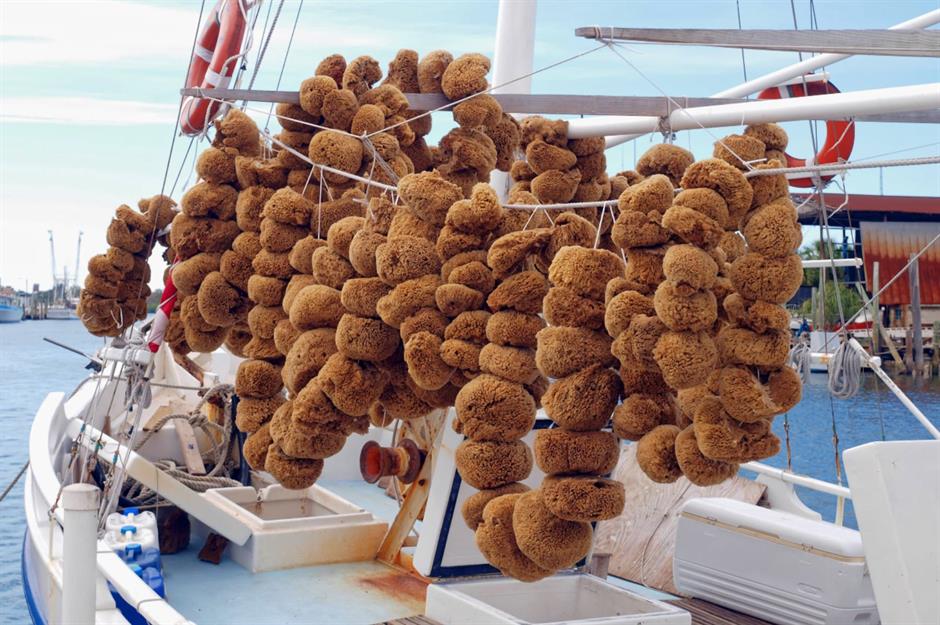
Need a new shower sponge? Make a quick trip to the Sponge Docks in Tarpon Springs. Natural sea sponges beneath these waters have been harvested since the 1800s, originally by immigrants to Florida from the Greek islands.
Divers still delve beneath the surface daily and boat tours offer a chance to see their flippers in action. Tarpon Springs sells sea sponges aplenty, making a souvenir out of this sustainable resource.
Eatonville is the oldest Black-incorporated municipality in the US
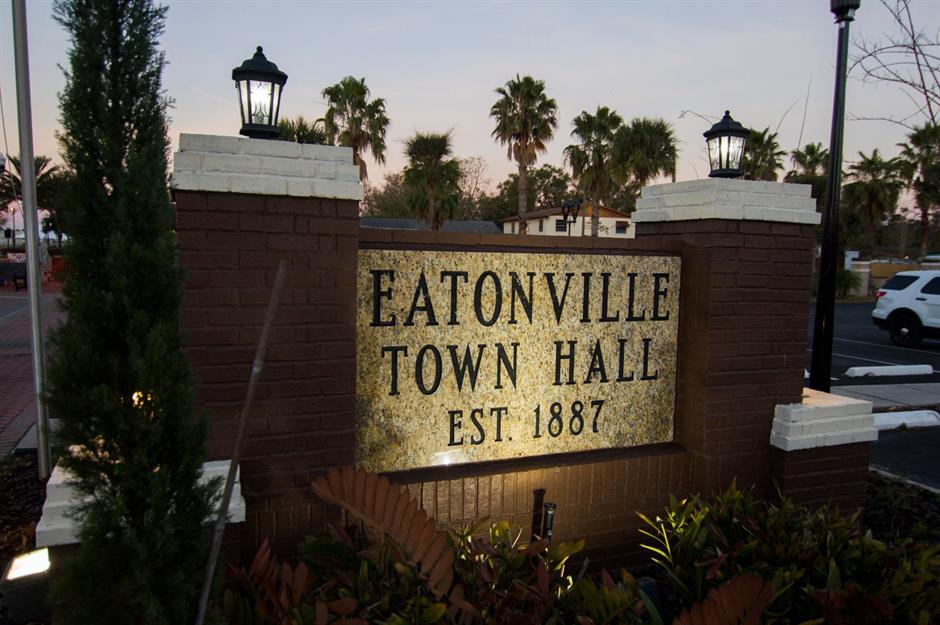
When the Civil War ended in 1865, newly freed slaves from Georgia, Alabama, and other slaveholding states arrived in Central Florida to start a new life. Those that settled in Maitland, just north of downtown Orlando, purchased land adjacent to the city to create the first self-governing, all-Black municipality in the country.
The town was named Eatonville in 1887, and still celebrates its monumental Black history and culture today.
Sponsored Content
Spook Hill features one of the country’s oldest gravity hills
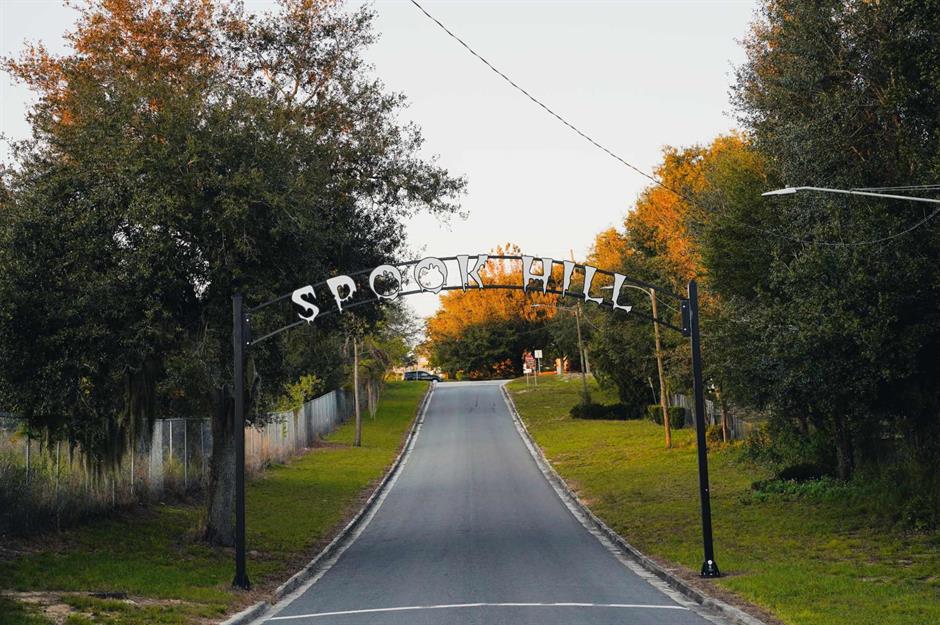
Despite so much haunted history throughout the state, one of the creepiest experiences in Florida is based on science, not superstition. Spook Hill, located in Lake Wales, is the only magnetic hill in the state.
A beguiling optical illusion makes it seem as if cars sitting in neutral gear are rolling uphill. Want to visit? Visitors can park at the bottom of the hill anytime, leave their car in neutral, and prepare to be perplexed.
Key West once "seceded" from the US
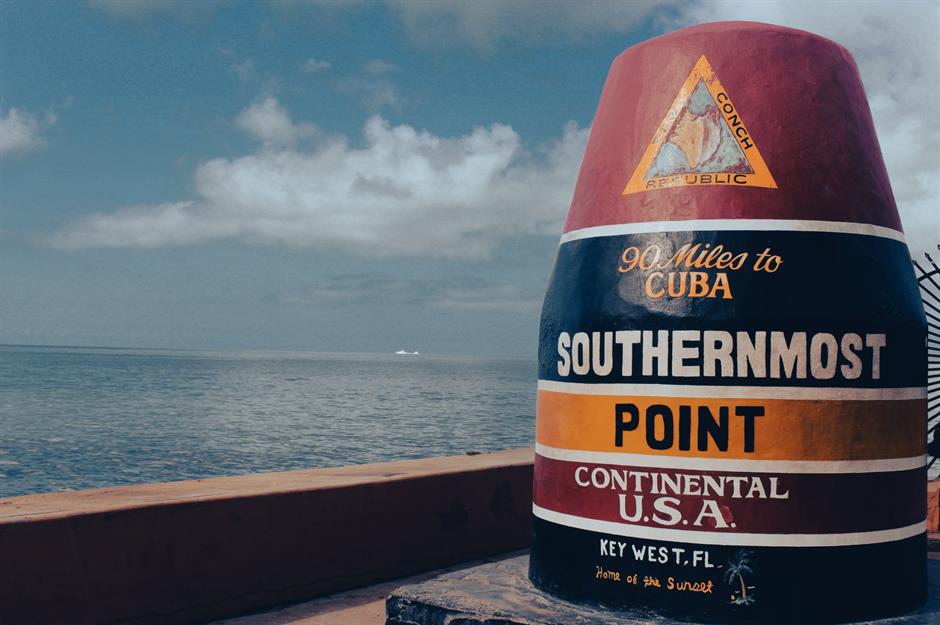
In 1982, as a response to international drug trafficking via the Florida Keys, the Federal Government set up a roadblock between the islands and the mainland. In protest, the Mayor of Key West sent an injunction to Federal Court; it was rejected.
The Keys seceded, became the "Conch Republic," and declared a one-minute war by throwing stale bread at the US Coast Guard. The Mayor surrendered quickly, and failed in a request for federal financial aid – but he did get the roadblock immediately removed.
Forget seashells, sharks' teeth are for the picking in Venice
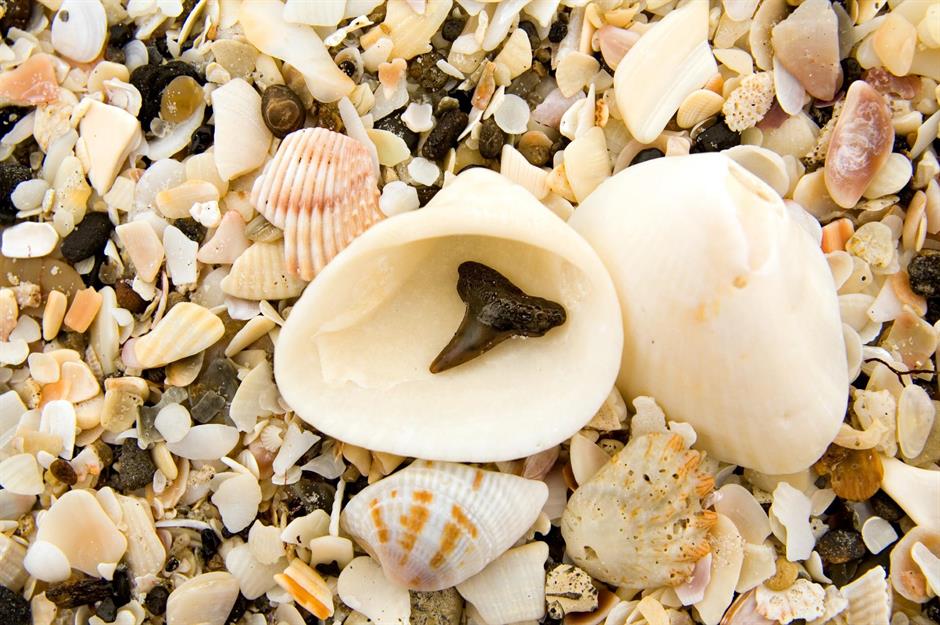
Sure, she sells seashells by the seashore, but you can grab your own shark teeth for free if you visit Venice’s beaches. Known as the "Shark Tooth Capital of the World," Venice was once submerged by the Gulf of Mexico’s waters, where sharks lived (and died) millennia ago.
There are thought to be thousands of fossilized shark teeth beneath the sand. They’re free for the taking, but if you can't find one, shark teeth are also available to purchase from local gift shops.
Sponsored Content
Manatees call Florida their winter home
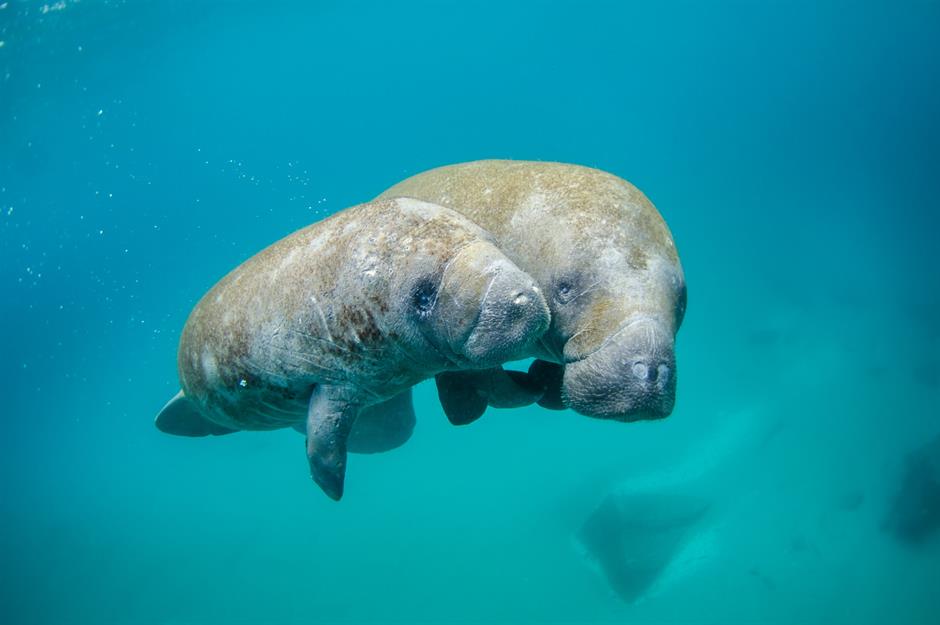
Each year when winter cools the temperature, thousands of manatees spend months swimming in Florida's natural springs. These calm bodies of water remain a warm temperature year-round, offering a snug space for these gentle creatures to relax.
You can even swim with them legally in Crystal River. Remember, no high-fives or hugs allowed.
There are wild monkeys in Silver Springs State Park
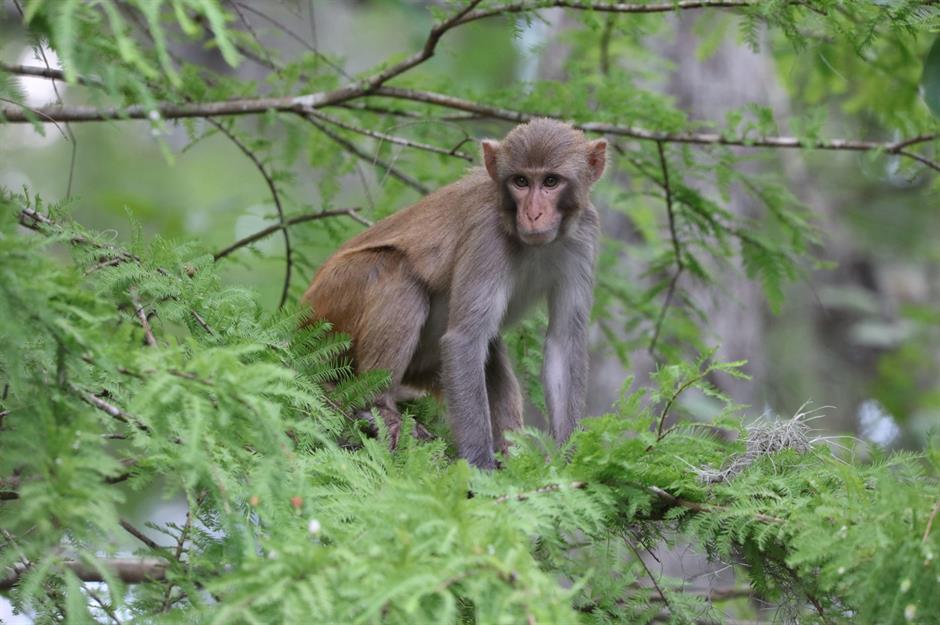
If you thought only marine life made Florida marvelous, just wait until you see what’s swinging from the trees. Non-native rhesus macaques call Silver Springs State Park home. Why? Well, they were released onto an island on the Silver River in the 1930s, but swiftly escaped and started populating the surrounding area.
Today, there are hundreds in the park and spreading across the state. Visitors shouldn’t take a selfie with them if spotted; these creatures carry herpes B.
There’s an Edward Scissorhands Museum near Tampa
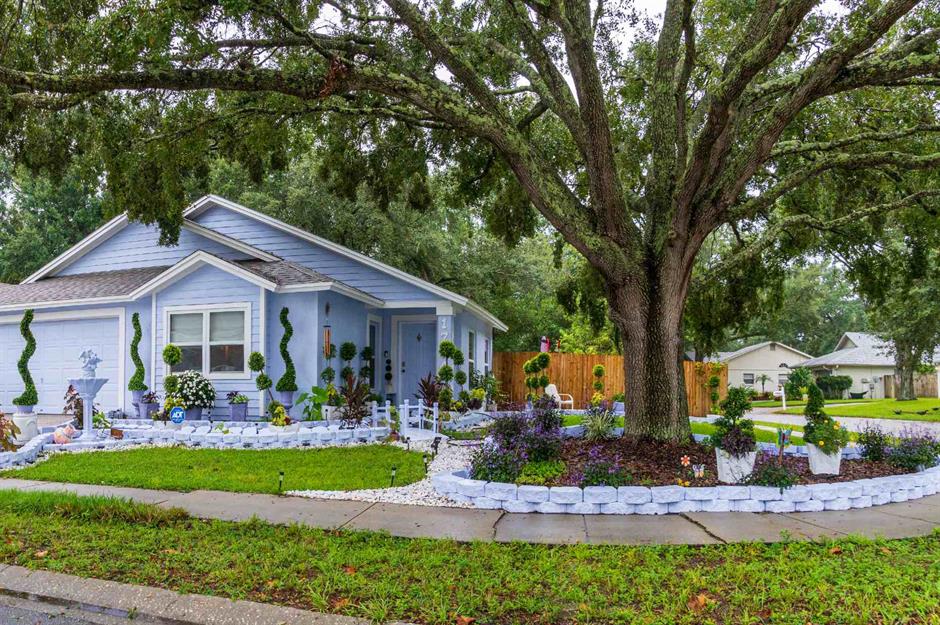
Of Florida’s many famous residents, few know that Tim Burton’s Edward Scissorhands called a northern suburb of Tampa Bay home. The town of Lutz was the setting for the 1990 film and the titular character’s adopted family home is now a museum.
Free admission into "Scissorland" means movie buffs can take selfies with actual props, thanks to the generosity of die-hard fans.
Sponsored Content
There’s a national park you can’t access by road
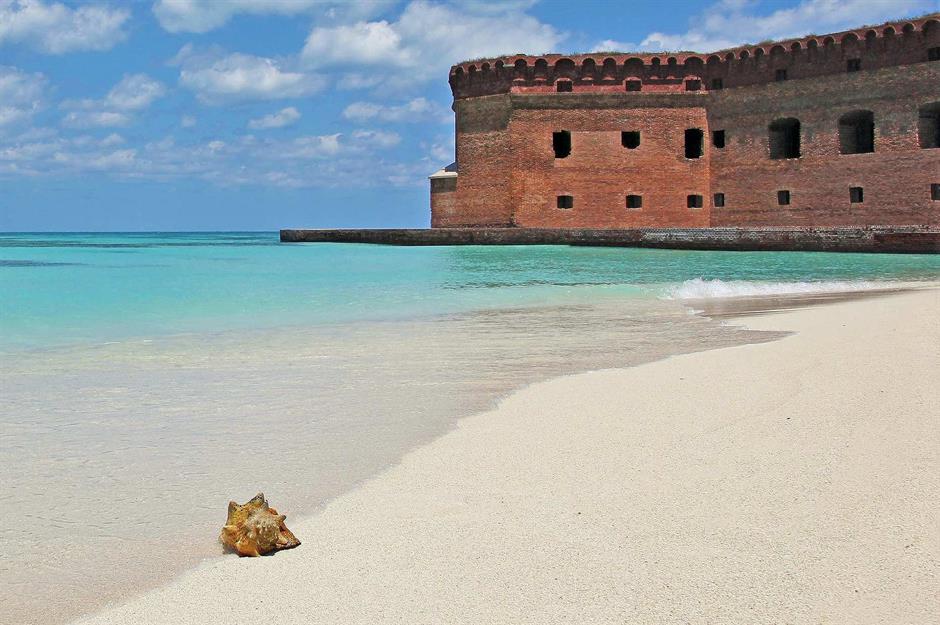
Don’t expect to drive your way to Dry Tortugas National Park on your next Florida road trip. This seven-island park is surrounded by the blue waters of the Gulf of Mexico and requires a seaplane or watercraft to access.
However, you can easily get there departing from Key West, and it’s well worth the trip. The 19th-century Fort Jefferson, a shipwreck dating from 1907, and wildlife such as sea turtles and sooty terns all await your arrival.
You can thank University of Florida in Gainesville for Gatorade
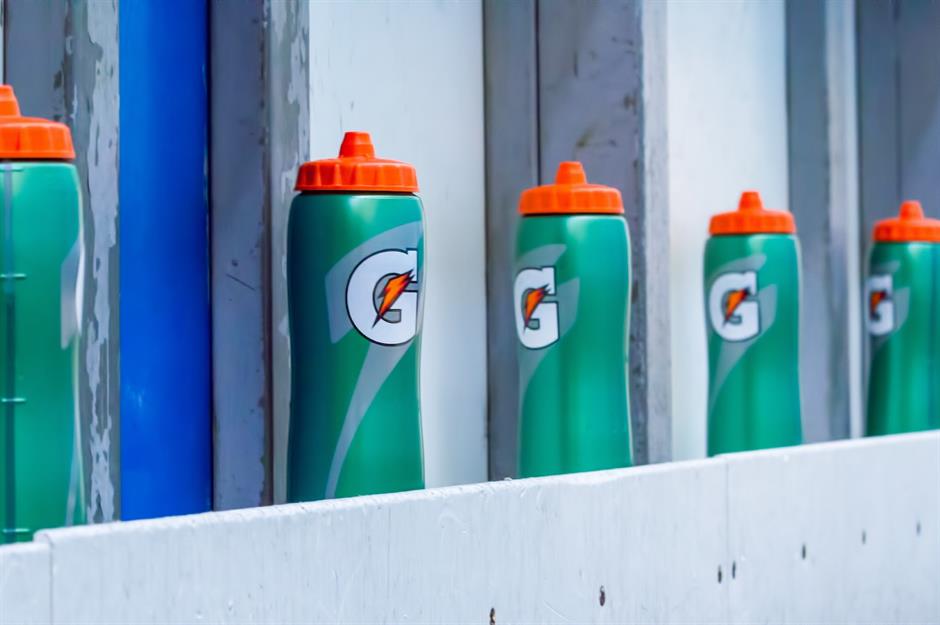
Next time you refuel with an energy drink after a workout, send a sweat-soaked thank you note to the University of Florida. In the throes of 1965’s football season, scientists were hard at work in the university labs concocting a sports drink to quench thirst and boost energy.
Named Gatorade to aid the home team, the Gators, Gatorade went from an awful elixir in its first batch to becoming a world-renowned beverage.
There’s an annual mullet toss across the Alabama state line
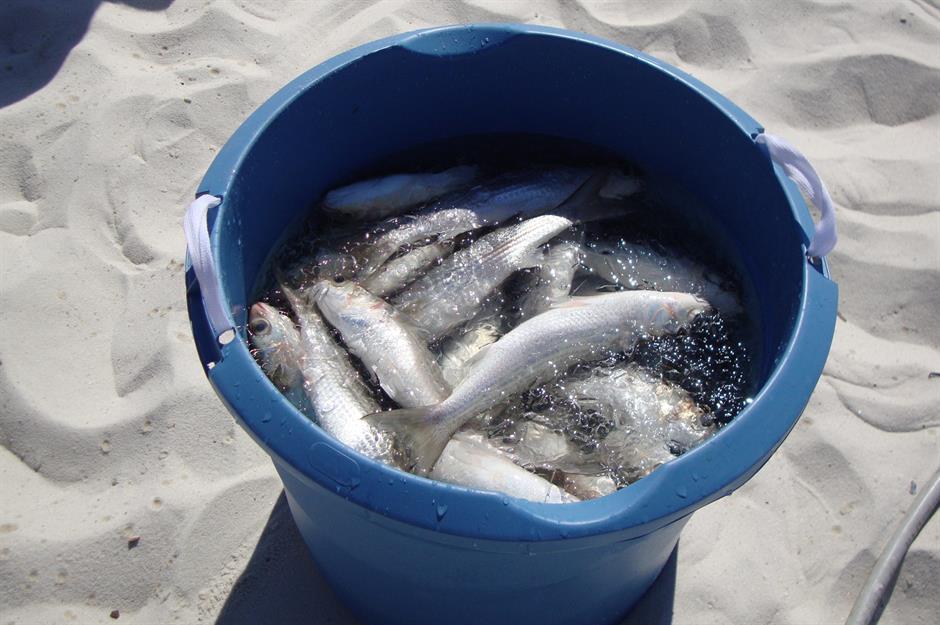
No, not the hair style. The Flora-Bama Interstate Mullet Toss & Greatest Beach Party brings crowds from both states to see who can toss a (deceased) mullet fish farthest over state lines.
This competition has categories for men, women, and children, as well as beach bars and turned-up tunes for those who’d rather taste a fish than toss one.
Sponsored Content
It's the lightning capital of the United States
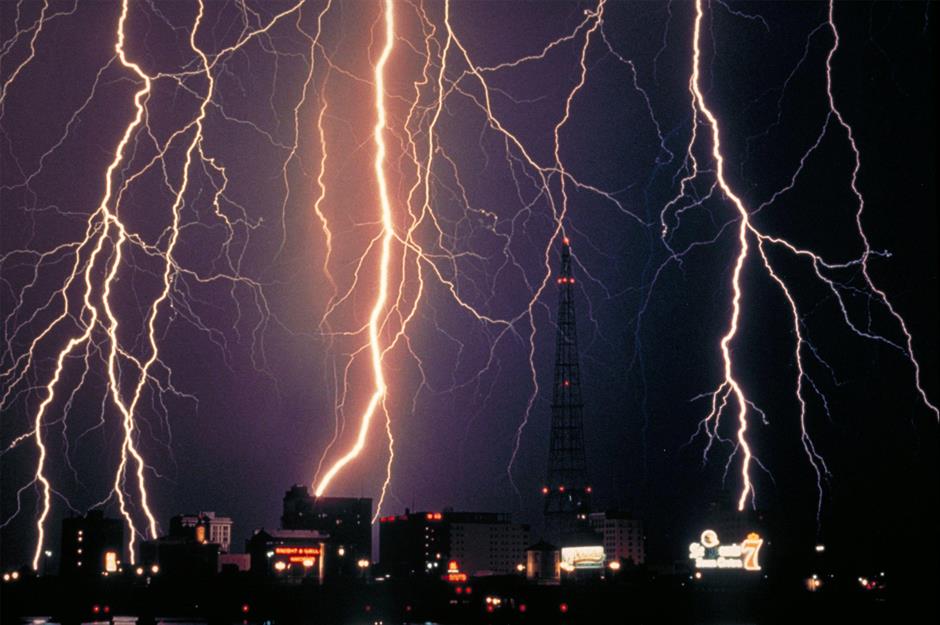
Considering it's widely known as the Sunshine State, it might surprise you to discover that Florida is the lightning capital of the United States. With more people killed by lightning in Florida than in any other state, there's a reason they don't put this nickname on the posters.
Geographically, Florida is the perfect breeding ground for lightning due to three key ingredients: heat, humidity, and the multiple sea breezes created by its peninsular shape. Pictured here, we see dramatic lightning strikes hitting Tampa in the summer of 2001.
The mission to save Florida's oranges is very much on
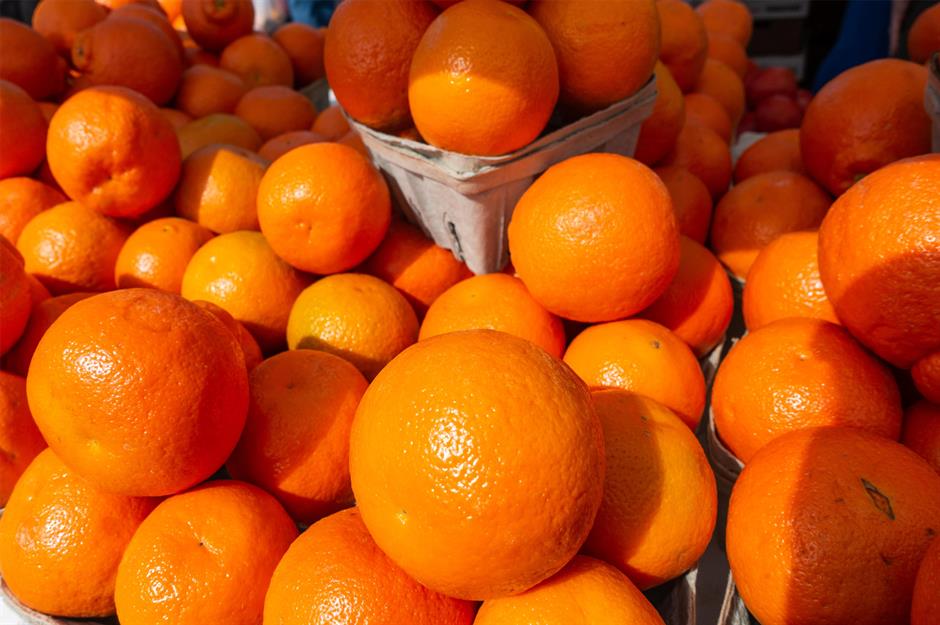
In recent years, Florida's orange growers have had to contend not only with the impact of hurricanes but also with a devastating tree disease known as citrus greening. The serious bacterial infection, spread by a tiny insect, has killed countless trees and reduced Florida's total citrus production by 74% since its discovery in 2005.
Thankfully, science might be coming to the rescue with the United States Department of Agriculture investing more than $400 million to address the problem. Initial signs suggest gene-edited trees and plant growth regulators are making a difference. Welcome news for Florida's citrus industry, which contributes $9 billion to the economy and supports over 45,000 jobs.
Sunscreen lotion was invented in Miami, Florida
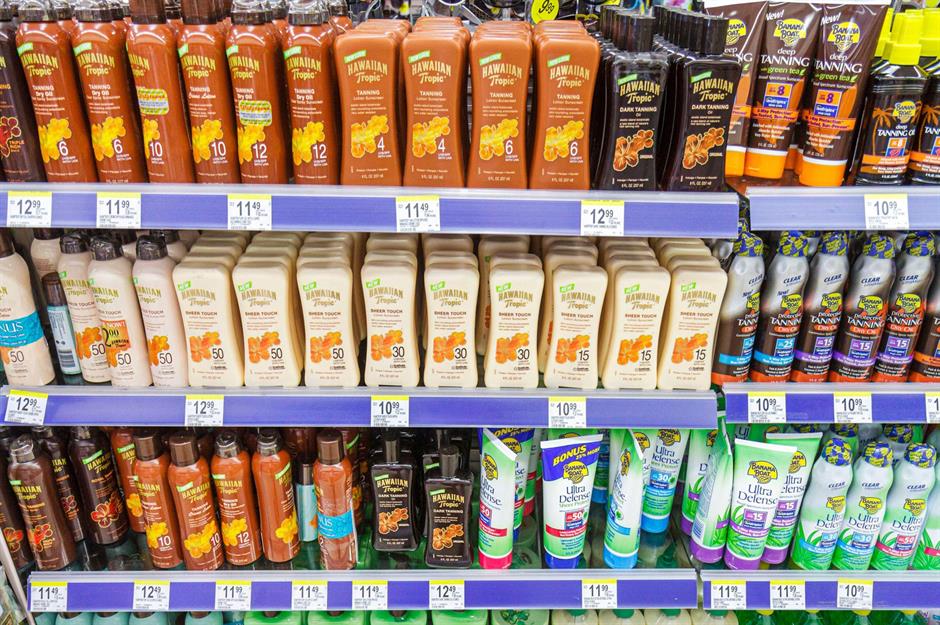
Anyone who's ever known the agony of lobster-red sunburn knows just how important sunscreen can be. Thanks to a Florida pharmacist named Benjamin Green, who invented the first sunscreen lotion in 1944, tourists and travelers the world over can now enjoy being out in the sun without paying the price for it afterwards.
Green created his sunscreen, a precursor to Coppertone, to protect World War II soldiers fighting in the South Pacific from the sun's harmful effects. Initially called "Red Vet Pet," due to its use of red veterinary petrolatum, it was improved later on with cocoa butter and coconut oil.