Secrets of the Everglades: Fascinating facts about Florida's favorite national park
Still waters run deep
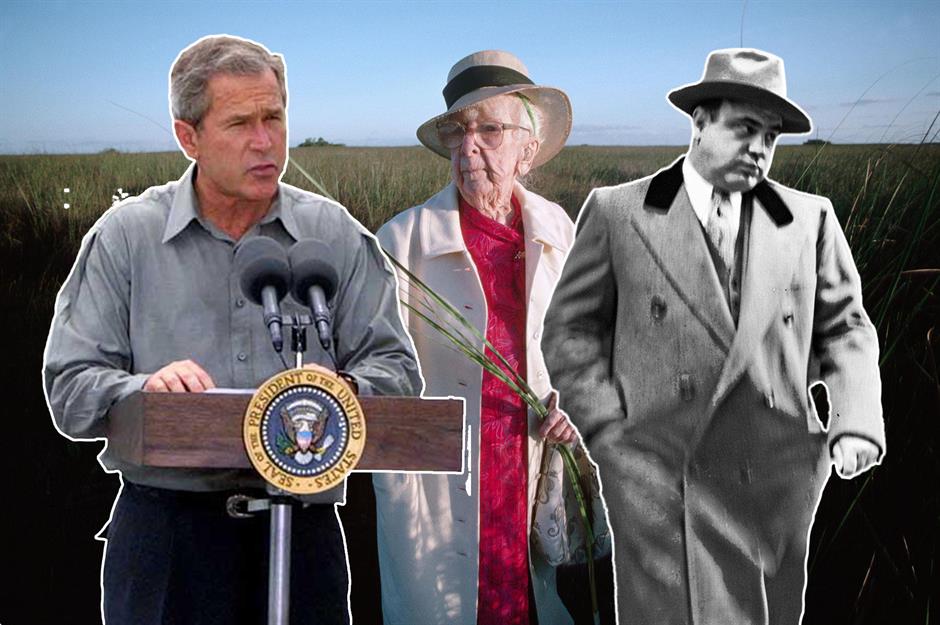
With its Indigenous culture, subtropical wetlands, and resident wildlife, Everglades National Park is one of the USA’s most-loved wildernesses, and a UNESCO World Heritage Site and International Biosphere Reserve too. To celebrate its vast history, we've tracked down the park’s archive photos, from animal encounters to presidential visits, and uncover some fascinating secrets.
Scroll on through the gallery to discover things you might not know about Florida's natural wonder...
Pre-16th century: The Everglades is an Indigenous homeland
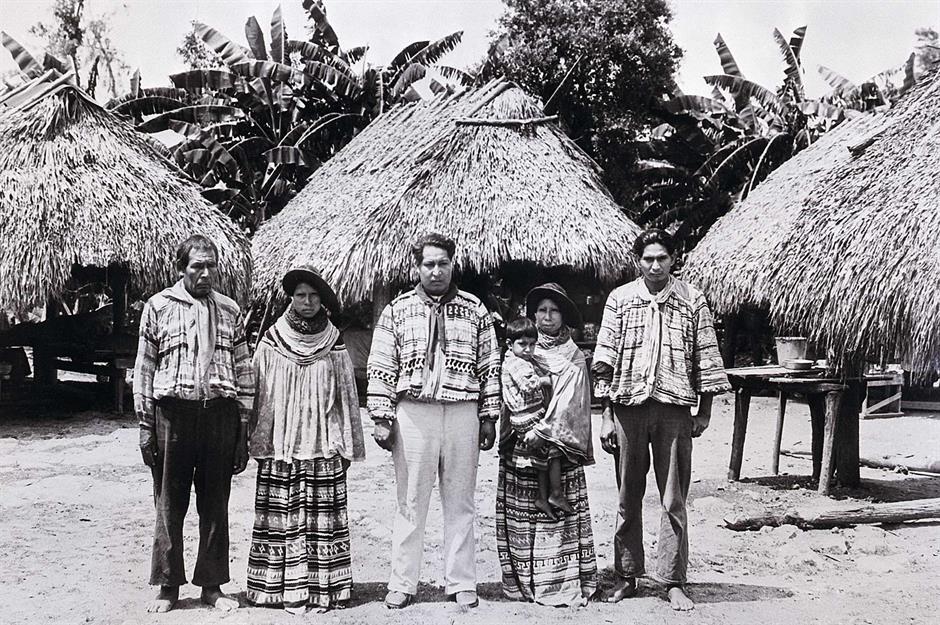
Native Americans in the region called the Everglades 'Pa-hay-Okee' which means ‘grassy waters.' Humans lived in this region for thousands of years and they included the Calusa people from around 1000 BC.
After the arrival of Spanish explorers in the 16th century, the Calusa people endured battles and foreign diseases, and were almost wiped out by the 18th century. The two Native American tribes who remain present in the Everglades today are the Seminole (pictured) and Miccosukee.
Pre-16th century: The Everglades is an Indigenous homeland
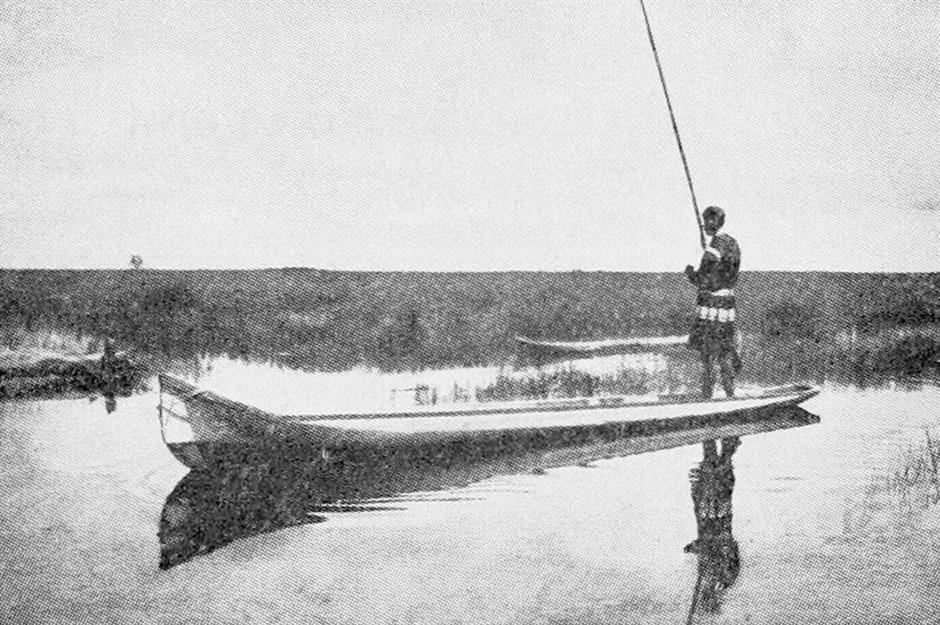
The tribes used dugout canoes for traveling between camps, fishing, hunting, and trading, while foreign explorers initially struggled with the new marshy environment. When early explorers saw the endless fields of grass, they gave it the name Everglades – an old English word for an open, grassy place.
Sponsored Content
19th century: A changed way of life
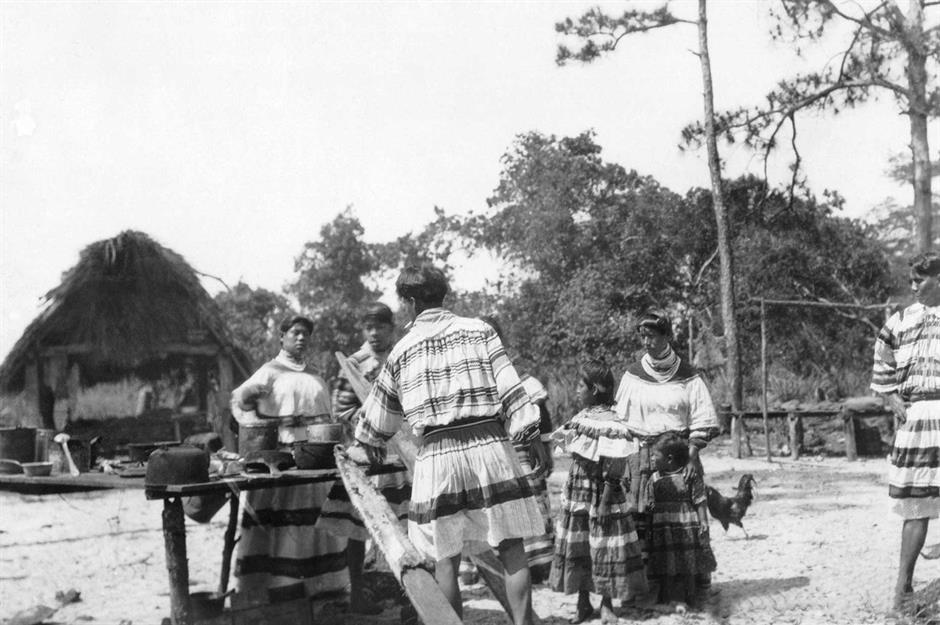
Following three Seminole Wars with the US in the 19th century, the Seminole and Miccosukee tribes migrated further north into the Everglades. The Seminoles eventually began trading with white settlers, and they made their villages in hardwood hammocks or pinelands.
This photograph shows the Seminole tanning animal skins from their homesite.
19th century: Altering landscapes
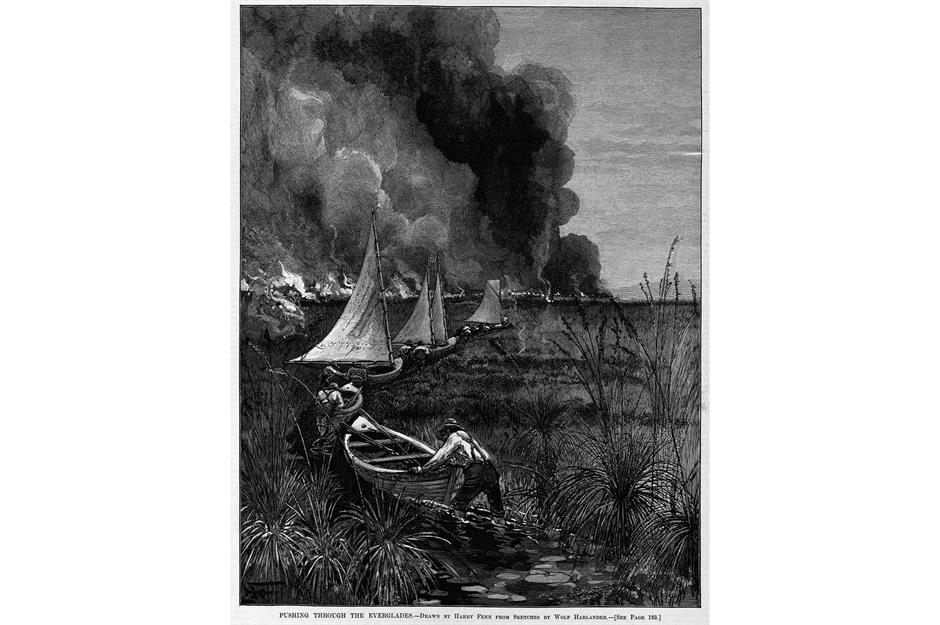
Developers really started transforming the land in the 19th century, when they began digging drainage canals for residential, commercial, and agricultural use. In this drawing by Harry Fenn, published in an 1887 edition of Harper’s Weekly, boats are pushed through the Everglades as work continues in the background.
19th century: Tourism begins in the Everglades
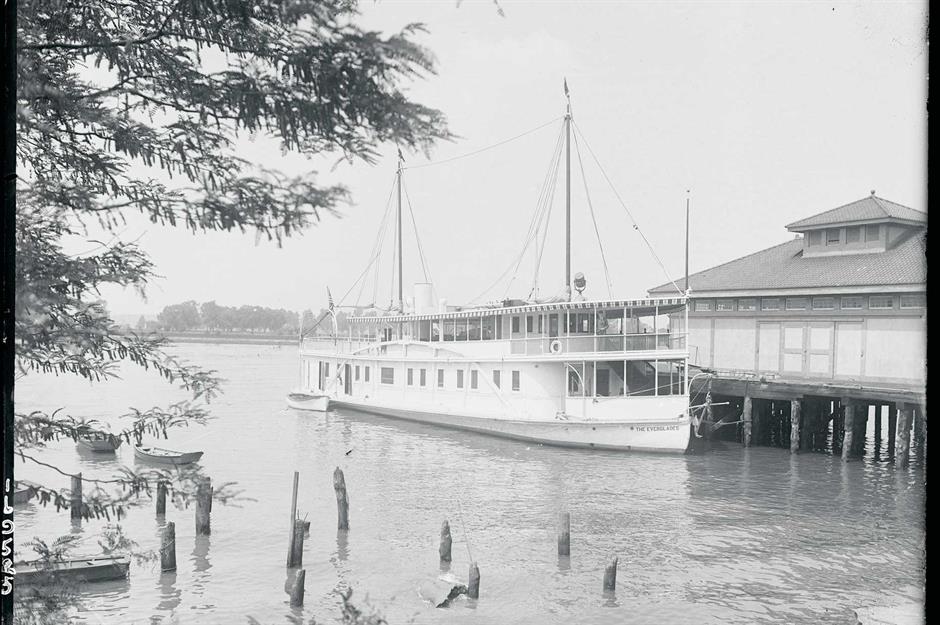
With infrastructure 'improving' the waterways, people began visiting the Everglades for pleasure in the late 1800s. Passengers took to small boats, steamboats, and houseboats out on the water, while road development allowed people to venture further inland.
Love this? Be sure to follow our Facebook for more travel and history stories
Sponsored Content
Early 20th century: Using the land
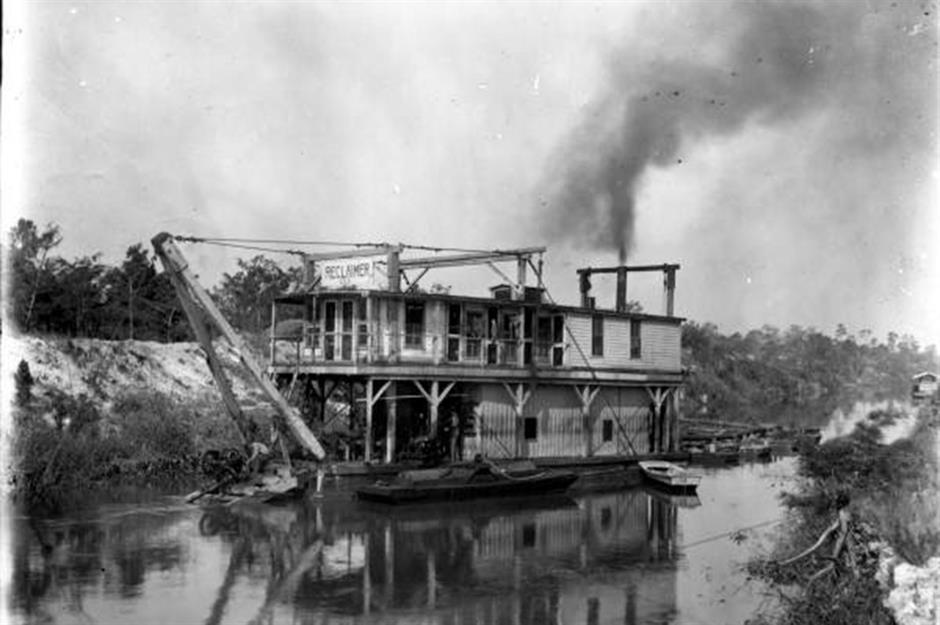
By the early 1900s, plots of land were sold to settling towns. Canals were built to improve water-based transport between them, as is happening in this early 20th-century image.
Florida's new residents also made way for sugarcane fields – these fields are still burned for harvest today, but there are petitions to end the practice, which locals say is polluting air and putting the health of communities at risk.
1905: Airboats take to the waters
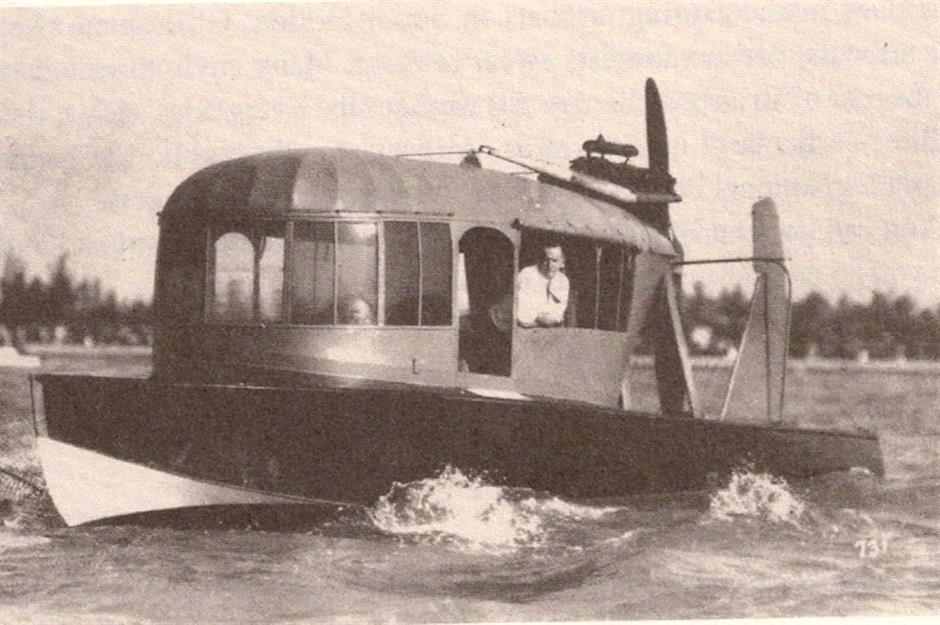
While the airboat was invented in Canada in 1905, pilot Glenn Curtiss later brought it to the US. Pictured here is Scooter, his propeller-driven motorboat, powered by an aircraft engine. Seating up to six passengers and with a closed cockpit, it was able to slip through the grassy wetlands at 50 miles per hour.
1920s: Rum runners hide in the Everglades
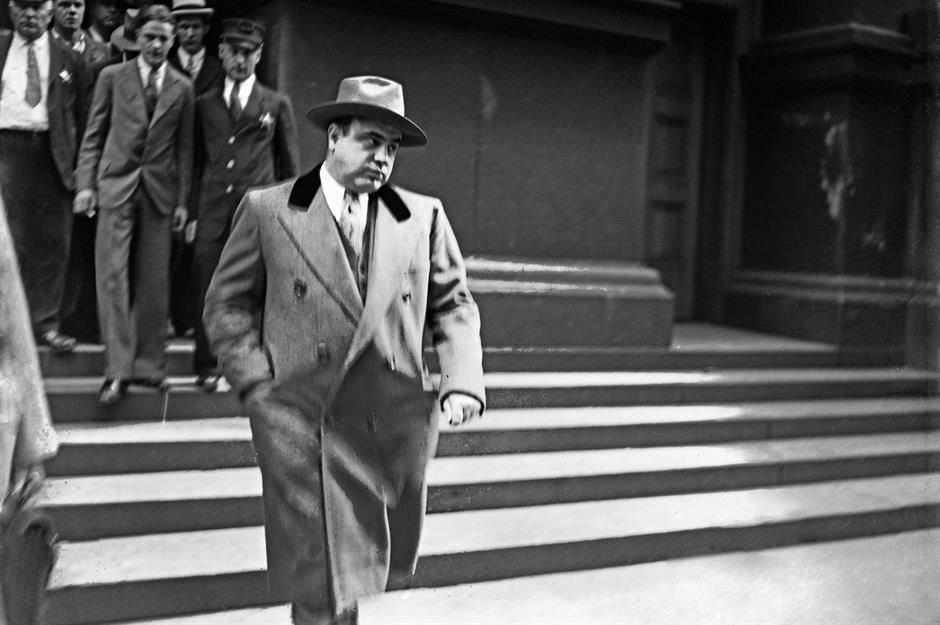
During the Prohibition era (1920–1933), the vastness of the Everglades gave rum runners plenty of hiding spots from law enforcement officers. There were rumors of a ‘Lost City’ in one particularly remote area, which supposedly produced moonshine and was run by notorious mob boss Al Capone.
See how we've ranked Florida's most beautiful small towns and cities
Sponsored Content
1920s: The Tamiami Trail is built
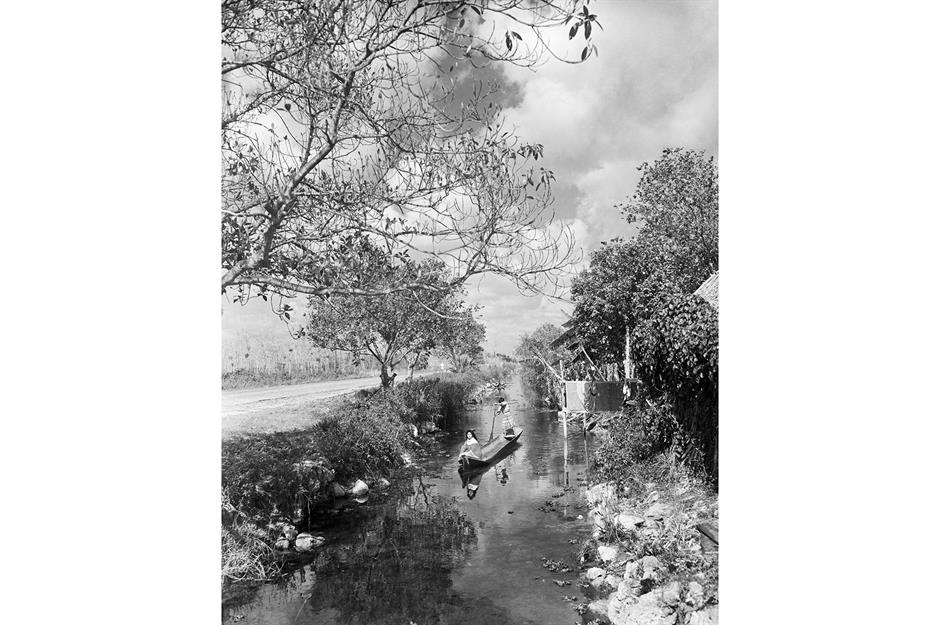
By 1928, the Tamiami Trail (US-41) was completed, offering a scenic drive winding through miles of Everglades scenery. One of the best stop-off points is the ominously named Shark Valley Visitor Center, from which you can discover the Everglades’ ecosystems and resident wildlife through a variety of activities. Pictured here are two Seminole people paddling alongside the route.
1947: The Everglades become a national park
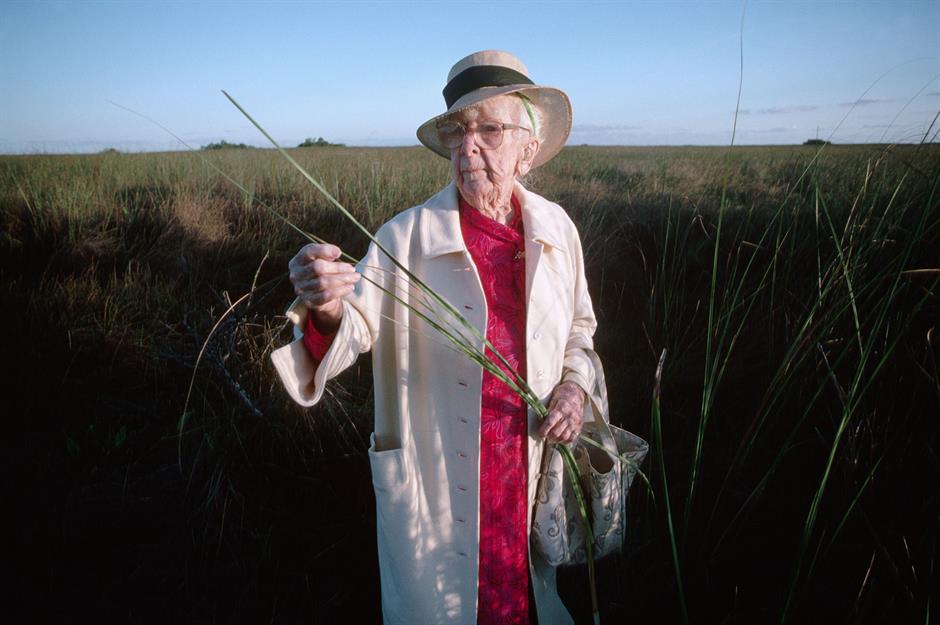
The idea of establishing the Everglades as a national park was originally pitched in 1928, but it wasn't officially established until December 6, 1947. Just one month prior, environmentalist and writer Marjory Stoneman Douglas released her book The Everglades: River of Grass.
Her detailed account of South Florida’s history and ecology shone a spotlight on the natural area, and held it up as a valuable resource to be protected and preserved. The Everglades also gained a new nickname: the 'River of Grass.'
1948: Visitors explore by road
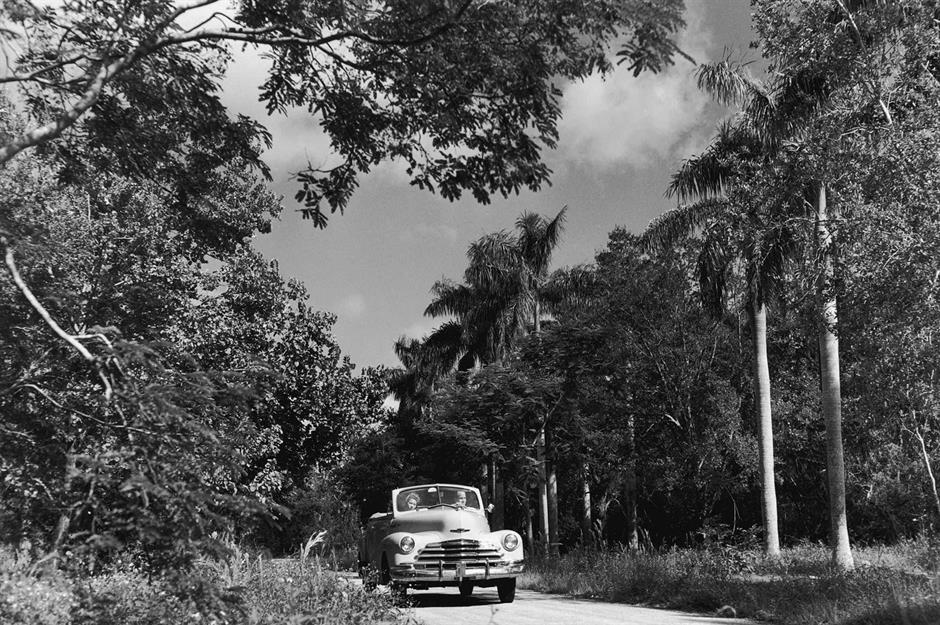
After the Everglades was established as a national park, developed roads meant the public could access more of the wilderness and road trips through the area became a popular pastime. This photograph, taken in 1948, shows a couple enjoying the tall trees and clear road ahead of them in their Chevrolet Fleetmaster Cabriolet convertible car.
Sponsored Content
1950s: The Mission 66 project gets underway
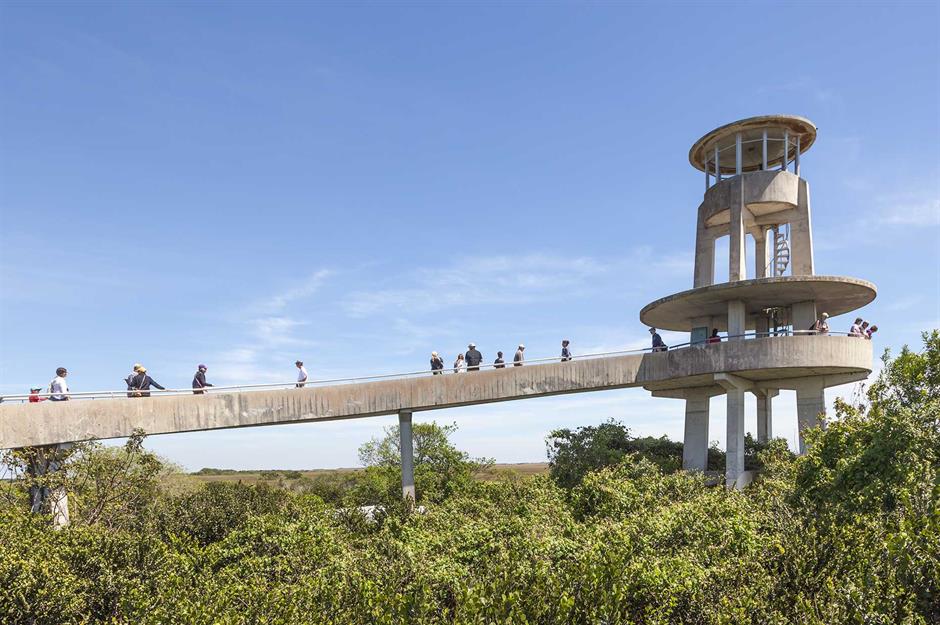
Between 1956 and 1966, the National Park System's Mission 66 project added structures to the Everglades to boost the public's experience of the park. This was a time when the modern art movement was in full swing, and you can see its influence in the Shark Valley Observation Tower’s design (pictured) with its spherical and cylindrical elements.
Standing at 70 feet high and offering panoramic views over the Everglades, the observation tower is the tallest lookout point reachable by foot in the park.
1950s: Fishing is a popular activity
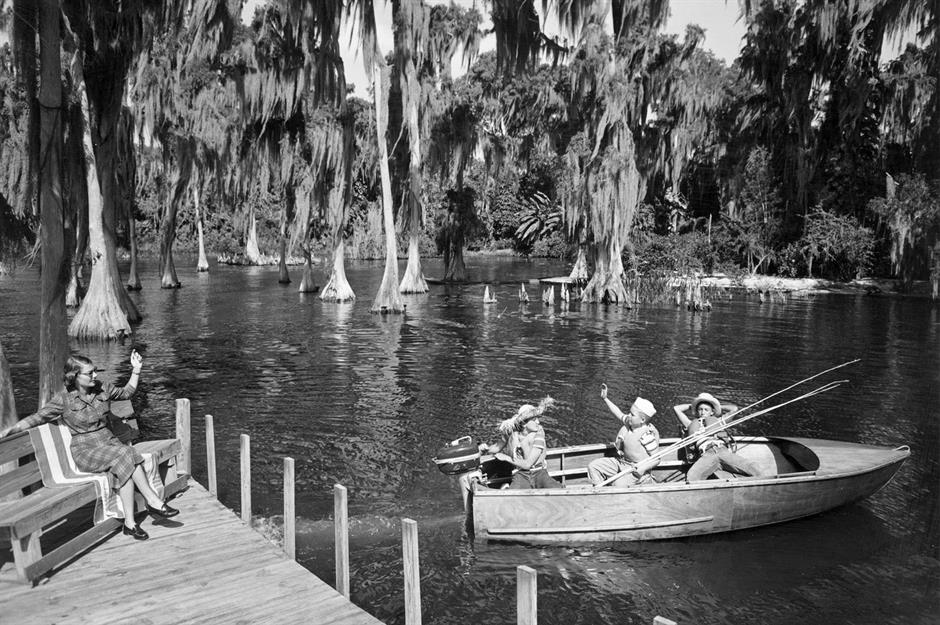
Pictured here are three boys heading out on a fishing trip aboard a small boat, complete with an outboard engine. Vast swathes of the park are covered in water and fishing has long been a popular hobby in the Everglades.
You might spot snapper, sea trout, redfish, bass, and bluegill in its waters.
1963: Northwest Orient flight 705 crashes
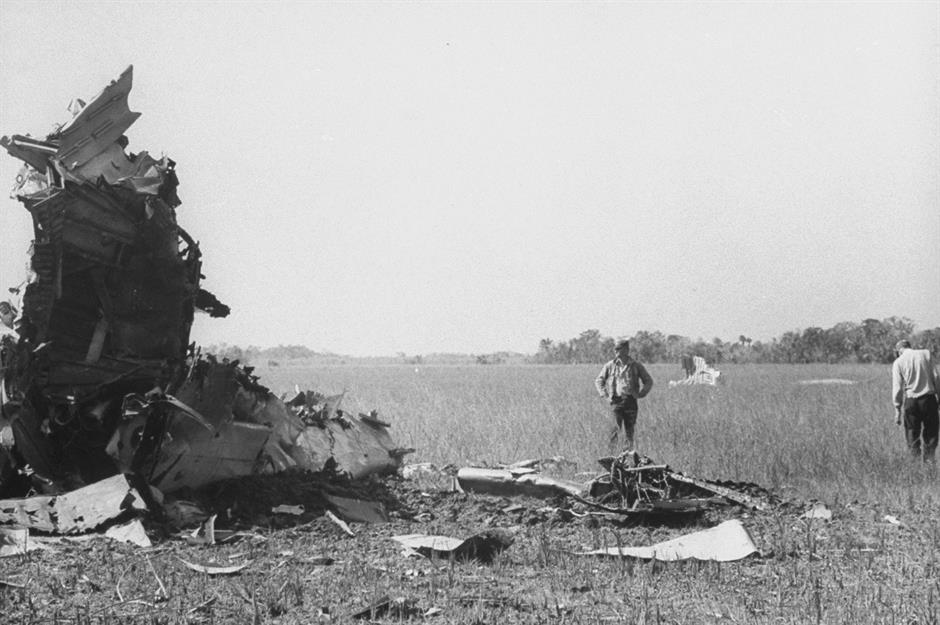
In 1963, tragedy struck when Northwest Orient flight 705 crashed in a remote part of the Everglades. Departing from Miami International Airport and bound for Portland, Oregon, the plane flew into a severe thunderstorm and broke apart mid-air, with 43 passengers and crew sadly losing their lives.
Sponsored Content
1960s: A missile base is built
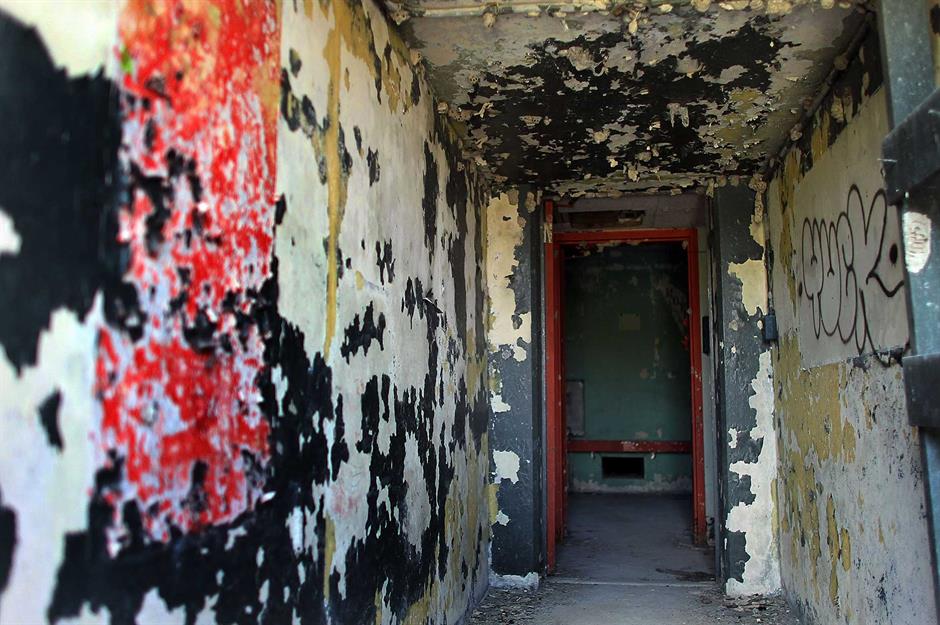
During the Cold War, relations between Cuba (a Soviet Union ally) and the US were tense. In the period 1964-1979, the Nike Hercules Missile Base in the Everglades served as one of South Florida’s first lines of defense, alarmingly close to Cuba.
These days, visitors can take guided tours of what's left of the site – such as this dilapidated building – and listen to stories shared by war veterans.
1968: The Everglades almost had an enormous airport
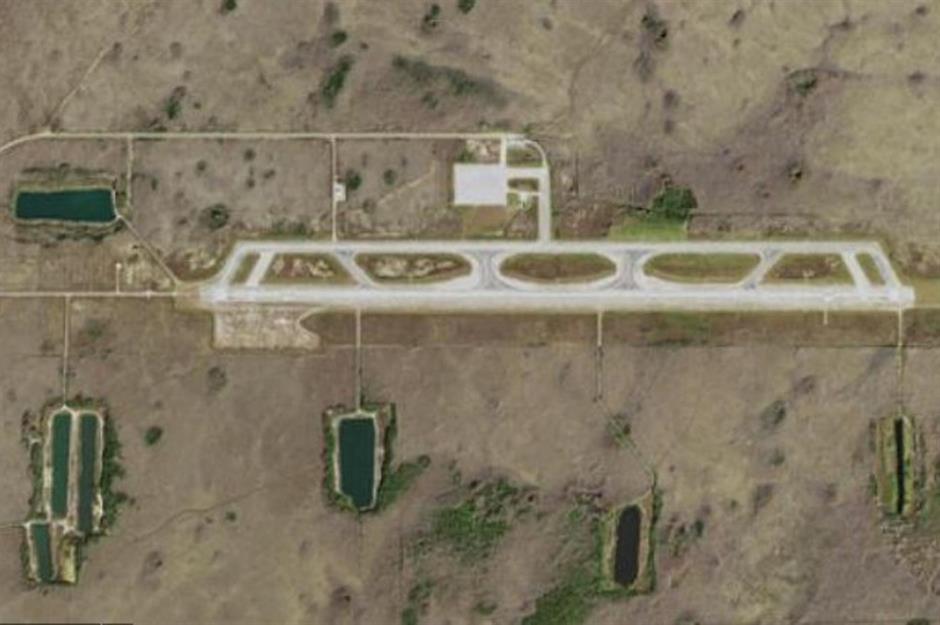
In 1968, this isolated airstrip was tipped to become the world’s largest airport, with six proposed runways and high-speed road and rail links connecting it to surrounding cities. But rising environmental concerns meant that the construction of the Everglades Jetport was abandoned in 1970 – at that time, just one single runway had been built.
Today, the lone runway is used as the Dade-Collier Training and Transition Airport.
1971: Ospreys are brought back from the brink
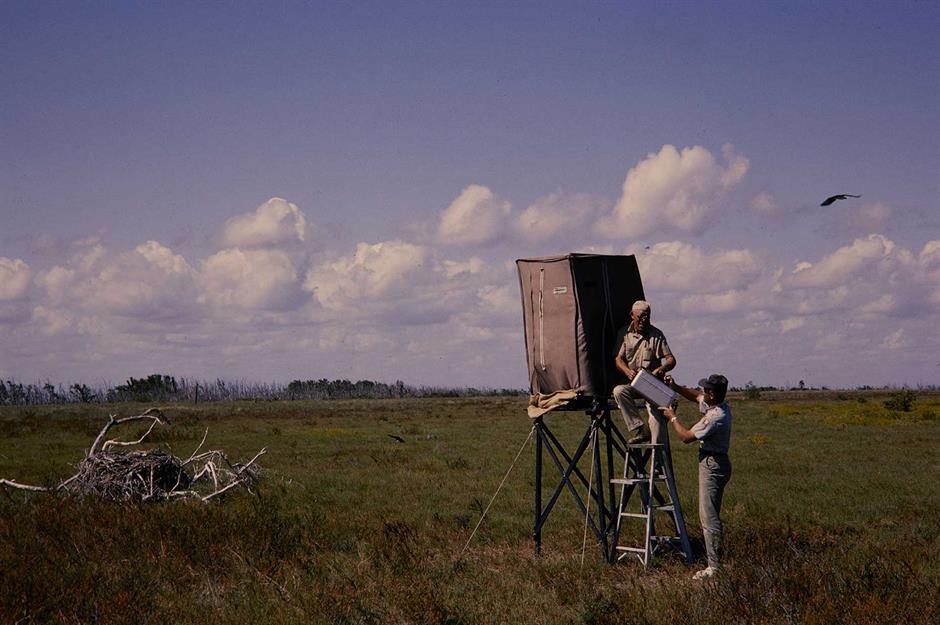
Pictured here are two National Park Service employees fixing an osprey nest. Males typically build their nests high above the ground to attract females, but osprey numbers in the Everglades dropped dramatically between the 1950s to the 1970s.
When DDT (an insecticide) was banned in 1971, the birds made a significant comeback and in 2021 there were even calls for them to become Florida’s state bird, thanks to their conservation success story.
Sponsored Content
1980s: The park gets an invasive species
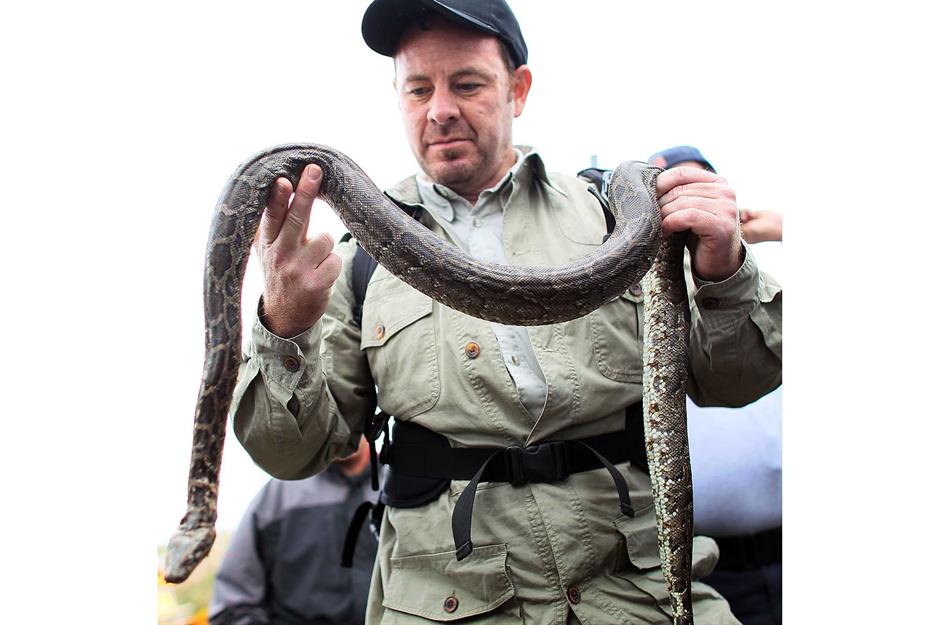
The exotic pet trade boomed across the US in the 1980s, but in Florida there was a knock-on effect: an unknown number of Burmese pythons escaped or were released into the Everglades. With no natural predators and sometimes growing to 20 feet, these slithery reptiles are still one of the most invasive species in the park today.
Alarmingly, authorities are still unsure of how many Burmese pythons are in the Everglades. During the 2024 Florida Python Challenge, though, more than 850 participants joined the effort to remove invasive Burmese pythons from the Everglades ecosystem – eliminating nearly 200 of them from public lands.
1997: An Indigenous culture museum is opened
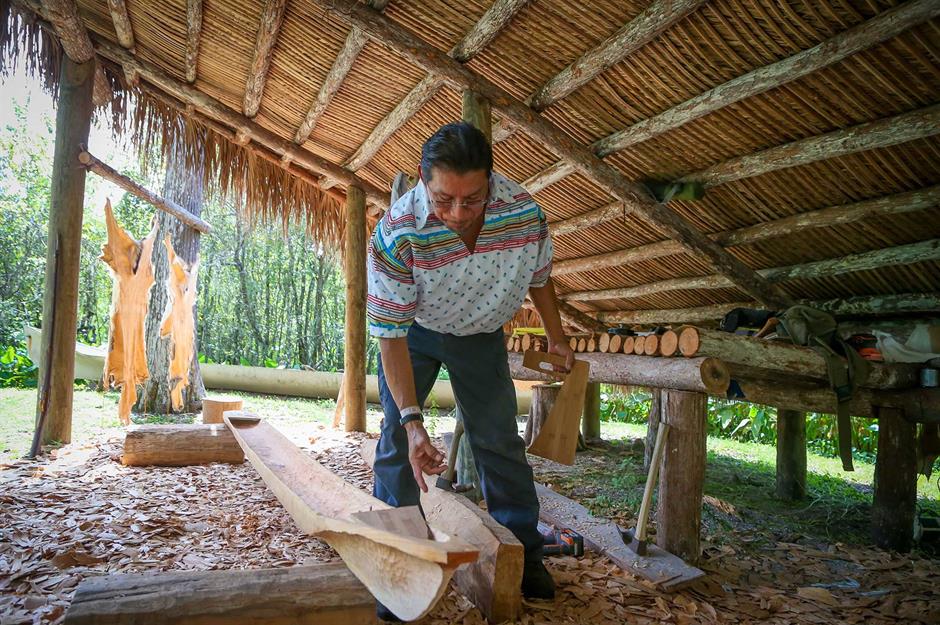
In 1997, the Ah-Tah-Thi-Ki Museum opened in the Big Cypress Seminole Indian Reservation, deep within the Everglades. Here, Seminole history and culture is explored through museum displays, and there's a boardwalk trail leading down to the Living Village where Indigenous artisans demonstrate traditional crafts.
1996: Changing ecosystems
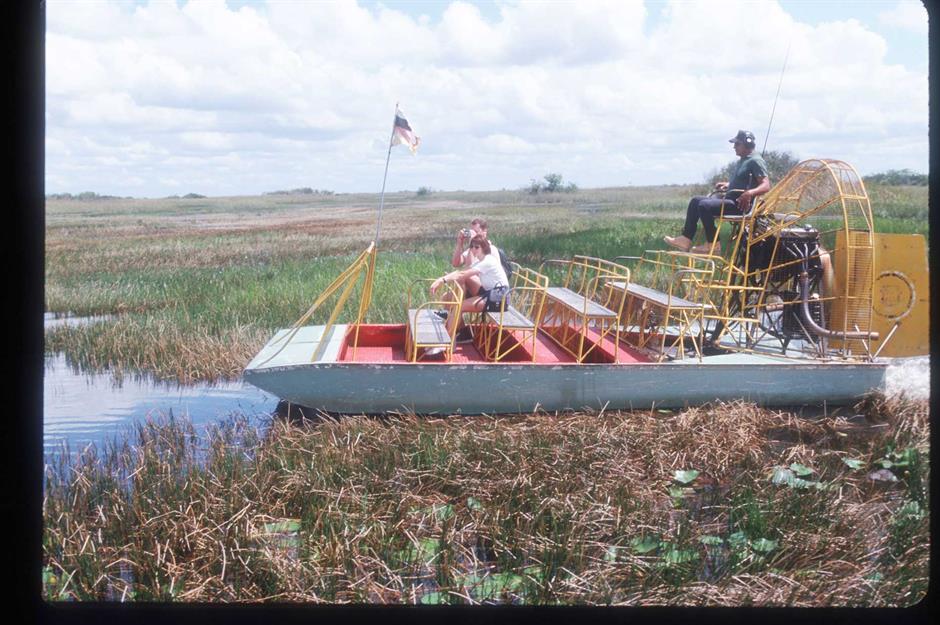
With rising environmental concerns, in 1996 the South Florida Ecosystem Restoration Task Force was established to look at the ways human-built flood control systems operated and how they'd impacted the Everglades ecosystem.
Sponsored Content
2001: Restoration efforts get federal funding
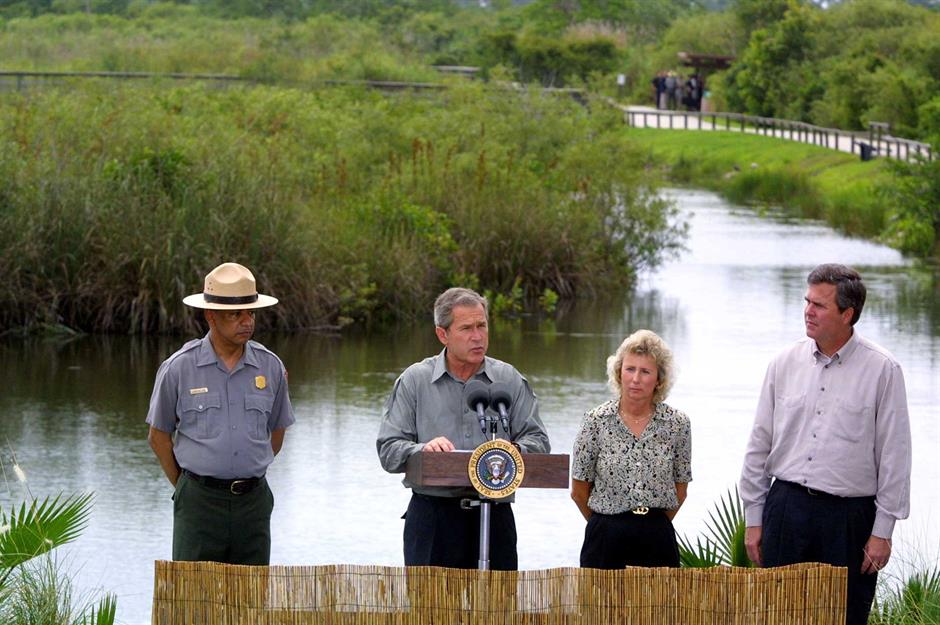
In June 2001, then-president George Bush visited the sprawling national park where he announced an ambitious, $7.8 billion agreement to restore it.
2006: The Christmas Bird Count
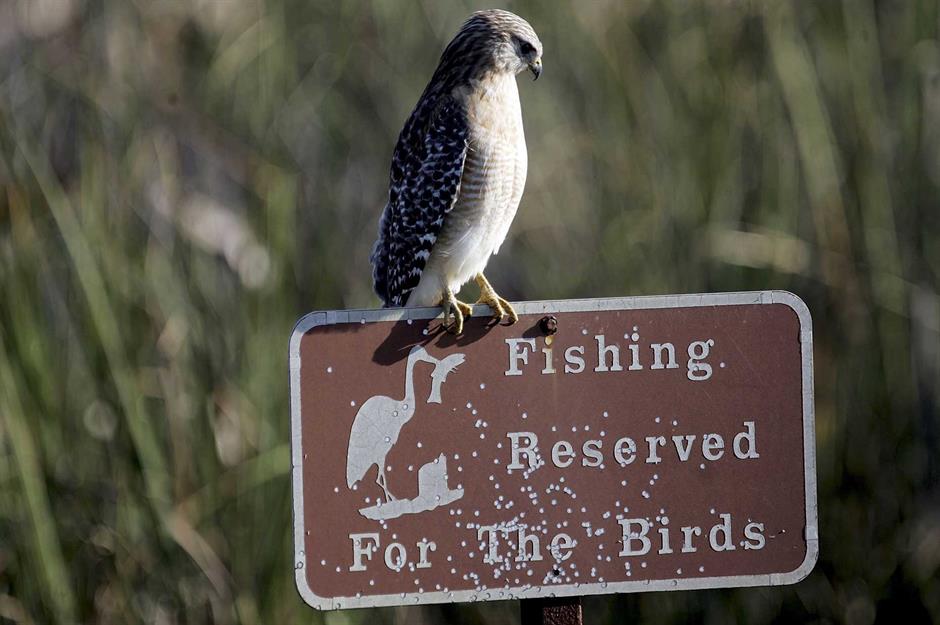
Every year since 1900, the National Audubon Society's Christmas Bird Count sees volunteers count birds around the US. One of the longest-running community science surveys in the world, it usually takes place from mid-December through early January.
There are more than 360 species of birds in the Everglades (that we know of) – pictured here during the 2006 count is a red-shouldered hawk.
2013: Airboats are still king
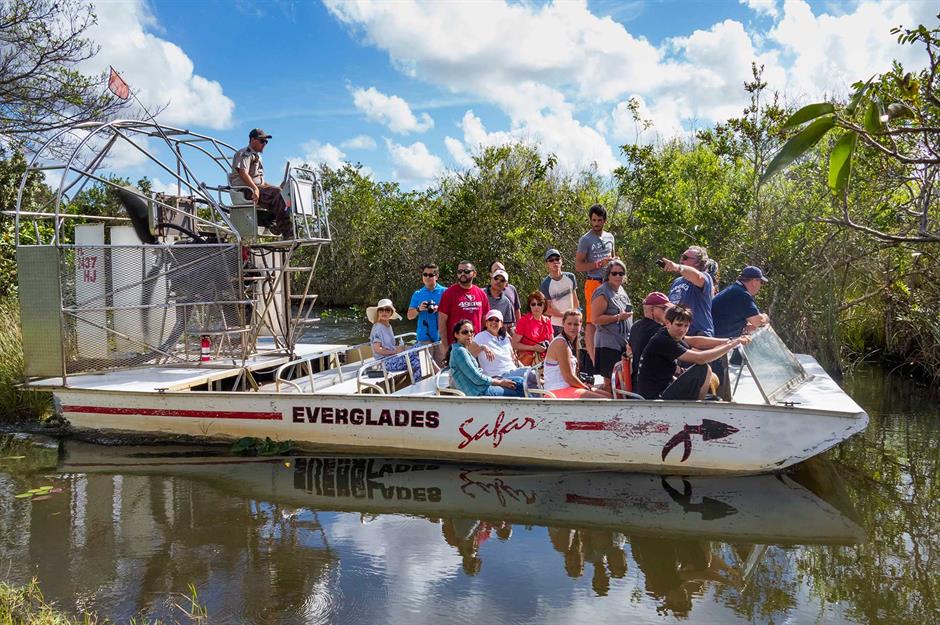
Airboat tours are still one of the most popular ways to see the Everglades. The propellers sit above the waterline, which helps safeguard wildlife, though some residents raise concerns about the noise of the boats.
The design hasn't changed much over the years, but modern versions are typically made from aluminum and fiberglass.
Sponsored Content
2015: A presidential visit
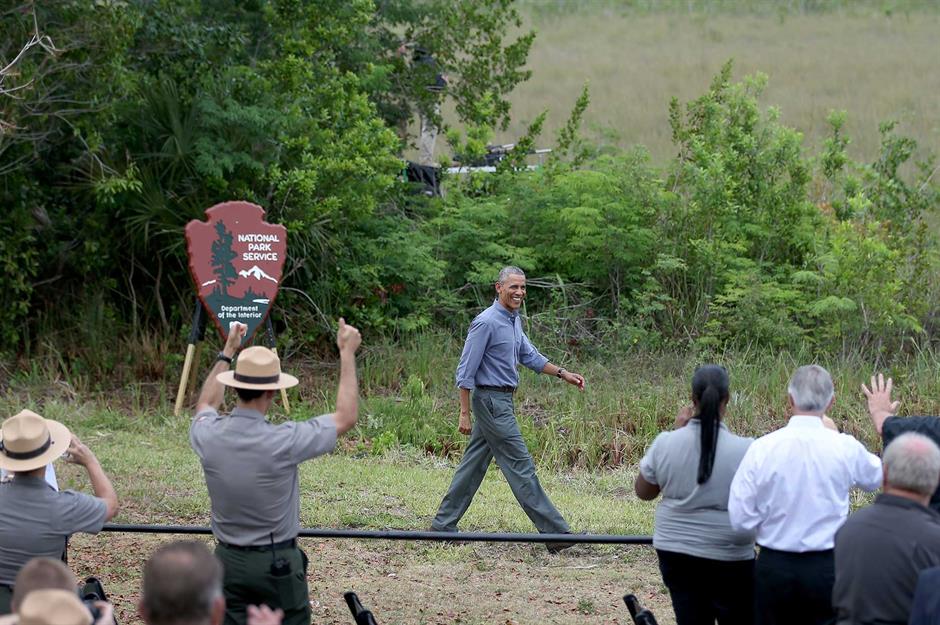
In 2015, the 44th US president Barack Obama visited the Everglades to commemorate Earth Day. After touring part of the park and spotting a few alligators, Obama described the landscape as "magical" – but emphasized the importance of tackling climate change to prevent the devastation of this beautiful park.
2022: The Everglades celebrates its birthday
On December 6, 2022, the Everglades National Park marked its 75th anniversary. Celebrations began early in the town of Flamingo on Saturday, December 3 with a roster of family-fun events including live music, historic re-enactments, and a rededication ceremony at the new Guy Bradley Visitor Center, plus guided tours of the Flamingo Lodge & Restaurant, which opened in 2023.
2023: Work begins on "the crown jewel" of the Everglades' restoration
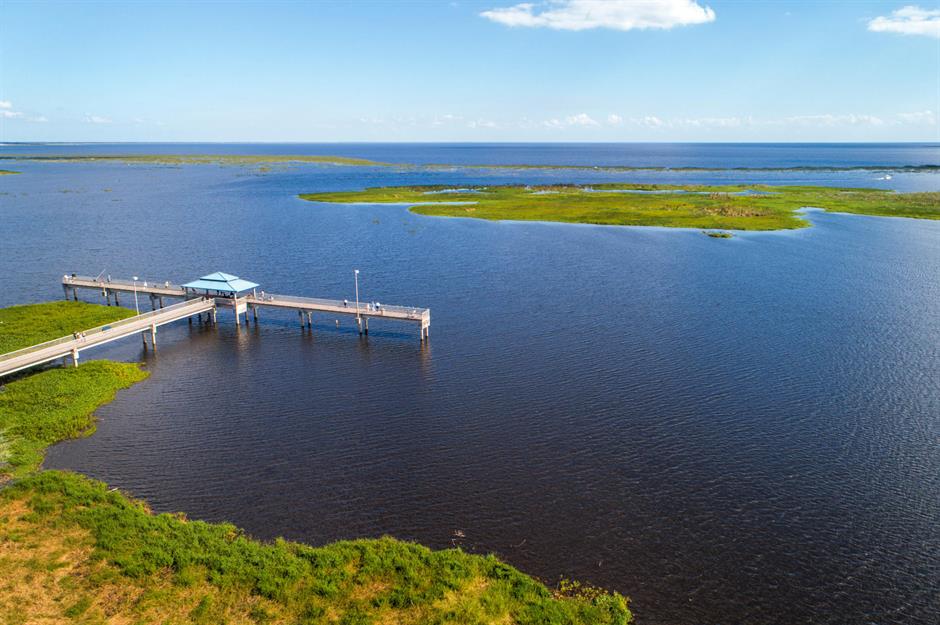
In February 2023, diggers set to work on a multibillion-dollar project to build a reservoir in the Everglades the size of Manhattan Island. Decades in the making, the reservoir – when it's completed sometime in the 2030s – will help to deliver a secure and long-term supply of clean drinking water to Florida's residents.
The Everglades Agricultural Area (EAA) reservoir will be situated just south of Lake Okeechobee, the largest freshwater lake in the state. Conservationists have dubbed it "the crown jewel" of the Everglades' restoration.
Now take a look at how we've ranked the best view in every US state