The world's abandoned movie theatres
Fade to black
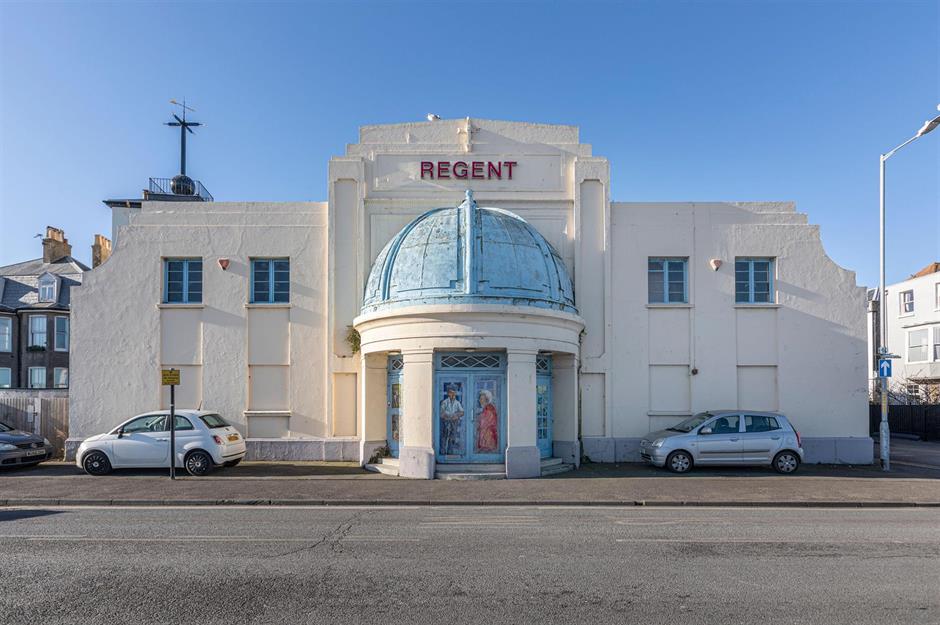
A trip to the movies was once the ultimate night out. Watching the latest film to hit the big screen was a highly anticipated event, and going to the flicks on a first date was a teenage rite of passage. But declining audiences, mainly due to competition from modern multiplexes and home streaming, has seen many beloved cinemas close their doors over the decades.
Click through the gallery to see the eeriest, most atmospheric abandoned movie theatres in towns and cities around the world...
Proctor's Palace Theatre, Newark, New Jersey, USA
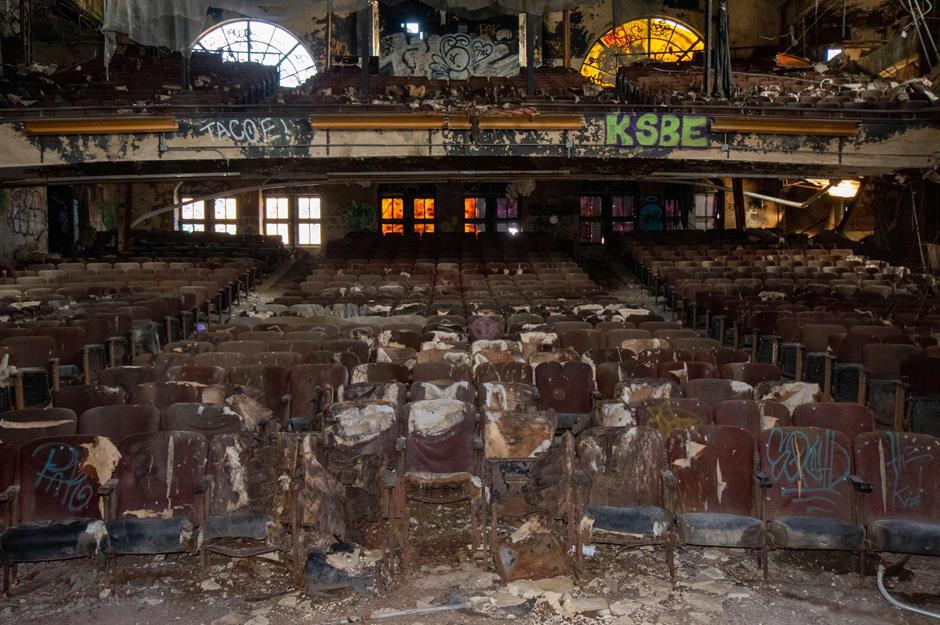
Opening in downtown Newark in 1915 as a vaudeville theatre, Proctor's Palace was notable for its double-decker design, inspired by the old 'roof garden theatres'.
The eight-storey building housed two theatres: the larger ground-floor venue could seat more than 2,000 spectators, while the upper one, known as the Lyceum, took over the top four floors of the building. (It was renovated and renamed the Penthouse Cinema in the 1960s.)
Proctor's Palace Theatre, Newark, New Jersey, USA
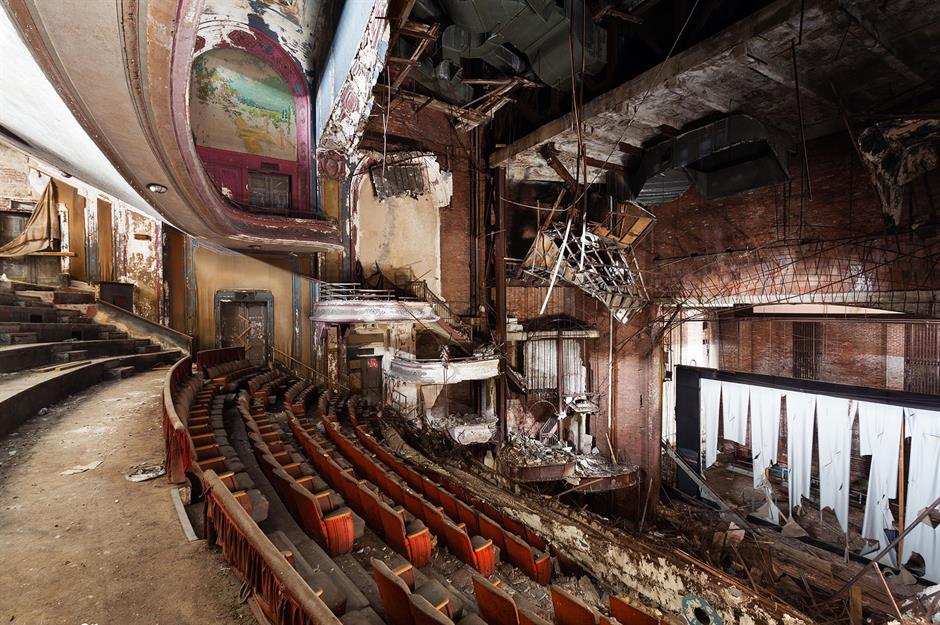
The venue started to show films, as well as vaudeville plays, in 1926, when a projection booth was installed on one of the balconies. From this decade on, it was used purely as a movie theatre. The languishing landmark shuttered in 1968, though, and its ornate interiors were left to waste away.
Graffiti now covers both of its derelict auditoriums, although plans have been submitted to restore the historic theatre and convert it into apartments, pending approval.
Sponsored Content
The New Victoria/Odeon, Edinburgh, Scotland, UK
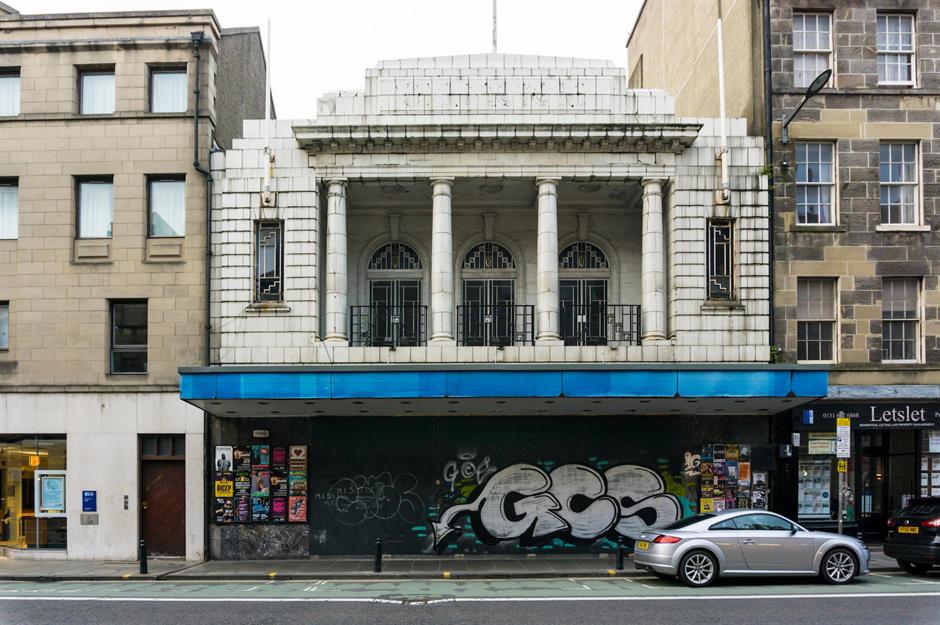
Behind the graffitied boards at the old Odeon on Clerk Street, there's a decorative foyer and bar with faded but original Art Deco features. This beloved venue in Edinburgh's Southside holds a special place in the heart of many locals (who started a crowdfunding campaign to save it from demolition) and has historical significance.
Opening in 1930, it was designed for the Gaumont company by prominent cinema architects WE Trent & JW Jordan with seating for 2,058 people. Statues adorned its auditorium walls and, at one point, the roof was decorated with little star-like lights.
The New Victoria/Odeon, Edinburgh, Scotland, UK
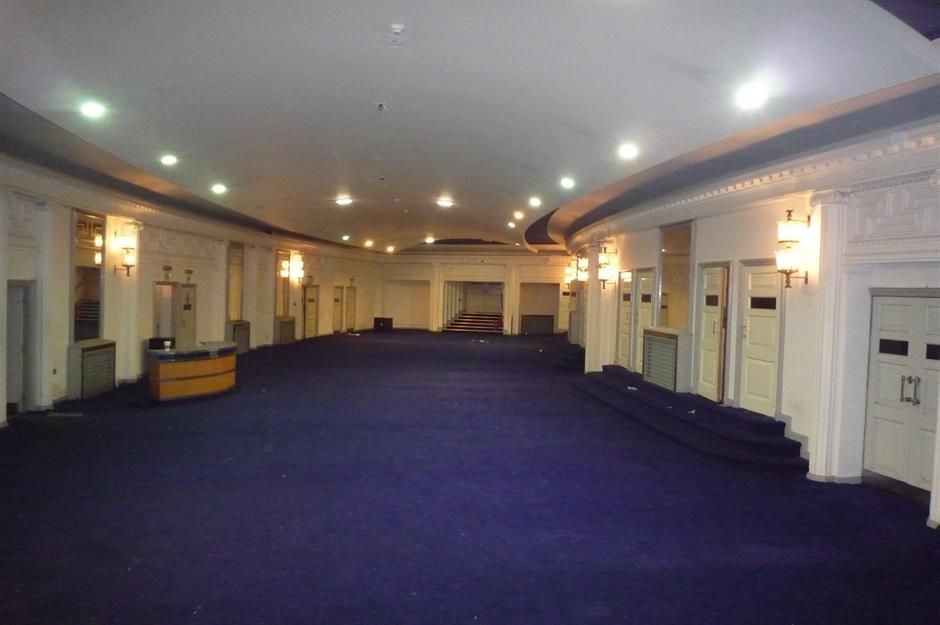
In 1964, the cinema became the Odeon and started to host live music too, with The Clash, Bay City Rollers and Elton John all gracing its stage. It closed in 2003 when Odeon sold the building to a property developer. Since then, it’s changed ownership a few times and has been designated a Grade A-listed building.
Aside from being used as an occasional venue for the Edinburgh Fringe Festival, the landmark has been left to languish. Ongoing work to restore the cinema began in 2024.
The George Cinema, Edinburgh, Scotland, UK
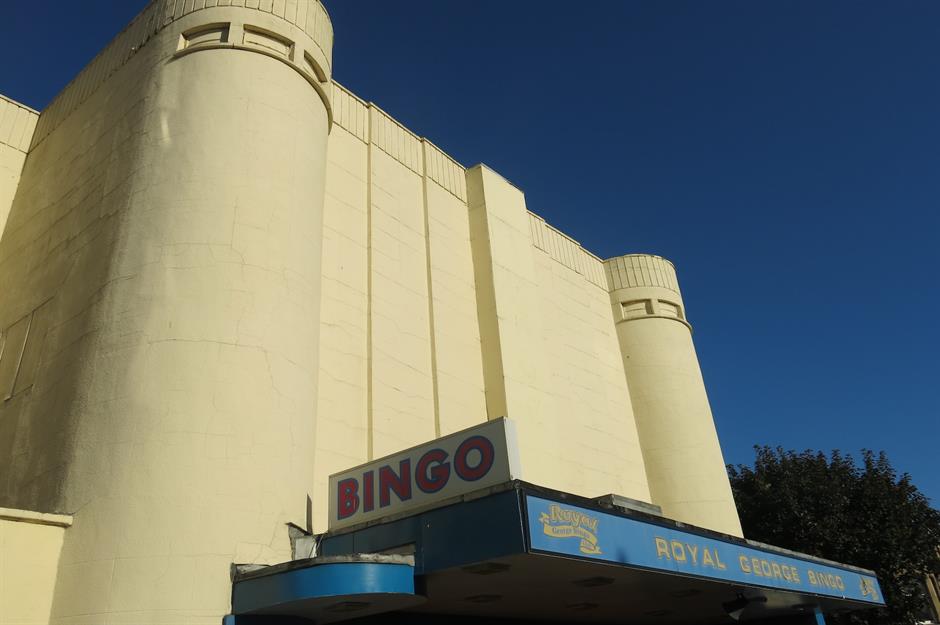
Once a popular venue with families spending a day by the seaside, Portobello's handsome George Cinema has sat empty since 2016. It recently escaped a demolition order, thanks to community action, and various proposals for redevelopment have fallen by the wayside.
Opening in 1939 as the County Cinema in Edinburgh's seaside suburb, it had a painted Art Deco façade that was illuminated by a column of changing neon lights. It was later renamed the George and continued to draw filmgoers until 1974 when, like many other small cinemas around the UK, it was converted into a bingo hall before closing completely.
Sponsored Content
Reel Cinema, Plymouth, England, UK
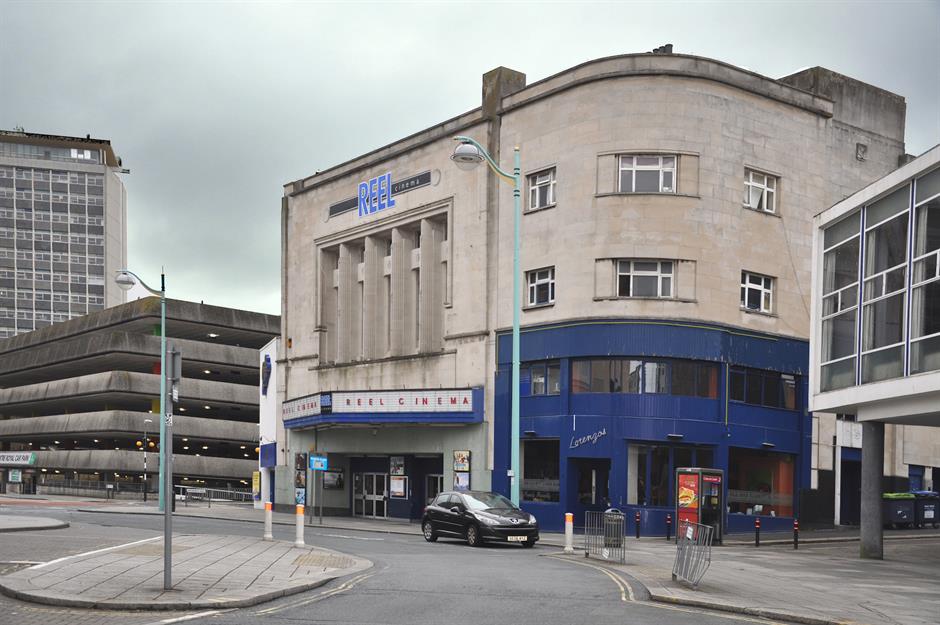
Much to the local community’s dismay, the Art Deco purpose-built picture house on Plymouth’s Derry's Cross closed its doors for good in February 2019. First opened as the Royal Cinema in 1938, it was re-named ABC in 1958 and was a live music venue, hosting big-name acts like The Beatles, T-Rex, The Rolling Stones and Elton John. It was also a bingo hall at one point.
Acquired by Reel Cinemas in 2006, the chain announced it would close due to competition from a 12-screen multiplex nearby. In June 2025 a local community group, the Plymouth Royal Cinema Community Benefit Society, announced plans to raise money and save the building.
Cinema Dacia, Bucharest, Romania
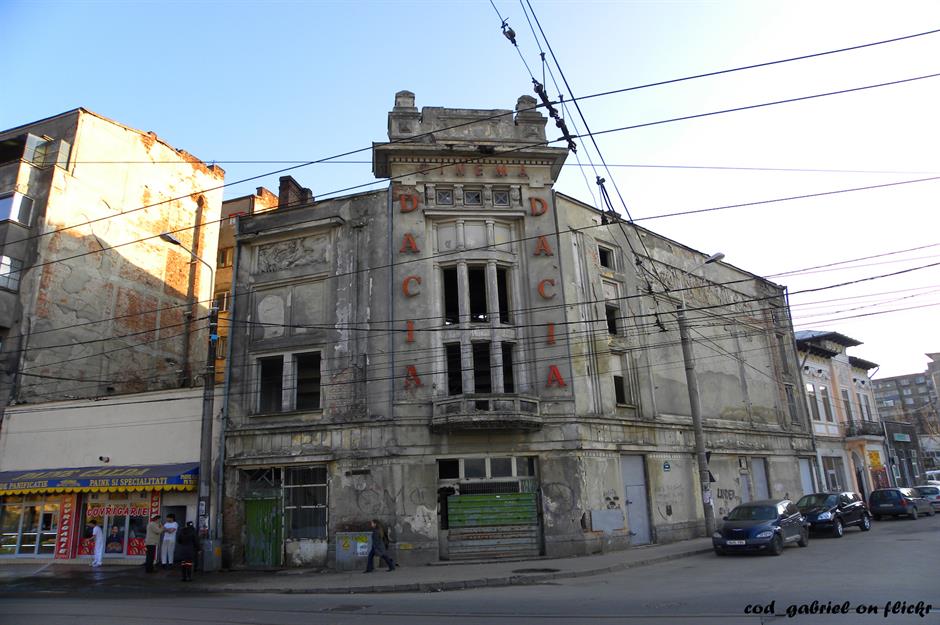
First opening under the name Marconi (in reference to the inventor of radio transmissions), this faded beauty in central Bucharest is another example of an Art Deco cinema that's been left to ruin for decades. When the communist regime was established in Romania in 1948, the cinema was renamed the Alexander Popov Cinema, after the Russian physicist, and then finally the Cinema Dacia in the era of communist leader Nicolae Ceaușescu.
Many of the country’s state-owned cinemas were either sold or abandoned in the years after communism collapsed in 1989. A rehabilitation programme has been put in place to restore Cinema Dacia, hopefully by 2029.
Al Malaki Cinema, Casablanca, Morocco
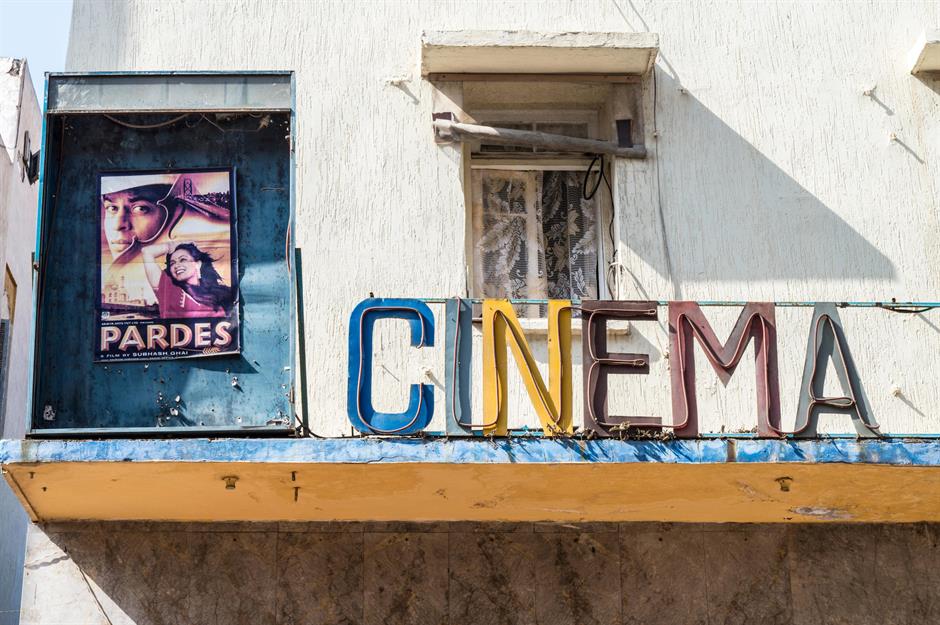
The lights are well and truly switched off at Al Malaki Cinema, a down-at-heel building in the Derb Sultan neighbourhood of Casablanca. The venue had grand beginnings, though: it was commissioned by King Mohammed V in the 1940s and its name means 'The Royal' in Arabic.
It has been closed and left derelict since 2016, used as a storage space or dumping ground by traders in the local market. The historic venue is just one of many cinemas that have closed their doors for good in Morocco, with more joining the list since the pandemic.
Sponsored Content
Regal Cinema, London, England, UK
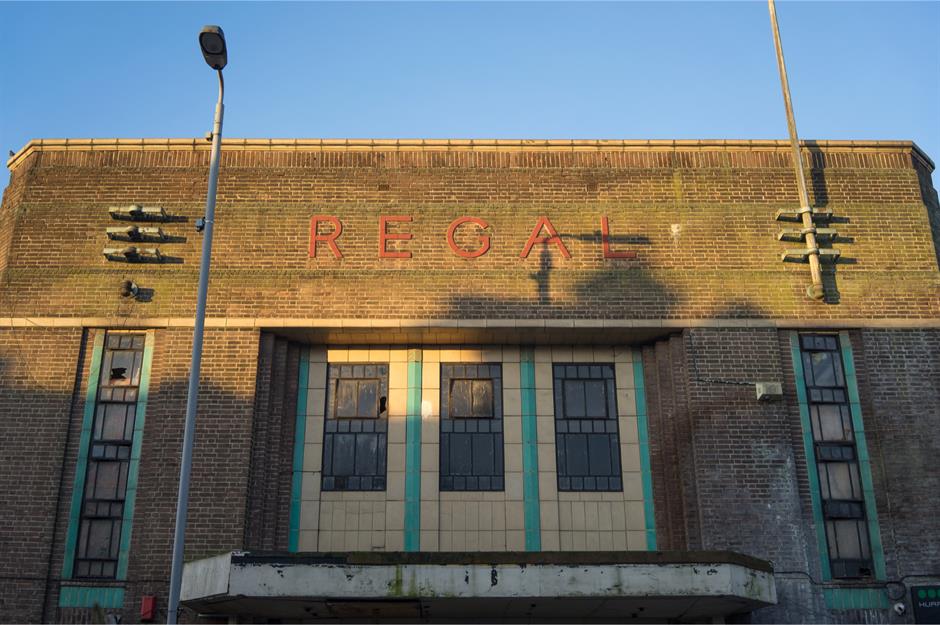
Plans to convert the Regal Cinema in Highams Park, East London, into offices appear to have stalled, so the attractive building remains boarded up and empty for now. Originally called the Highams Park Electric Theatre when it opened its doors in 1911, it was designed by the architect WA Lewis – though its striking Art Deco façade and entrance foyer were added later, in 1935, when the cinema was partly rebuilt.
A community hub for decades, and always independently operated, the Regal stopped showing films in 1963 and was repurposed for use as a bingo and snooker hall.
Victory Theater, Holyoke, Massachusetts, USA
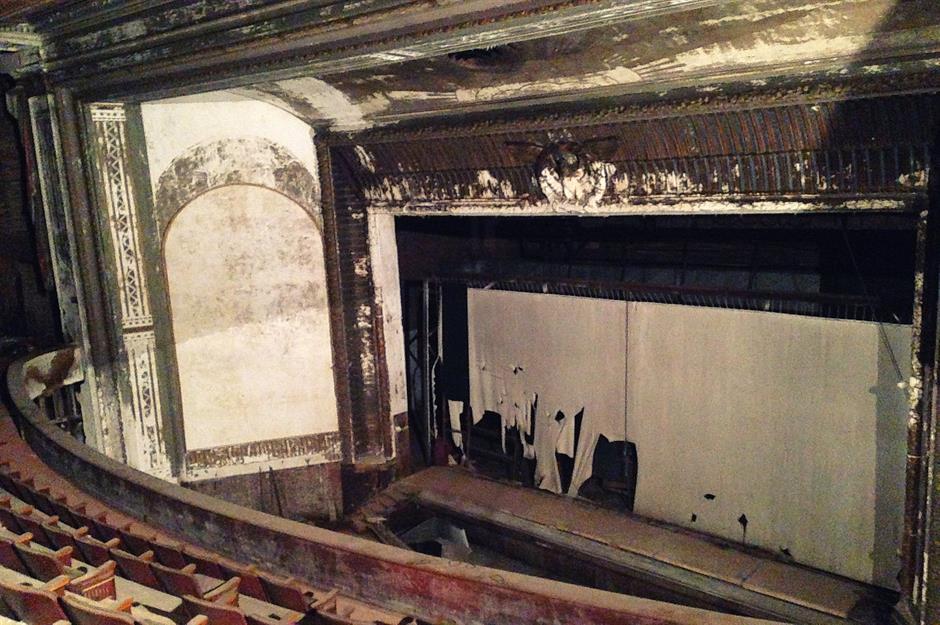
Opening in 1920 as part of a new generation of Broadway-style theatres, Holyoke’s grand, century-old venue was named for the outcome of World War I. Located at 81-89 Suffolk Street, the lavish space had 1,600 seats and offered its audience a combined bill of a silent film and stage show, complete with live music from an orchestra. But it closed in 1979 and was left to decay.
The historic landmark was purchased by the Massachusetts International Festival of the Arts (MIFA) in 2009 and efforts to restore the theatre to its former glory are ongoing.
Majestic Theater, East St Louis, Illinois, USA
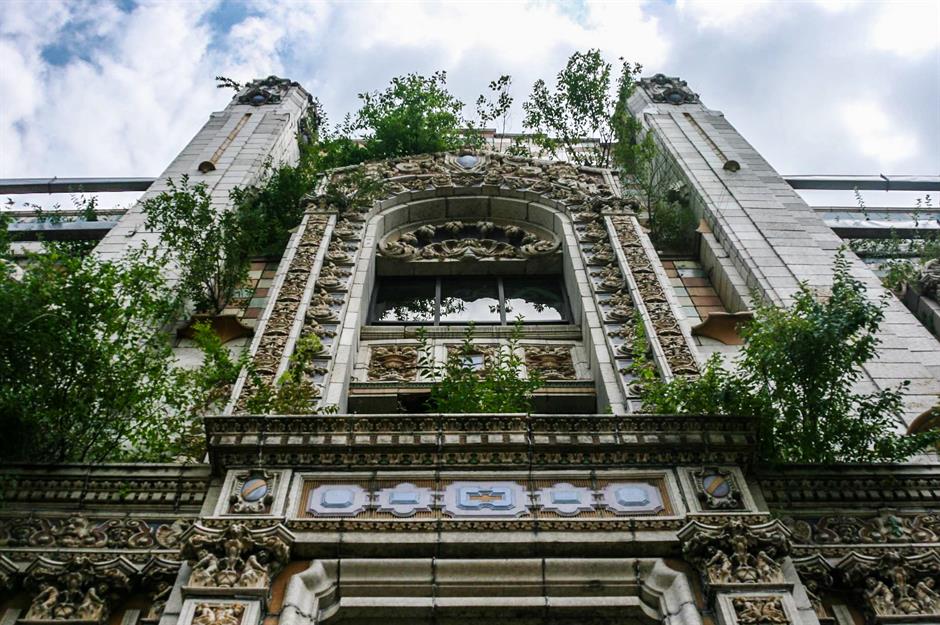
Originally a vaudeville venue, the Majestic on East St Louis’ Collinsville Avenue was one of the first theatres in the area to show talking motion pictures, as a sound system was installed less than a year into operations.
But despite the theatre's 'majestic' looks, declining ticket sales and high operating costs led to its decline and the doors were locked in the 1960s. The imposing building was added to the National Register of Historic Places in 1985 and is currently undergoing a revitalisation project to restore its historic beauty and adapt it for modern use.
Sponsored Content
Loew's Majestic and Palace Theatres, Bridgeport, Connecticut, USA
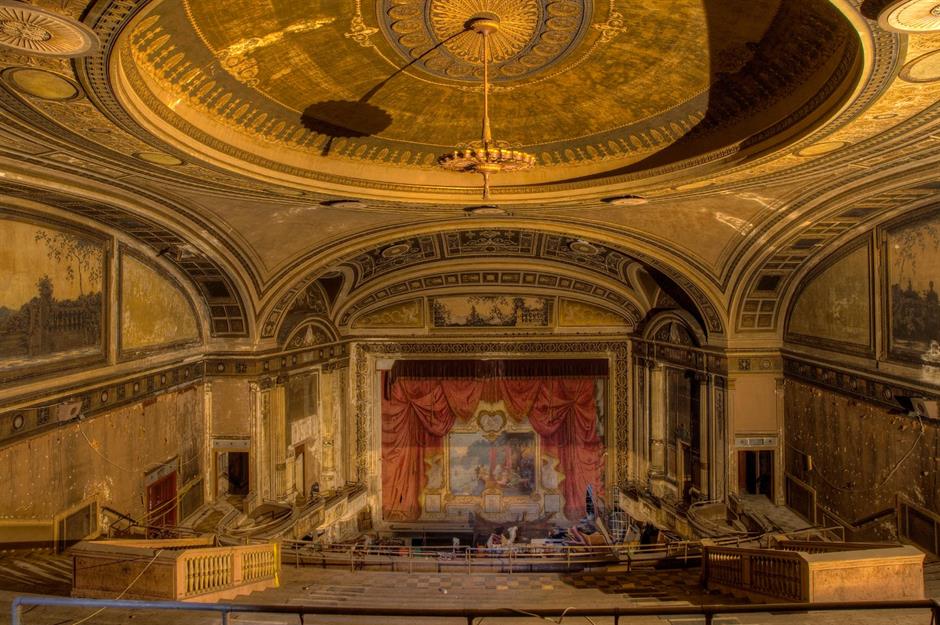
Opened in 1922, the ambitious and ornate Poli Palace was commissioned by theatre magnate Sylvester Z. Poli and was designed by architect Thomas W. Lamb, famed for his grand venues. The interior was notable for its exquisite frescos, ornate plasterwork and chandeliers. It was the largest theatre in Connecticut and acclaimed actress Mae West even trod its boards in 1927.
At first, vaudeville shows and silent films were on the bill, until 'talkies' (motion pictures with sound) brought forward-thinking crowds into the venue. It was sold to the Loew’s theatre chain in 1934 and its name was changed to Loew’s Poli and eventually the Loew’s Palace Theatre.
Loew's Majestic and Palace Theatres, Bridgeport, Connecticut, USA
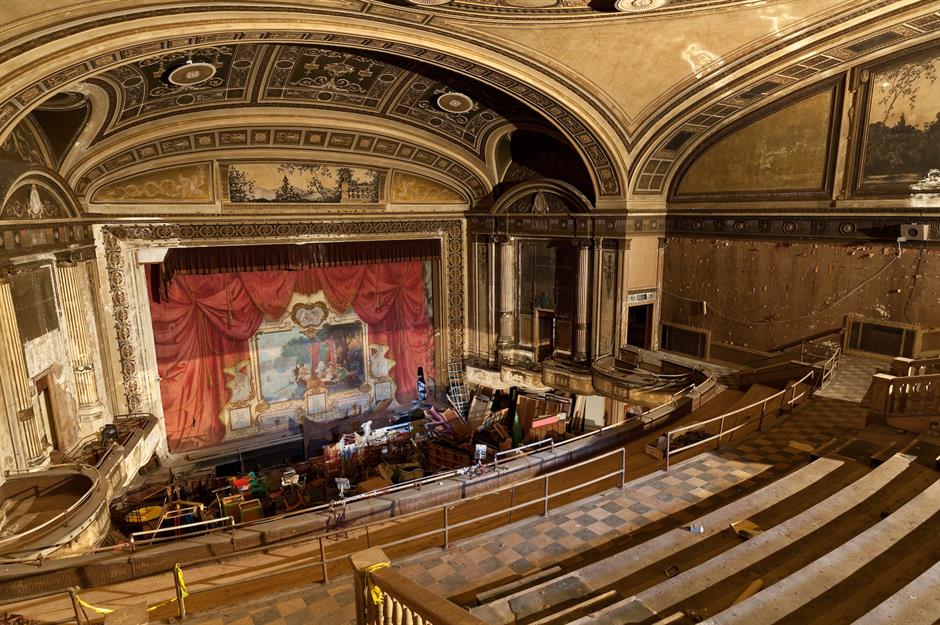
The vast, ground-breaking complex on the port city’s Main Street also housed a second, smaller theatre, the Majestic (pictured), which opened two months later, along with the 109-room Savoy Hotel. The Loew’s Corporation sold the building to a local lawyer in 1964, after the venue declined in popularity, and it ultimately closed for good in the mid-Seventies.
Since then, the disused venue (still with many original, if crumbling, features intact) has opened for the occasional tour and ghost hunt, and it's also been used as a film set and for storage by a local theatre company. It's been listed on the National Register of Historic Places since 1979, so there are hopes the building will eventually be restored.
Regent Cinema, Deal, England, UK
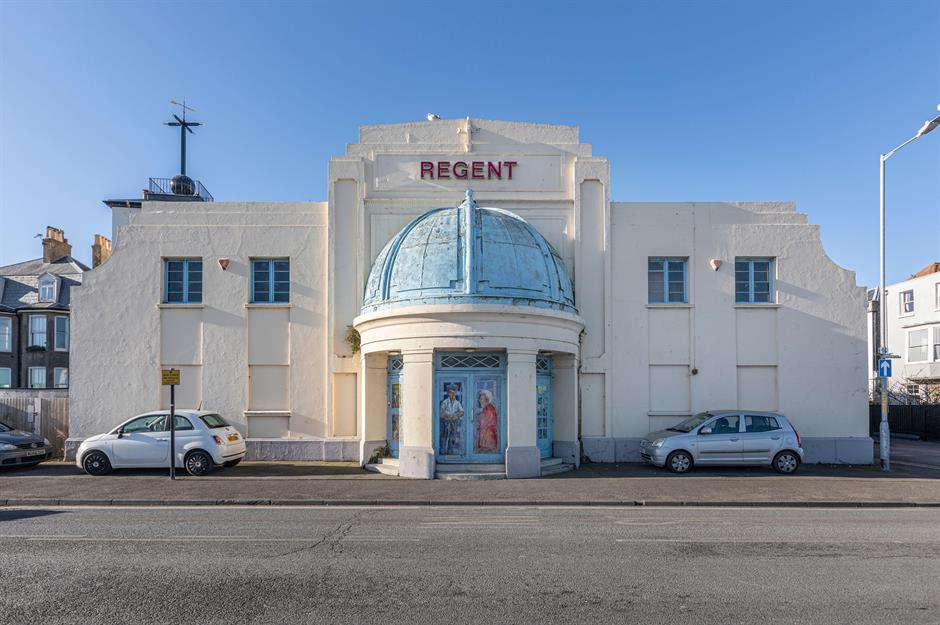
Many British seaside towns once boasted a cinema, built during their heyday in the 1930s and 1940s to entertain holidaymakers. But many closed down decades later as their popularity declined, some going on to be used as deckchair storage or as bingo halls. Regent Cinema on Deal's seafront is one such place.
It first opened as an iron-and-glass pavilion in 1928 and was used for performances by military bands; its classic Art Deco cinema frontage was added in 1933. It closed in 1963 and became a bingo hall until 2009 and is now showing serious signs of neglect – water damage, a collapsed roof, pigeon infestation and trespassers have all taken their toll. A campaign to reopen the Regent is ongoing.
Sponsored Content
The Ritz, Natchez, Mississippi, USA
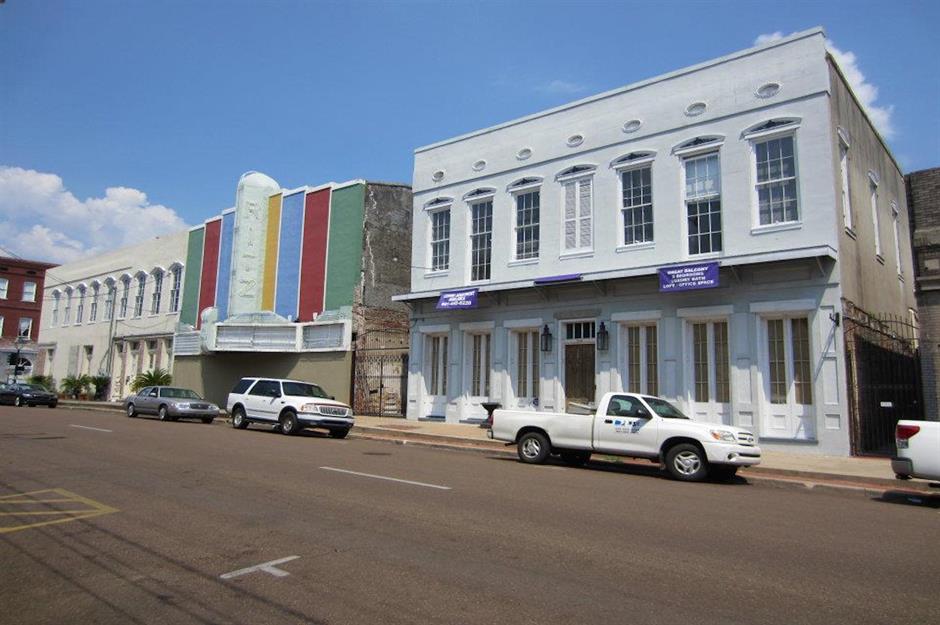
With a distinctive colourful façade and marquee, the Ritz Theatre opened as a 700-seat motion picture house in December 1935 on Natchez’s North Commerce Street. The cinema had various owners over the years, until it stopped screening films altogether in the 1960s and was used mostly for storage.
After its roof collapsed in 2000, the City of Natchez ordered the owners to make the property safe or demolish it. However, in 2002, two local businessmen purchased The Ritz and donated it to the Historic Natchez Foundation. In turn, it has recently found new owners who promise to restore the old landmark.
Empress Theatre, Montreal, Québec, Canada
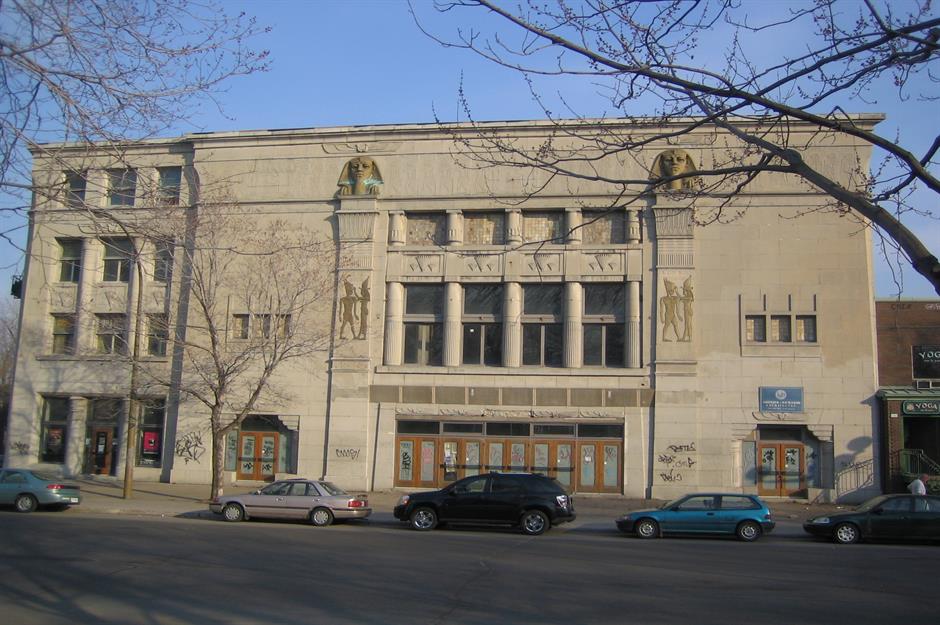
With its striking Egyptian Revival-style design, the long-abandoned Empress Theatre remains an arresting sight on Sherbrooke Street West in Montreal’s Notre-Dame-de-Grâce district. It dates to 1927, when vaudeville performances were all the rage, and its architect, Joseph-Alcide Chaussé, was inspired by the discovery of Tutankhamun’s tomb in 1922. Renamed the Royal Follies in 1962, it became a café-theatre before being repurposed into a two-tiered cinema in the early Seventies.
In 1988, it was bought by the chain Famous Players and screened blockbuster films until a fire devastated its interior in 1992. It closed and has been deserted since. Consultations are ongoing to bring the local landmark back from the brink.