Abandoned World War I places the world forgot
War-torn wonders
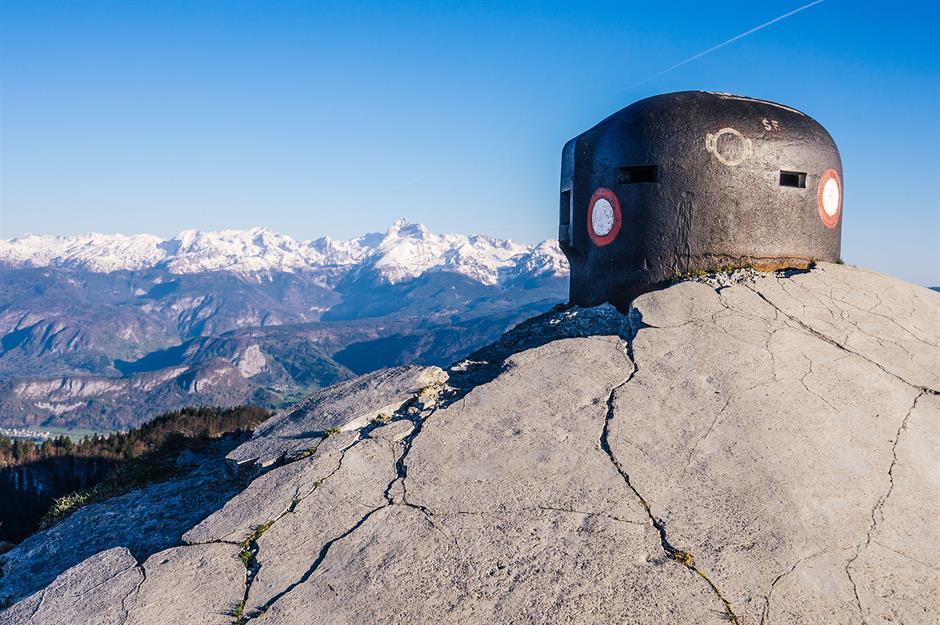
From crumbling fortresses and mountain battlefields to rusty gun emplacements and skeletal ships, there are ghostly reminders from The Great War scattered all over the world.
Click through the gallery to uncover the secrets and stories from some of the most incredible abandoned World War I sights across the globe...
Monte Pasubio, Trentino, Italy
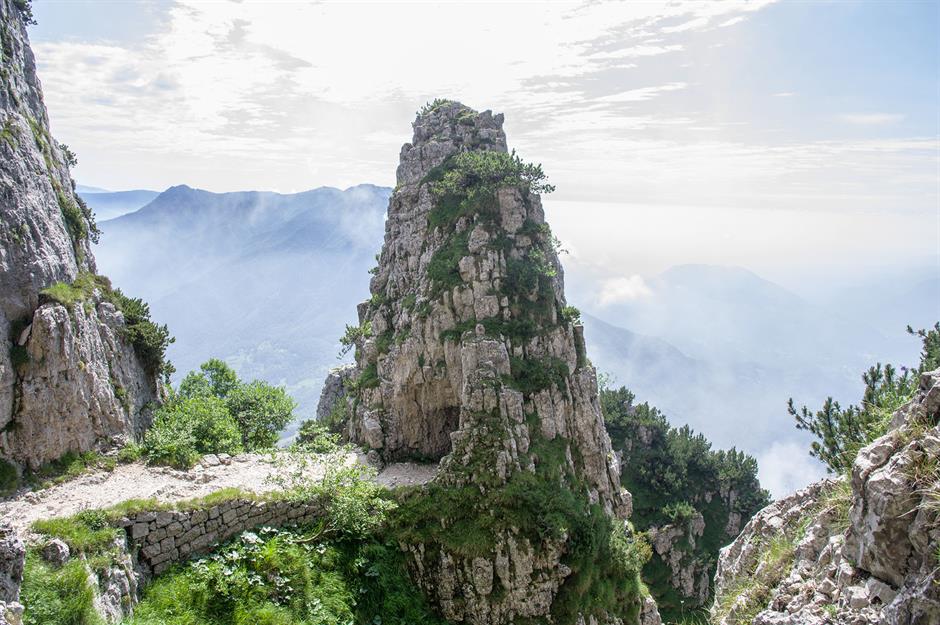
Soaring more than 6,500 feet tall (2,000m), the jagged peaks and rocky plateaus of Monte Pasubio were home to one of the most remote battlefields of World War I. Located in Trentino, Italy, it was here that Italian and Austrian soldiers engaged in years of gruelling warfare in freezing rock-cut trenches and dugouts.
Here we see one of the spectacular entrances to a tunnel of the Strada delle 52 Gallerie (52 tunnels road), a military mule road built here during World War I.
Edegem Fortress, Antwerp, Belgium
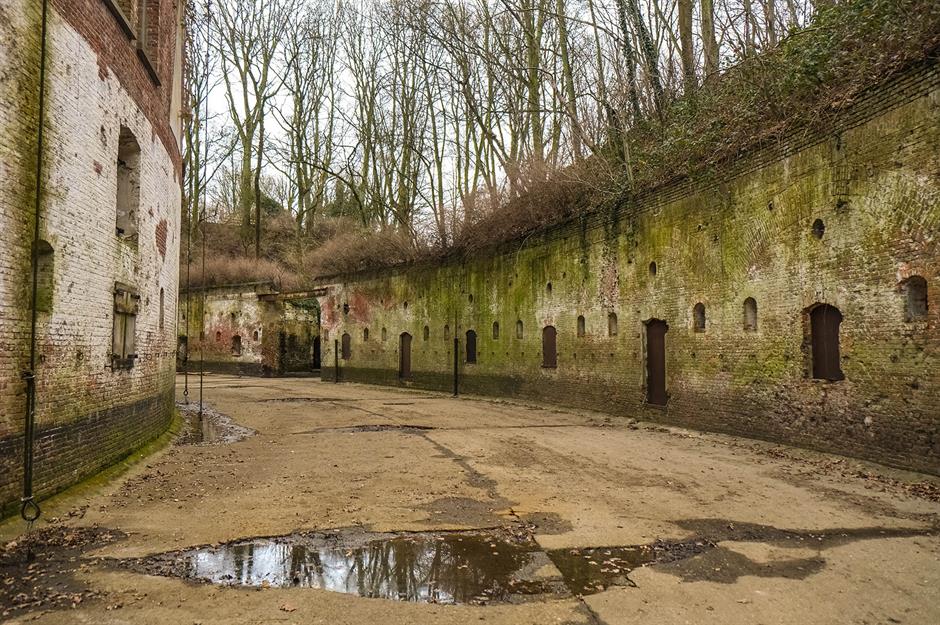
Lying in the Belgian province of Antwerp is a foreboding fortification known as Edegem Fortress. By the late 19th century, the rise in the use and power of modern military weapons all over the world meant that cities needed to be protected from this new technology, so forts like this were often placed in rings several miles from the city centre.
Edegem Fortress was one of several forts known collectively as the ‘Big Rampart’ that served as Antwerp’s main line of resistance and protection during World War I in 1914.
Sponsored Content
Machine gun pillbox, Norfolk, England
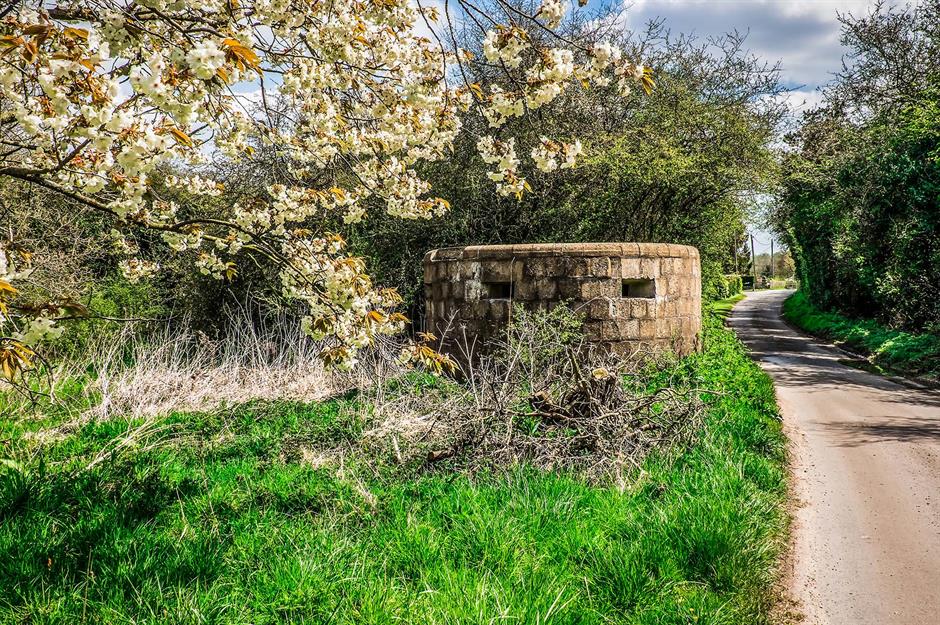
Known as a pillbox, these small reinforced concrete structures were built as a defence against land fighting near coastal areas. With growing fears of a German invasion, trenches and pillboxes were built on routeways across England as part of larger defence systems to help protect coastal batteries, airfields and radar stations.
Pictured here is a machine gun pillbox located in Norfolk in the east of England.
Fort Hermann, Bovec, Slovenia
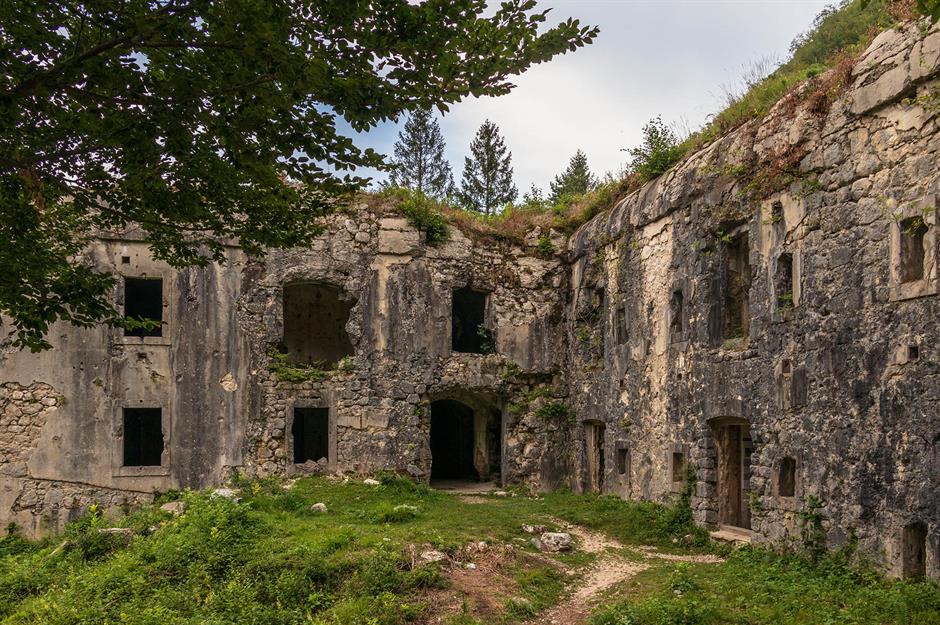
Similar to Fort Kluže just a few miles away, this sprawling Austro-Hungarian fort can be found in Slovenia’s Isonzo Valley.
Fort Herman was constructed between the late 19th and early 20th centuries to protect a crucial pass near Mount Rombon, just north of the Isonzo River. When fighting would spread up the mountain, fortifications such as these would sadly prove futile.
Love this? Follow our Facebook page for more travel inspiration
SS Heroic, Sydney, New South Wales, Australia
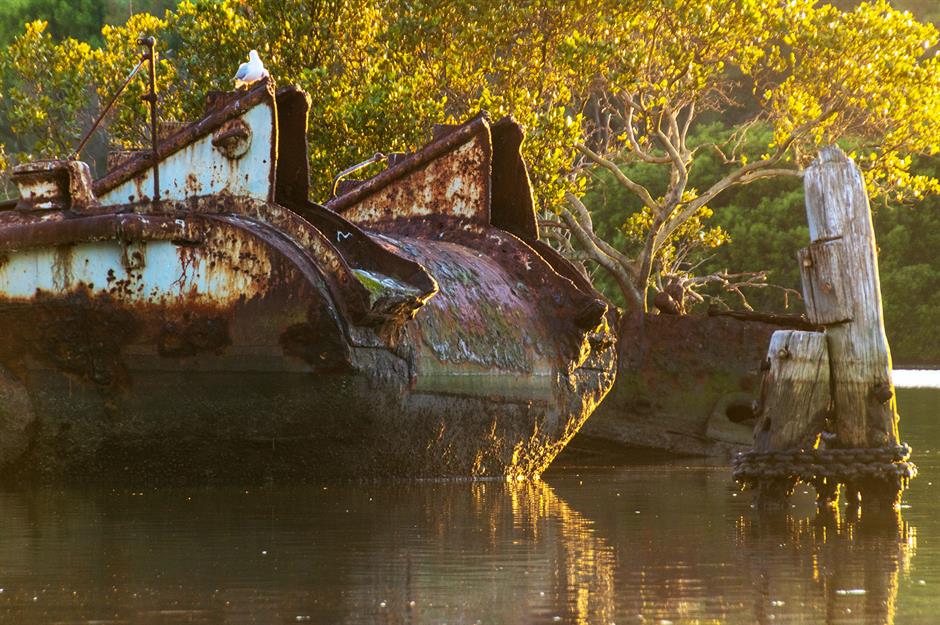
This steel-hulled steamboat tug was originally built in Newcastle, England for Thomas Fenwick, a Sydney-based tugboat operator.
The ship was used by the Royal Navy during both World Wars for rescue services off the Scilly Isles before it was sold for scrap metal in the 1970s.
Sponsored Content
Monte Cengio, Trentino, Italy
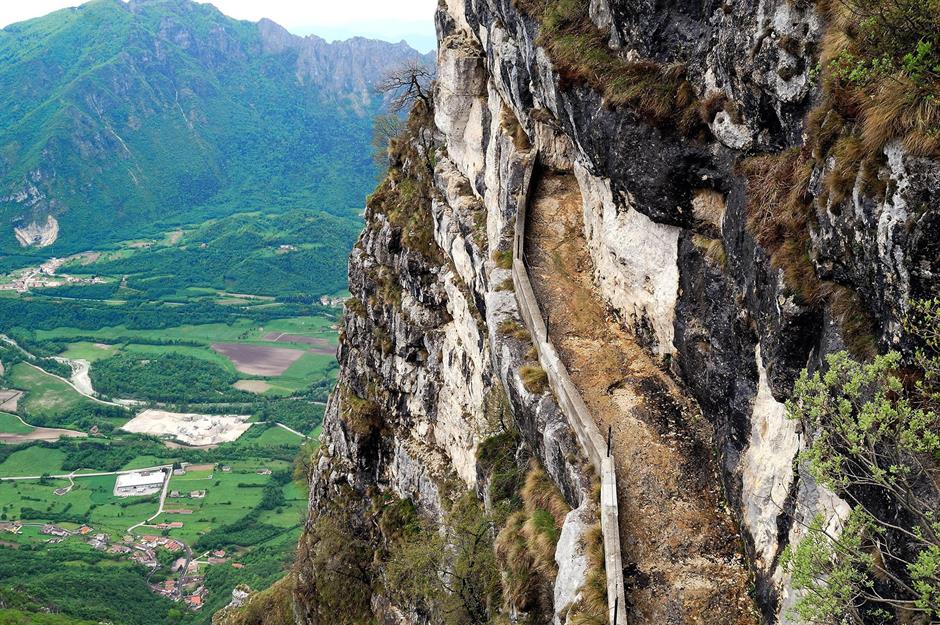
On the southwest end of Italy’s Asiago plateau, Mount Cengio played a crucial role in Italian defences during the war. Measuring over 4,400 feet tall (1,350m), the rocky mountain was overwhelmed in June 1916 by an Austro-Hungarian attack until the Italian army counterattacked and recaptured it.
The majority of the surviving fortifications on Monte Cengio were built a year later in 1917.
Fort Mississauga, Ontario, Canada
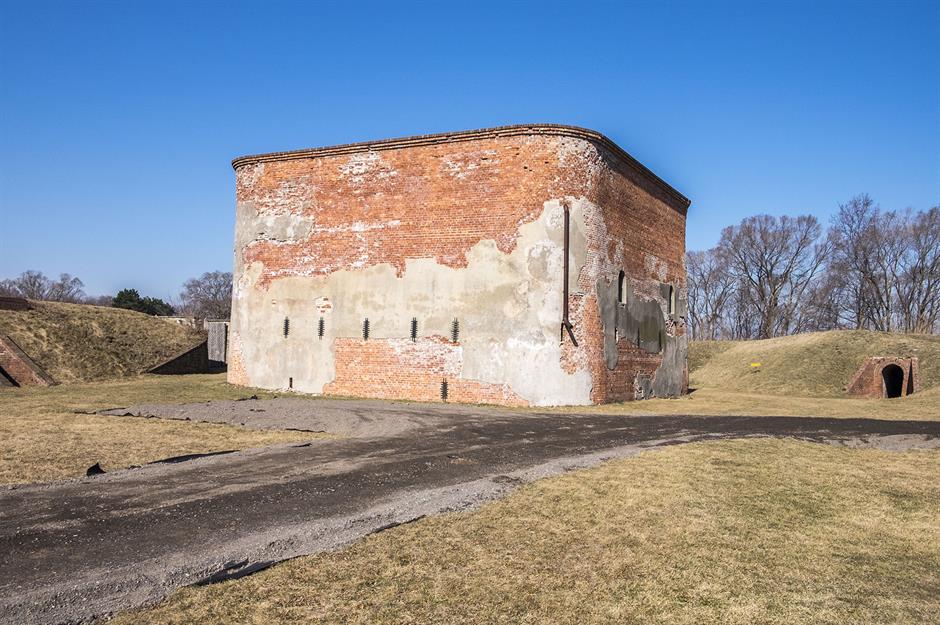
Sitting at the mouth of the Niagara River in Canada, Fort Mississauga was constructed during the War of 1812 between the United States and Great Britain.
The fort features a box-shaped brick tower and historic star-shaped earthworks, which is the only one of its kind in Canada. Like most abandoned fortifications, during World War I Fort Mississauga was reused for military training.
Przemysl Fortress, Poland
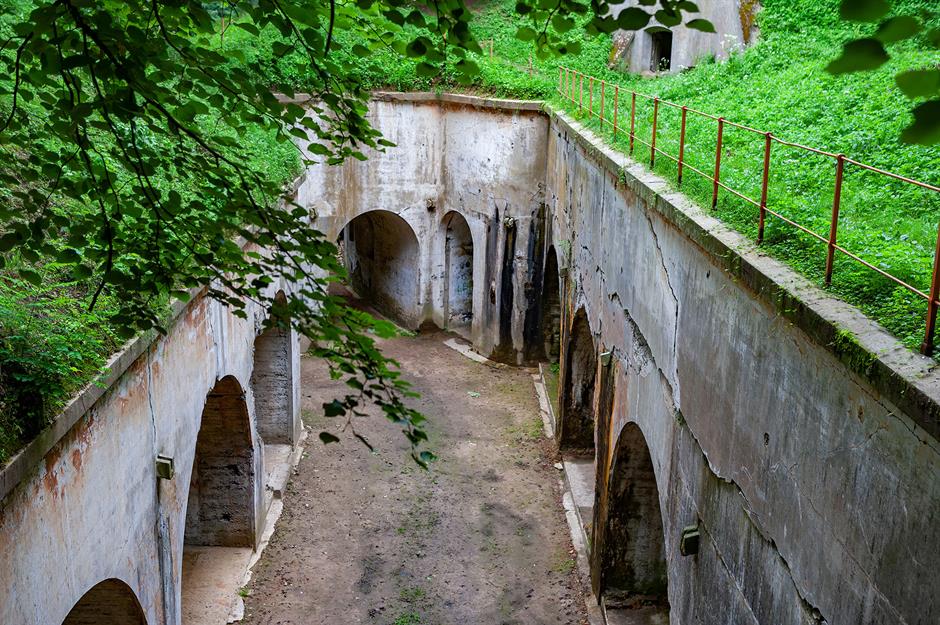
Often regarded as one of the largest permanent fortifications in Europe, this Austro-Hungarian fort complex can be found in Poland sprawled across the approaches of the Carpathian Mountains. In 1914 Przemysl Fortress had three lines of defence, its outer ring had a circumference of around 28 miles (45km) with 17 main forts while the inner defensive system contained 21 forts.
During the Russian attack in September 1914, the Przemysl Fortress was manned by nearly 130,000 soldiers. In March 1915, after 180 days, the men finally surrendered to Russia due to starvation.
Sponsored Content
Mount Maggio, Trentino, Italy
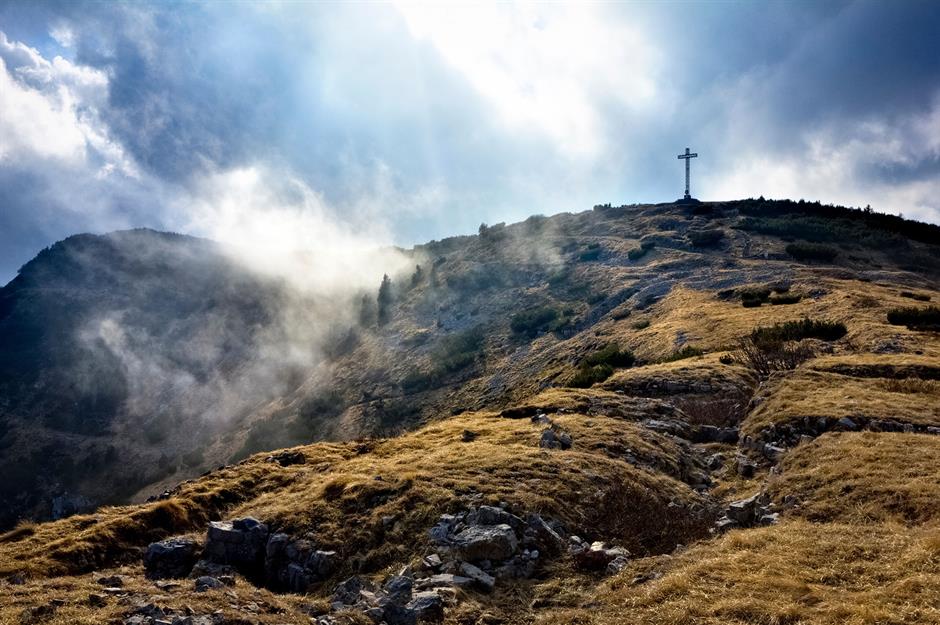
This image shows a series of former World War I trenches, dotted across Mount Maggio in Italy.
The trenches were strategically positioned to provide a clear view of fire down the mountain.
Searchlight emplacement, Blyth Battery, England
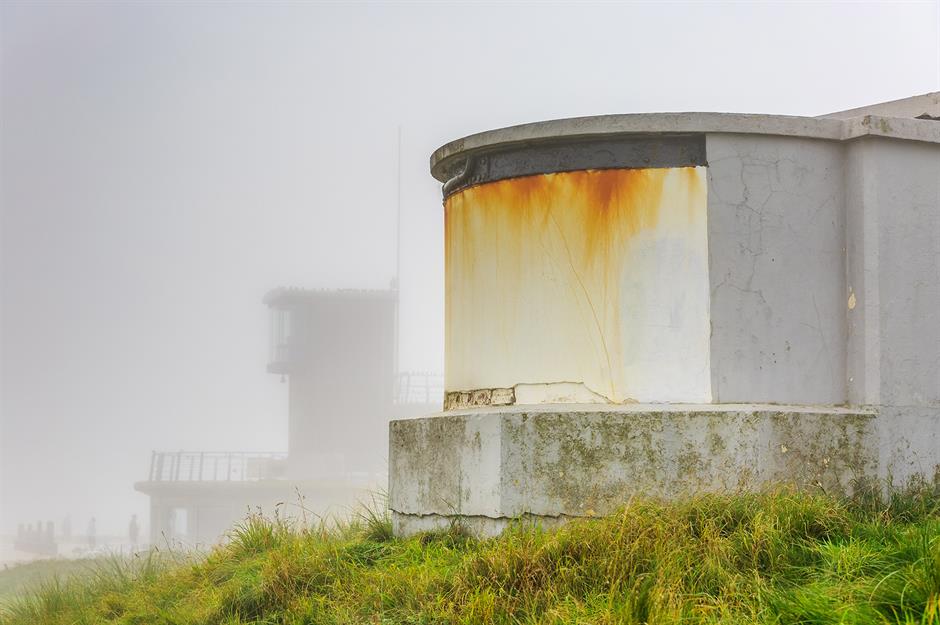
Nestled on England’s Northumberland coastline, these east coast defences were built in 1916 to defend the country against German naval attacks. Designed by the Durham Fortress Engineers RE, Blyth Battery featured two searchlights and two six-inch (15cm) quick-firing guns which were operated by around 80 men.
Since then, Blyth Battery has been transformed into a war museum run by volunteers.
Sanctuary Wood, Ypres, Belgium
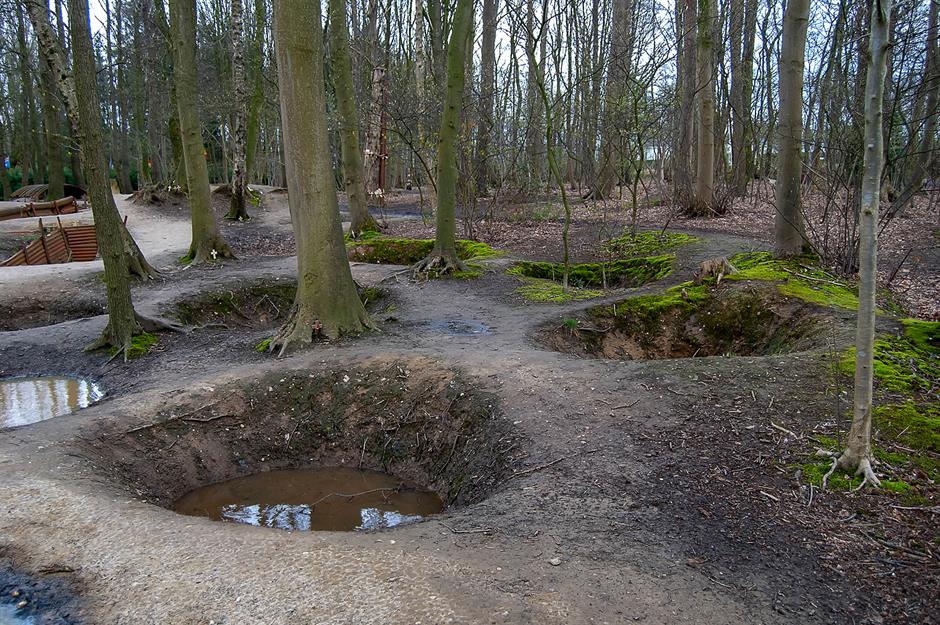
Sitting on a hilltop overlooking the Belgian city of Ypres, Sanctuary Wood is an incredibly well-preserved series of trenches. After World War I ended in 1918, a local farmer and his family returned to their land which had been ravaged by warfare and decided to preserve the trenches left behind.
Today, with its tangled mess of barbed wire, shell-holes and splintered trees, Sanctuary Wood is an eerie reminder of the horrors of war and a popular tourist attraction. In recent years, a museum has been added to the site and it remains one of the best places in the world to explore a World War I trench system.
Sponsored Content
Trenches and fortifications, Cinque Torri, Dolomites, Italy
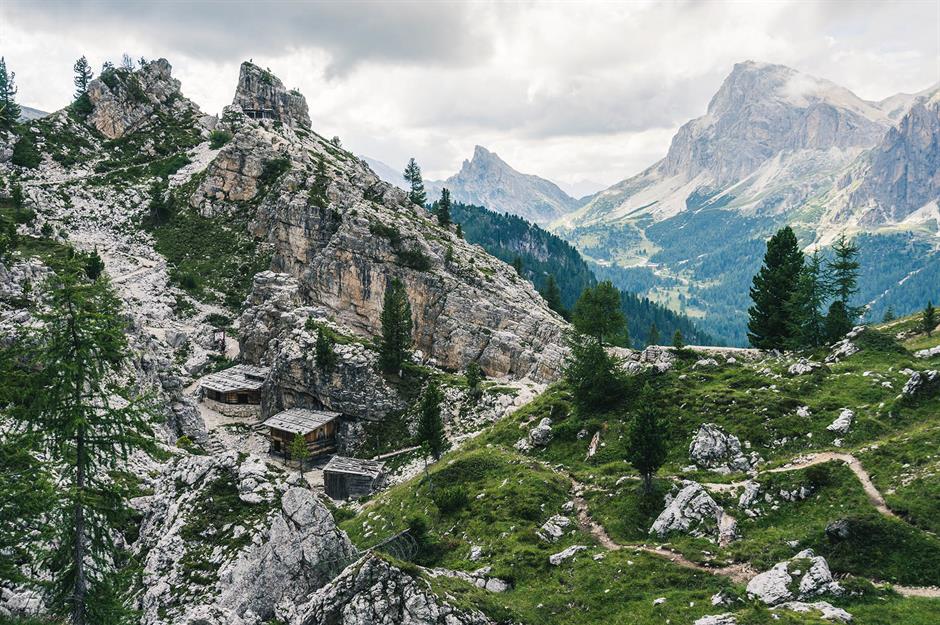
Nicknamed the ‘Five Towers’, Cinque Torri in Italy was the site of fighting between Austrian and Italian troops during World War I. Cinque Torri was occupied by the Italian army who established their artillery headquarters here, building a defence line to prevent Austrian counter-attacks.
Within the striking rock formation, there was a network of machine-gun emplacements, trenches, observation posts and military housing. Today, the trenches have been partially reconstructed, restored and opened to the public as a fascinating open-air museum.
Gun emplacement, Mount Možic, Slovenia
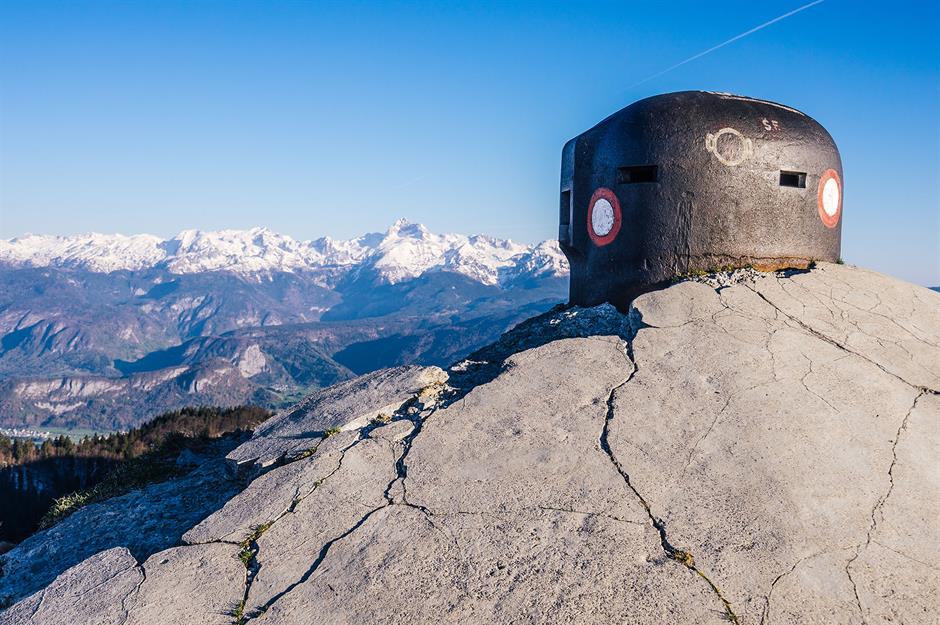
Located on Mount Možic in Slovenia, this steel gun turret is just a few of the surviving and visible features of an underground complex of tunnels and chambers.
The gun emplacement has been strategically positioned on a mountain top overlooking the Isonzo River.
Kaunas Fortress, Lithuania
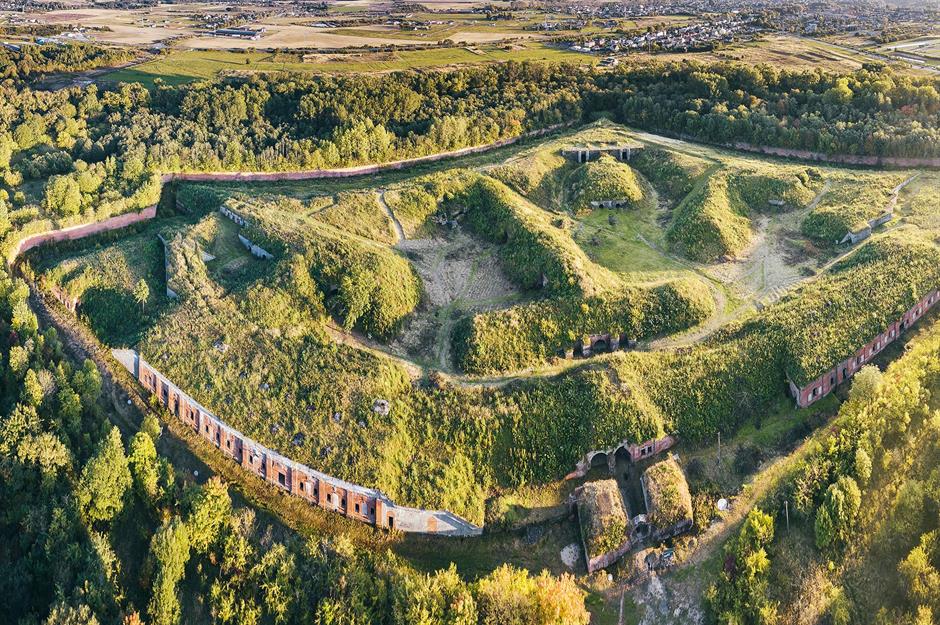
Built between 1882 and 1915, this incredibly large defensive complex in Lithuania was designed to protect the Russian Empire’s western borders.
In 1915, Kaunas Fort survived 11 days of assault before being captured by the German army. The impressive fort was considered one of the most modern fortifications in the Russian Empire.
Sponsored Content
Carpathian Mountains, Europe
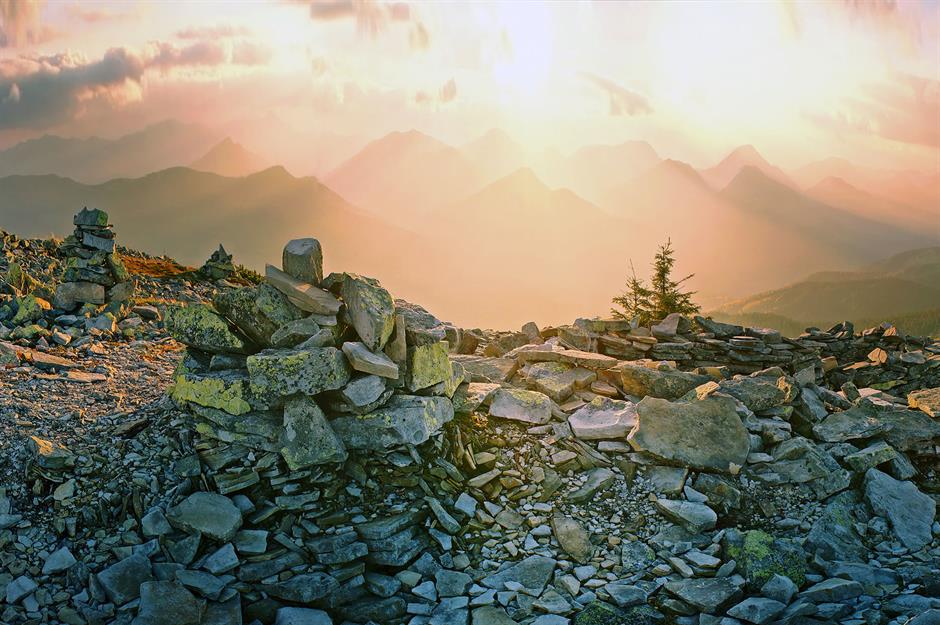
Stretching across central and eastern Europe, the Carpathian Mountains served as a site for warfare between Russian and Austro-Hungarian troops. During World War I, mountain warfare would often spill into some of the highest slopes in Europe.
In this image, the former frontline between German and Russian troops can be seen, with a clear view of the battlefields up in the clouds.
Fort 48 Batowice, Kraków, Poland
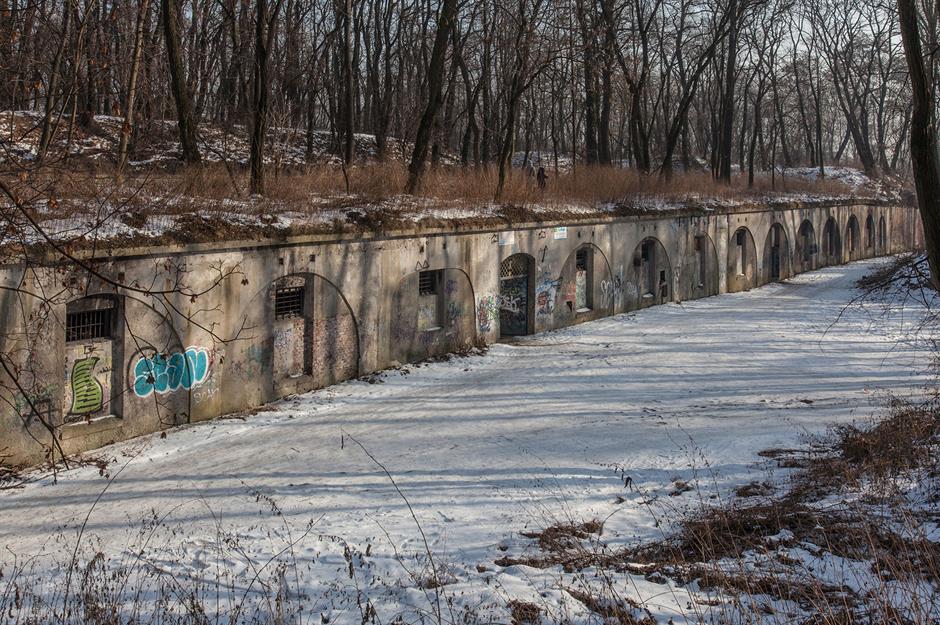
This eerie fort formed part of an outer ring of pre-war Austro-Hungarian artillery forts surrounding Kraków in southern Poland. Built in the 1880s, Fort 48 Batowice is a magnificent example of a typical World War I artillery fort, its outer ring contained and guarded an inner ring of older, possibly medieval city defences.
Remarkably well preserved, the fort was used by the military until 1974 until it was turned into a warehouse surrounded by a green walking area.
Ammunition, Gallipoli, Turkey
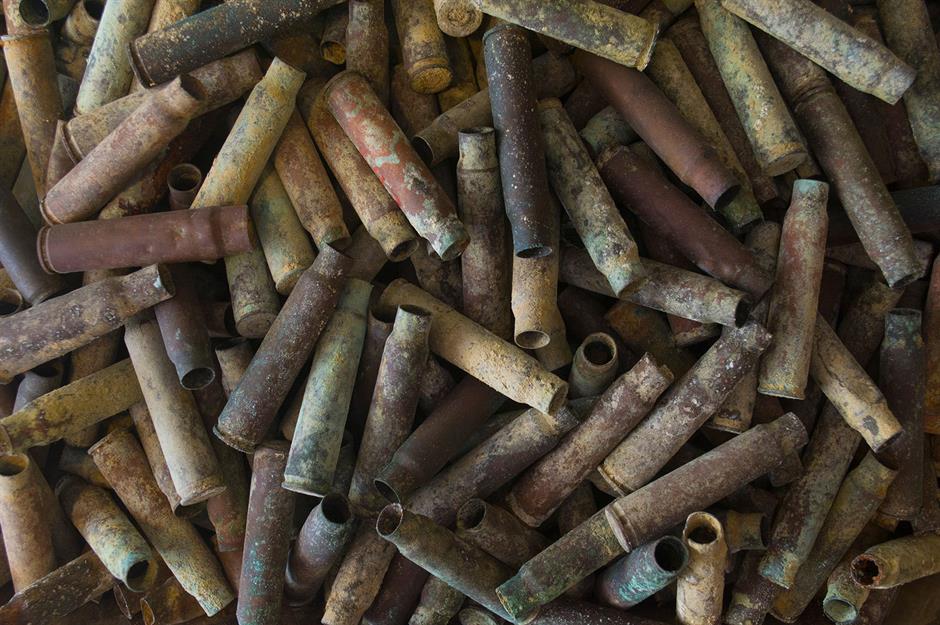
Pictured here is a collection of used Mauser cartridges from the Gallipoli peninsula in Turkey.
During World War I, the German Mauser Gewehr 98 was the standard rifle used by the Ottoman infantry.
Sponsored Content
Artillery emplacement, Mount Zovetto, Italy
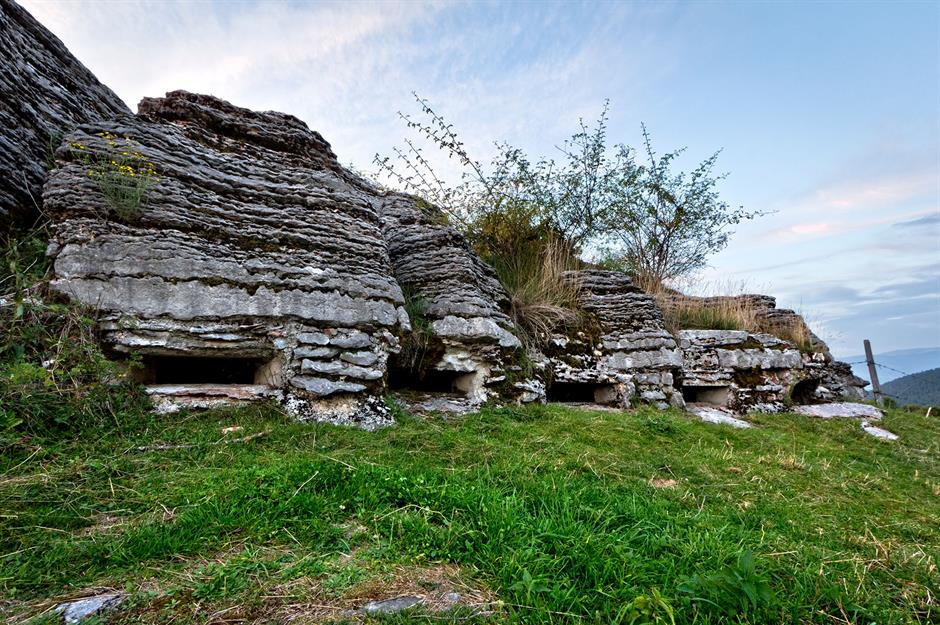
Following the Battle of Caporetto in 1917 where Italian forces were forced to retreat from an Austro-German offensive, British reinforcements were sent to the Italian front that November.
Built by British artillerymen in 1918, this image shows a string of cleverly camouflaged gun ports, featuring extensive rock-cut galleries located behind.
SS Ayrfield, Sydney, New South Wales, Australia
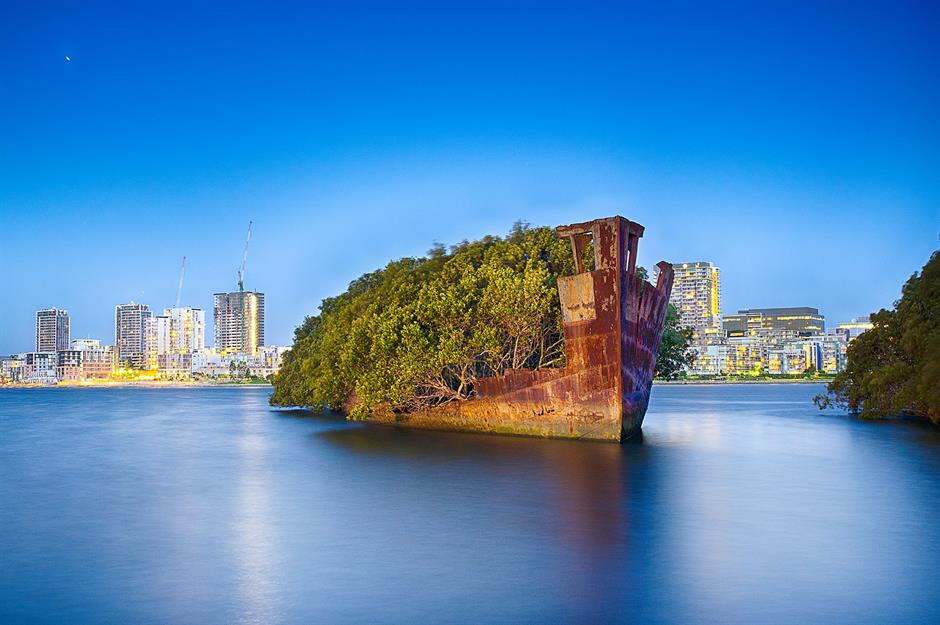
In the heart of Sydney's Homebush Bay, this abandoned cargo ship is a spooky sight. Built in England in 1911, the SS Ayrfield ran coal between Newcastle and Sydney before it was used as a transport ship for Australia during World War II. In the 1970s, the ship was finally decommissioned after decades of service.
Today, its rusty decaying remains have been taken over by greenery, earning it the nickname the ‘Floating Forest’ and is one of Sydney’s most unique attractions.
Beaumont Hamel trenches, Somme, France
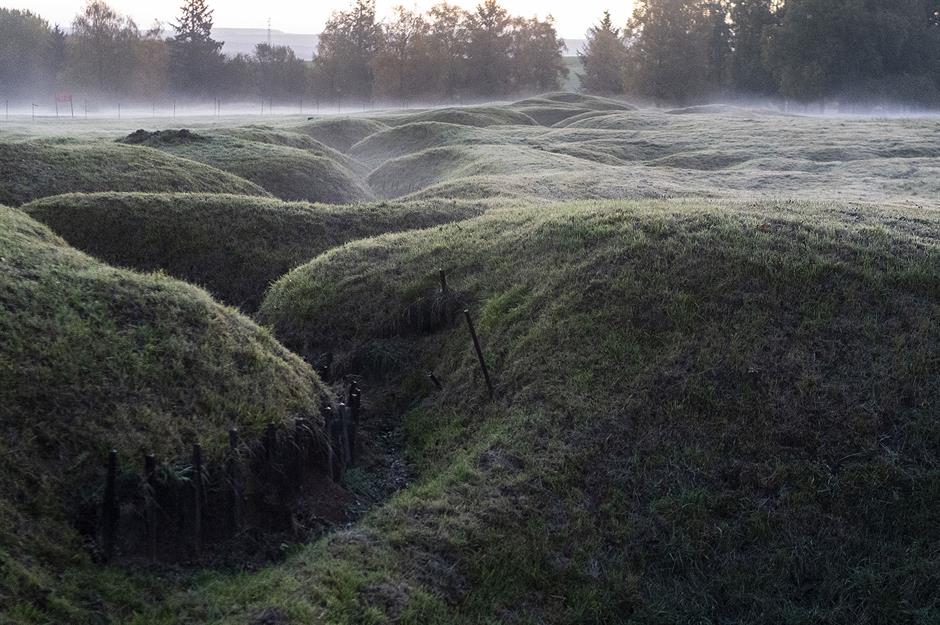
Here we see sunrise burning off the morning mist over what remains of the Beaumont Hamel trenches, dug by the Royal Newfoundland Regiment from Canada, and defended fiercely during one of the largest and bloodiest battles of World War I, the Somme.
Part of the moving Beaumont-Hamel Newfoundland Memorial, the preserved trenches are one of few places in France where visitors can see a Great War battlefield much as it was back then, with shell holes still clearly visible in the terrain.
Sponsored Content
German grave markers, Hooglede, Belgium
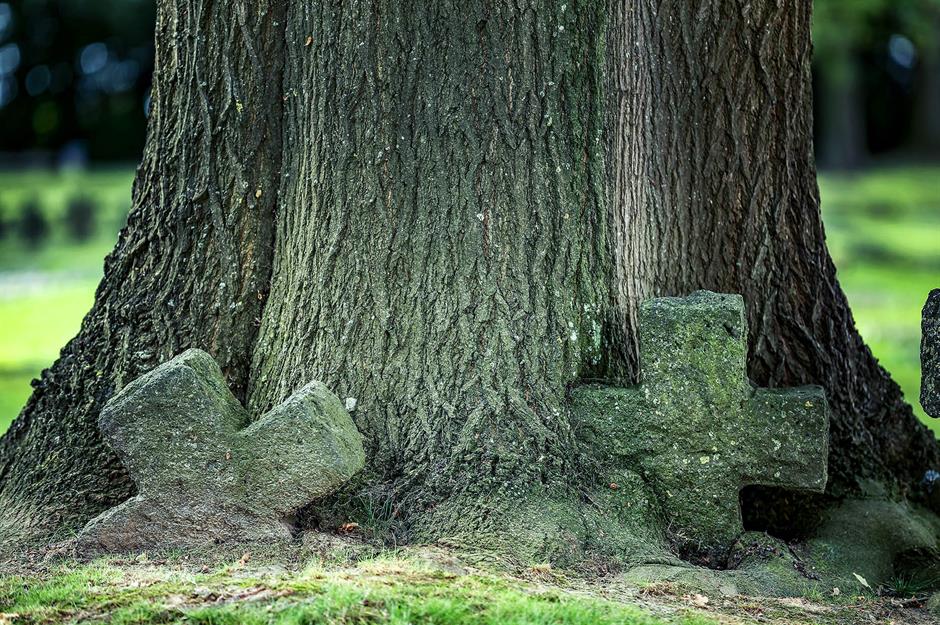
In the Germany military cemetery in Hooglede, just 3.7 miles (6km) from Roeselare in Belgium, crosses marking the graves of German soldiers have been overtaken by time – and growing trees.
The cemetery was created by the Germans in 1917 as casualties from the front began to mount. All told, the cemetery contains the remains of around 8,200 fallen German soldiers.
Fort Douaumont, Verdun, France
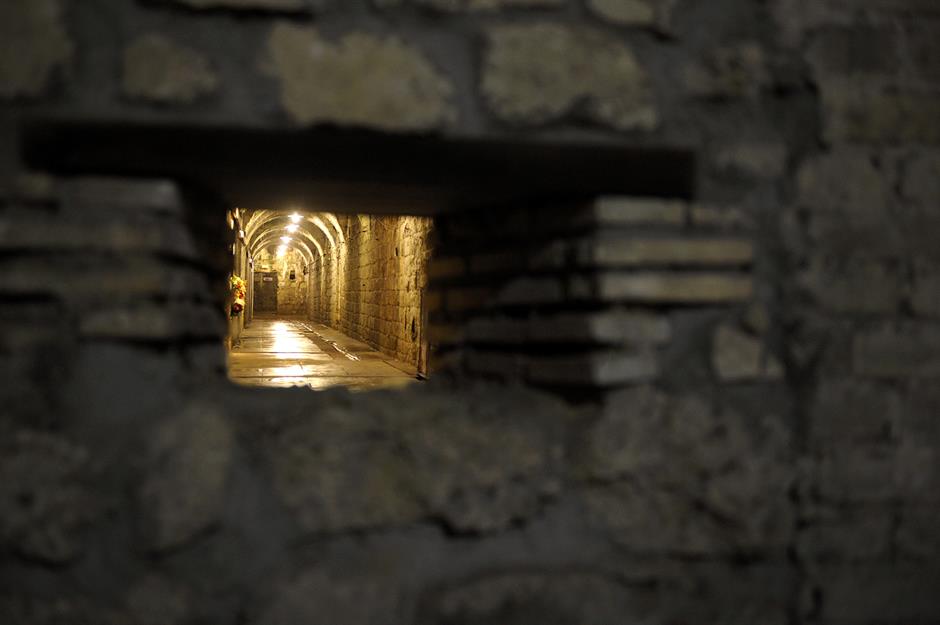
Built between 1885 and 1913, Fort Douaumont is the largest and highest in a ring of 19 defensive forts created to protect the city of Verdun during World War I.
Regardless, the Germans easily captured the fort on 25 February 1916 as part of the Battle of Verdun. Stung by the loss, the French army was fixated on recapturing the fort, and did so, barely eight months later on 24 October. Today it houses a fascinating museum about the war.
Trenches, Main de Massiges, France
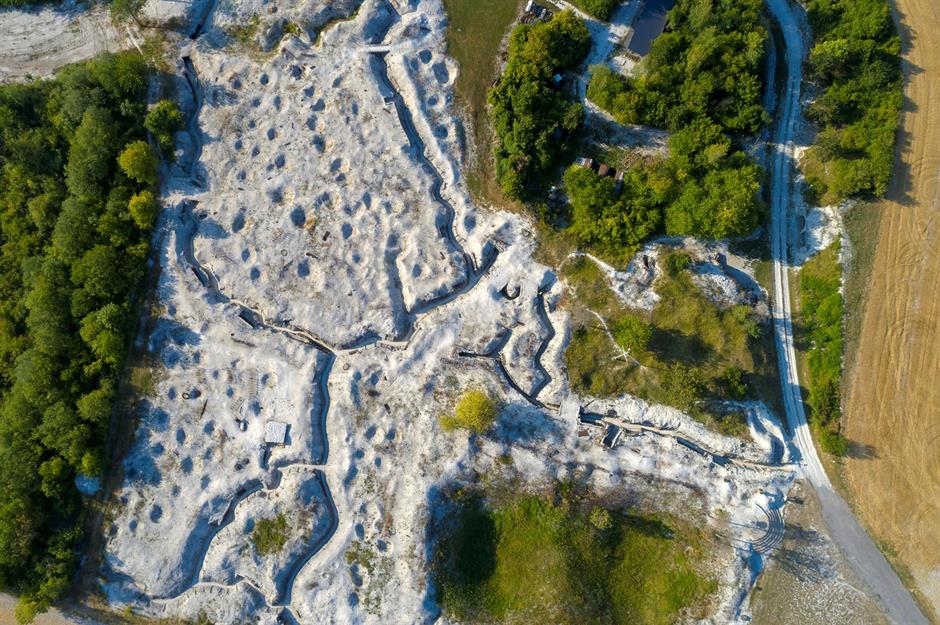
This aerial shot shows the trenches of the Main de Massiges, still a scar on the landscape of this small rural community in the Marne department in north-eastern France.
The trenches sit on the crest of a hill and were a hugely important strategic point on the Champagne Front after the Germans retreated here during the Battle of the Marne in 1915. Volunteers began restoring the trenches in 2012, uncovering wine bottles, boots, scrap metal and even human remains.
Read on for the abandoned Cold War places the world forgot...