America’s most unusual listed places
Novel and noteworthy
Earning a spot on America’s National Register of Historic Places is a badge of honor. There are more than 100,000 individual sites on the list, most of which are houses, churches, bridges or buildings attached to a historical figure. However, a number of unusual places have also made it onto the list. These range from the oddball to the truly unique.
Click through the gallery to discover a selection of the more curious entries on the National Register...
Brooks Catsup Bottle Water Tower, Collinsville, Illinois
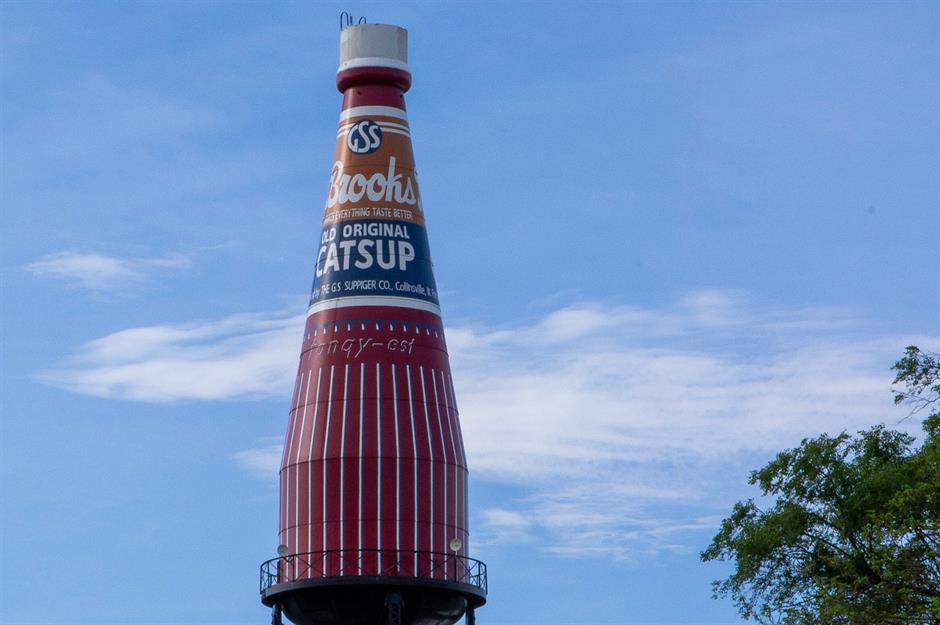
The world’s largest catsup (or ketchup) bottle doesn’t feature a Heinz label – it’s a monument to Brooks Catsup, which was originally produced in Collinsville (and is now made in Canada). The tower was built in 1949 to supply water to the Brooks plant.
The tower fell into disrepair but was restored in the 1990s and is now considered a premium example of an American roadside attraction. Despite the rumors, it (probably) isn’t filled with tomato sauce.
'Taj Mahal' Base Administration Building, Randolph Air Force Base, Texas
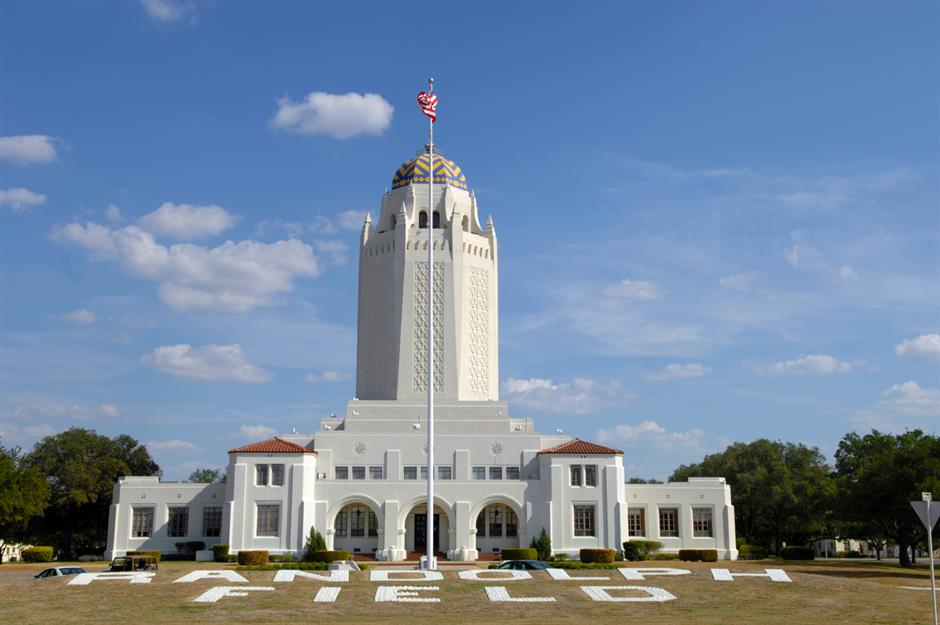
The administration building at the Randolph Air Force Base wasn’t necessarily intended to mimic India’s most famous landmark. But, after being built in 1931, it quickly earned the nickname 'Taj Mahal' because of its striking architecture.
The tall white tower isn’t purely ornamental – it was designed to house a functional water tank.
Sponsored Content
Windsor Ruins, Port Gibson, Mississippi
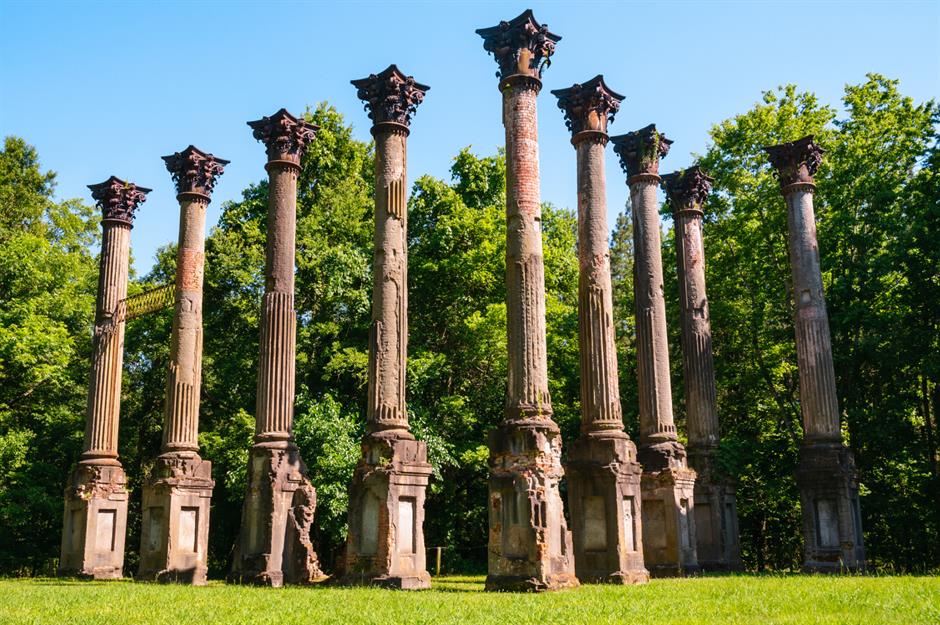
The 29 columns at Windsor Ruins look like they could date to Roman times, but they’re actually the remains of a plantation which burned down in 1890. The original house – built in 1861 – was one of the largest private homes in Mississippi and served as a station for the Confederate Army during the Civil War.
The columns deteriorated over the years and stabilization works have been carried out to ensure that none of them topples over.
Love this? Follow our Facebook page for more travel inspiration
Teapot Dome Service Station, Zillah, Washington
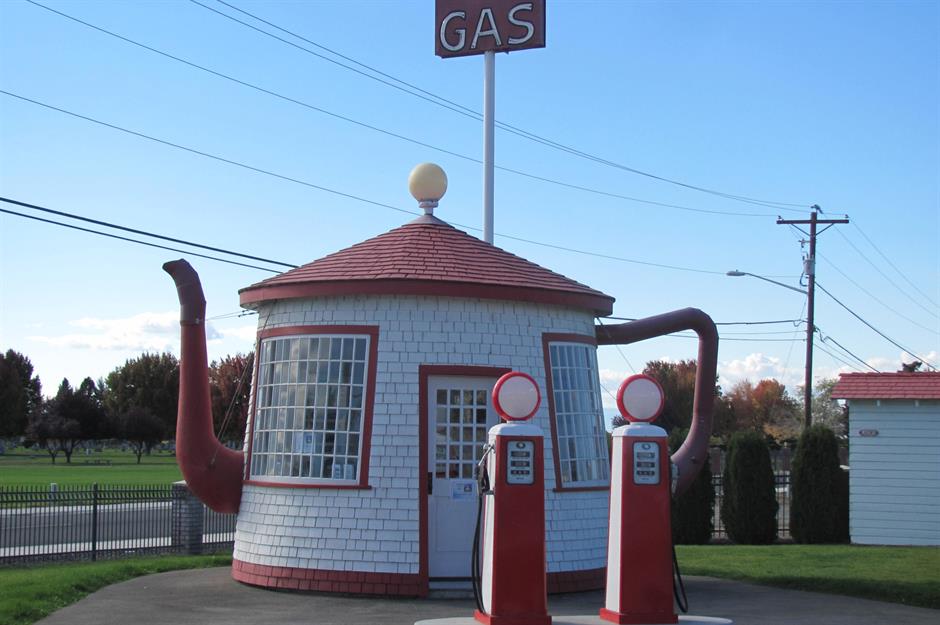
This cute little gas station in Washington isn’t just a perfect example of 1920s novelty architecture. It’s also a joking reference to a long-forgotten scandal involving a disgraced politician and an oil field called Teapot Dome.
It’s no longer a functional service station, but it's the pride and joy of the town of Zillah, which now owns the refurbished building.
'Welcome to Fabulous Las Vegas' Sign, Las Vegas, Nevada
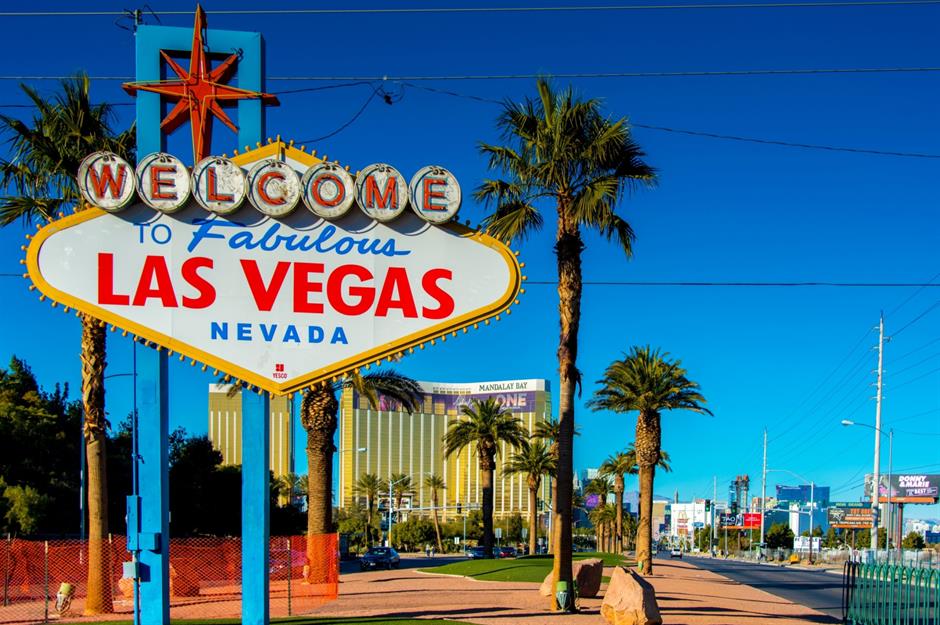
One of the most famous signs in America, the iconic 'Welcome to Fabulous Las Vegas' has sat at the southern end of Las Vegas Boulevard (aka Las Vegas Strip) since 1959. The sign, designed by graphic designer Betty Willis, originally had a 'middle of nowhere' feel to it, but the city has since grown up around it.
A parking lot and walkway have also been installed to make it safer for tourists to take photos in front of the sign.
Sponsored Content
Dealey Plaza, Dallas, Texas
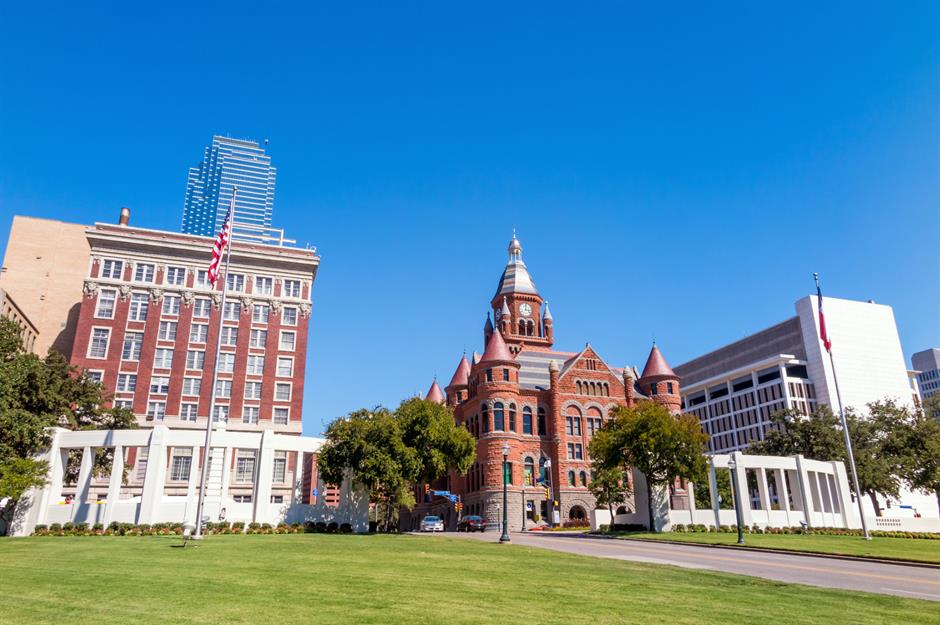
Dallas’ Dealey Plaza would be a landmark under any circumstances – the urban space marks the site of some of the first buildings in Dallas and the plaza itself was constructed in 1940. But it’s also the site of one of the most dramatic and tragic moments in US history; the 1963 assassination of President John F. Kennedy.
The president was shot from the Texas Book Depository building on the plaza as his motorcade rolled through the street below.
Integratron, Landers, California
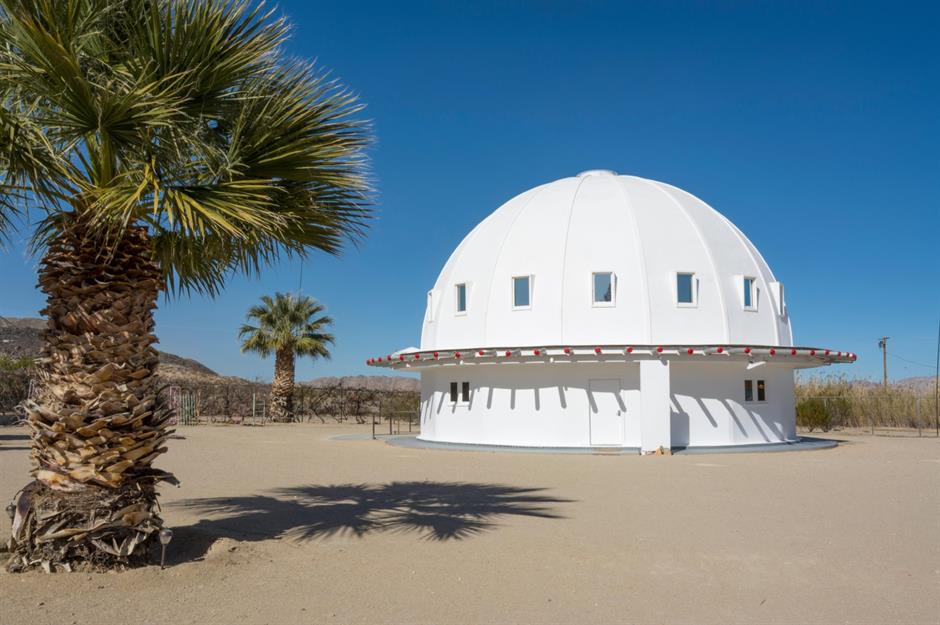
The historic meets the futuristic at this curious entry on the National Register. The 38-foot (11.5m) wooden structure near Joshua Tree National Park was built around 1954 by George Van Tassel – whose inspirations included inventor Nikola Tesla and 'telepathic directions from extraterrestrials.'
The building was intended as an electrostatic generator for rejuvenation and time travel (yes, really). Today, it’s open to the public (reservations needed) and hosts events, including sonic healing sessions.
Rabbit Hash Historic District and General Store, Rabbit Hash, Kentucky
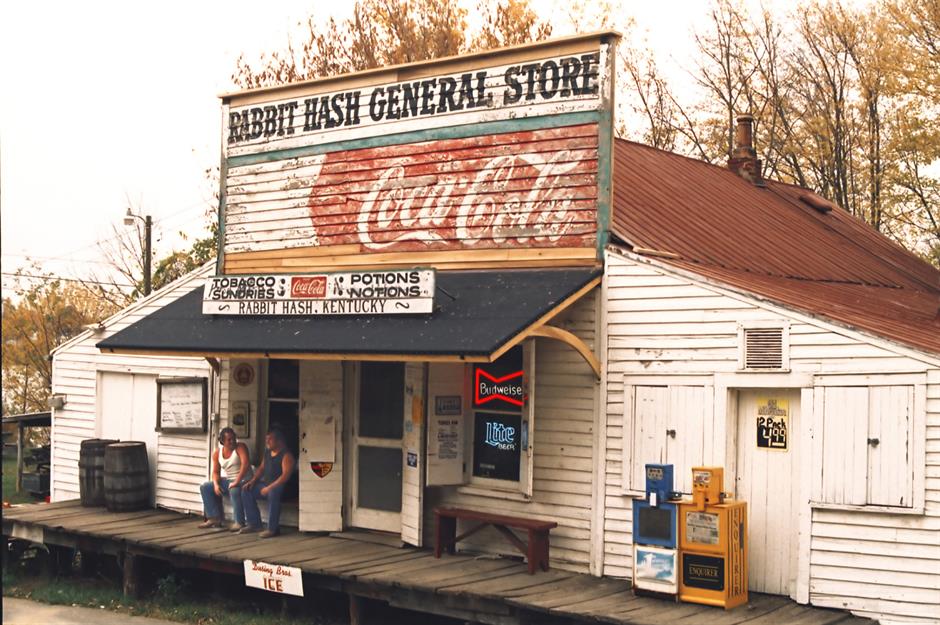
The town of Rabbit Hash, Kentucky was founded circa 1813, and locals claim that it hasn’t changed a whole lot since. The town’s general store opened in 1831, and it has survived not only the passage of time, but substantial flooding, due to its proximity to the Ohio River.
Yet, it remains selling locally made confectionery and jam, jelly, soaps, crafts, and antiques. There’s also a museum, which reveals the town's history.
Sponsored Content
Wild Goose Yacht, Newport Beach, California
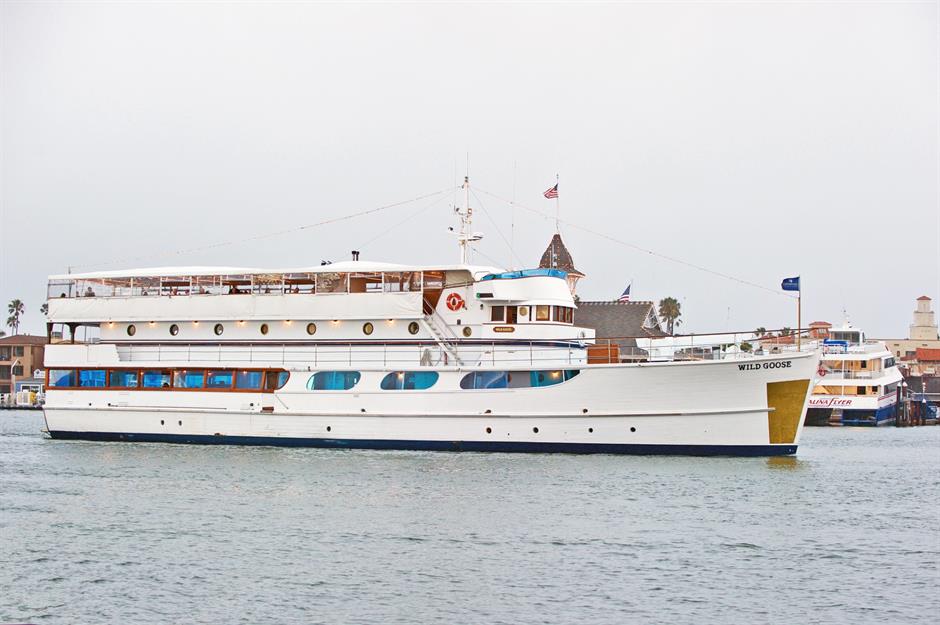
Yachts are a common sight in affluent Newport Beach, but this vintage former US Navy vessel is special. After the ship was retired from military service, it became a private yacht, eventually owned by movie star John Wayne, who spent considerable time on board.
The boat also appeared in the 1968 movie Skidoo. Nowadays, it’s available for private dinner cruises and cocktail parties.
Holland Tunnel, New York City, New York
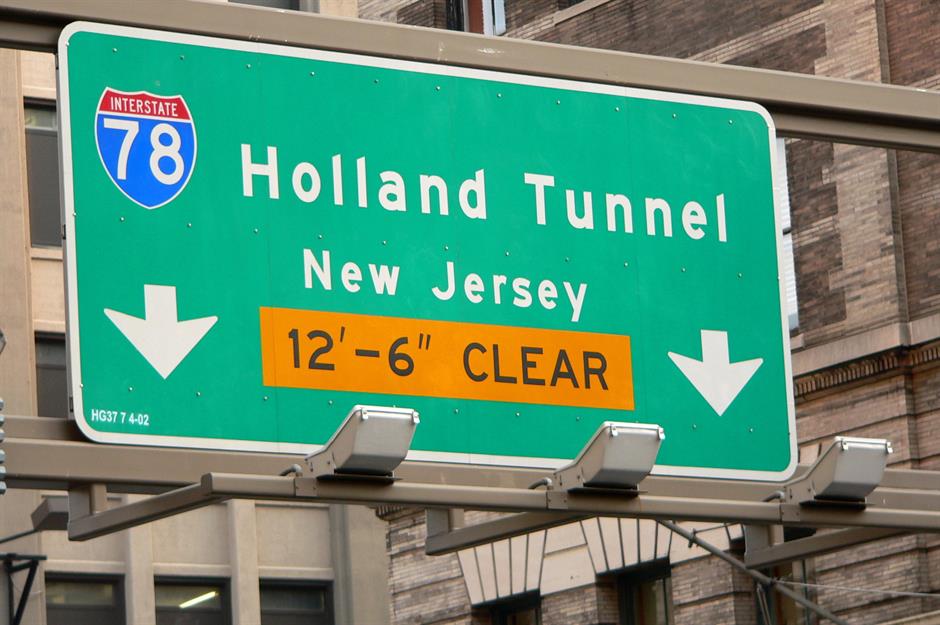
One of the most well-known commuter infrastructure projects in the country, the Holland Tunnel, which connects Jersey City and Manhattan, might seem like an odd addition to the National Register. But the tunnel’s historic value lies in its longevity (it was built in the 1920s) and its scope.
Constructing a tunnel under the Hudson River was no small feat at the time. As the world’s first mechanically ventilated tunnel, it was an incredible achievement in engineering.
The Astrodome, Houston, Texas
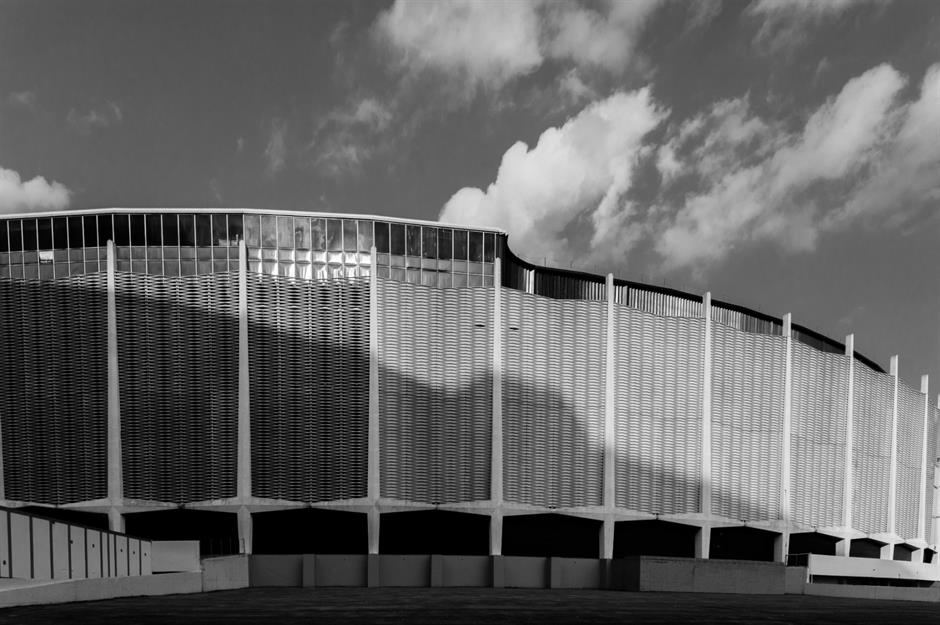
Sometimes referred to as the 'Eighth Wonder of the World,' Houston’s Astrodome is historically significant as the world’s first multipurpose domed sports stadium. Completed in 1965, the venue set the standard for modern sports facilities with its ability to host football and baseball games, rodeo competitions, concerts, and other events.
Eventually, the stadium started to wear and was replaced by the NRG Stadium in 2002. Houston has plans to redevelop the old ‘Dome but nothing has yet been formalized.
Sponsored Content
Register Cliff, Guernsey, Wyoming
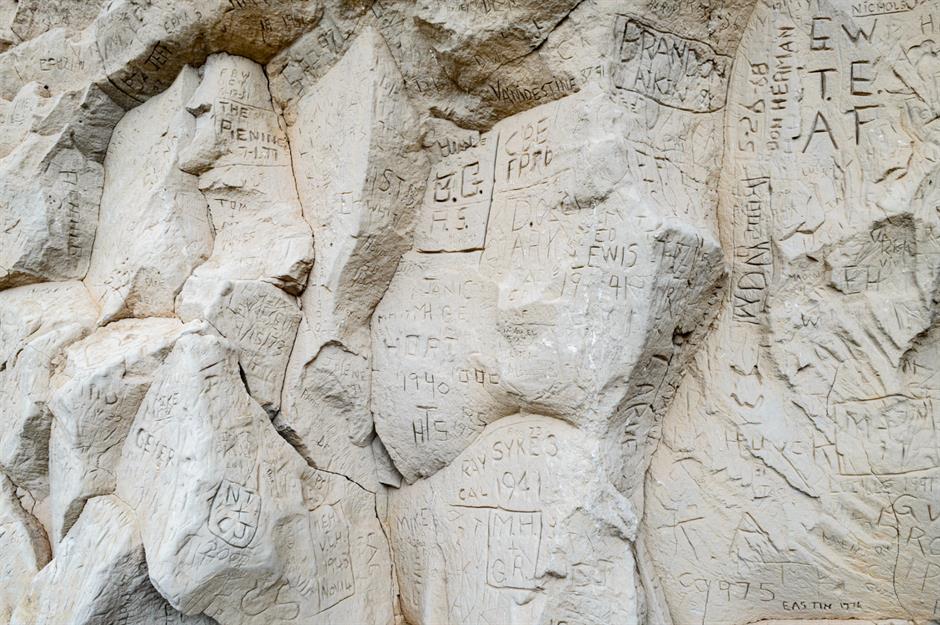
This sandstone cliff in Wyoming gets its name from the soft surface of the rock wall that acted as a register for passing travelers. It served as a navigational point and resting spot for settlers traveling the Oregon Trail in the mid-19th century.
While there to get a night’s sleep or pasture their animals, pioneers would carve their names and the date into the rock. A private farmer took over the land in the 1880s and preserved the cliff and its register.
Donner Camp, Truckee, California
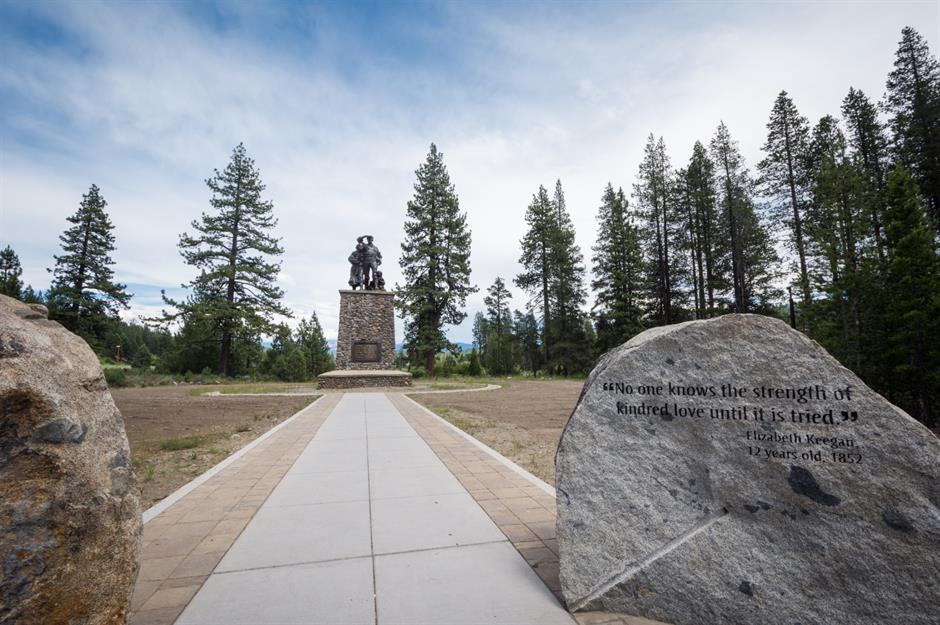
Donner Memorial State Park is home to the Donner Camp, the site where the famed Donner Party was stranded in 1846/7 while migrating through the Sierra Nevada mountains. There is a memorial statue which honors not only the Donners (many of whom perished) but other pioneers and Indigenous peoples who settled in the western part of the country.
Today, the camp site is part of a beautiful state park, popular with hikers and campers.
Pony Express Stables, St. Joseph, Missouri
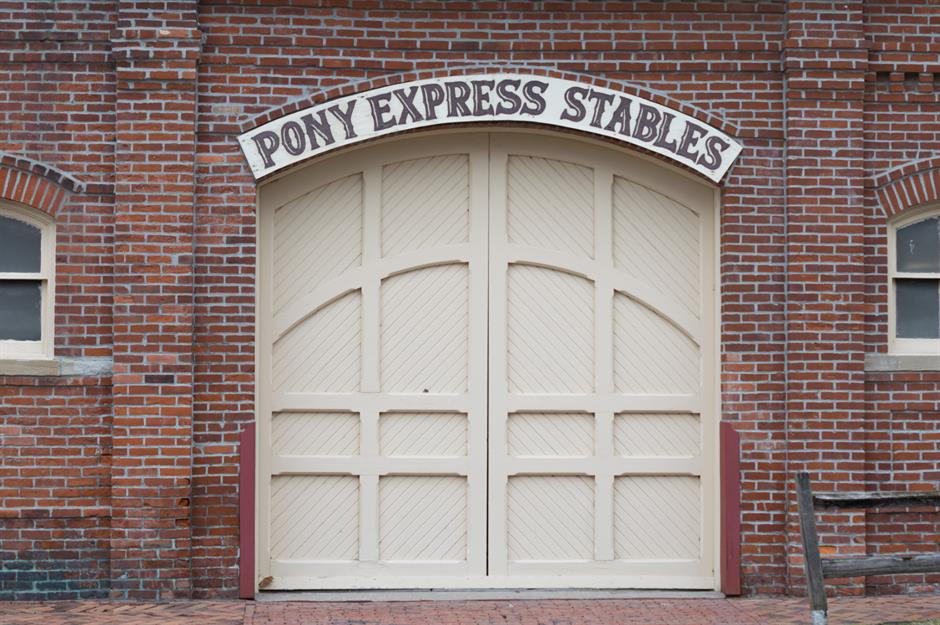
There’s romantic appeal to the Pony Express, America’s horse-run pre-telegraph communications system, which only lasted for 18 months in the mid-19th century. This building in Missouri, also known as Pike’s Peak Stables, served as a stable for the horses when they weren’t carrying mail to California.
The original wooden structure was replaced by a brick building in 1888, but some of the original structure remains. Today, it stands as a museum and memorial.
Sponsored Content
Titanic Memorial, Washington, DC
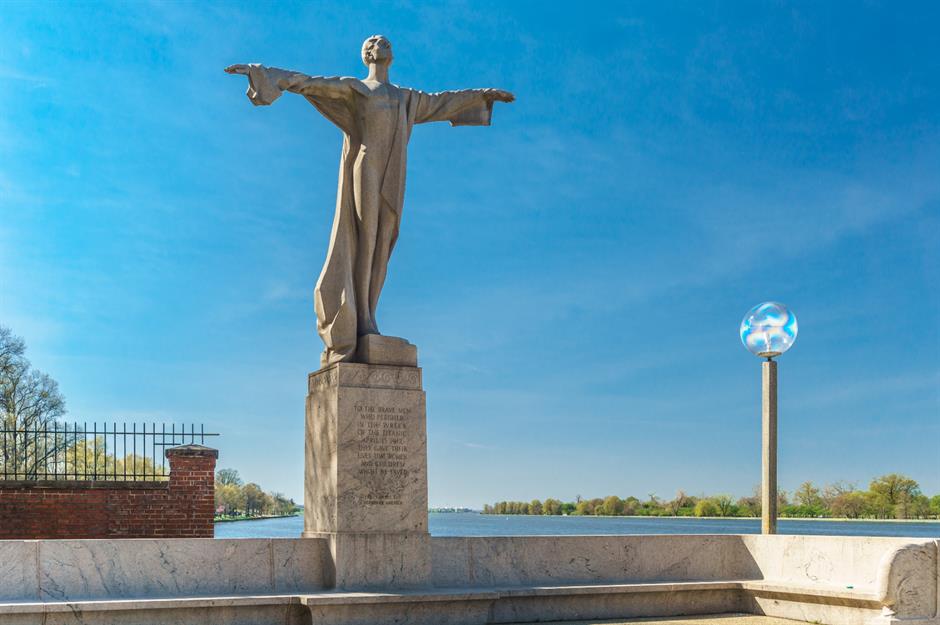
Also known as the Women’s Titanic Memorial, this statue looks suspiciously like Kate Winslet standing at the bow of the movie version of the famous ship, which hit an iceberg and sank in 1912. The statue was unveiled in 1931, long before the film’s release (but it reportedly inspired the scene).
Designed by Gertrude Vanderbilt Whitney and funded by donations by women across the US, the statue honors the men who gave up spots on lifeboats for women and children.
Los Angeles Memorial Coliseum, Los Angeles, California
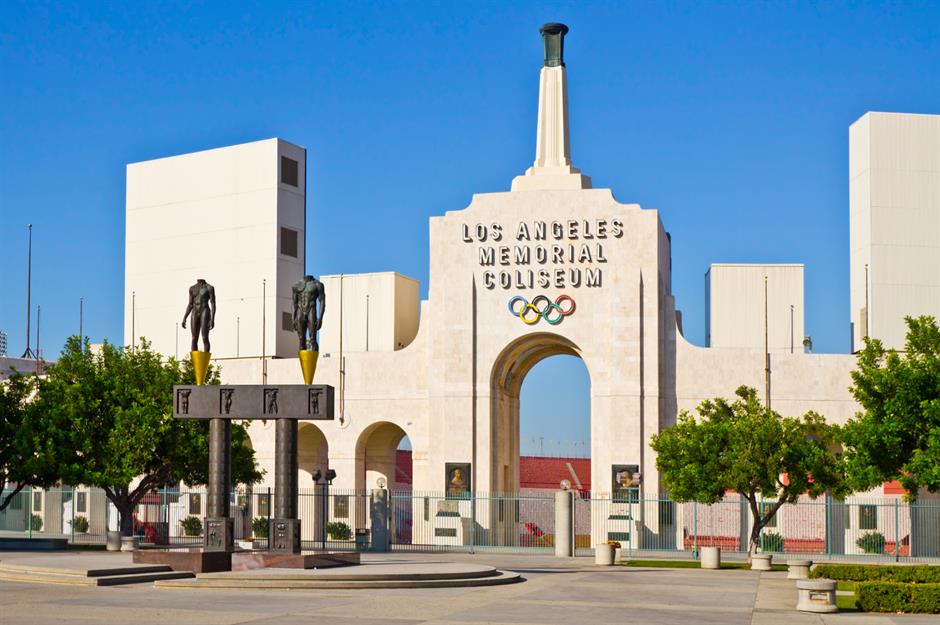
The Los Angeles Memorial Coliseum is probably best known for its connection to the Olympics – hosting events in 1932 and 1984 and scheduled to do so again in 2028. But it was conceived as a tribute to veterans of World War I.
It’s been the site of many major events over the last 100 years. Charles Lindbergh put on an air show in 1927, Dr. Martin Luther King Jr. gave a speech here in 1964, and it hosted the first Super Bowl in 1967.
Jazz National Historical Park, New Orleans, Louisiana
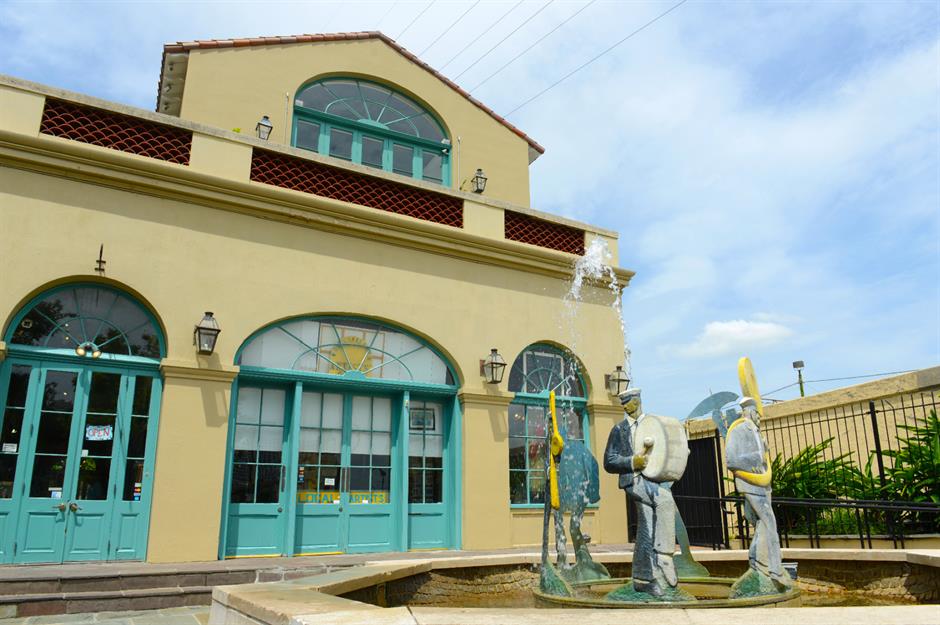
It’s impossible to put something as nebulous as 'jazz' on the National Register. But what is included is this national park which celebrates the heart and soul of New Orleans.
Located in the famous French Quarter, Jazz National Historical Park includes listed buildings like Perseverance Hall, an old Masonic temple that hosted unsegregated dances during the early days of jazz.
Sponsored Content
Bell Witch Cave, Adams, Tennessee
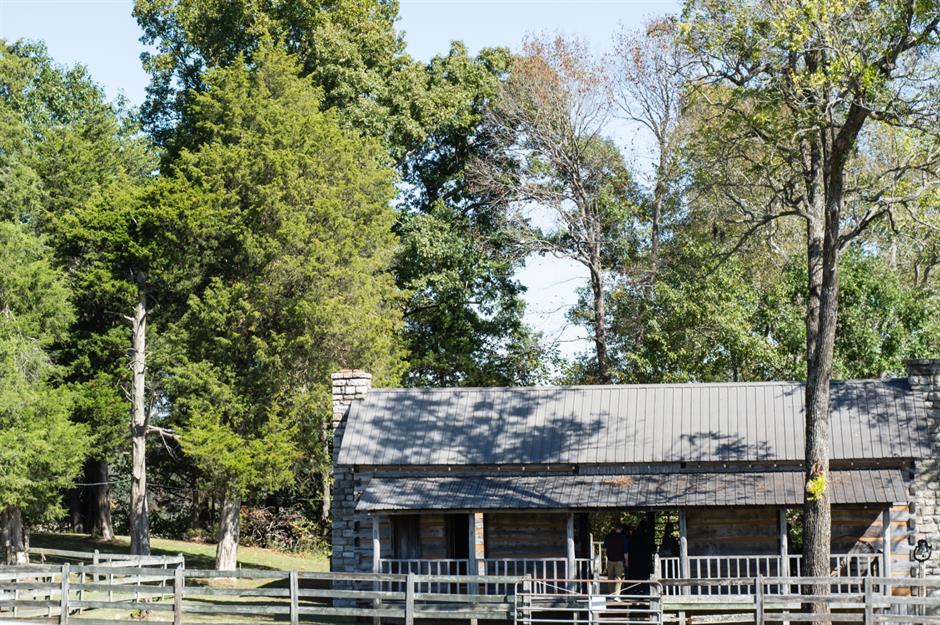
The Bell Witch is a ghost of an angry neighbor who reportedly haunted the Bell family farm in Tennessee in the early 1800s, paying particular attention to the family’s young daughter. President Andrew Jackson even claimed to have witnessed the witch’s wrath while visiting the property.
Today, the site consists of a replica of the family cabin, as well as a nearby cave where the witch is believed to hide when not wreaking havoc.
Wigwam Village #2, Cave City, Kentucky
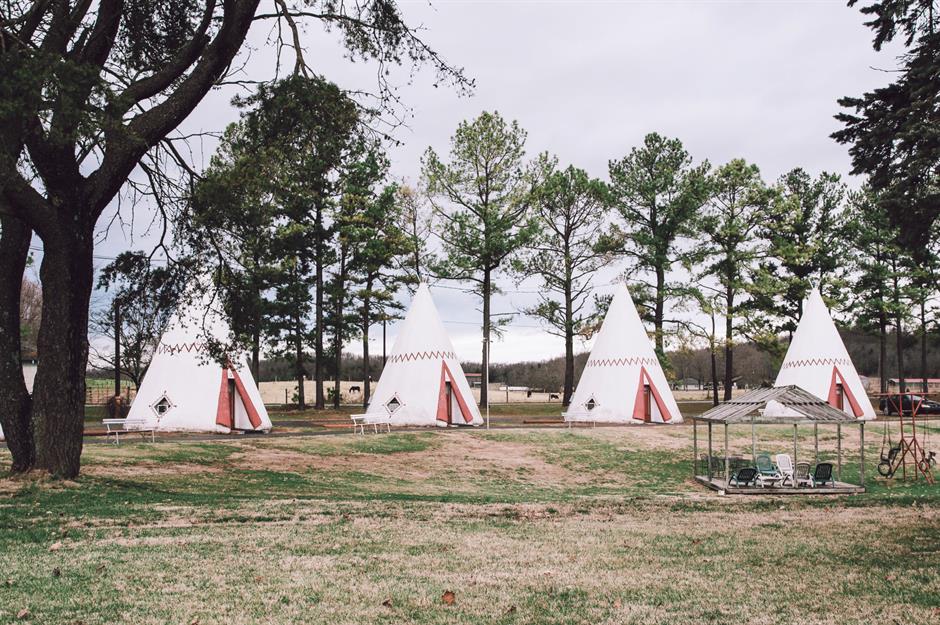
Seven Wigwam Village motel sites were built along various highways in the first half of the 20th century. All three of the surviving motels are on the National Register, but this one in Kentucky is the oldest.
Built in 1937, each room is in the shape of a tipi, which is different in shape to a wigwam. Wigwam Village #2 is still open to guests, with each room furnished with retro cane furniture.
Valley of the Moon, Tucson, Arizona
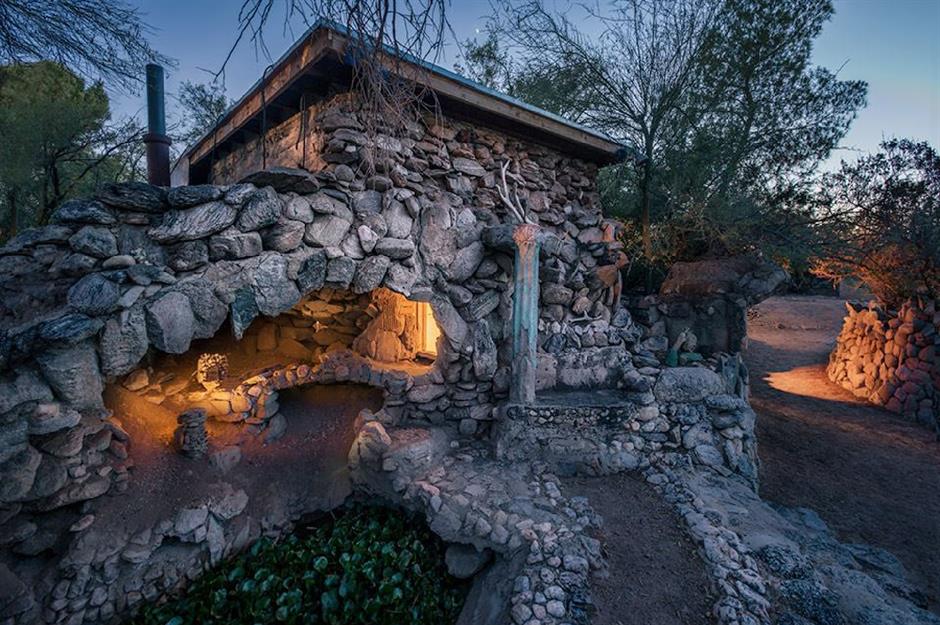
This charming 'fantasy park' was created by George Phar Legler, who dreamed of building a Spiritualist-informed space to entertain children. A believer in fairies and other sprites, Legler began work on Valley of the Moon in 1923 and he lived on the property until his death in 1982.
By that point, a group of volunteers was running and restoring the park as a non-profit. It continues to welcome visitors to this day.
Sponsored Content
Riverside Plaza, Minneapolis, Minnesota
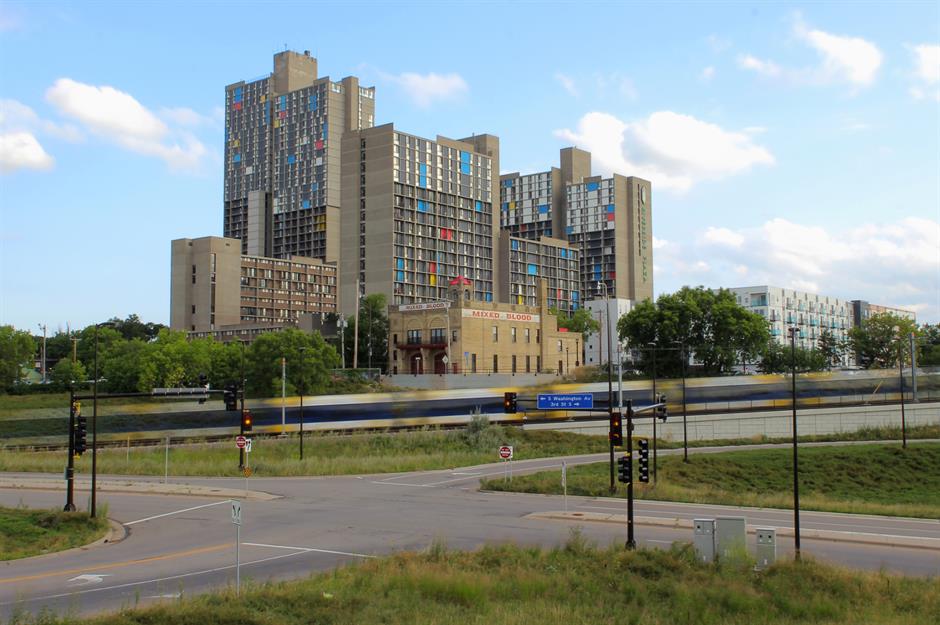
A 1970s apartment block doesn’t seem like a likely entry on the National Register. But Minneapolis’s Riverside Plaza is included as an example of Brutalist architecture and one of urban America’s most ambitious public housing projects.
Originally known as Cedar Square West, the six-building complex holds 1,303 units. The buildings underwent a renovation in the early 2010s and remain as functioning apartment buildings.
Mai-Kai Restaurant, Oakland Park, Florida
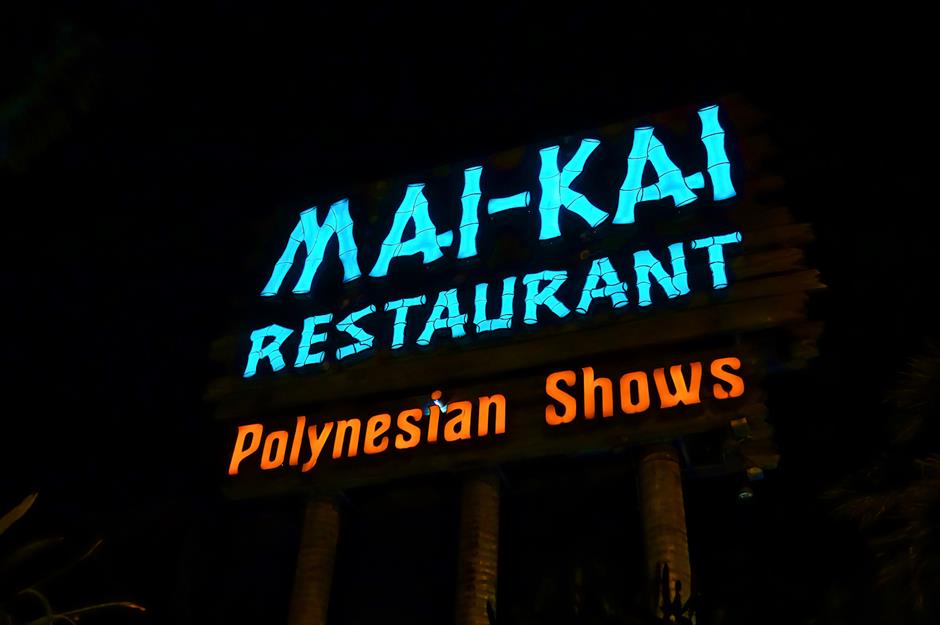
Added to the National Register in 2014, this classic tiki-style restaurant near Fort Lauderdale opened in 1956. It is one of the last mid-century Polynesian-themed establishments in America.
Tourists and locals flock to the Mai-Kai (meaning 'the finest') for its kitschy décor, South Pacific-inspired menu, and Polynesian floor shows. The restaurant also displays authentic Polynesian artifacts dating back up to 100 years.
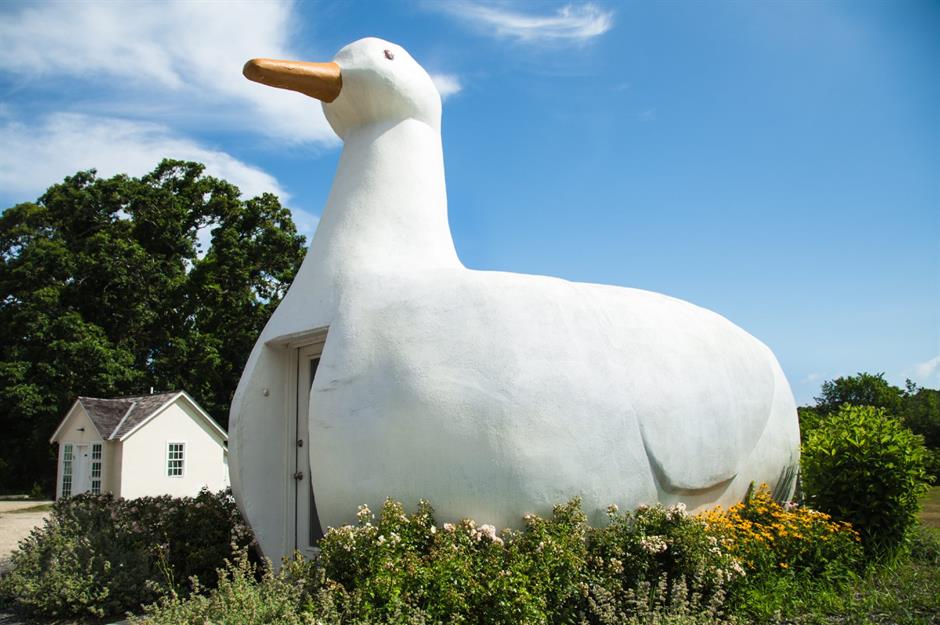
Big Duck, Flanders, New York
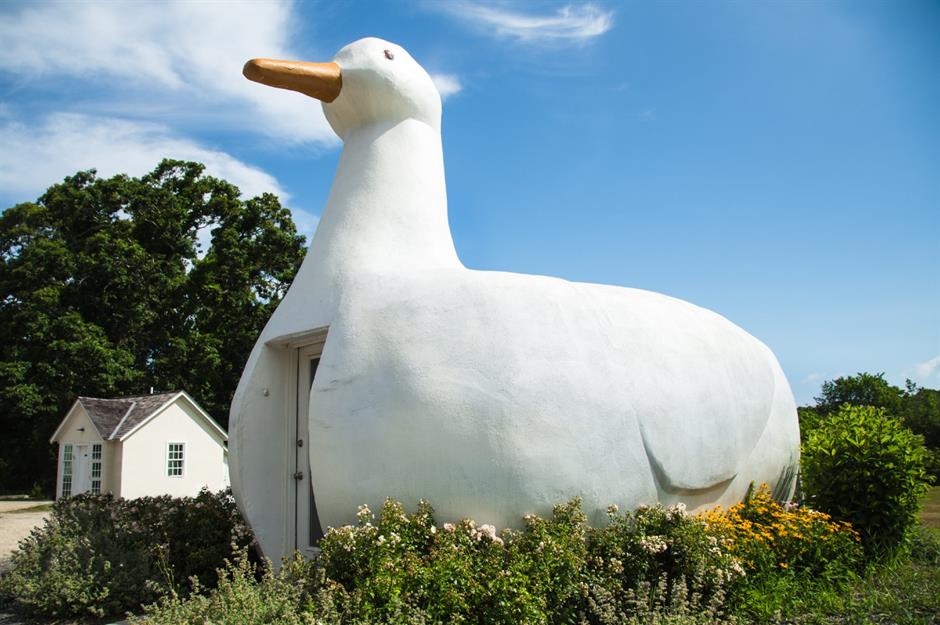
This novelty duck-shaped building on Long Island has been moved several times since it was built in the 1930s. It was constructed – with the help of stage show set designers – for a farmer to promote his duck products.
Once prevalent, duck farming is no longer a major industry in the region. However, the 20-foot building remains a beloved attraction and now serves as a visitor center and gift shop.
Sponsored Content
Fourteen Foot Bank Light, Bowers, Delaware
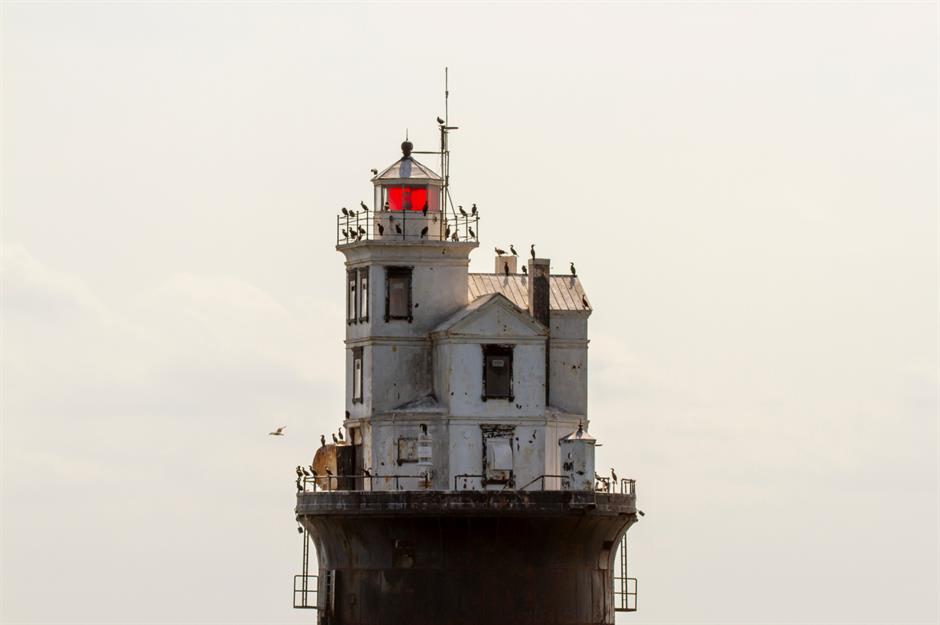
This curious structure sits a full 11 miles off the coast of Delaware. Completed in 1886, the Fourteen Foot Bank Light is the first lighthouse of its kind, built with a pneumatic caisson (a kind of watertight box).
The Victorian lighthouse is still in operation, but it’s now automated, with no keeper living in the three-story house on top of the base.
Rock Eagle Mound, Eatonton, Georgia
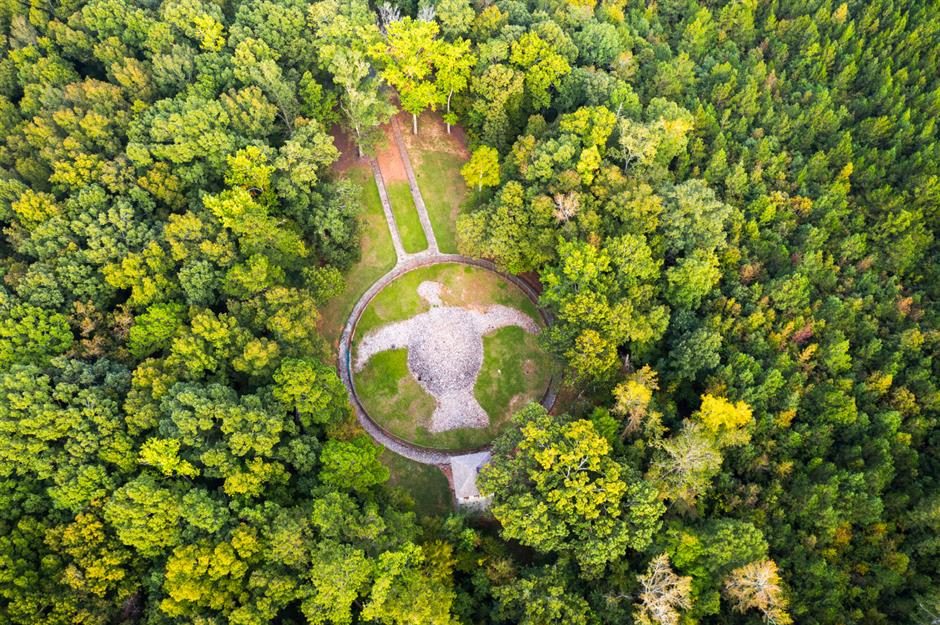
One of the oldest entries on the National Register, Rock Eagle Mound is believed to have been built by Indigenous peoples for ceremonial purposes some 2,000 years ago. The giant mound of quartz stones is shaped to resemble a bird in flight.
While it may look quite flat from an aerial view, the breast of the bird is about eight-foot high. It is one of only two effigy mounds to have been found east of the Mississippi River.
Incredible ancient ruins in the USA you might not know exist
Arcadia Round Barn, Arcadia, Oklahoma
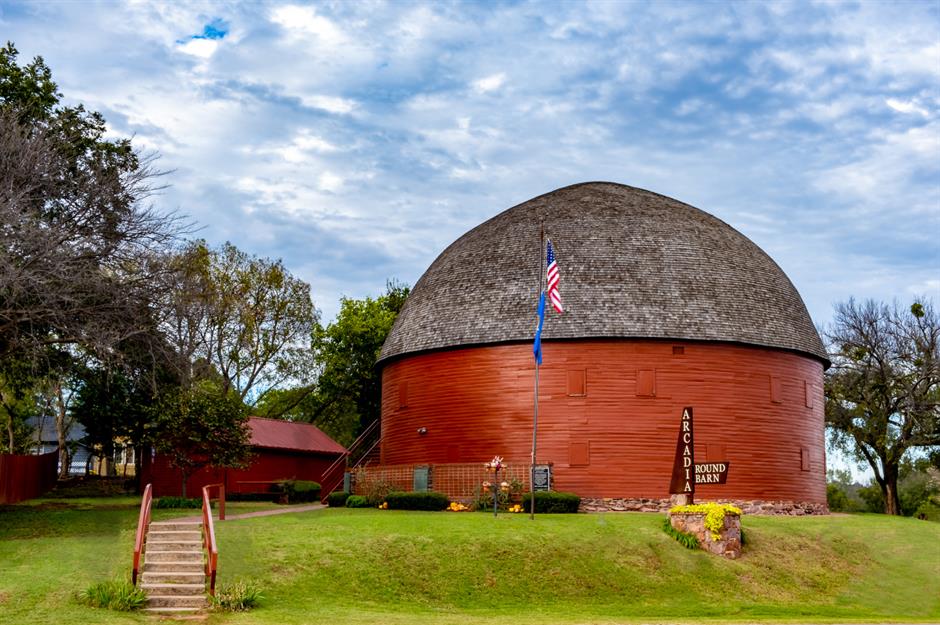
This unusual-looking barn was built by the Odor family in 1898 with curved walls to protect it from tornadoes. The loft was a popular spot for turn-of-the-century dances and by the 1930s it became a known landmark on Route 66.
By the 1980s, the barn was in rough shape, but a restoration project got it looking shiny and new again. It now operates as a museum and events space.
Sponsored Content
Etowah Mounds, Cartersville, Georgia
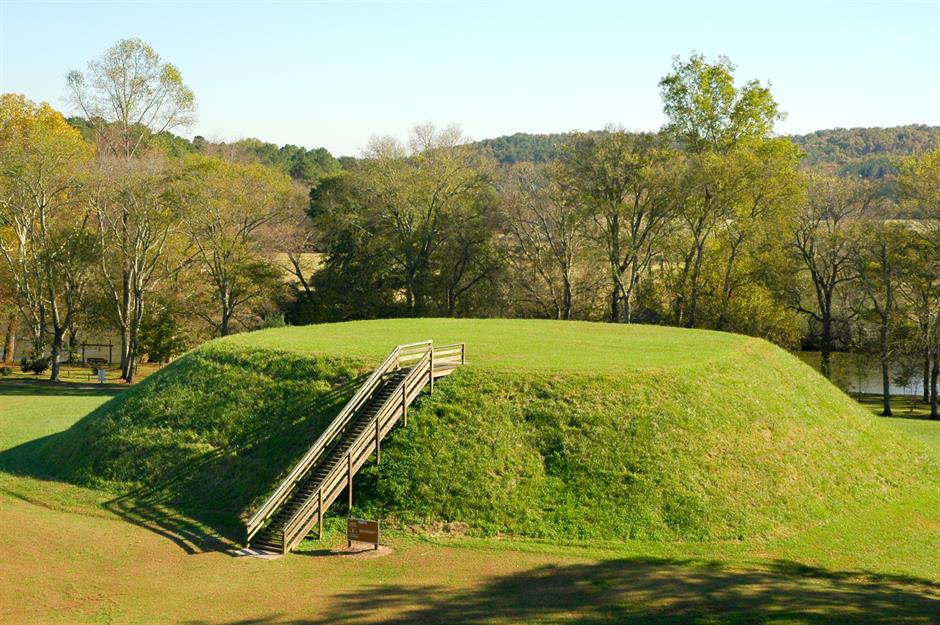
Considered a sacred place by both the Cherokee and Muscogee Creek peoples, this archaeological site features several tall mounds and a village site, thought to have been home to thousands from around AD 1000 to 1550.
The site is full of precious artifacts, many of which are on display in the onsite museum. The park also features a nature trail and interpretive signage.
US National Arboretum, Washington DC
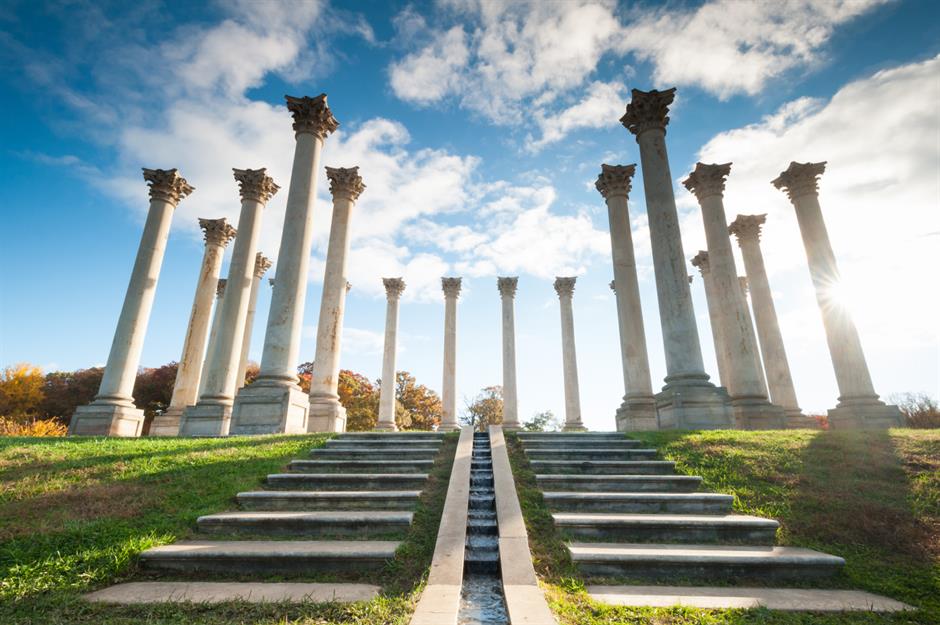
America is home to diverse and beautiful plant species, many of which are celebrated at this facility, which was established by Congress in 1927.
The arboretum continues to be a vital research center, and the striking Corinthian columns within its bounds (pictured) are of great historical significance. They formed part of the US Capitol building until the 1950s.
Chimney Rock National Historic Site, Bayard, Nebraska
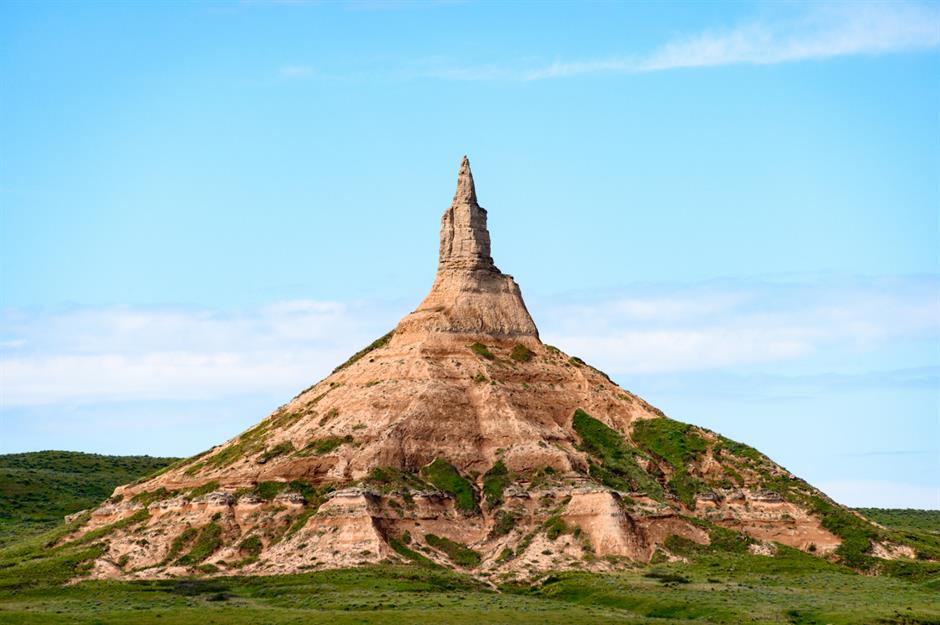
Another natural landmark that helped to point pioneer migrants in the right direction, Chimney Rock was a beacon for travelers on the Oregon, California, and Mormon trails. In fact, it’s repeatedly mentioned in the diaries of pioneers headed westward.
Today, the rock remains as it always has – surrounded by plains without any modern developments in sight.
Sponsored Content
Johnstown Inclined Railway, Johnstown, Pennsylvania
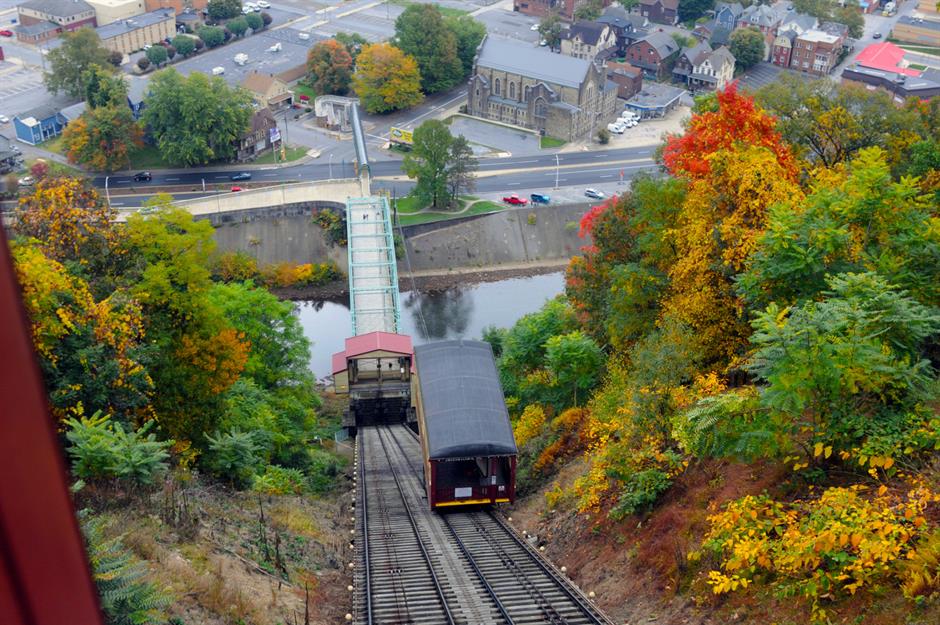
The current Guinness World Record holder as the steepest vehicular inclined plane, this stretch of train track goes straight up a hill from the valley which is home to Johnstown. The town was devastated by a flood in 1889, and the tracks were built to transport inhabitants to a new, safer community higher up the valley.
The incline did its job again in 1936 when another flood struck and the train brought 4,000 people upwards to dry land.
Wilton Candy Kitchen, Wilton, Iowa
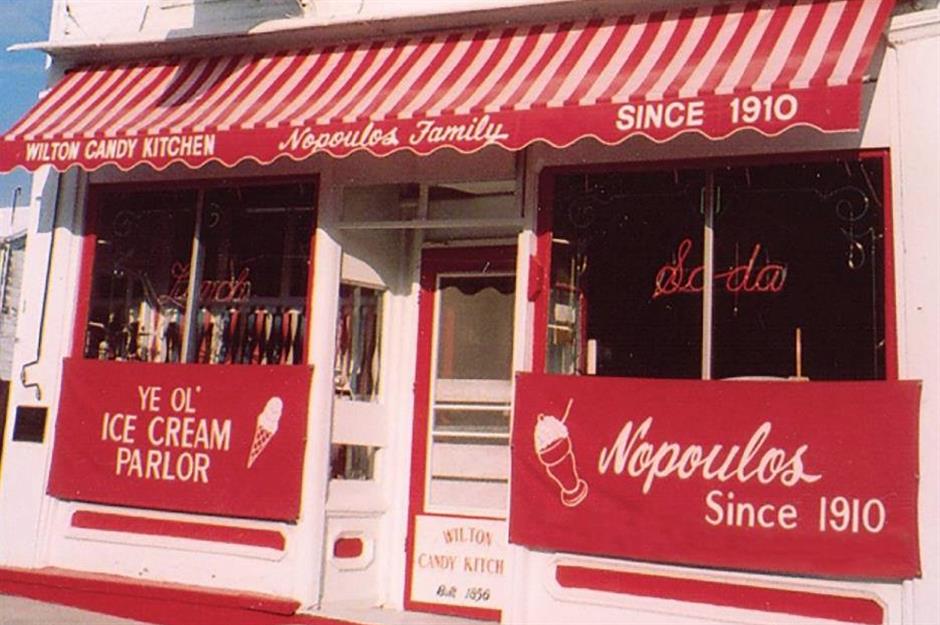
A real deal old-school soda shop and candy store, Wilton Candy Kitchen first opened in the mid-19th century. The Nopoulos family made it what it is, running it from 1910 to 2016 as a beautiful example of a small-town confectioner.
Its new owners keep the legacy alive, offering visitors a taste of American treats of the past, from soda fountain pop and malts to banana splits and sundaes.
Piedmont Charcoal Kilns, Piedmont, Wyoming
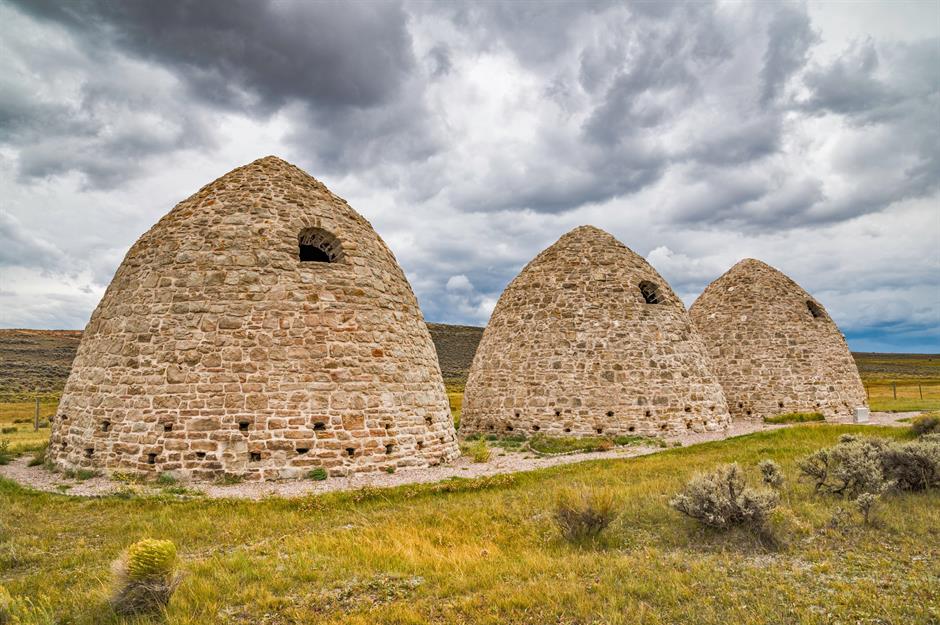
Built in 1869, these 30-foot beehive-shaped structures serve as a reminder of the country’s industrial development following the advent of the railroad. Now a ghost town, Piedmont was once a stop on the Union Pacific Railroad line, which transported charcoal produced by the limestone kilns to smelters in Utah.
The three remaining complete structures (along with Piedmont) are a popular roadside attraction for road-trippers traveling through southwest Wyoming.
Sponsored Content
Lucy the Margate Elephant, Margate City, New Jersey
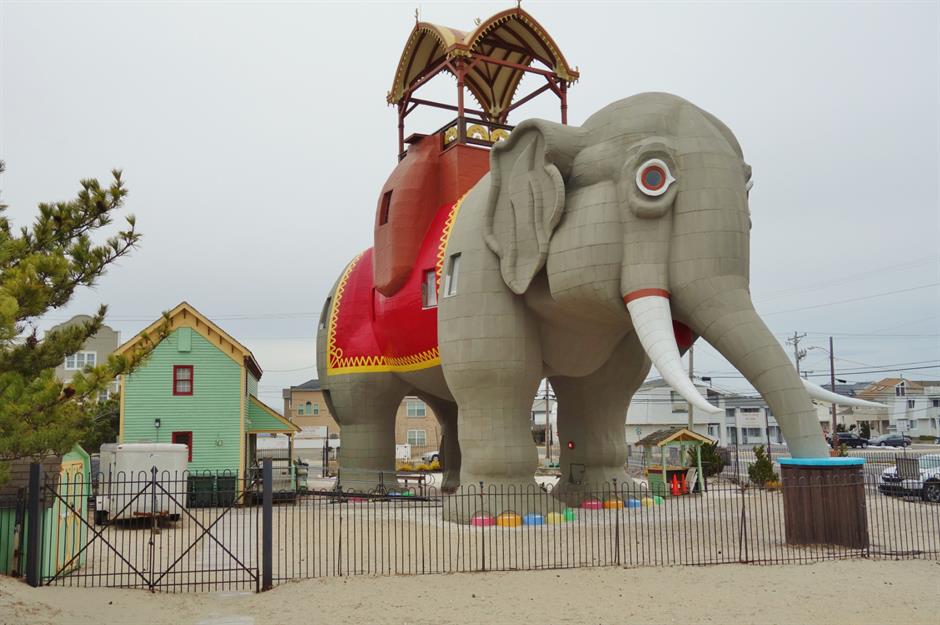
Perhaps the most whimsical listing on the National Register, Lucy the Elephant is a six-story elephant-shaped building which has proudly stood southwest of Atlantic City since the 1880s. She was built as – and remains – a tourist attraction.
Over the years, the structure has also been used as office space, a restaurant, and a tavern. The elephant was almost torn down in the 1960s, but locals fought to have her restored.
Now check out more unusual things you'll find on a road trip through the USA