Every state's proudest claim to fame
National pride
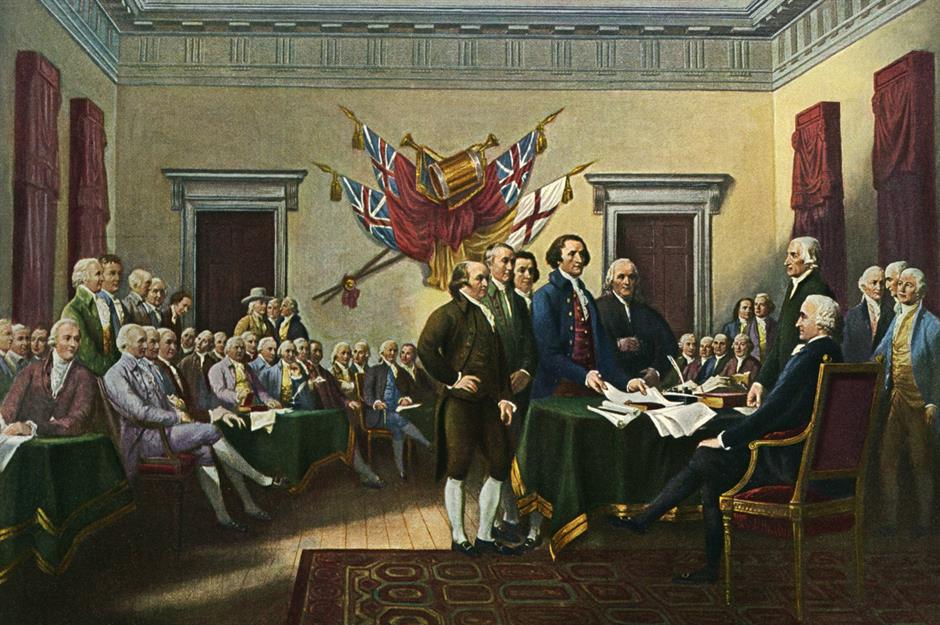
From world-changing events to homegrown icons, every US state has something it holds dear. Some are proud of their natural wonders, others of the people or moments that shaped history.
Together, they tell the story of a country built on individuality, ambition, and a healthy dose of state pride. From Alabama’s role in the Civil Rights Movement to Wyoming’s place in conservation history, here’s what each state celebrates most.
Click through this gallery to discover every state's claim to fame...
Alabama: The birthplace of the Civil Rights Movement
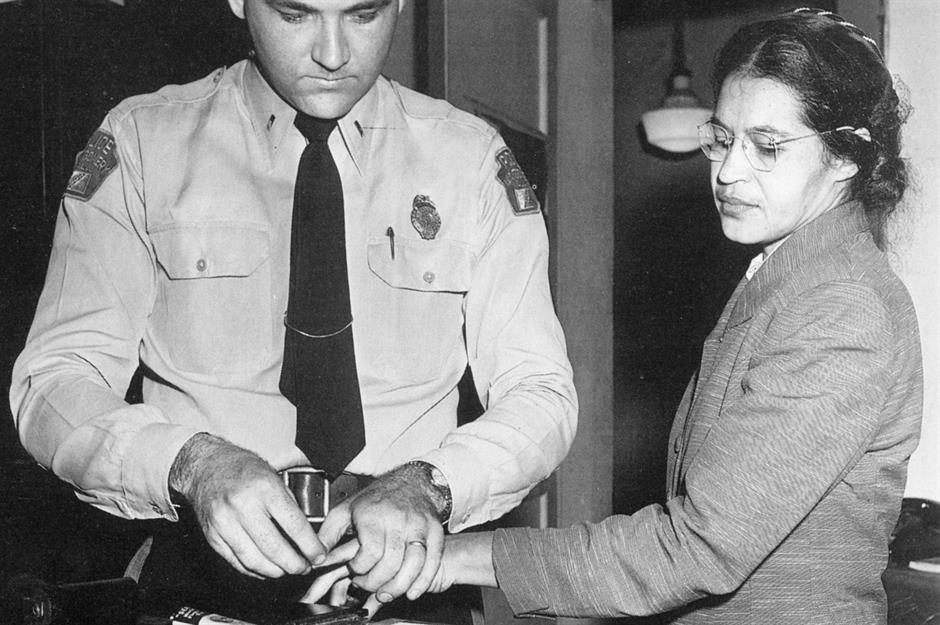
Alabama holds its head high as the birthplace of the Civil Rights Movement. From Rosa Parks’ act of courage in Montgomery to the Selma-to-Montgomery marches that changed the nation, the state’s role in advancing equality is a lasting source of pride.
The Civil Rights Trail, the Birmingham Civil Rights Institute, and the Edmund Pettus Bridge all stand as powerful symbols of Alabama’s impact.
Alaska: North America’s tallest peak
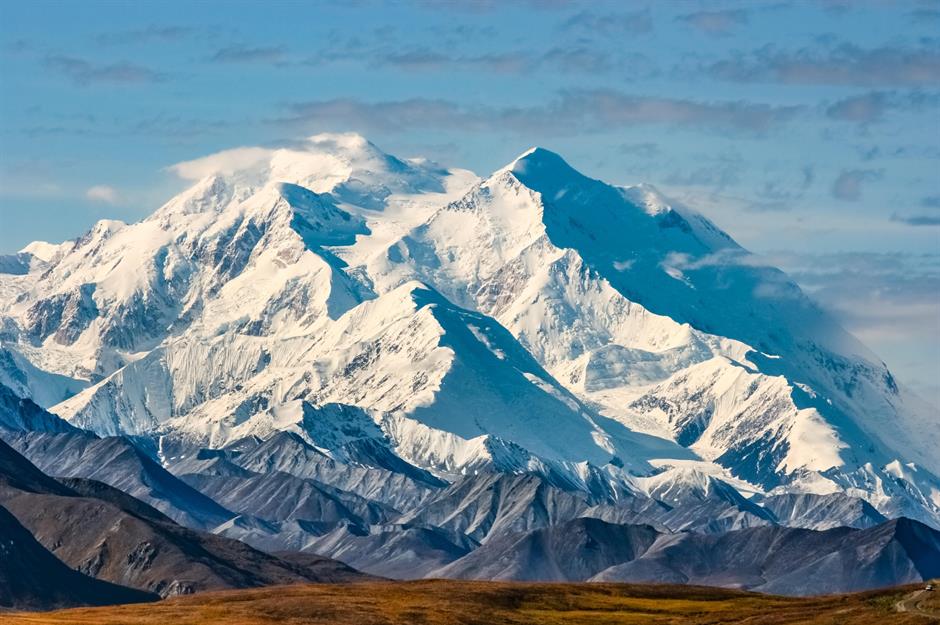
Towering at 20,310 feet, Denali, also known as Mount McKinley, is Alaska’s ultimate badge of pride. Known as "The Great One" in the native Athabaskan language, it embodies the state’s wild spirit and untamed majesty.
Locals take deep pride in the peak – it’s a place that attracts climbers, inspires artists, and anchors the identity of a state where nature reigns.
Sponsored Content
Arizona: The Grand Canyon
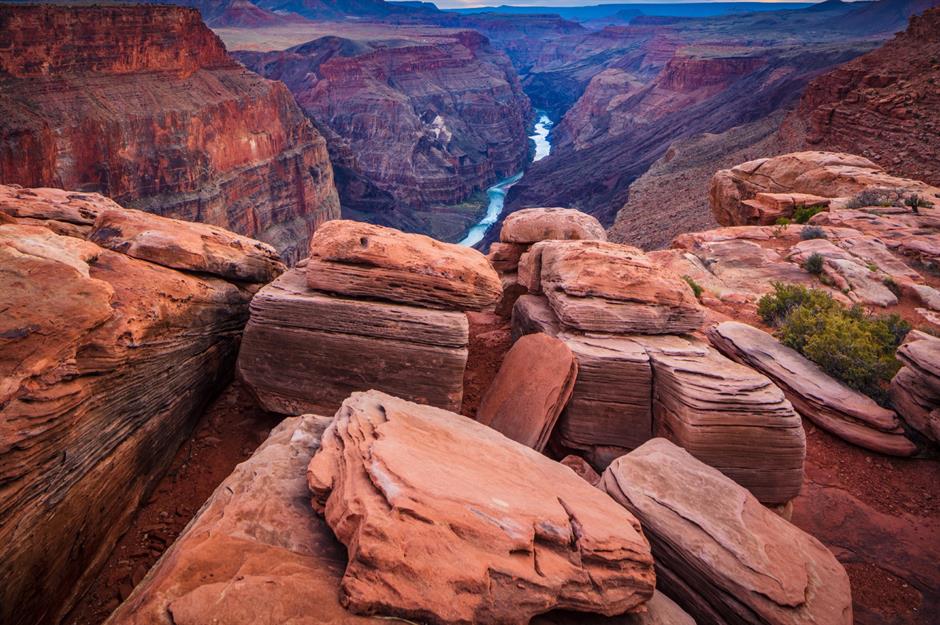
Arizona’s bragging rights need no introduction. The Grand Canyon – vast, ancient, and awe-inspiring – is one of the world’s greatest natural wonders. It’s a point of near-universal pride for Arizonans, whose state nickname, The Grand Canyon State, says it all.
Whether seen from a helicopter, a hiking trail, or the South Rim at sunset, it’s an icon that defines Arizona.
Arkansas: The home of Bill Clinton

Arkansas proudly claims Bill Clinton as one of its own. Born in Hope, the 42nd President of the United States began his political journey here, serving as the state’s governor before heading to the White House.
The Clinton Presidential Center in Little Rock stands as both a museum and a nod to the state’s lasting influence on national politics.
California: The birthplace of Hollywood
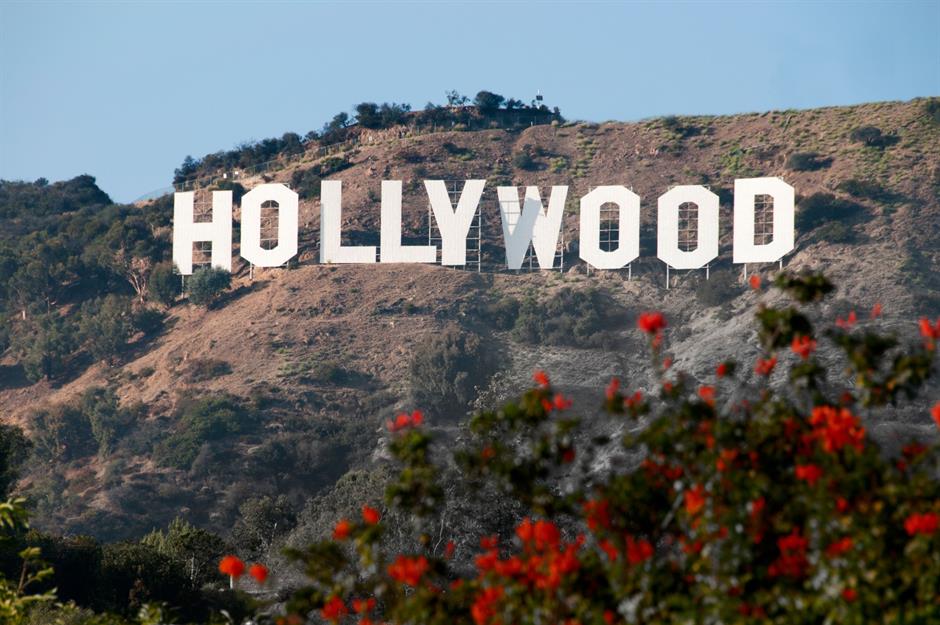
From the first silent films flickering beneath the Hollywood sign to today’s global blockbusters, California’s film industry has shaped culture around the world.
Hollywood isn’t just a neighborhood – it’s an idea, a dream factory, and a byword for glitz, glamour, and creativity that is recognized globally.
Sponsored Content
Colorado: The Rocky Mountains
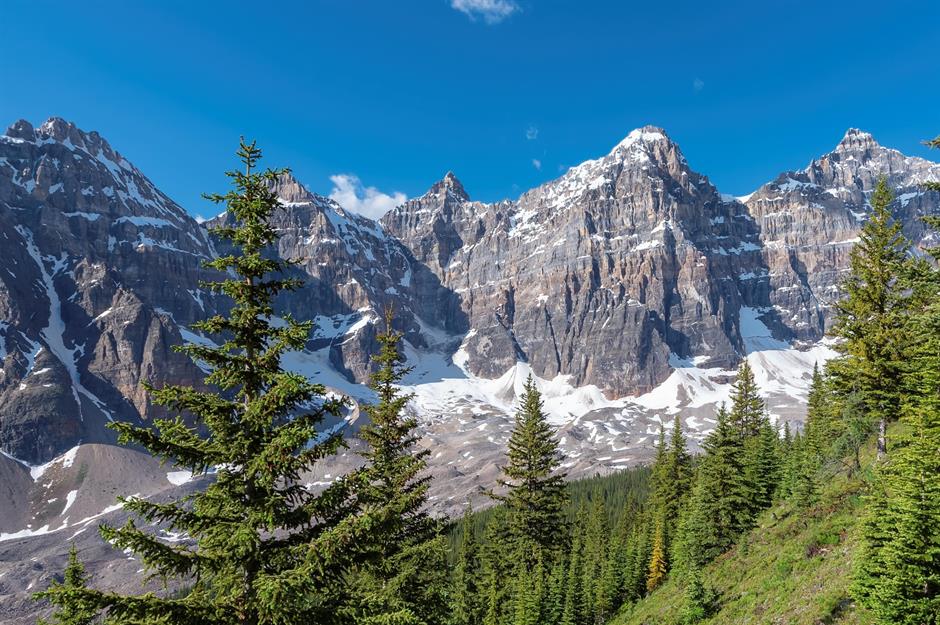
For Colorado, pride rises with the peaks. The Rocky Mountains define the state’s landscape and its spirit – rugged, adventurous, and awe-inspiring.
Whether it’s skiing in Aspen, hiking in Rocky Mountain National Park, or gazing at a snow-dusted summit, the mountains are a way of life for Coloradans.
Connecticut: The birthplace of the American submarine
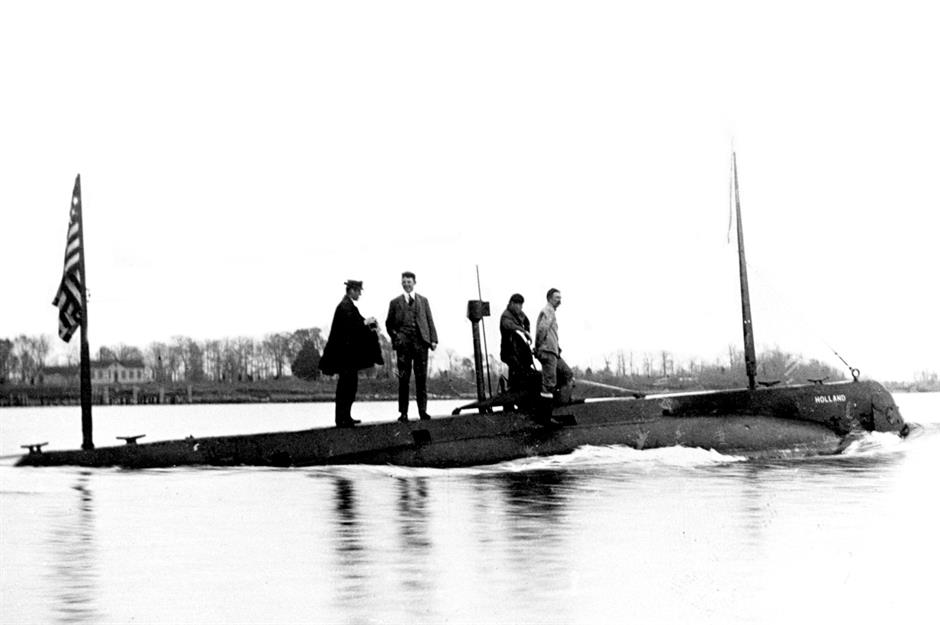
Connecticut can claim a pretty significant contribution to American innovation, one that resides beneath the waves. In 1900, the US Navy launched its first commissioned submarine, the USS Holland (pictured), built in Groton.
The city went on to become the "Submarine Capital of the World," home to generations of shipbuilders and the Naval Submarine Base New London.
Delaware: The first state
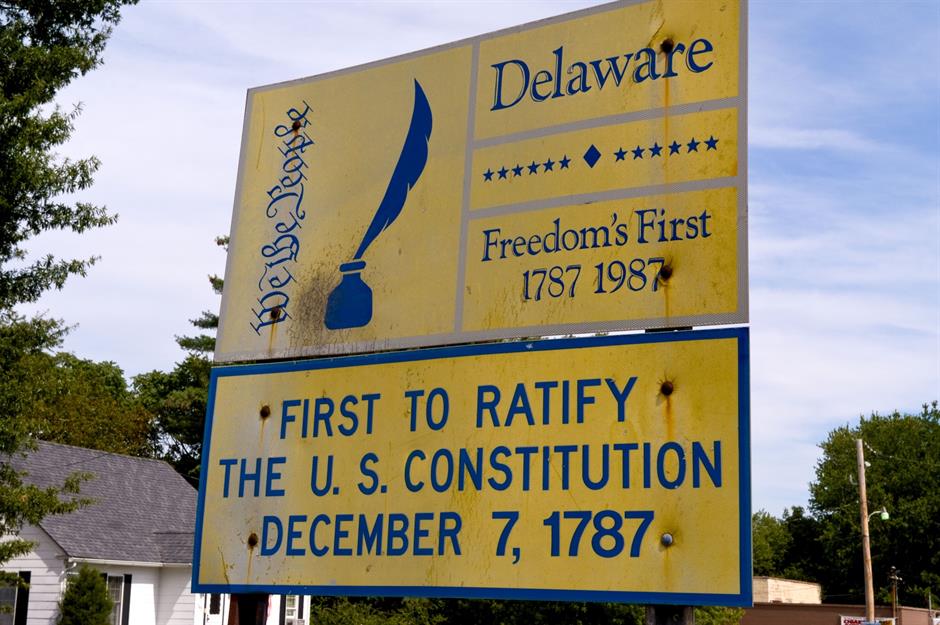
Delaware wears its nickname with pride, and for good reason. On December 7, 1787, it became the first state to ratify the US Constitution, securing its place at the top of the historical roll call.
That early embrace of independence is still celebrated today, from the First State Heritage Park in Dover to the state’s flag itself.
Sponsored Content
Florida: The launchpad to the stars
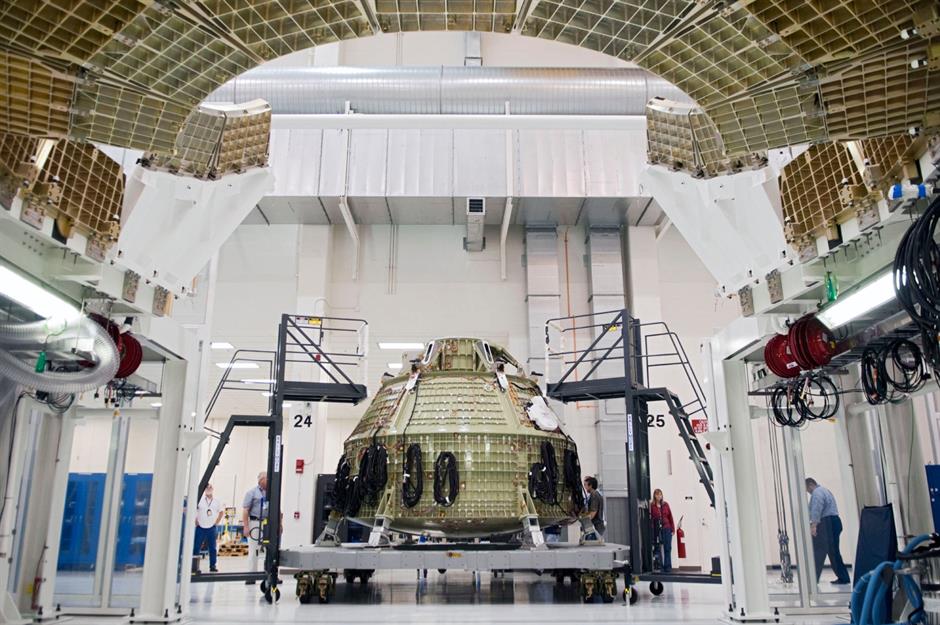
When the Apollo 11 astronauts blasted off for the Moon in 1969, they did it from Florida’s Kennedy Space Center. The state’s Atlantic coast has been the stage for every major US space mission since.
Even today, with SpaceX launches visible from nearby beaches, Florida’s space coast remains one of the most extraordinary bases of science, spectacle, and state pride.
Georgia: Where Coca-Cola was born
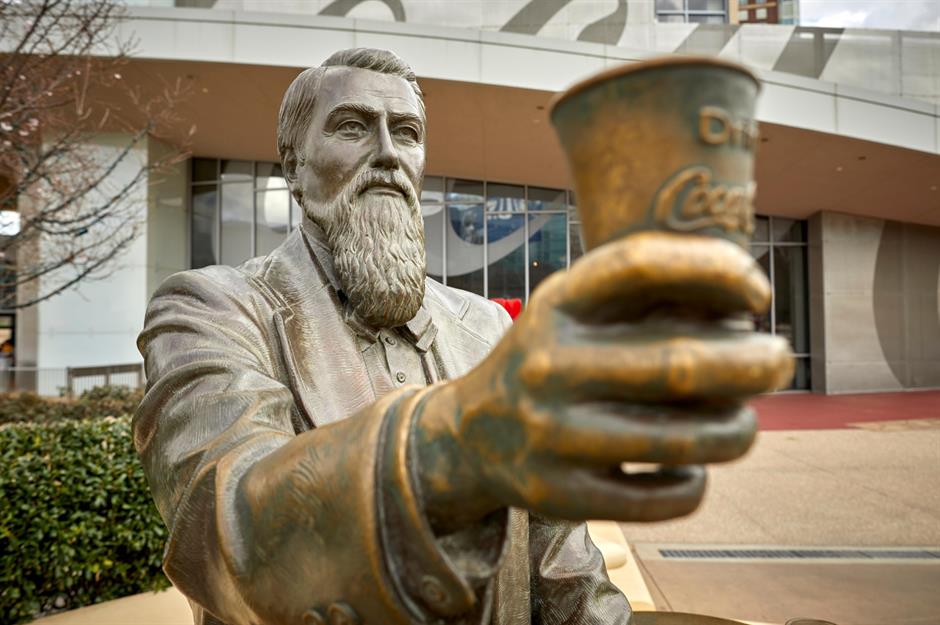
Atlanta gave the world a global icon when pharmacist John Pemberton mixed up a caramel-colored tonic in 1886. Coca-Cola’s success soon bubbled far beyond Georgia, but the brand has never forgotten its roots.
The city still celebrates its most famous creation at the World of Coca-Cola museum: part shrine, part history lesson, and featuring a statue of the iconic drink's creator offering up a glass of the brown stuff (pictured).
Hawaii: The only royal palace in the United States
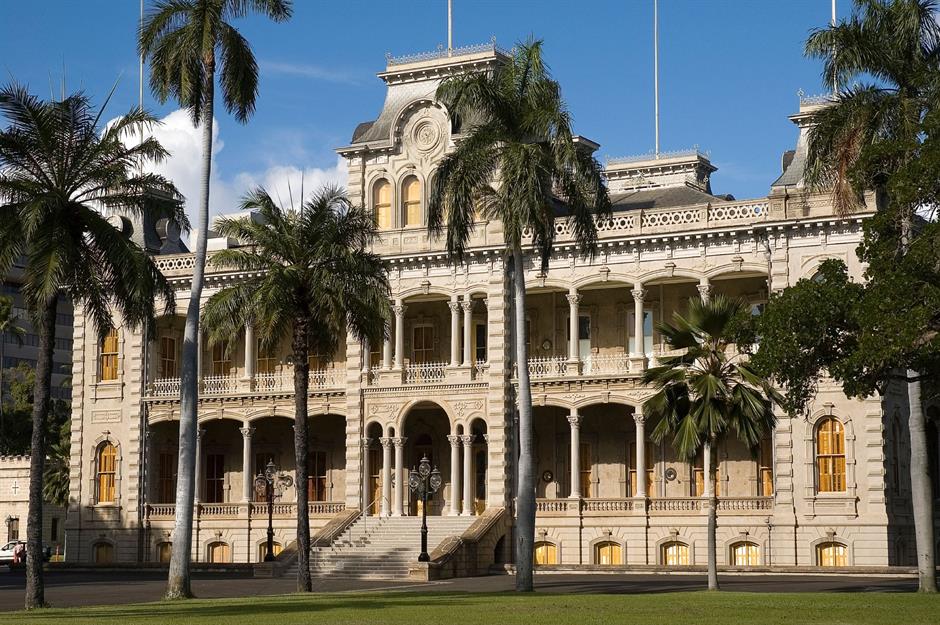
Standing in the heart of Honolulu, ʻIolani Palace tells a story found nowhere else in America. Completed in 1882 for King Kalākaua, it was the royal residence of Hawaii’s monarchs until the kingdom’s overthrow.
Its grand halls and restored furnishings now serve as a proud testament to the islands’ sovereign past, and a reminder that Hawaii’s identity began long before statehood.
Sponsored Content
Idaho: The Potato State
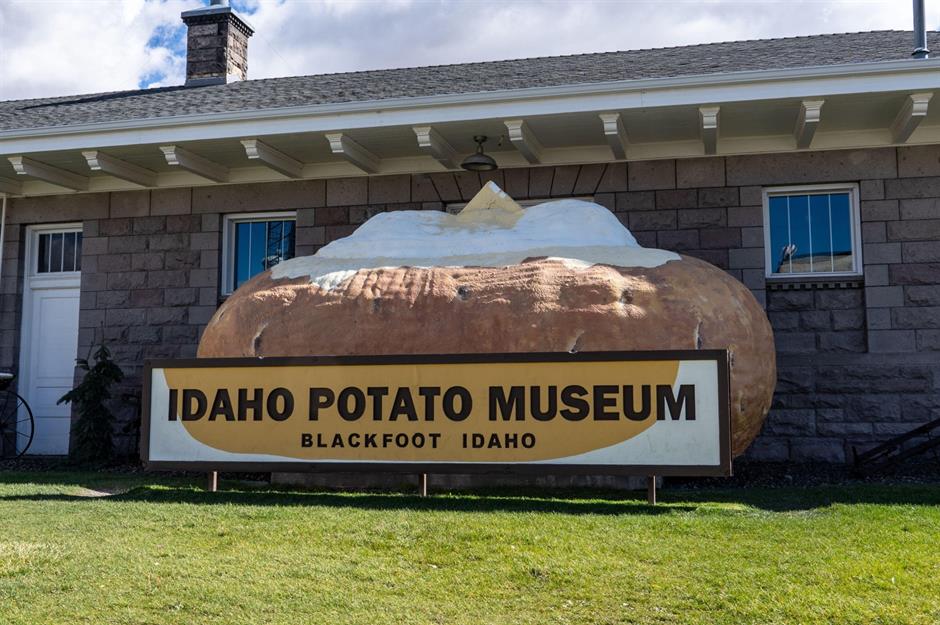
There’s no separating Idaho from its signature crop. The state’s volcanic soil, clean water, and high altitude create potatoes with unmatched texture and flavor, fueling an industry that’s become part of Idaho’s identity.
From the Idaho Potato Museum in Blackfoot (pictured) to a record-holding four-ton potato sculpture that tours the country, the state’s spud obsession is equal parts tradition, humor, and genuine pride.
Illinois: Home of Chicago’s deep-dish pizza
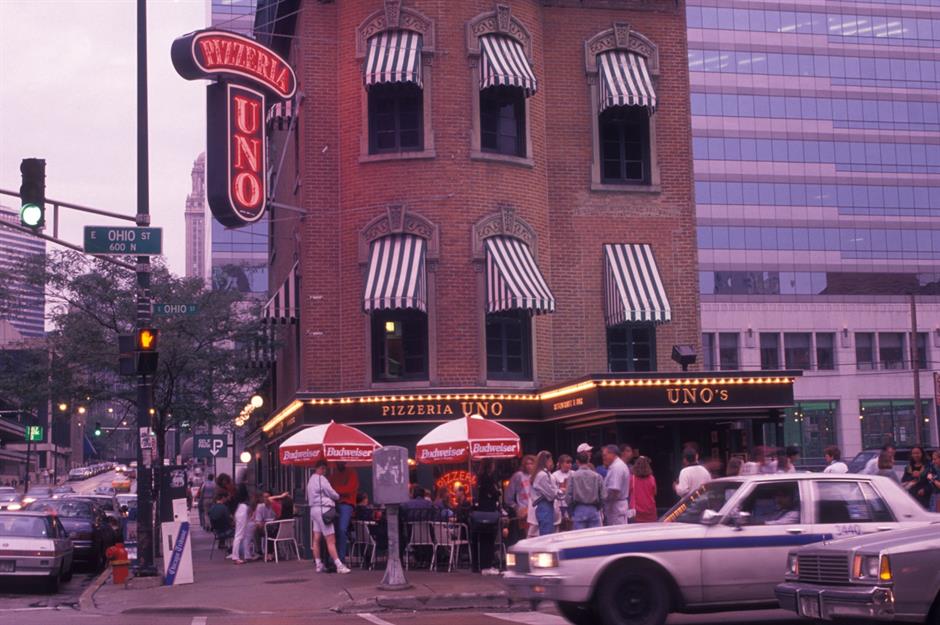
When people think of Illinois, they often picture a golden, cheese-laden slice of Chicago’s finest. Born in the 1940s at Uno Pizzeria (pictured), deep-dish pizza turned the humble pie into an event: its buttery crust, chunky tomato sauce, and generous layers of mozzarella now world-famous.
It’s a proud culinary signature here, fiercely defended by locals against thin-crust imitators everywhere.
Indiana: The Indianapolis 500
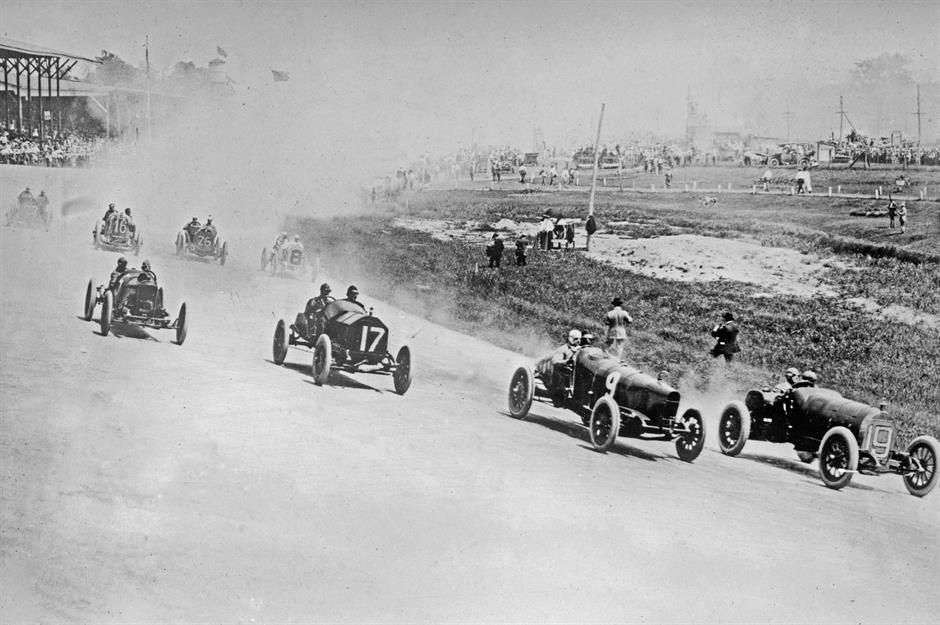
Each Memorial Day weekend, the roar of engines fills the air at the Indianapolis Motor Speedway, home to the Indy 500 – the world’s most famous motor race. First held in 1911, and pictured here in 1913, it’s become an enduring symbol of speed, spectacle, and Indiana’s love of engineering excellence.
For many Hoosiers, "The Greatest Spectacle in Racing" is a tradition that defines the state’s sporting spirit.
Sponsored Content
Iowa: The setting of Field of Dreams
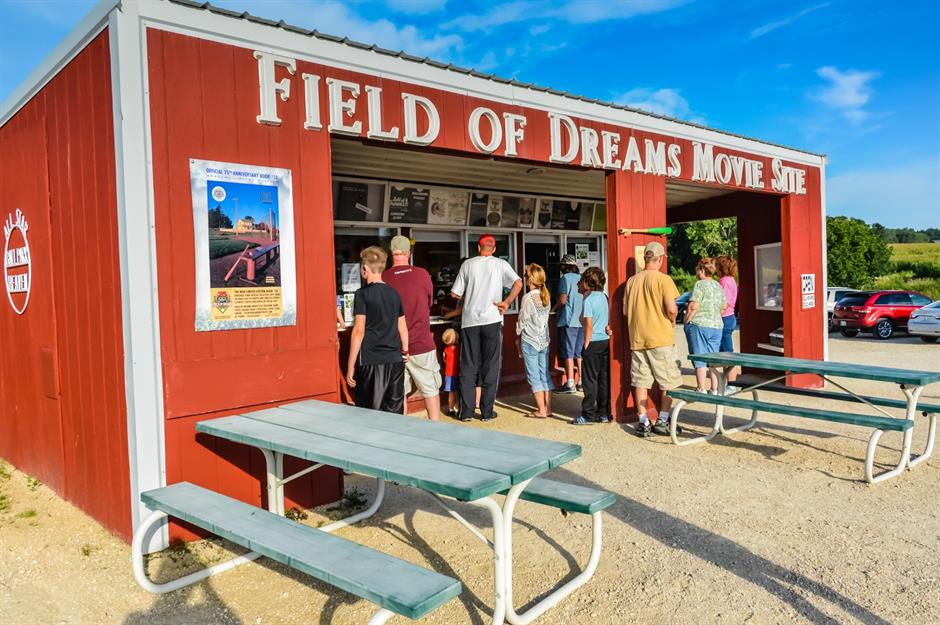
“If you build it, he will come.” With that line, Iowa secured a permanent place in American film mythology. The 1989 movie Field of Dreams, shot on a Dyersville cornfield that still exists today, captured the heart of small-town America.
Visitors still flock to play catch where Kevin Costner once stood, making it one of Iowa’s most powerful points of pride and a field where nostalgia never fades.
Kansas: The Wizard of Oz connection
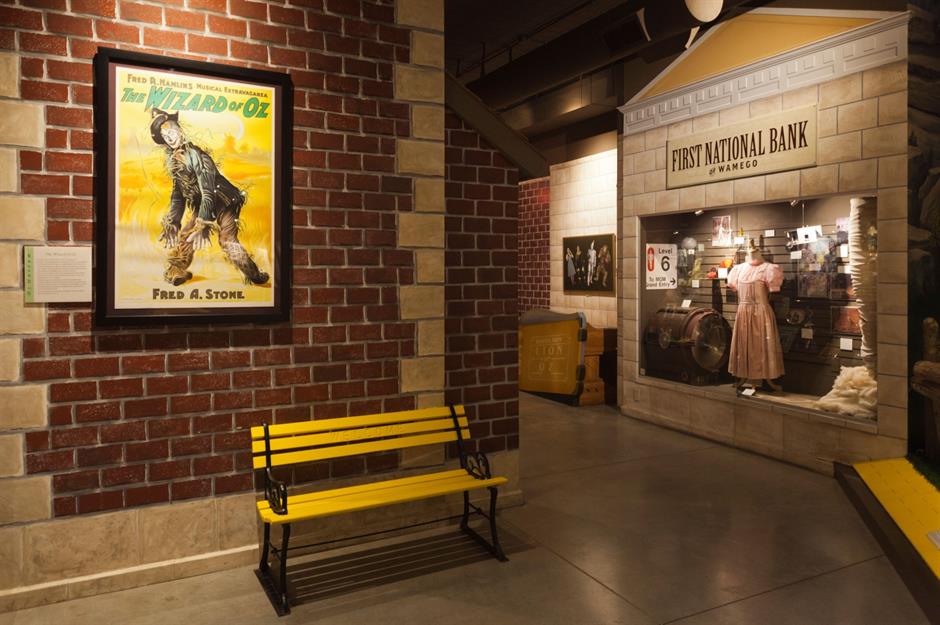
Kansas’ most famous export isn’t a product or a landmark, it’s a story. Ever since The Wizard of Oz whisked Dorothy away from her Kansas farmhouse in 1939, the state has been part of Hollywood legend.
The Oz Museum in Wamego (pictured) keeps the magic alive, filled with ruby slippers and yellow brick memorabilia. There's no place like Kansas.
Kentucky: The birthplace of bourbon
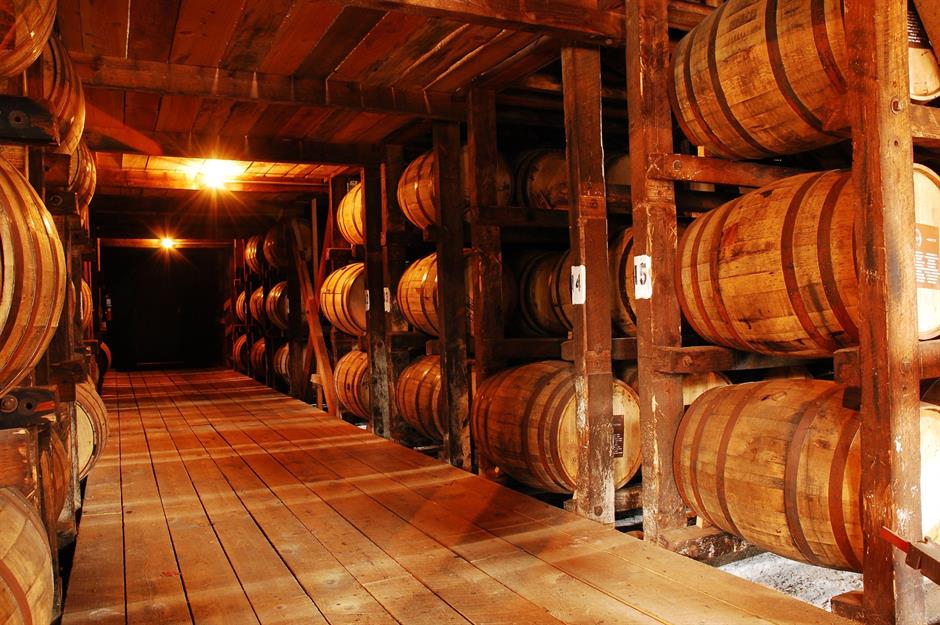
Kentucky’s amber pride runs deep. Around 95% of the world’s bourbon is distilled here, crafted from limestone-rich water and perfected through generations of know-how.
From the heritage barrels of Maker’s Mark to the Bourbon Trail that winds through small towns and storied distilleries, this is the spirit of Kentucky – literally and culturally. A glass of local bourbon here is a taste of history.
Sponsored Content
Louisiana: The home of jazz
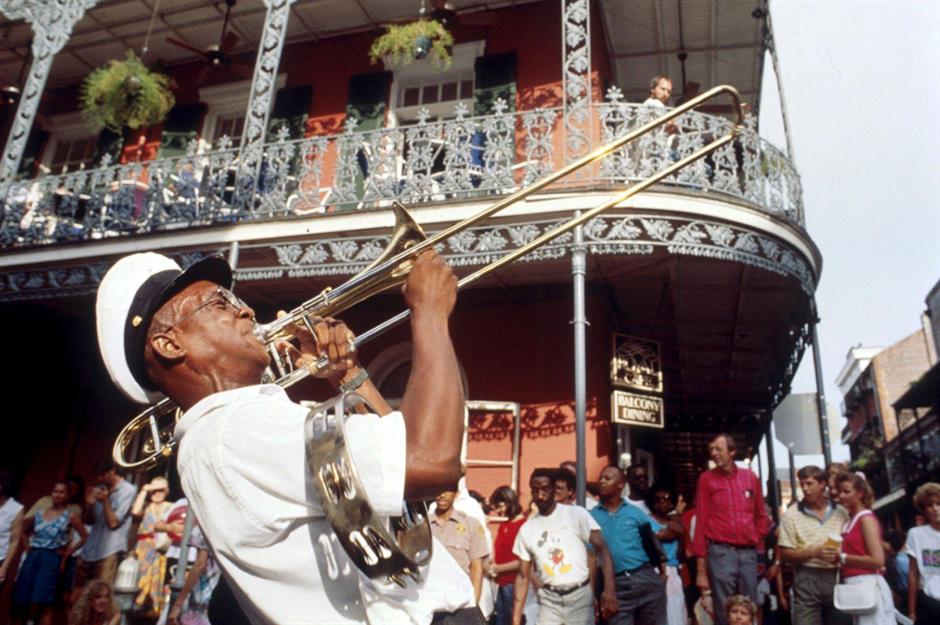
New Orleans gave the world a soundtrack. In the early 1900s, brass bands and Creole rhythms converged in the city’s dance halls and streets to create jazz, America’s first truly original art form.
From Louis Armstrong’s trumpet to today’s Frenchmen Street performers, the music is woven into Louisiana’s identity.
Maine: Lobster capital of the world
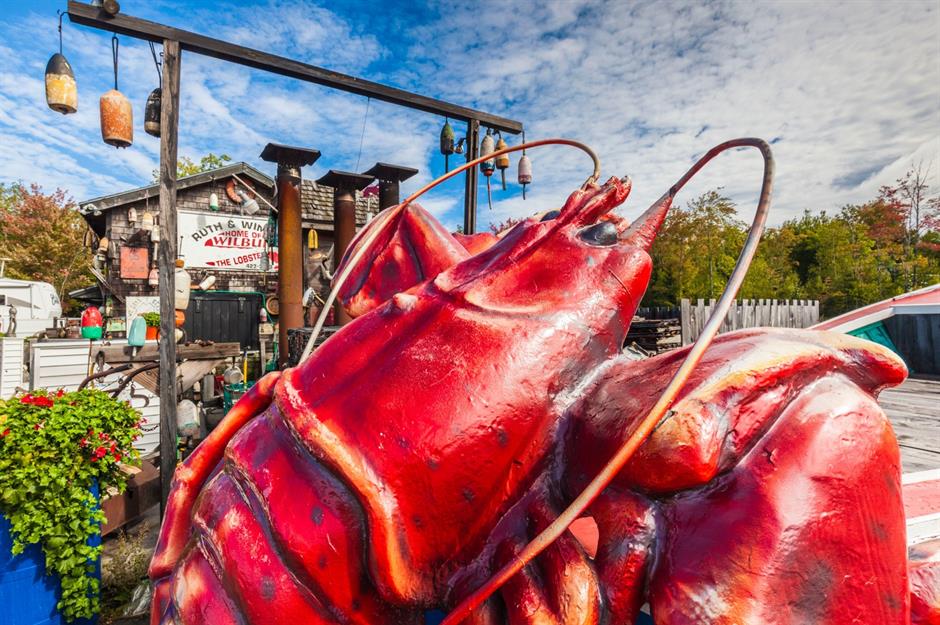
For Maine, state pride comes served with butter. The state’s cold Atlantic waters yield the sweetest, most sought-after lobster in the world, a tradition that sustains generations of coastal communities.
Whether it’s a paper plate lobster roll or a seaside shack feast, this shellfish is both livelihood and legend. To visit Maine without tasting lobster is almost a crime. You've been warned.
Maryland: The Star-Spangled Banner
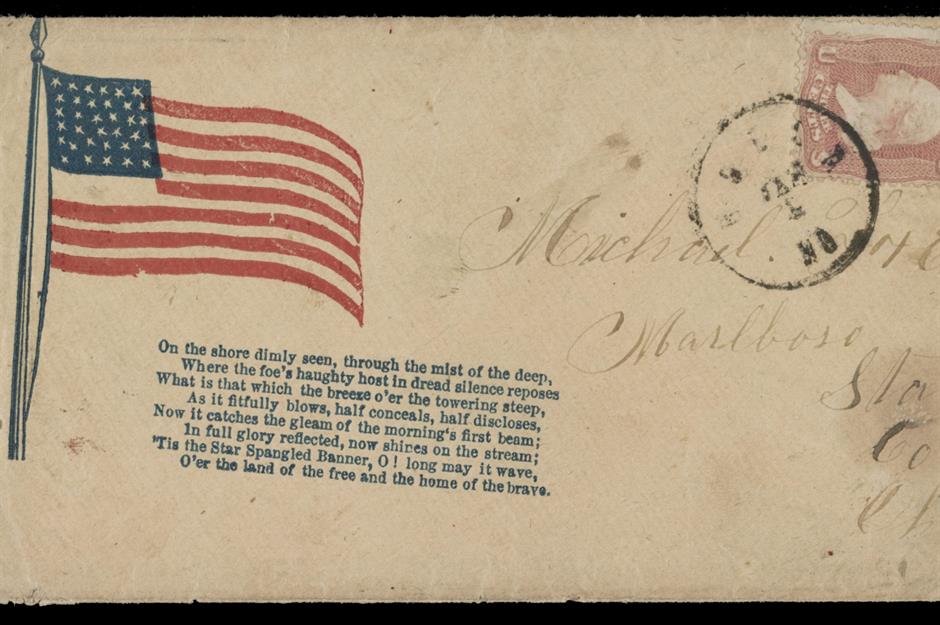
During the War of 1812, as British forces bombarded Fort McHenry in Baltimore, local lawyer Francis Scott Key watched from a nearby ship. When dawn revealed the American flag still flying above the fort, he penned the poem Defence of Fort M'Henry, later adapted into the song that would become America's national anthem: The Star-Spangled Banner.
Pictured is a Civil War-era envelope bearing the flag and the poem’s second stanza.
Sponsored Content
Massachusetts: The cradle of the American Revolution
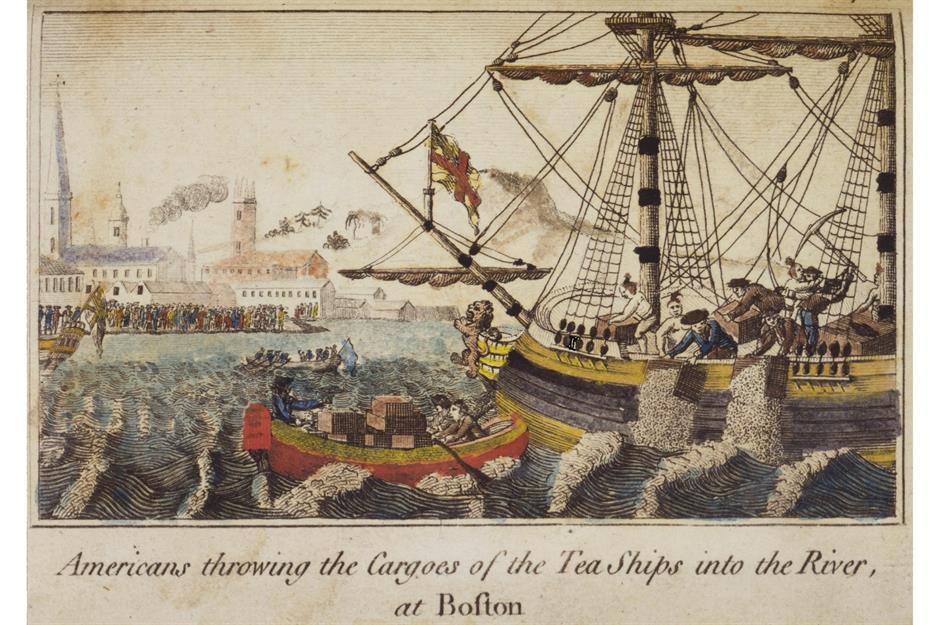
From the Boston Tea Party to the first shots at Lexington and Concord, the American Revolution began in Massachusetts. Boston’s Freedom Trail still winds past the sites where colonists challenged an empire, while landmarks like Faneuil Hall and the Old North Church keep those revolutionary ideals alive.
It’s the state where the story of America’s independence truly began.
Michigan: The Motor City
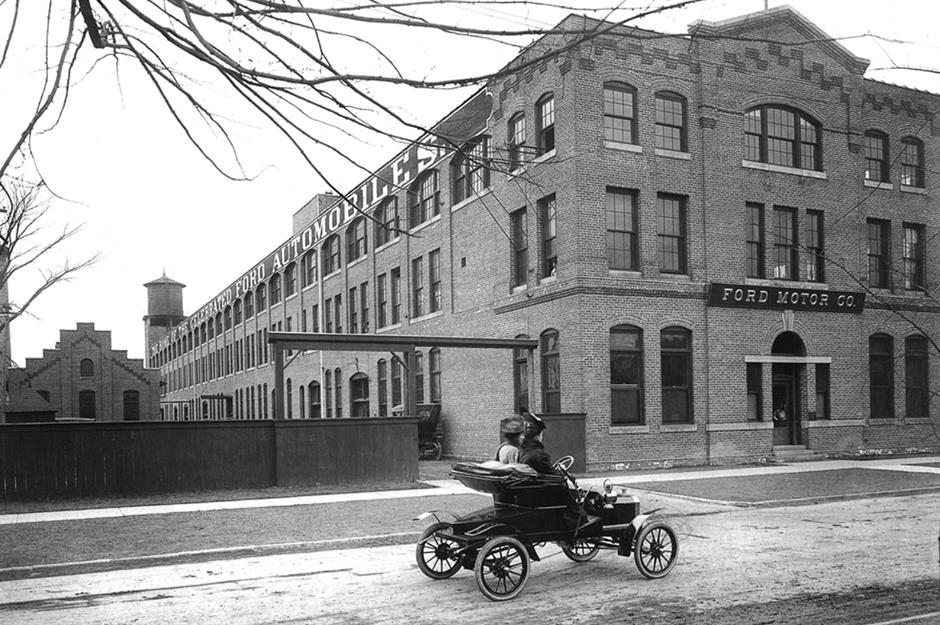
When Henry Ford rolled out the first affordable automobile in Detroit, Michigan transformed the world. The state’s pioneering role in car manufacturing turned "Motor City" into a global symbol of innovation.
Though the industry has evolved, Detroit’s automotive legacy, shaped by Ford, GM, and Chrysler, still defines Michigan’s spirit.
Minnesota: The land of 10,000 lakes
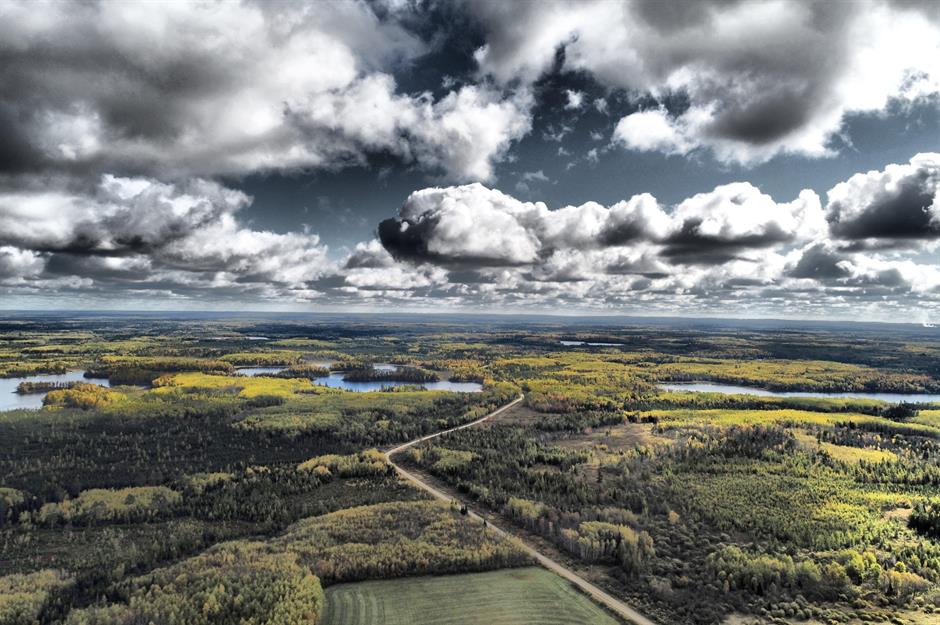
Minnesota’s identity is inseparable from its waters. With more than 11,000 lakes (despite the nickname), the state’s outdoor culture runs deep – from ice fishing and canoeing to lakefront cabins that define its summers.
It’s also the headwaters of the Mississippi River, a fact Minnesotans cite with pride.
Sponsored Content
Mississippi: Birthplace of the Blues
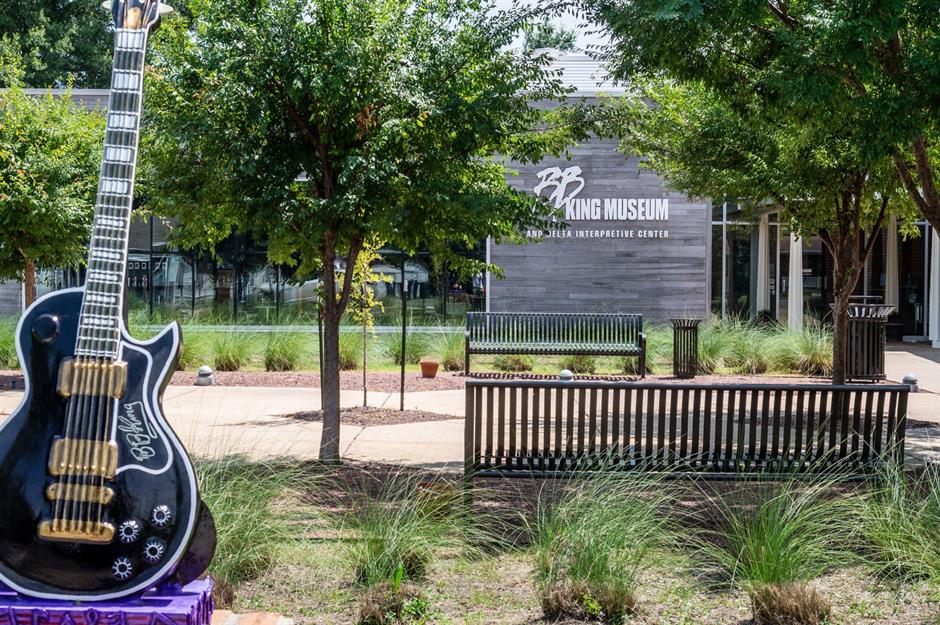
Down in the Mississippi Delta, music changed forever. In the early 20th century, artists like Robert Johnson, B.B. King, and Muddy Waters forged the sound that would influence everything from rock ’n’ roll to hip-hop.
Towns such as Clarksdale and Indianola remain steeped in that history, with juke joints and museums honoring the musicians who gave Mississippi its soul.
Missouri: The Gateway Arch
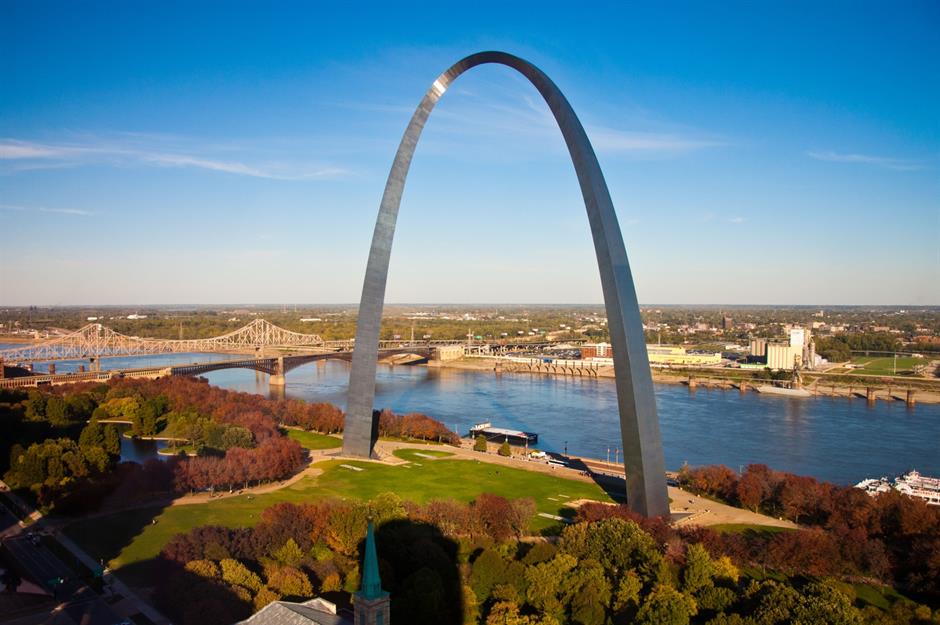
Soaring 630 feet above the Mississippi River, St. Louis’s Gateway Arch stands as a monument to America’s westward expansion. Completed in 1965 and clad in gleaming stainless steel, it remains the tallest monument in the United States.
For Missourians, it’s both an architectural marvel and a reminder of the spirit of the frontier that once began right here.
Montana: The state that helped save the wild
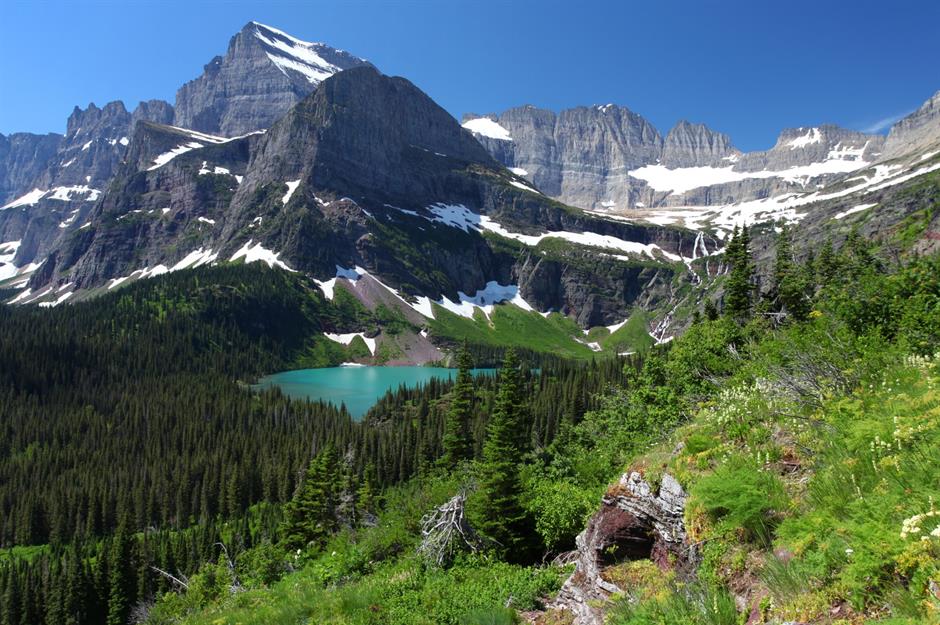
Designated in 1910, Glacier National Park represents one of America’s earliest and most ambitious conservation efforts. Its rugged peaks, turquoise lakes, and ancient icefields helped define the national park movement and inspired early conservationists like George Bird Grinnell.
Known as "The Crown of the Continent," the park remains a proud emblem of Montana’s commitment to preservation.
Sponsored Content
Nebraska: The first transcontinental railroad
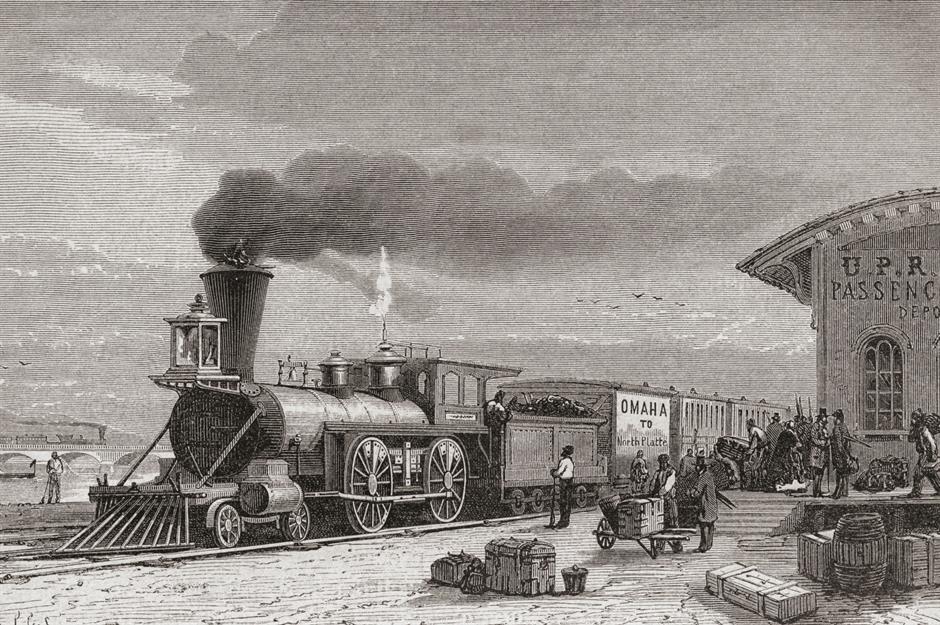
When the golden spike was driven in 1869, linking east and west, Nebraska had already played a crucial role. The Union Pacific Railroad began construction in Omaha, making the state the starting point of one of the most transformative engineering feats in American history.
The railroad turned the Great Plains from frontier to heartland, earning Nebraska’s place in the nation’s story.
Nevada: Las Vegas, the entertainment capital of the world
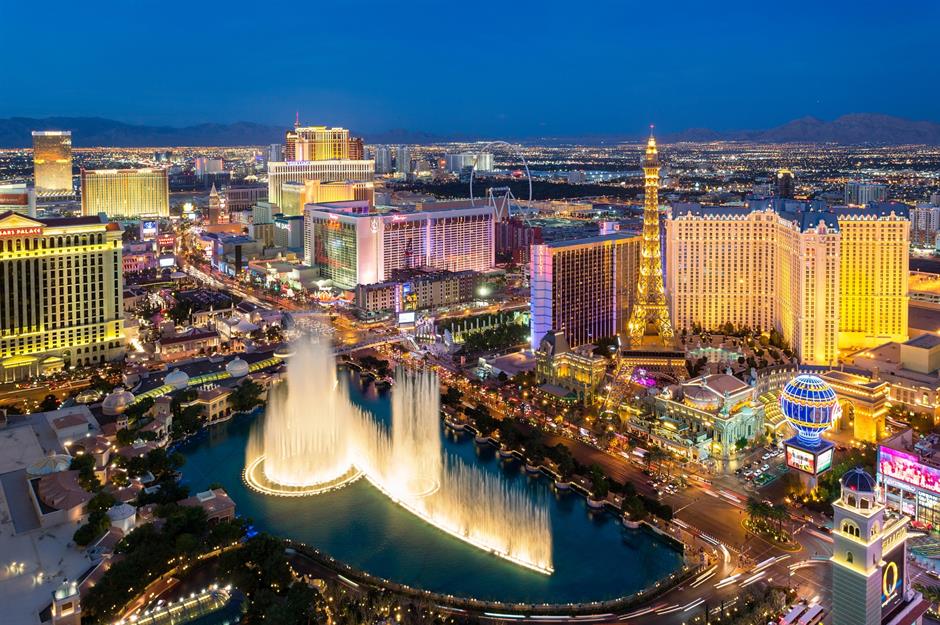
Few places on Earth evoke glamour and excess quite like Las Vegas. Rising from the Mojave Desert, the city redefined entertainment with its neon skyline, legendary casinos, and over-the-top shows.
Since its mid-20th-century heyday, Vegas has become both a fantasy and a phenomenon: one that continues to draw millions in search of fortune.
New Hampshire: The first-in-the-nation primary
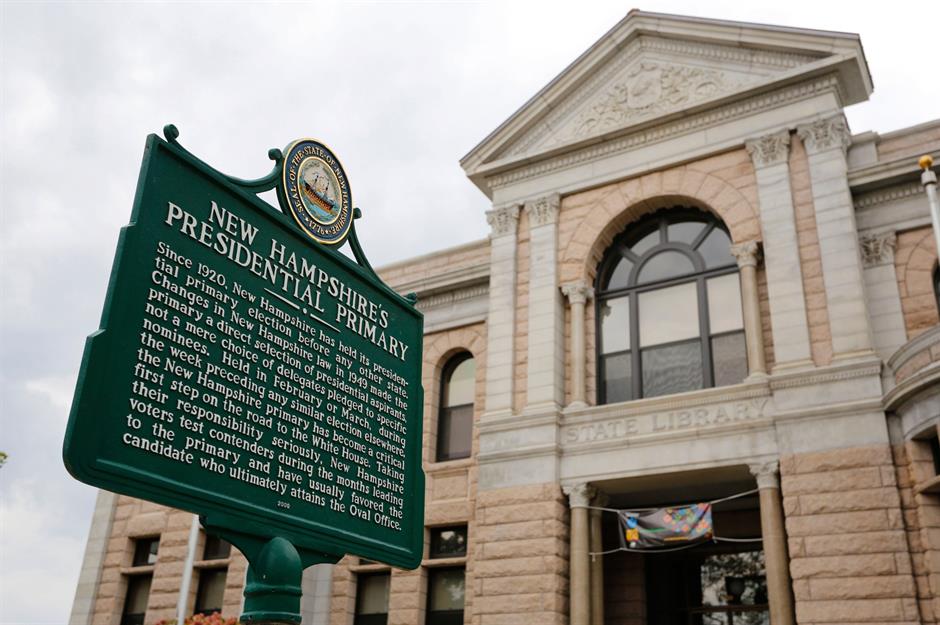
Every four years, New Hampshire takes center stage in American politics as the first state to hold a presidential primary. Since 1920, its small towns and snow-covered streets have been the proving ground for presidential hopefuls seeking national momentum.
The tradition reflects New Hampshire’s independent spirit and its lasting influence on American democracy.
Sponsored Content
New Jersey: The home of Bruce Springsteen
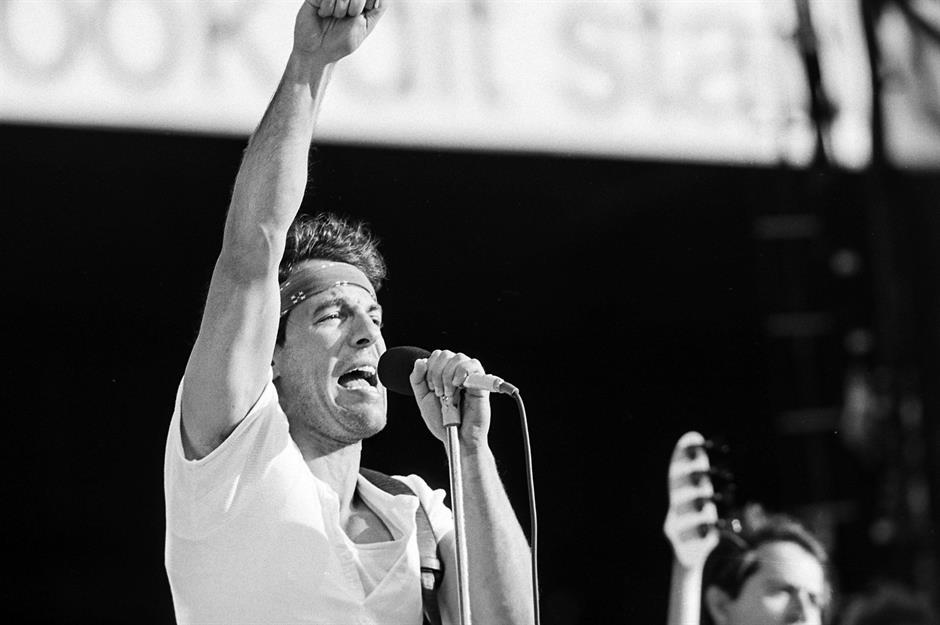
Few artists capture the spirit of a place like Bruce Springsteen does for New Jersey. Born in Long Branch and raised in Freehold, The Boss turned his Jersey roots into rock ’n’ roll legend – singing of working-class dreams, boardwalk nights, and the promise of escape.
From Asbury Park’s iconic Stone Pony to the stages of the world, Springsteen remains the state’s most enduring export and unmistakably Jersey.
New Mexico: The oldest capital city in the US
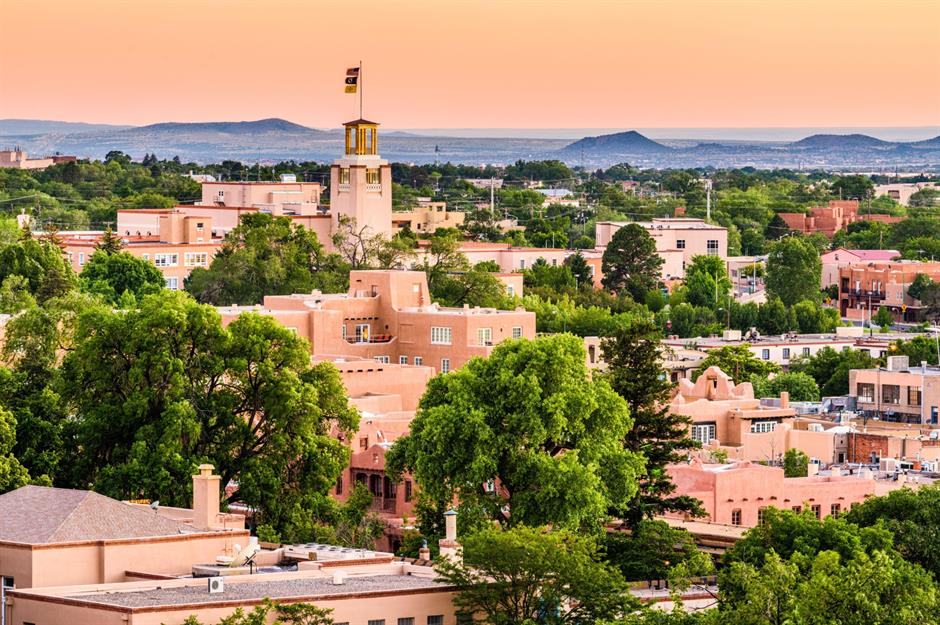
Santa Fe, founded in 1610, predates the Pilgrims and remains the oldest state capital in the country. Its adobe buildings, narrow streets, and mountain backdrop reflect more than four centuries of history and cultural blending.
Influenced by Native American, Spanish, and Mexican traditions, the city stands as a living testament to New Mexico’s layered past.
New York: The Statue of Liberty
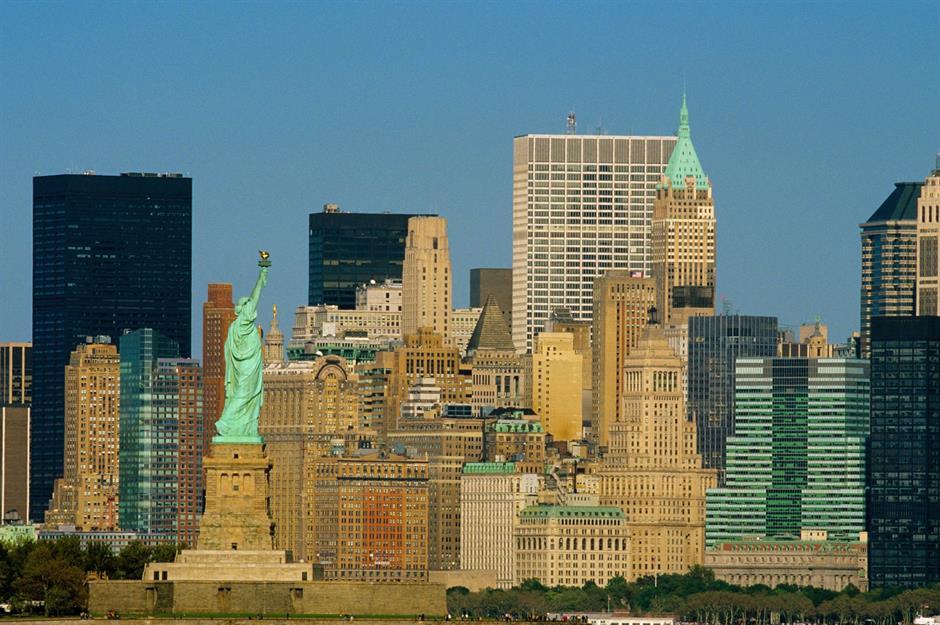
A gift from France in 1886, the Statue of Liberty became the symbol of New York and of America itself. Standing tall in New York Harbor, it welcomed millions of immigrants seeking a new life and was a beacon of freedom, hope, and new beginnings.
Today, she’s the unmistakable face of New York and one of the most recognized icons of the United States.
Sponsored Content
North Carolina: The first flight
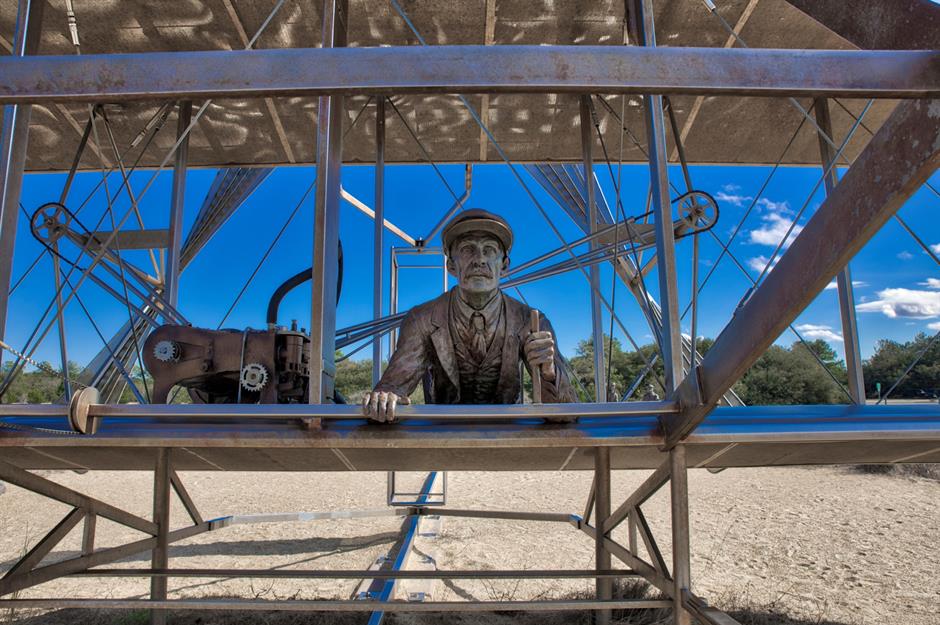
On December 17, 1903, near the dunes of Kitty Hawk, brothers Orville and Wilbur Wright made history with the world’s first successful powered flight. Their fragile-looking flyer stayed airborne for just 12 seconds, but it changed everything.
Today, the Wright Brothers National Memorial (pictured) marks the site where human flight truly began, a point of lasting pride for the state that calls itself "First in Flight."
North Dakota: Theodore Roosevelt National Park
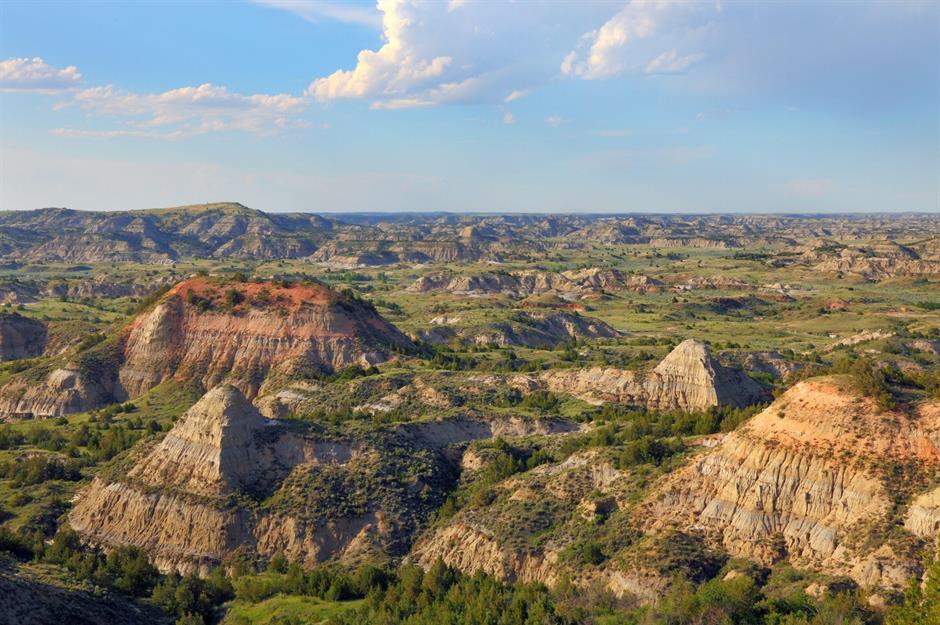
North Dakota’s defining pride lies in its wild spaces – none more so than Theodore Roosevelt National Park. Established in 1947 and named for the president who once ranched here, it celebrates the rugged landscape that inspired his lifelong commitment to conservation.
With its painted canyons, roaming bison, and wide-open silence, the park remains a fitting tribute to both Roosevelt and the untamed spirit of the state.
Ohio: Rock and Roll Hall of Fame
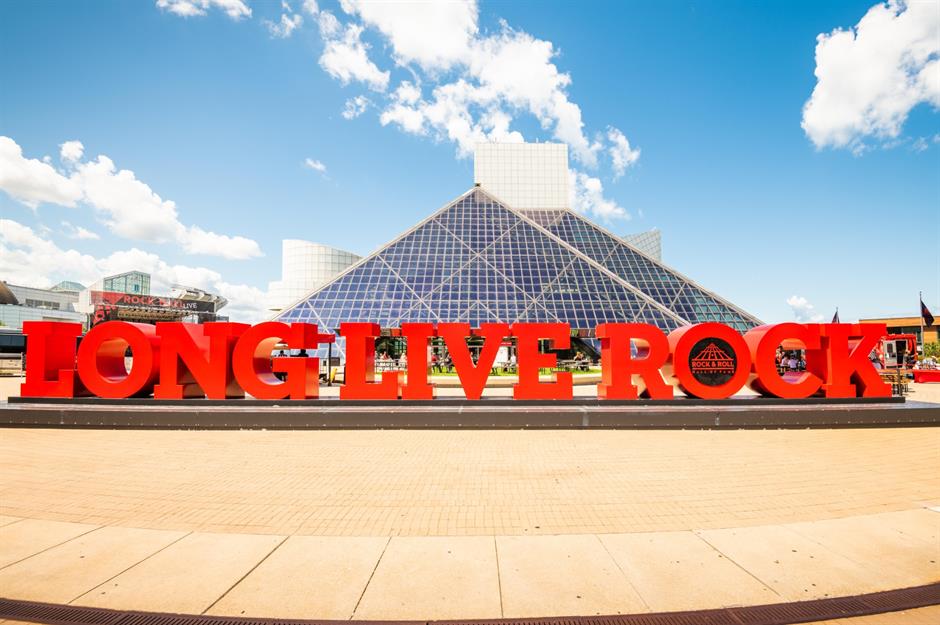
Cleveland turned up the volume on its legacy when it became home to the Rock and Roll Hall of Fame in 1995.
The museum celebrates the artists and sounds that defined generations, from Elvis Presley to Beyoncé, and honors the city where the term "rock and roll" was first popularized by local DJ Alan Freed.
Sponsored Content
Oklahoma: The Land Run of 1889
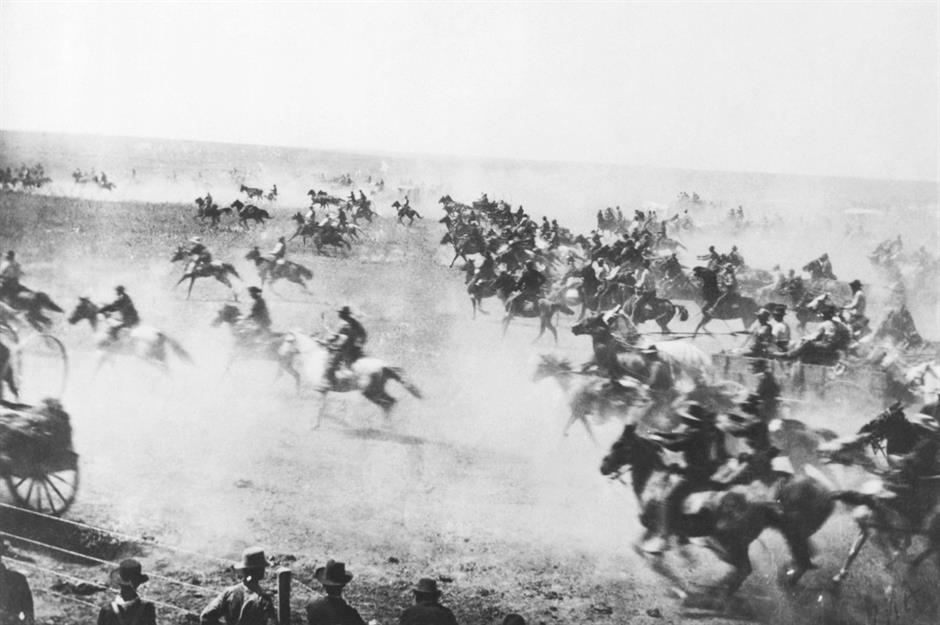
Few moments shaped Oklahoma’s story more than the Land Run of 1889, when tens of thousands of settlers literally raced to claim free land as the territory opened to non-Indigenous settlement.
It marked the beginning of Oklahoma’s statehood journey and remains a defining event in its history – one commemorated by statues, museums, and annual re-enactments.
Oregon: The end of the Oregon Trail
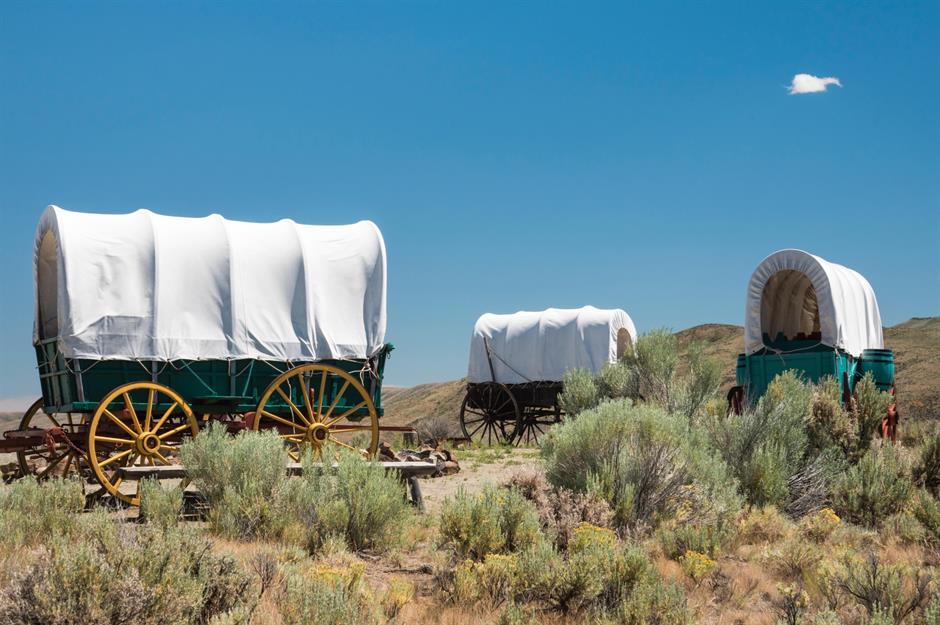
For countless pioneers heading west, Oregon was the dream at journey’s end. The Oregon Trail, which stretched more than 2,000 miles across the continent, concluded near present-day Oregon City.
By the mid-1800s, it had brought tens of thousands of settlers to the fertile valleys of the Pacific Northwest, turning Oregon into a symbol of opportunity and new beginnings.
Pennsylvania: The signing of the Declaration of Independence
Few states can claim a moment as defining as this one. On July 4, 1776, delegates gathered in Philadelphia’s Independence Hall to sign the Declaration of Independence, setting a new nation in motion.
The Liberty Bell still hangs nearby, proof that for Pennsylvania, history isn’t just preserved, it was written here.
Sponsored Content
Rhode Island: The birthplace of American diner culture
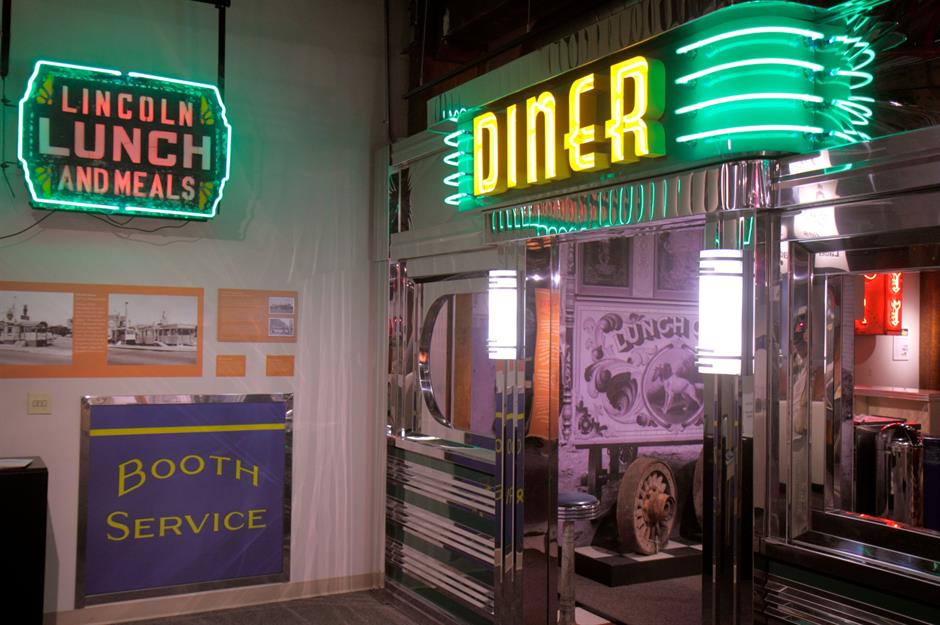
Rhode Island takes pride in being the spiritual home of the American diner. In 1872, Providence entrepreneur Walter Scott began selling late-night meals from a horse-drawn wagon – an idea that evolved into the chrome-fronted classics seen across the country.
That spirit of hospitality still defines the Ocean State’s food scene today.
South Carolina: Home of American barbecue
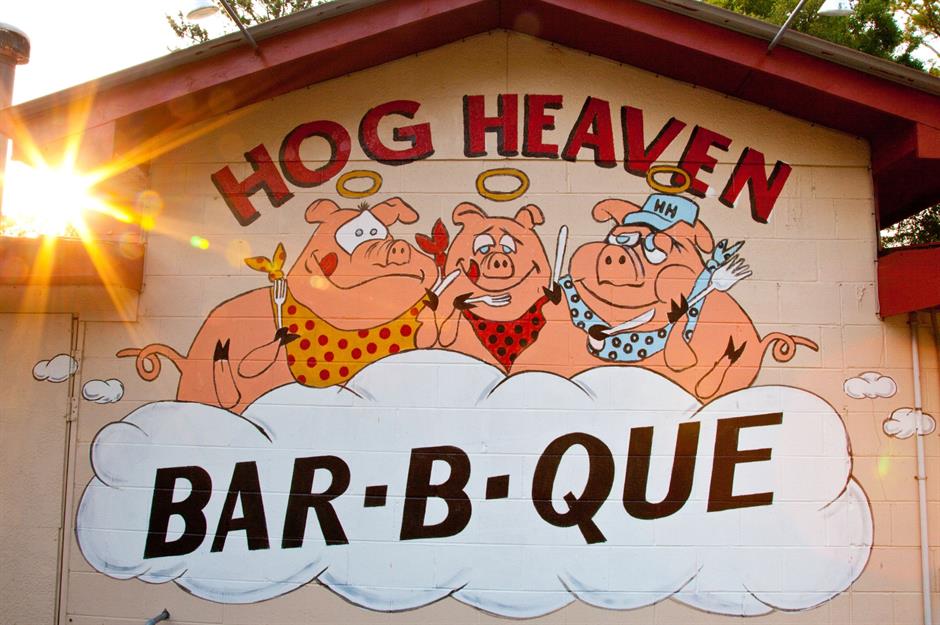
Often regarded as the birthplace of American barbecue, South Carolina’s love of slow-cooked meat dates back to colonial times. Indigenous cooking techniques blended with African and European influences to create a distinctly Southern tradition, still celebrated today across the state.
With four regional sauce styles, most famously its mustard-based variety, South Carolina proudly claims barbecue as part of its cultural DNA.
South Dakota: Mount Rushmore
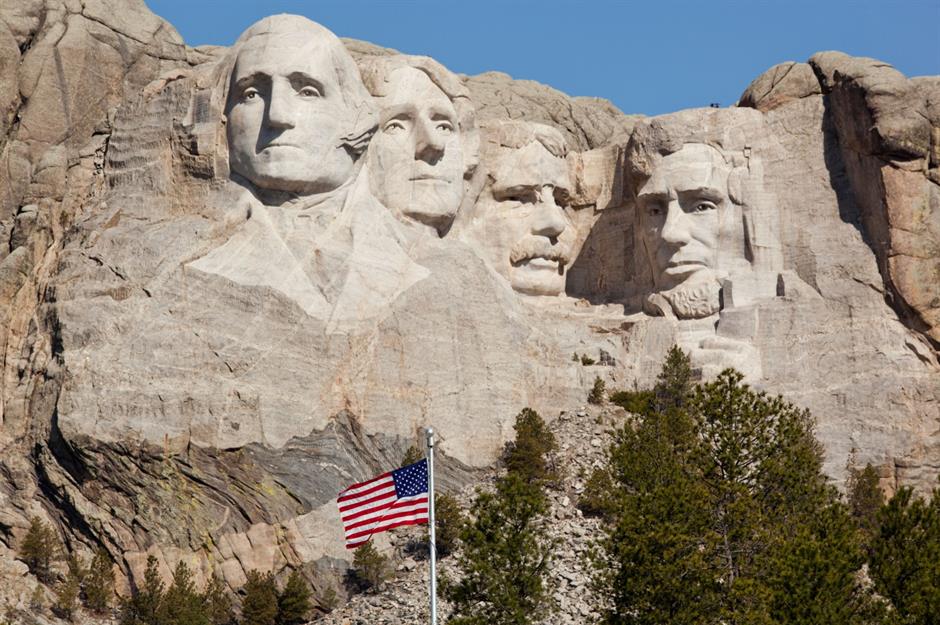
South Dakota’s most famous landmark says it all. Towering above the Black Hills, Mount Rushmore has become a national symbol that tourists from across the globe flock to each year.
The monument’s creation reflected both artistic ambition and American identity, and for South Dakotans, it's proof that even a small state can leave a monumental mark.
Sponsored Content
Tennessee: The home of country music
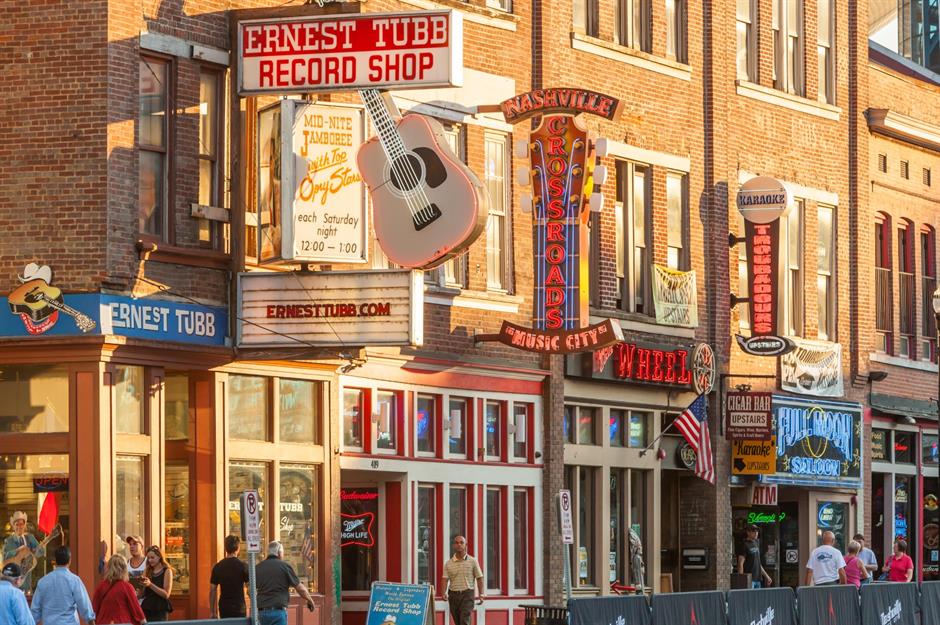
No state is more closely tied to the sound of country music than Tennessee. Nashville’s Grand Ole Opry helped launch legends from Johnny Cash to Dolly Parton, while Memphis added its own rhythm with Elvis Presley and Sun Studio.
Together, these cities shaped the soundtrack of America. Music here is a way of life that echoes from the honky-tonks to the hills.
Texas: The Alamo
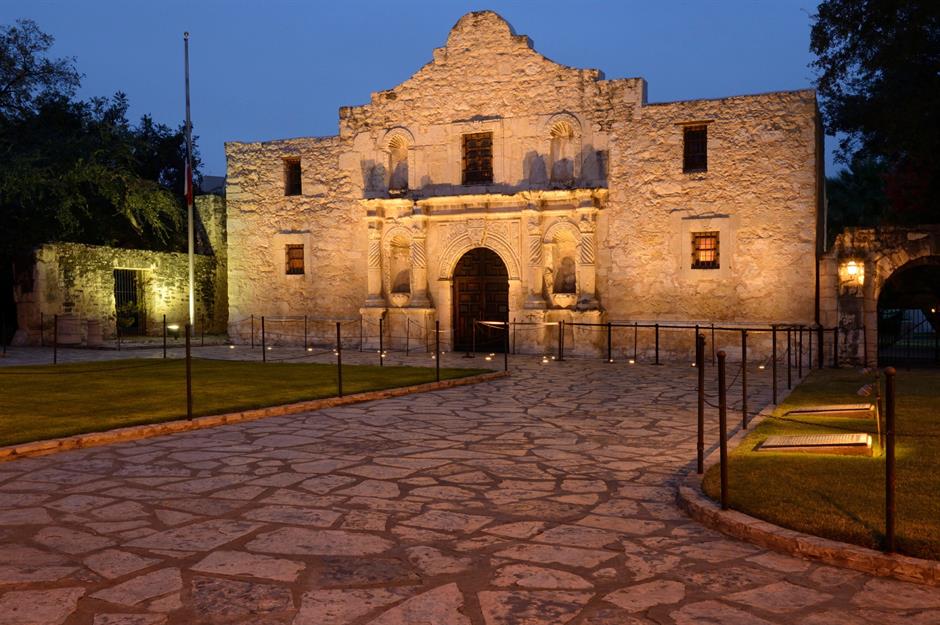
In 1836, a small group of Texan defenders held out for 13 days against the Mexican army at the Alamo mission in San Antonio. The siege became a defining moment in Texas’s fight for independence and a lasting symbol of bravery and resistance.
Today, the Alamo stands at the heart of the city as the state’s monument to courage, and a reminder of the independent spirit Texans still hold dear.
Utah: The Great Salt Lake and the Mormon legacy
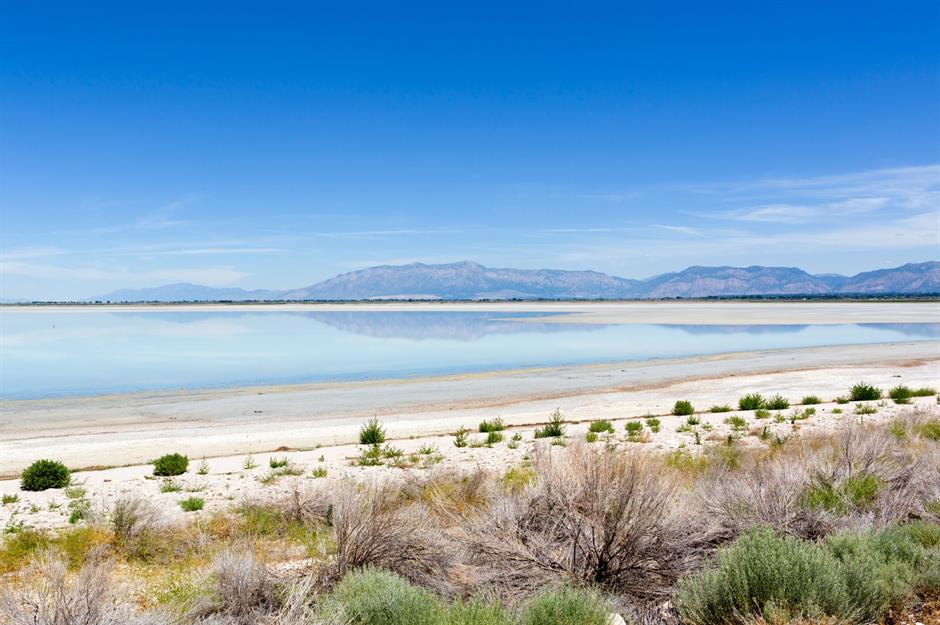
In the mid-1800s, Mormon pioneers crossed the plains to settle beside the Great Salt Lake, establishing Salt Lake City as the heart of their new community.
Their influence shaped Utah’s culture, architecture, and sense of purpose, while the surrounding desert and mountains still define the state’s unique mix of faith and awe-inspiring landscape.
Sponsored Content
Vermont: Maple syrup country

Vermont takes enormous pride in producing more maple syrup than any other US state. Each spring, the landscape comes alive with sugarhouses turning sap into liquid gold, a tradition passed down through generations.
Beyond its economic value, maple syrup represents Vermont’s craftsmanship, connection to nature, and (sweet) small-town charm.
Virginia: The birthplace of America
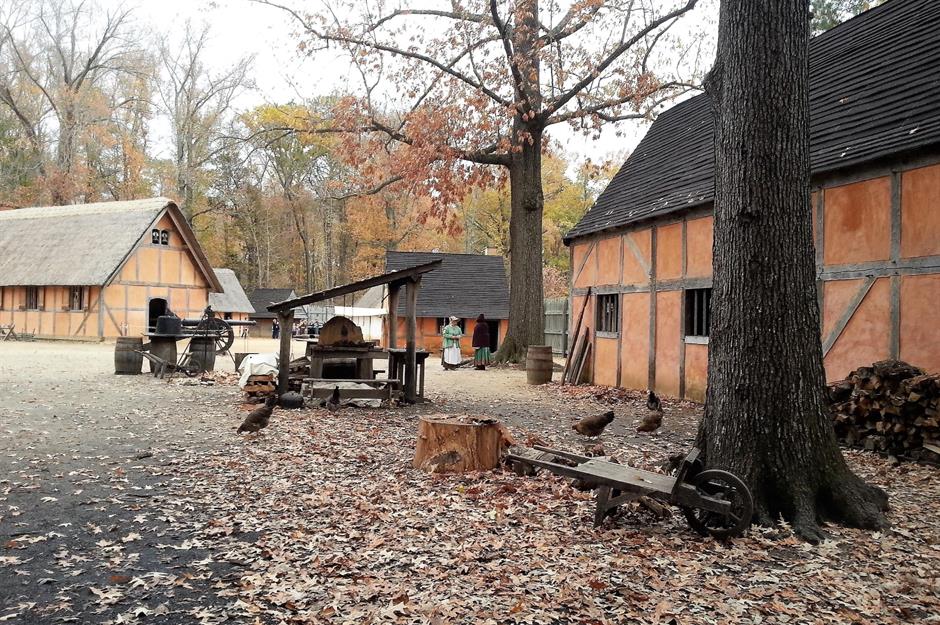
Jamestown, founded in 1607, was the first permanent English settlement in North America, laying the foundations for what would become the United States. Eight presidents were born in Virginia – more than any other state – earning it the nickname "Mother of Presidents."
At Colonial Williamsburg, the country’s largest living history museum (pictured), visitors can walk the same streets where revolutionaries once debated freedom, keeping Virginia’s story vividly alive.
Washington: The home of Boeing
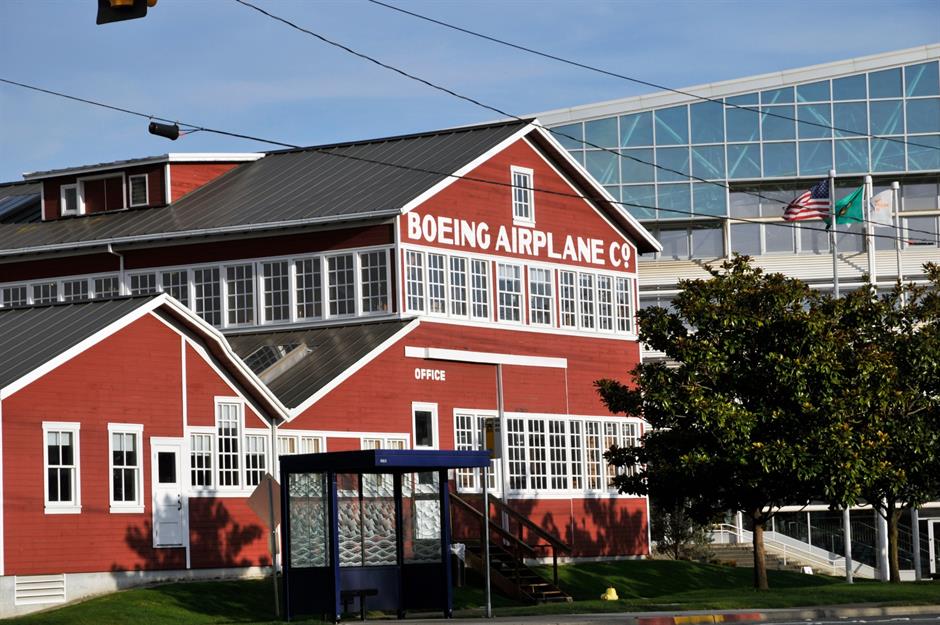
Long before Seattle became synonymous with tech, it helped the world take flight. In 1916, William Boeing built his first plane on the shores of Lake Union, laying the foundation for an aviation giant.
From those early wooden aircraft to the jet age that followed, Boeing shaped both Washington’s economy and its identity as a center of innovation and craftsmanship.
Sponsored Content
West Virginia: Coal country
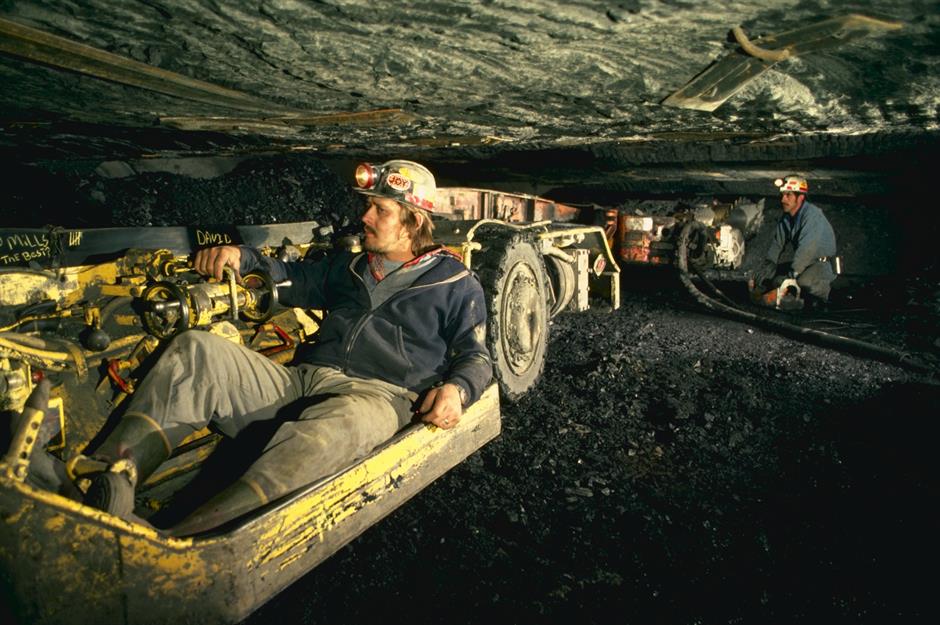
For generations, coal has been the lifeblood of West Virginia. Mining shaped its communities, economy, and even its music and folklore.
Though the industry has changed, the state’s pride in its mining heritage remains strong: a story of hard work and deep connection to the Appalachian landscape.
Wisconsin: America’s Dairyland
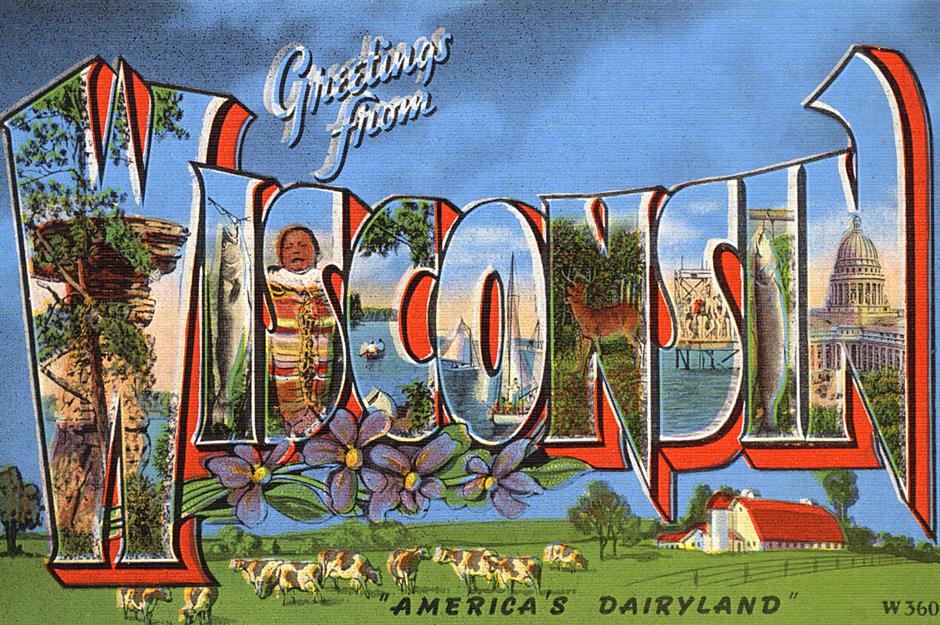
No nickname says it better. Wisconsin produces more cheese than any other state, and dairy farming has long been at the heart of its culture.
From family-run creameries to world-famous cheese curds and festivals, "America’s Dairyland" isn’t just a slogan, it’s a way of life that locals celebrate with genuine pride (and plenty of Cheddar).
Wyoming: Yellowstone National Park
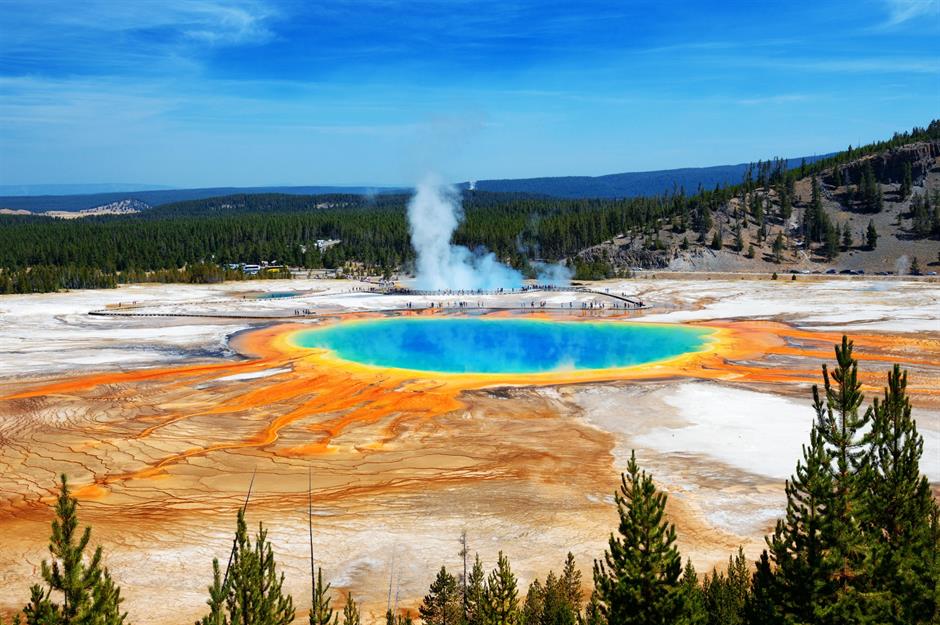
In 1872, Wyoming became home to the first national park in the world: Yellowstone. With its geysers, hot springs, and abundant wildlife, it remains one of America’s greatest natural treasures.
The park’s creation marked the start of a global conservation movement and secured Wyoming’s place as a guardian of the wild frontier.