These are the most dangerous tourist attractions in the US
Perilous US attractions
While most tourist attractions pose little risk, there are a few that push the limits. From teeteringly high trails in Utah's Zion National Park to the shark-infested waters around Florida, we've rounded up some of the deadliest tourist attractions in the US.
Click through the gallery to see how our team of experts have ranked America's most beloved but dangerous tourist sites...
13. Huntington Beach, California
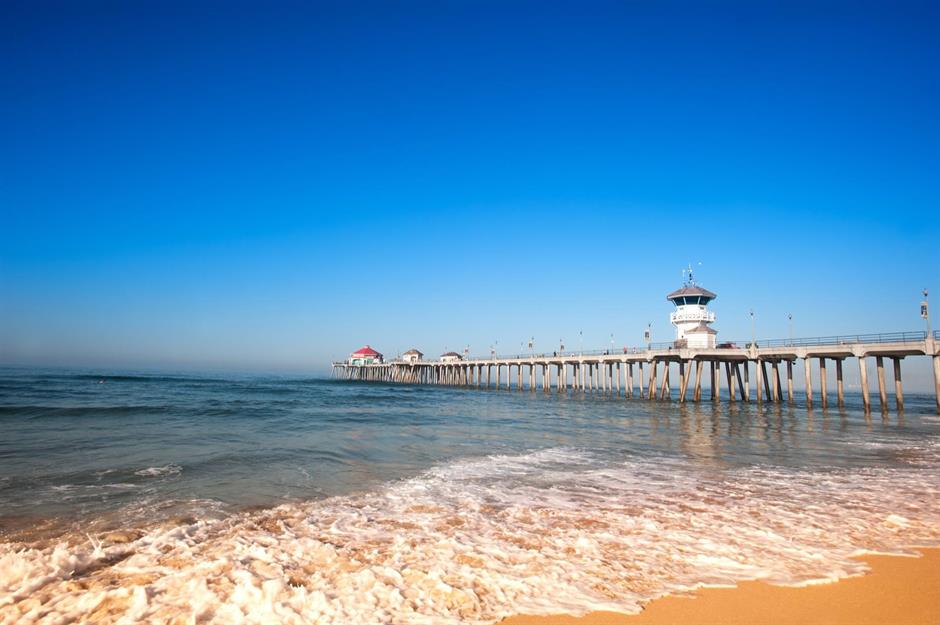
Huntington Beach in Orange County is a popular spot for beach-goers and surfers. So much so it's dubbed Surf City USA, offering miles of sandy shoreline as well as one of the Pacific coast's longest piers at 1,850 feet long.
It also hosts the world's largest surf competition, Vans US Open of Surfing, every summer.
13. Huntington Beach, California
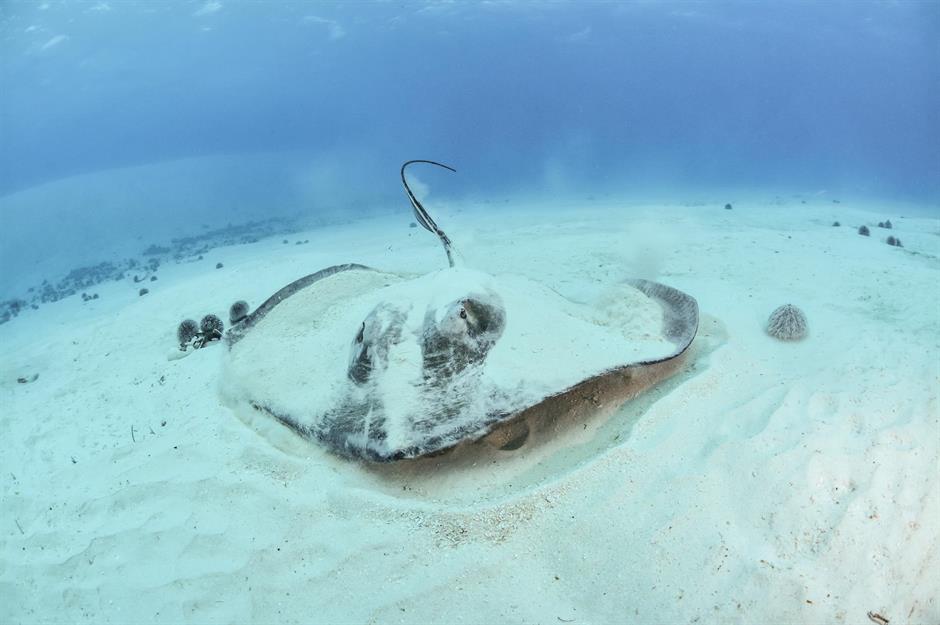
But in October 2019, a record 176 people were stung by stingrays in just one day. The flat fish descended into the shallow waters and gave paddlers a nasty shock, sometimes puncturing their skin with their sting.
Sponsored Content
12. Mount St Helens, Washington
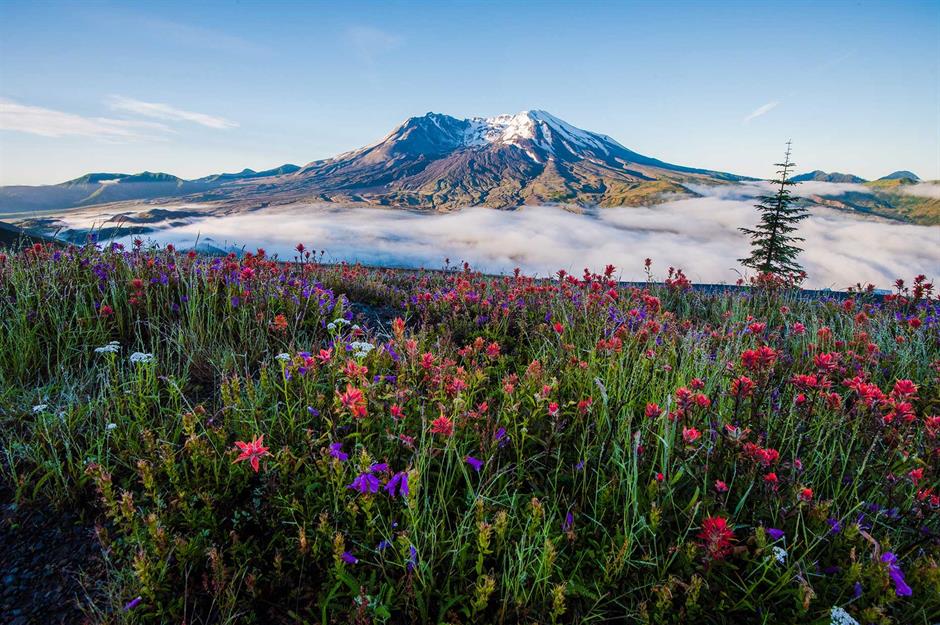
Offering over 200 miles of trails, pretty wildflowers, and photogenic lakes, Mount St Helens is a popular hiking area, and most visitors climb to the peak's summit and survey its mile-wide crater. It's even been dubbed the Mount Fuji of America.
However, this natural tourist attraction has erupted twice in the past few decades, with the worst event killing nearly 60 people in 1980.
12. Mount St Helens, Washington
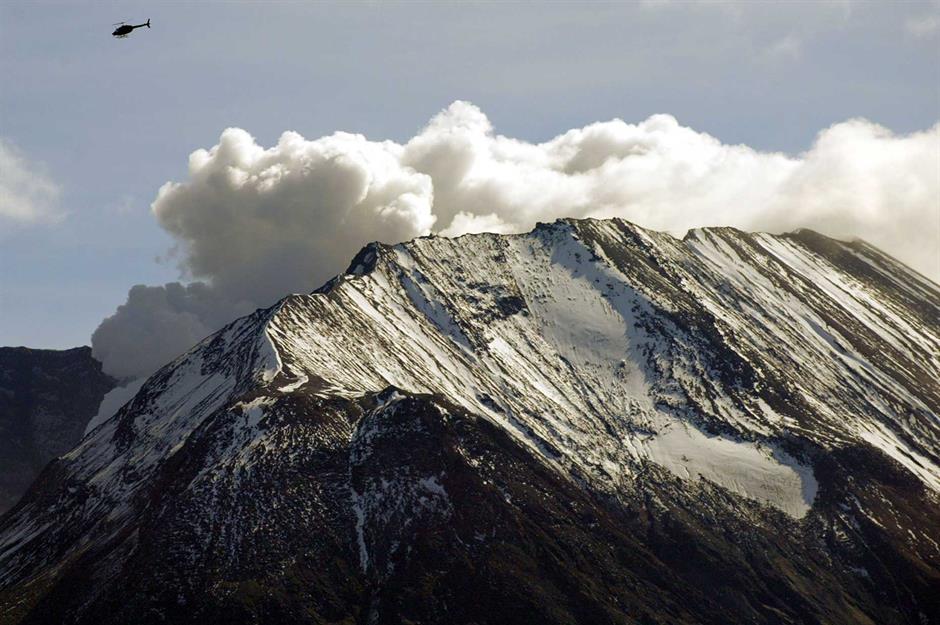
The fatal eruption has been described as the most destructive in US history, and the site did not reopen until 1986. The active stratovolcano is closely monitored today, and it’s expected to erupt again.
Pictured here is volcanic activity from 2004, when plumes of steam and ash billowed from the crater alongside minor earthquakes.
11. Carlsbad Caverns National Park, New Mexico
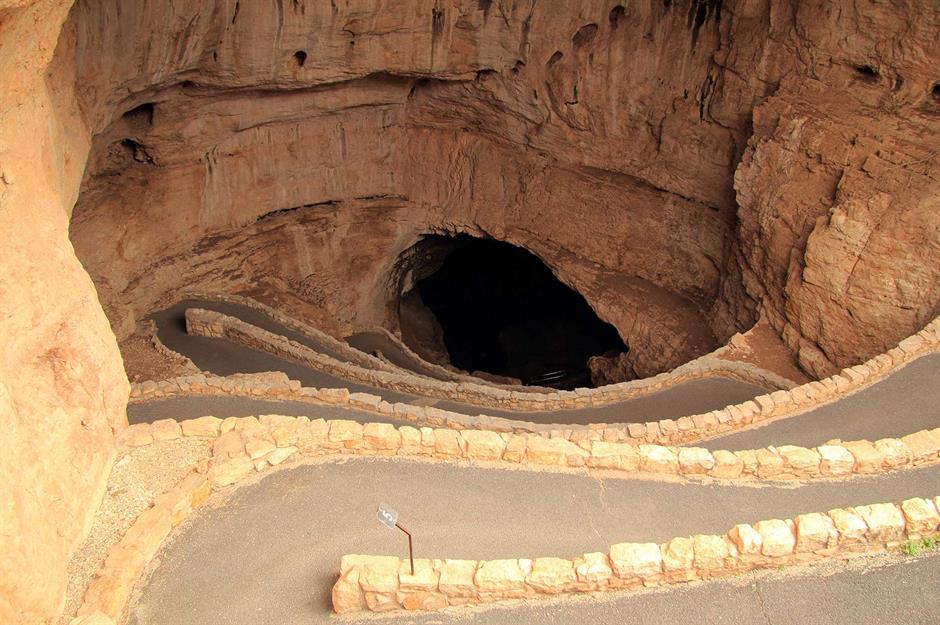
Carlsbad Caverns in New Mexico is home to the 'Big Room,' which is 4,000 feet long, 625 feet wide and 350 feet high.
Whether you choose to explore by following one of the self-guided routes or on a ranger-led tour, you’ll see rock formations and areas with mystical names such as the Devil’s Spring, the Whale’s Mouth, the King’s Palace, and the Hall of the White Giant.
Sponsored Content
11. Carlsbad Caverns National Park, New Mexico
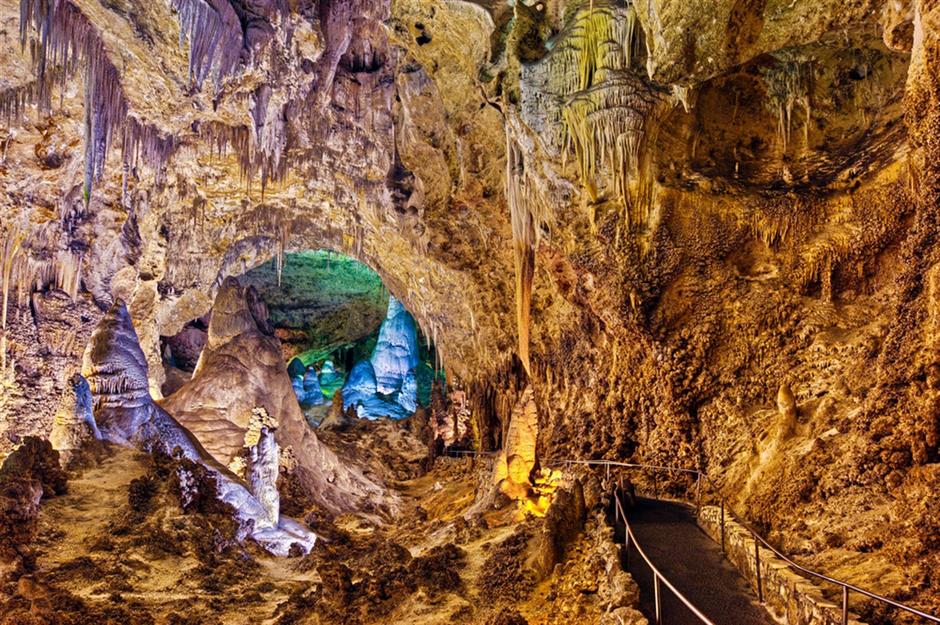
Two species of bat roost in the cavern and it’s a remarkable experience to watch them flood out of the cave's entrance between summer and fall. However, the park's greatest danger is invisible.
Dangerous levels of radon – a gas linked with lung cancer – were discovered in the cave in 2019, causing the National Park Service to introduce an action plan to keep visitors and staff as safe as possible.
10. Dalton Highway, Alaska
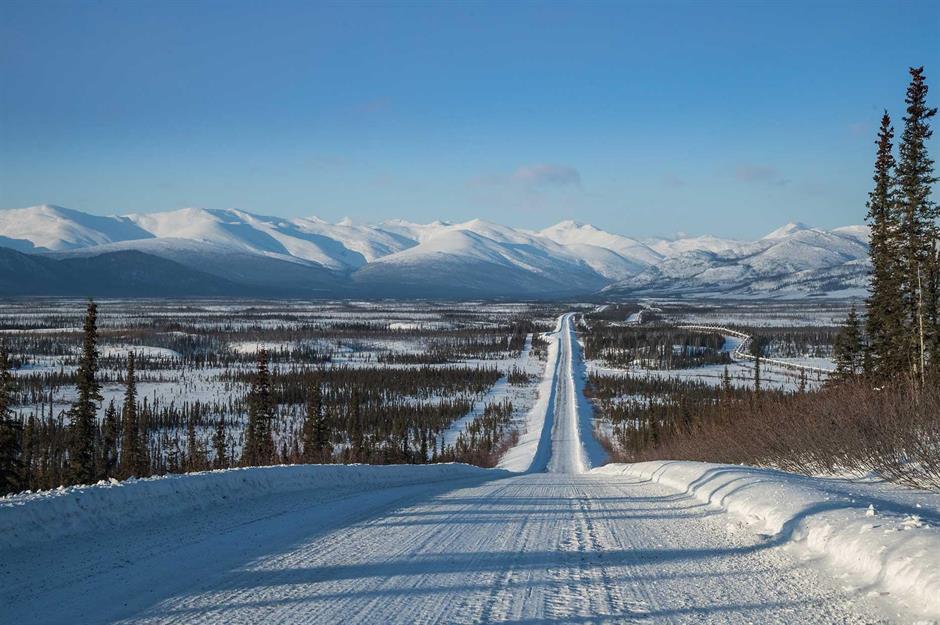
You might recognize this lonely stretch from the TV show Ice Road Truckers. As well as being one of the world’s most isolated roads, the James Dalton Highway is also among the most dangerous.
The two-lane gravel road starts just north of Fairbanks and ends at the Prudhoe Bay oil fields (and the Arctic ocean), spanning 414 miles.
10. Dalton Highway, Alaska
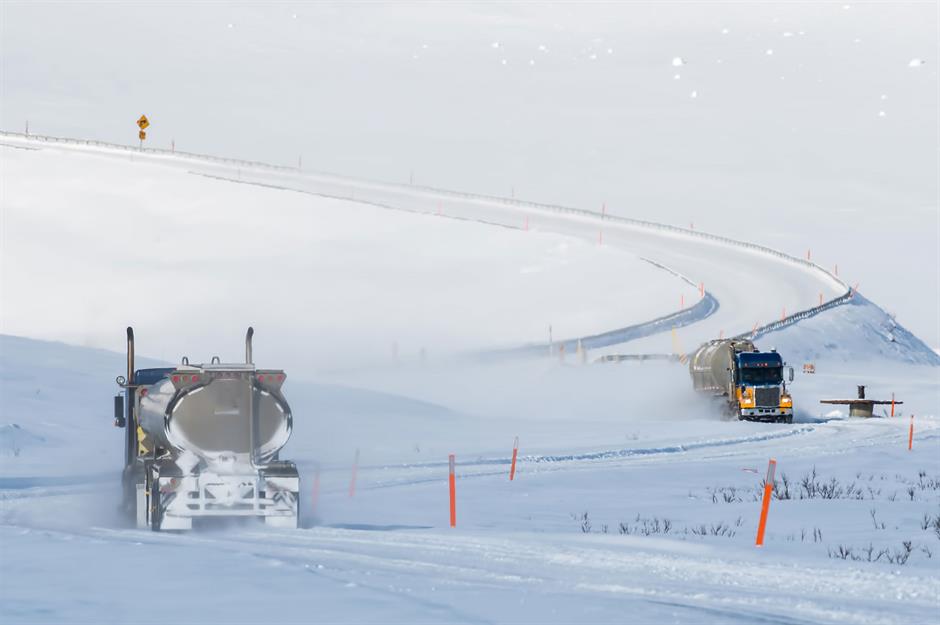
There are only three opportunities to stop for fuel, plus there's freezing Arctic weather, giant potholes, and sometimes reduced-to-zero visibility to contend with.
In September 2021, one man died following a head-on collision with another vehicle.
Sponsored Content
9. Lake of the Ozarks, Missouri
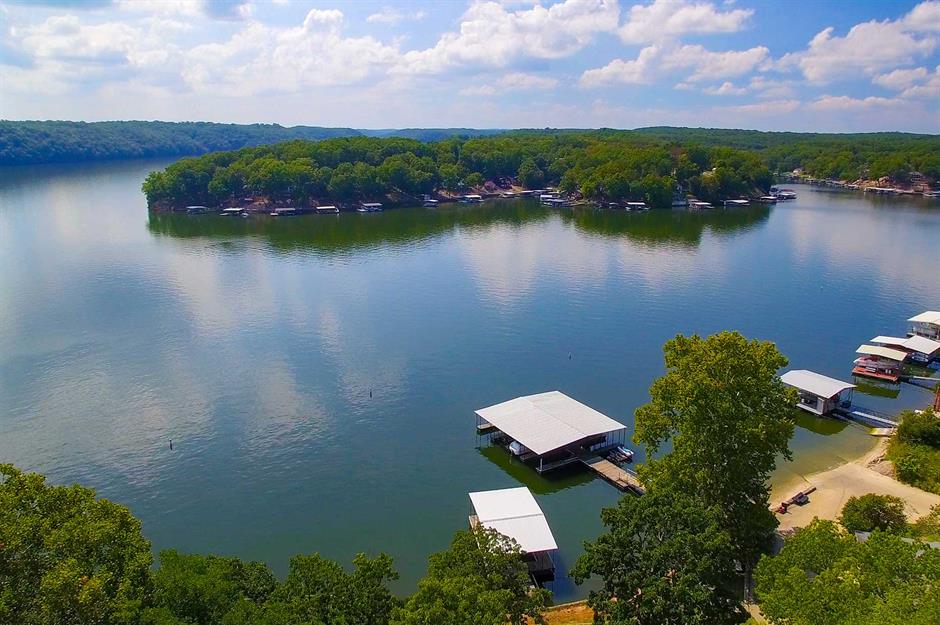
Spanning more than 50,000 acres, the Lake of the Ozarks attracts millions of visitors each year. There are a couple of sandy beaches tucked along this manmade reservoir – although there aren’t any lifeguards – with plenty of family-friendly activities, from fishing to watersports.
So why is it considered one of the most dangerous lakes in the US?
9. Lake of the Ozarks, Missouri
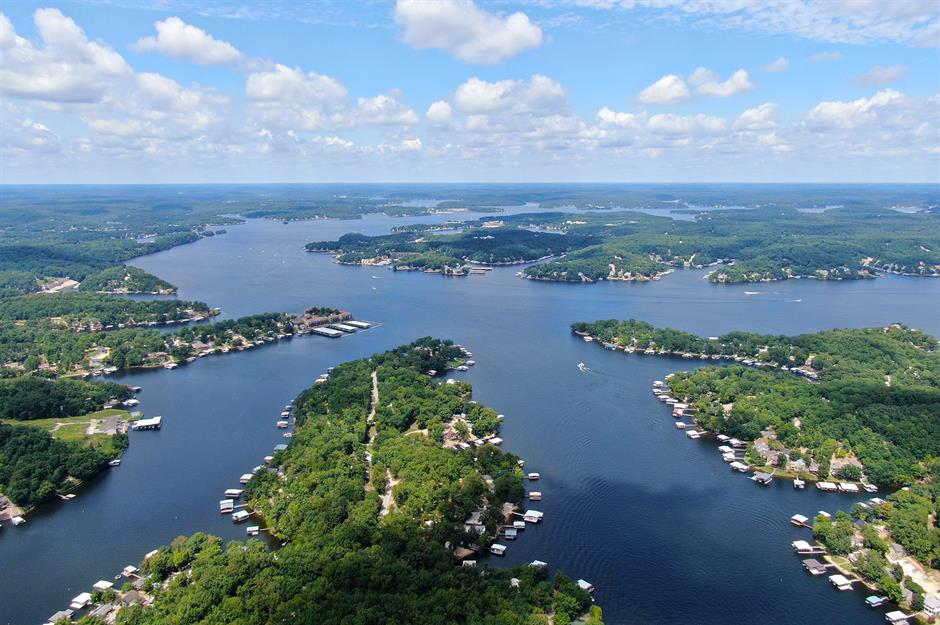
Boating accidents are unfortunately common. In July 2022, one boater was killed when they were thrown overboard after hitting a wake, while in November 2022, two swimmers drowned near the Bagnell Dam area.
8. Denali, Alaska
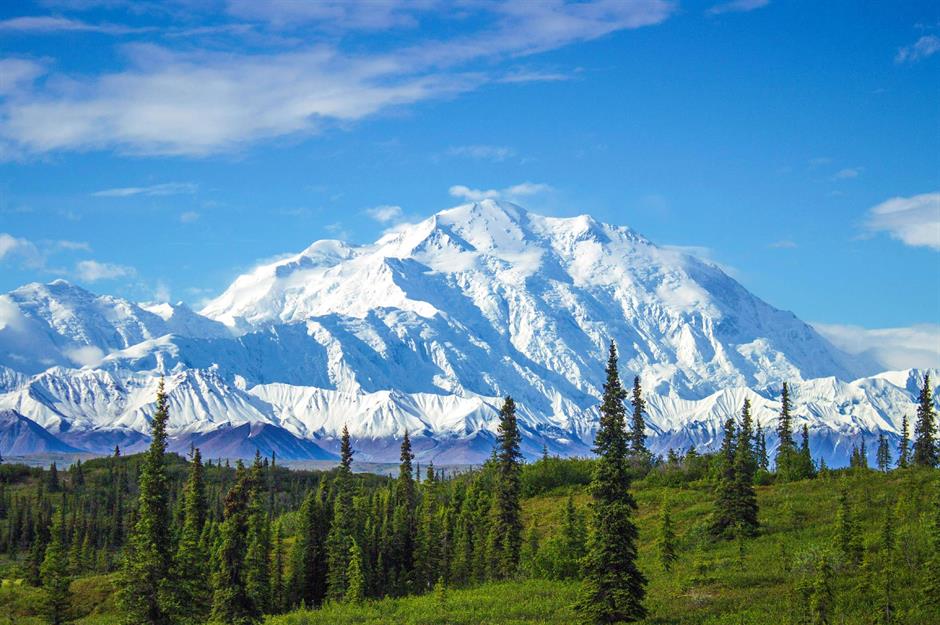
Denali stands head and shoulders above all of Alaska’s outdoor attractions – literally. You can head along Denali Park Road for fabulous views of the massive mountain (it's serviced by a shuttle bus in the summer months).
However, some people are determined to go further and scale the peak which can be exceedingly perilous.
Sponsored Content
8. Denali, Alaska
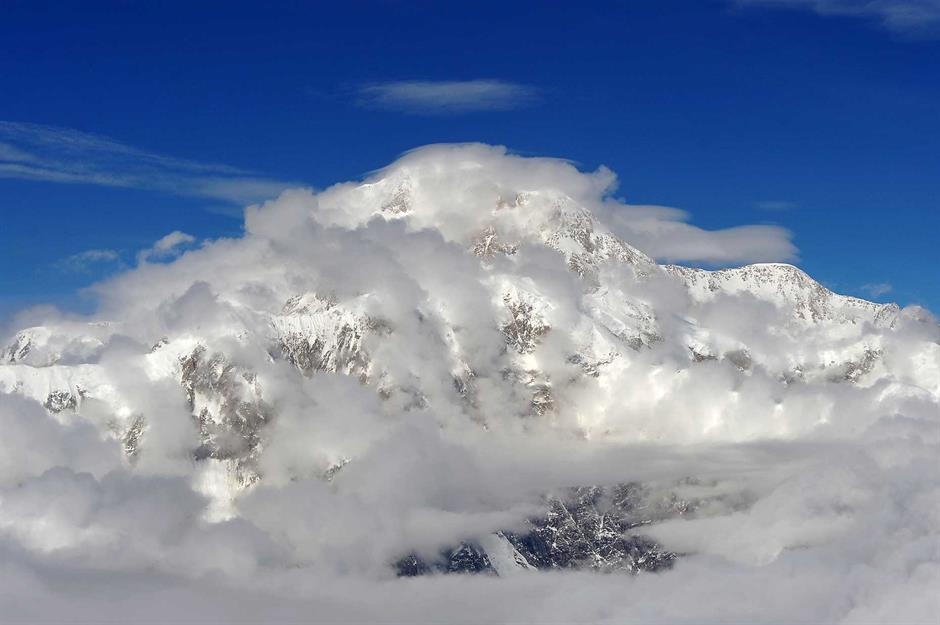
It's impossible to deny the mountain's dizzying beauty, but it can be extremely challenging to climb.
There’s only a 50% success rate for reaching the summit – mainly due to its far north location and extreme weather – and more than 100 people have died during their attempts.
7. Death Valley National Park, California
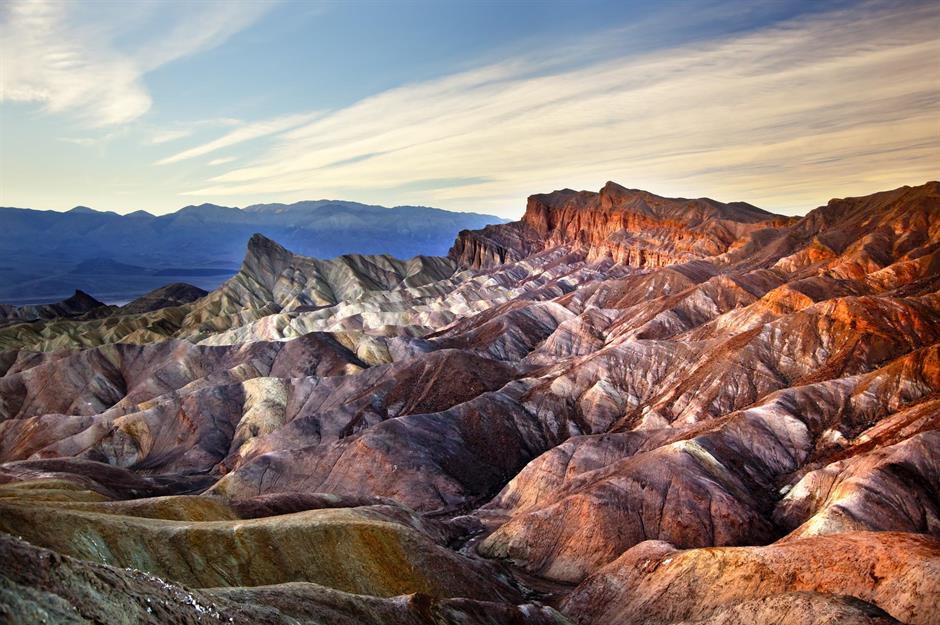
Death Valley National Park attracts vast visitor numbers with its ethereal landscape of undulating sand dunes, rock-salt spires, and salt flats. It's also among America's best spots for stargazing and viewing unforgettable sunrises and sunsets.
However, this gorgeous place is filled with hazards, from extreme heat and flash floods to rattlesnakes, scorpions, and black widow spiders. There’s even a chance of stumbling into illegal marijuana cultivation sites.
7. Death Valley National Park, California
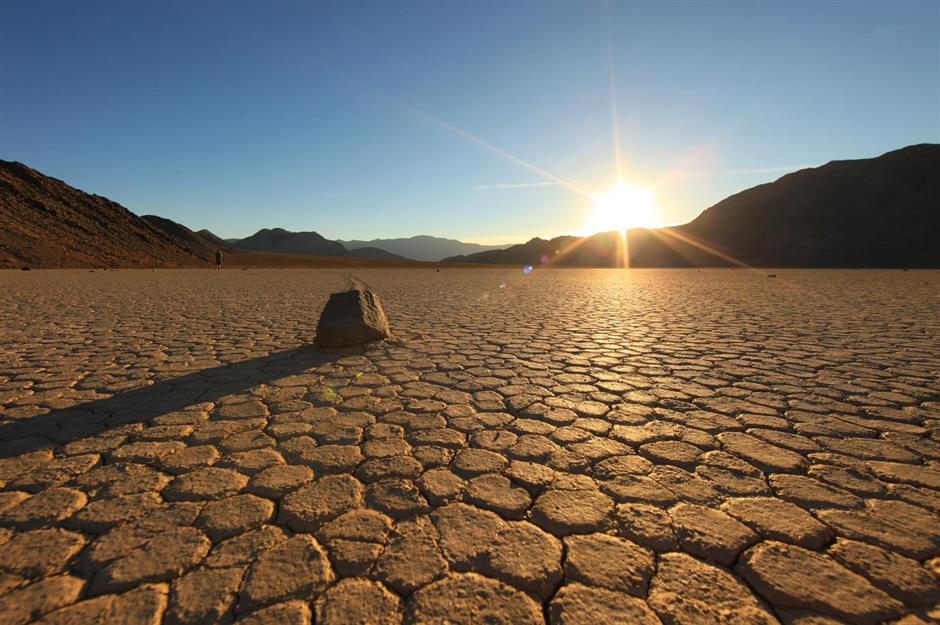
The hottest and driest place in America, it's not surprising that there have been numerous heat-related fatalities in this dramatically named park. The hottest temperature ever recorded here was 134°F on July 10, 1913, with another scorcher on July 7, 2024 that saw tourists posing beside a thermometer at the Furnace Creek visitor center reading 132°F.
The National Park Service recommends taking extra drinking water and detailed maps into the park, and avoiding hiking in the heat (particularly in lower elevations).
Sponsored Content
6. Silverton Mountain, Colorado
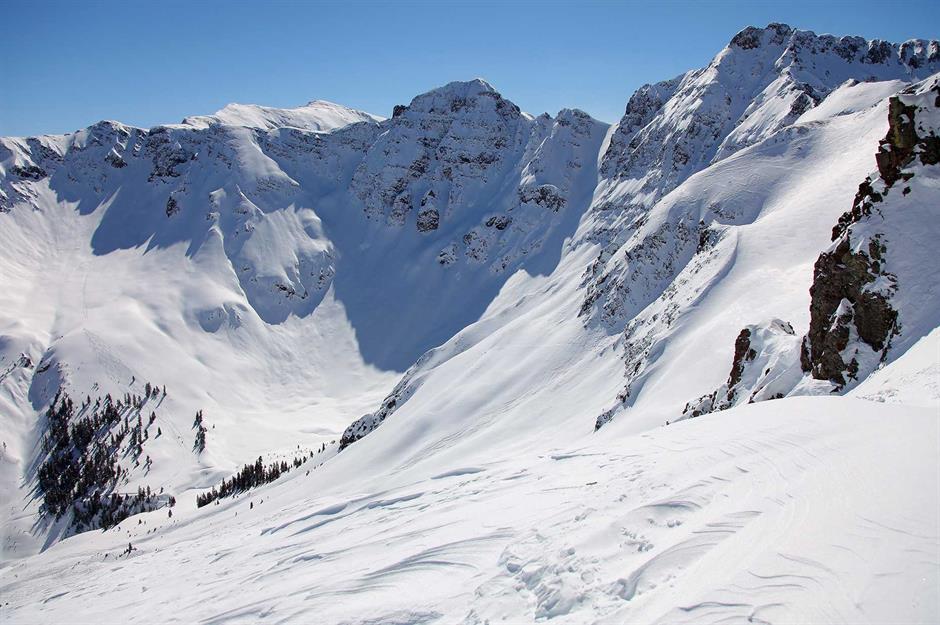
Silverton Mountain is the highest and steepest ski area in North America. All 69 of its trails are rated for experts only – meaning there’s little room for error.
The peak elevation is 13,487 feet, and there’s no easy way down from such great heights.
6. Silverton Mountain, Colorado
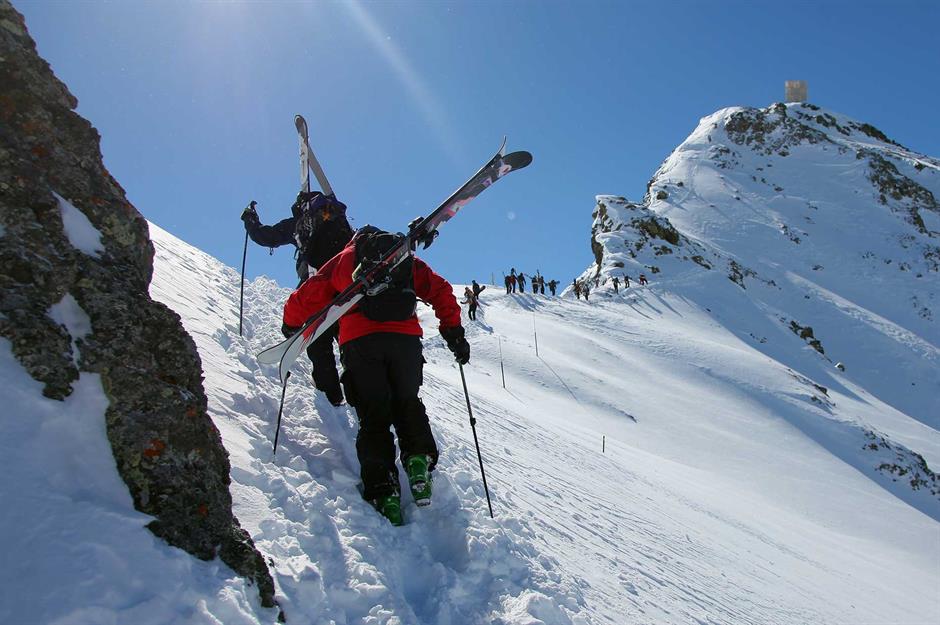
With an average total snowfall of more than 400 inches and steep terrain, there’s always a risk from avalanches.
In February 2021, three skiers were tragically killed in the ‘The Nose’ area near Ophir Pass. And in early 2025, a snowboarder was killed by an avalanche in the same area.
5. Angels Landing in Zion National Park, Utah
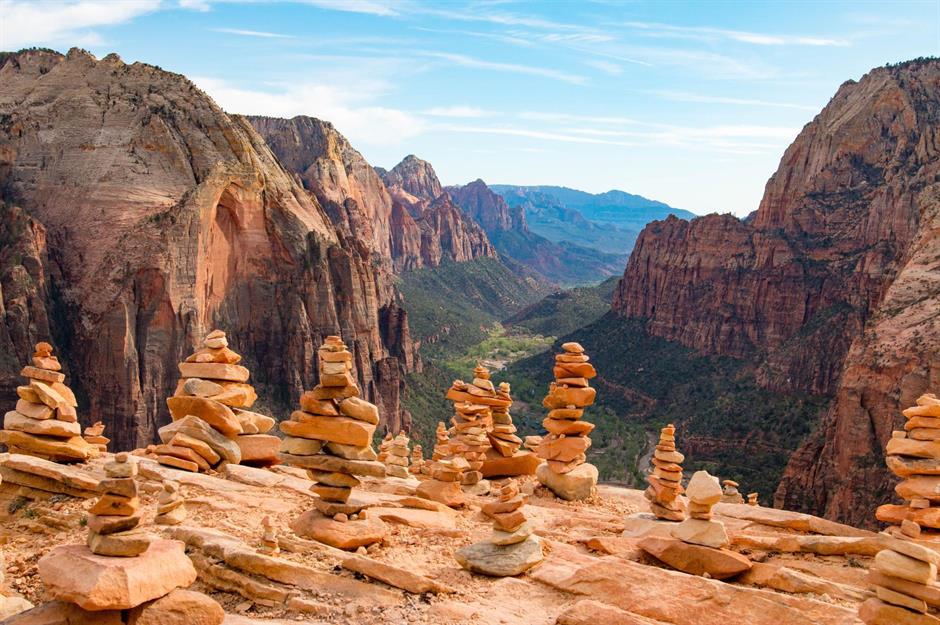
The hike to Angels Landing is popular for a reason: it promises vistas sweeping across the gaping canyon and ethereal scorched landscape.
The first section of the route is fairly tame, but it’s once you reach Walter’s Wiggles – 21 steep switchbacks that will leave you panting – that it quickly becomes one of the USA’s most dangerous tourist attractions.
Sponsored Content
5. Angels Landing in Zion National Park, Utah
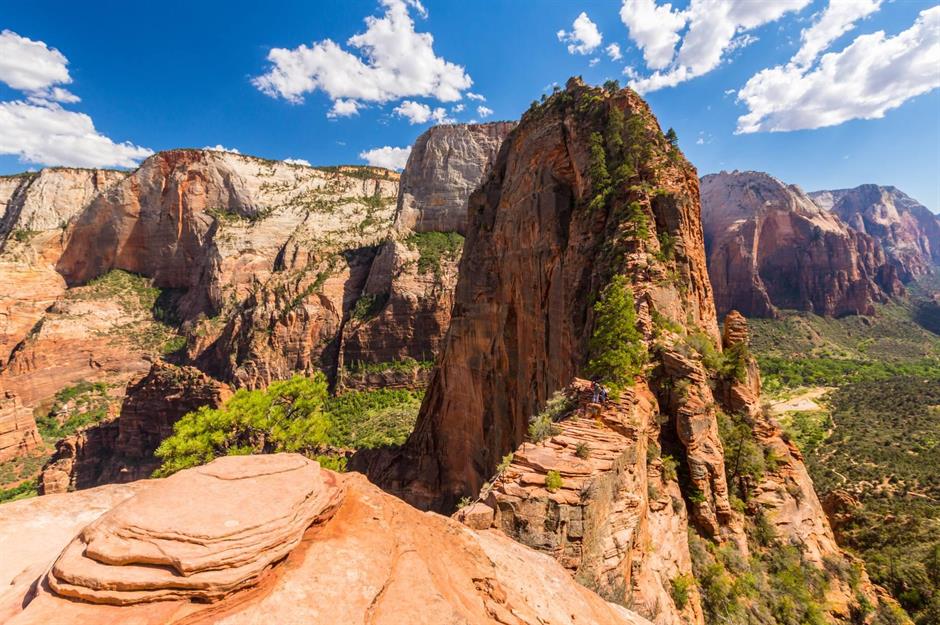
When you reach the final, exposed ridge, beware of human traffic jams. Between 2000 and 2021, it’s estimated that at least 13 people have died on this trail, even though there are chains installed along the route.
In April 2022, the National Park Service responded to growing concerns about crowding and congestion on the trail by introducing a permit requirement to reach the top.
4. Hawaii Volcanoes National Park, Hawaii
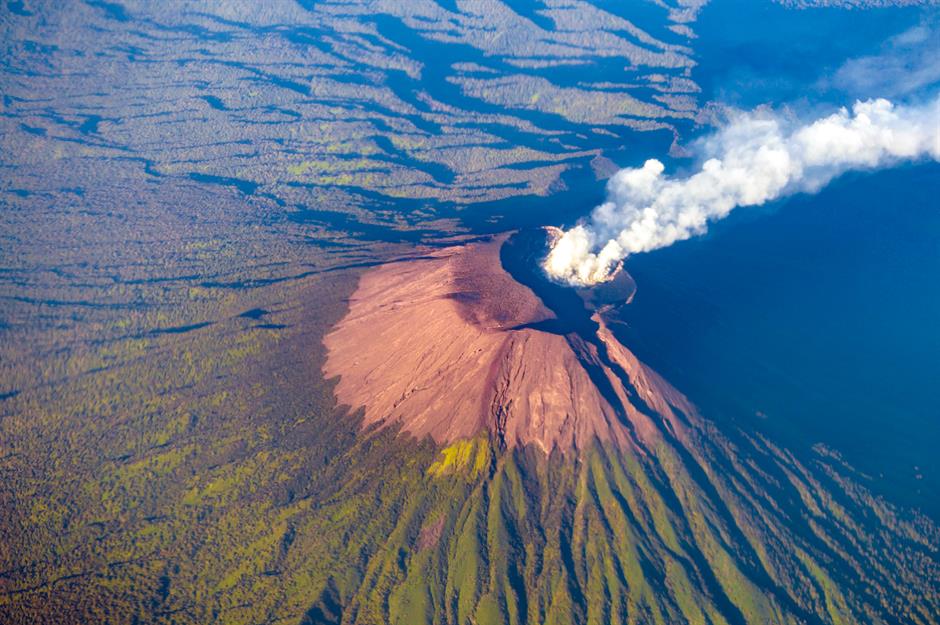
As its name suggests, this stirring national park on the island of Hawaii is all about volcanoes; in fact, it's home to two of the most active on Earth: Kilauea and Mauna Loa.
Day and backcountry hikes are popular here, as are scenic drives like the Crater Rim Drive. But a trip comes with inherent risk.
4. Hawaii Volcanoes National Park, Hawaii
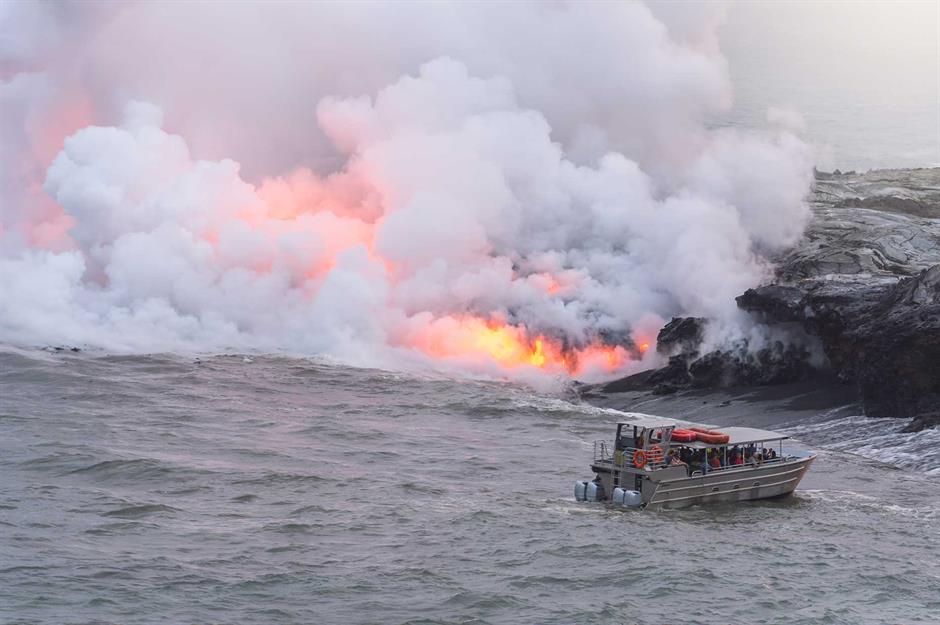
Mount Kilauea erupted in late 2020, creating new lava flows and rippling smoke plumes. On December 23, 2024 it became active again and has been erupting intermittently ever since.
The United States Geological Survey describes the volcano as the deadliest in the country, killing four visitors in this century alone. Remarkably, the latest eruption has actually led to a rise in visitors to the park.
Sponsored Content
3. Grand Canyon National Park, Arizona
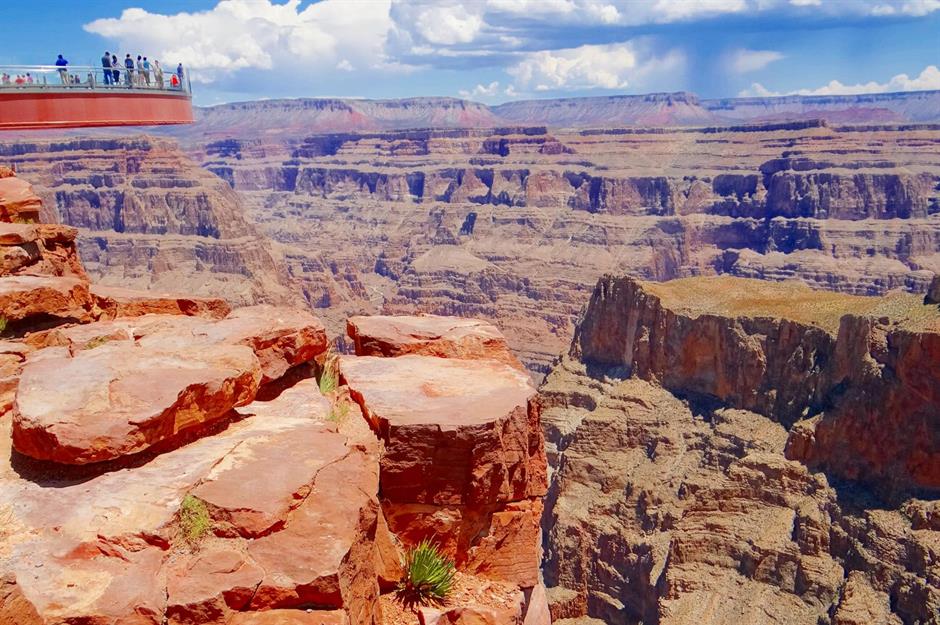
No US travel wish list is complete without the Grand Canyon, one of the world’s most revered natural wonders and most popular attractions. The North Rim (open seasonally) has fewer crowds, while Grand Canyon West is home to the teeth-chattering Skywalk (pictured).
But although the National Park Service recorded 4.9 million visitors here in 2024, the site comes with some dangers.
3. Grand Canyon National Park, Arizona
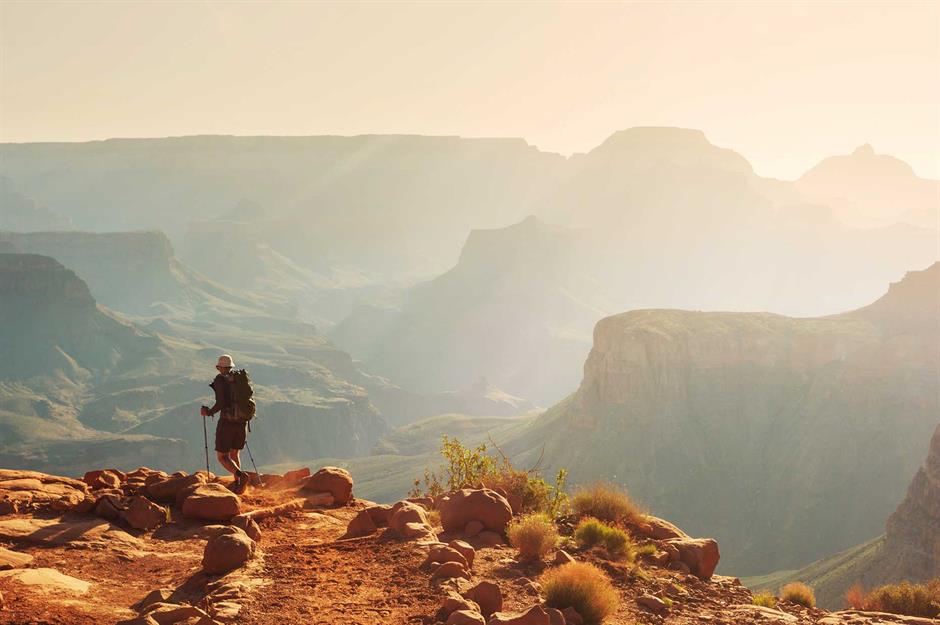
Between 2018 and 2020, the Grand Canyon was responsible for the most search and rescue (SAR) efforts of any national park, accounting for 785 SARs out of the 3,926 total.
In August 2022, one hiker also fell 200 feet to his death from Bright Angel Point trail, while in January 2023 another hiker had to be airlifted to hospital.
2. Volusia County beaches, Florida
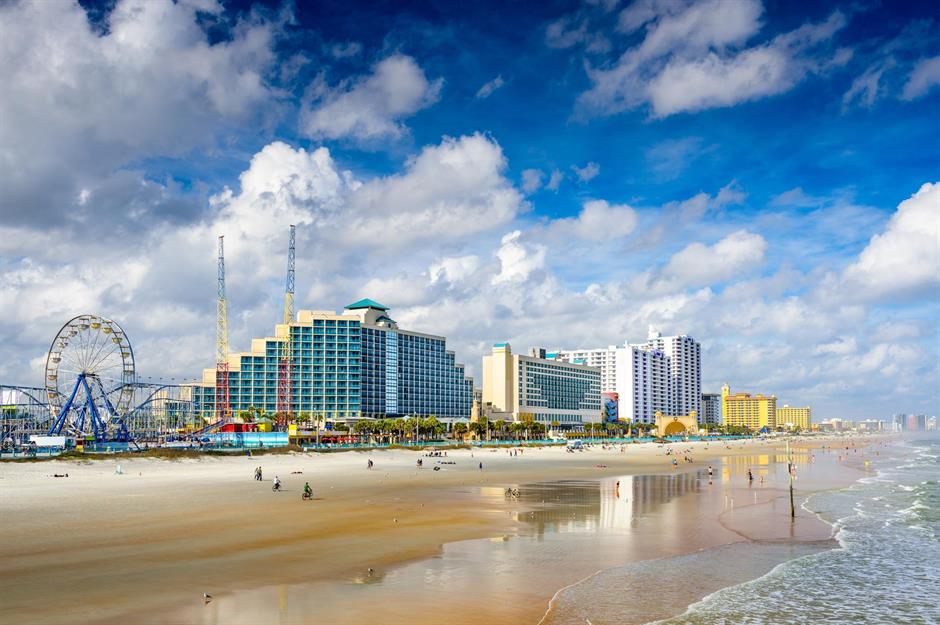
While Volusia County’s New Smyrna and Daytona beaches are blessed with year-round sunshine and balmy temperatures, they’re also some of Florida’s most dangerous.
Sun-seekers flock to the area for pristine stretches of sand and great surf, but it’s what’s lurking in the water that you need to be wary of…
Sponsored Content
2. Volusia County beaches, Florida
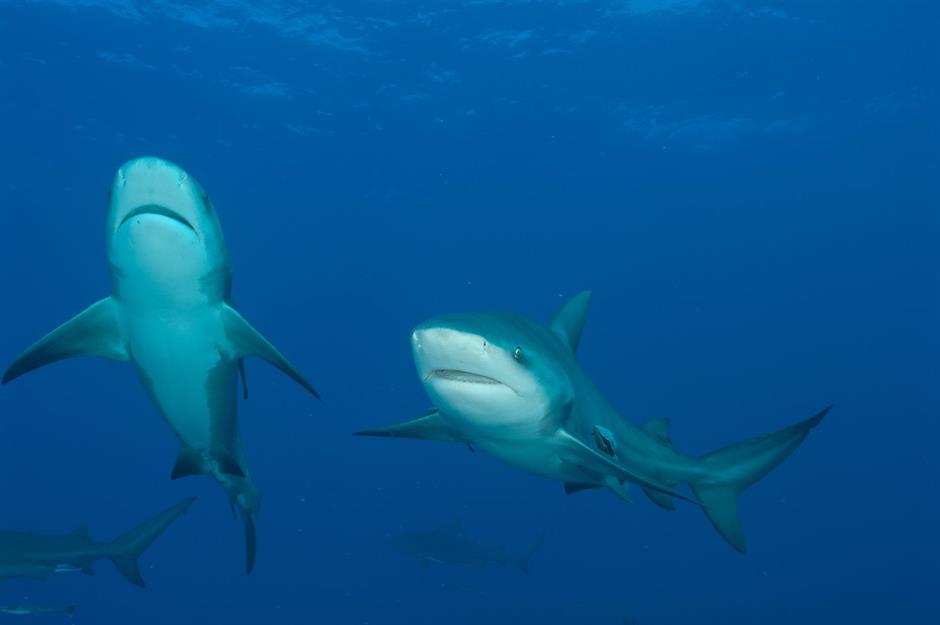
The so-called 'shark bite capital of the world', Volusia County recorded eight shark bites in 2024. Although statistically getting bitten by a shark is unlikely, New Smyrna Beach sees more shark attacks than any other place in the US.
In 2024, Florida accounted for 30% of unprovoked shark bites worldwide, with 57% of those occurring in Volusia County. Thankfully there were no fatalities, unlike in previous years.
Love this? Follow our Facebook page for more travel inspiration
1. Yellowstone National Park, Wyoming, Idaho and Montana
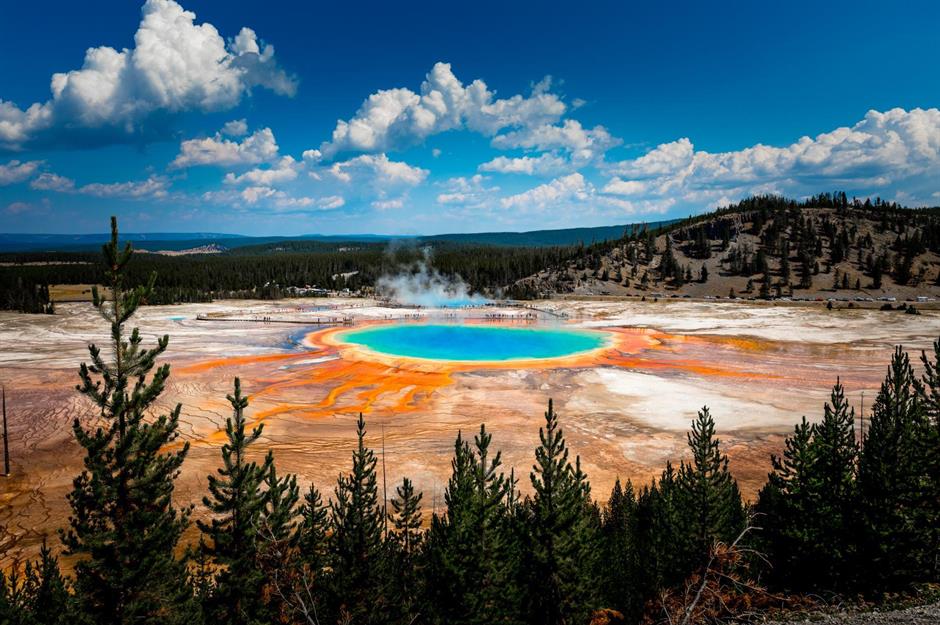
Yellowstone was the very first US national park (established on March 1, 1872) and visitors still flock to its natural wonder-filled 2.2 million acres. It also takes the top slot on our list of the country's most dangerous attractions.
Travelers share the sprawling park with more than 10,000 geothermal sites, like the Grand Prismatic Spring (pictured), Old Faithful Geyser, and Mammoth Hot Springs, while bears, wolves, bison, and white-tailed eagles are best viewed from the Lamar Valley.
1. Yellowstone National Park, Wyoming, Idaho and Montana
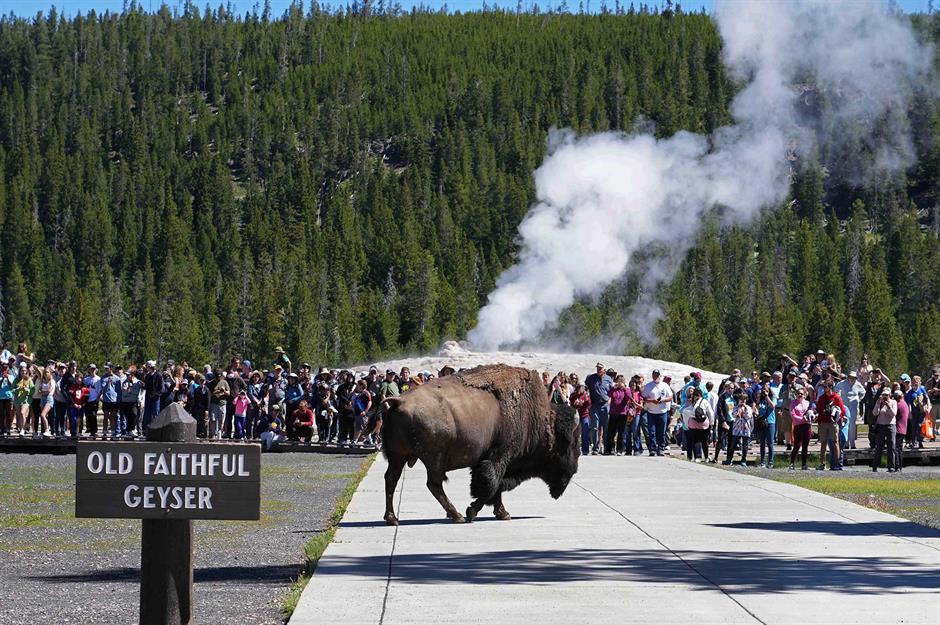
That doesn’t mean Yellowstone is completely visitor-friendly, though. Close encounters with the geysers risk third-degree burns or even death, and there have been more than 20 related fatalities since 2000.
Some unfortunate (or in some cases misbehaving) visitors have also been the target of bison and bear attacks. The national park advises keeping a distance of 75 feet from these animals, and there are plenty of signs warning visitors to steer clear of wildlife and refrain from entering geothermal sites.
Read on for the world's safest and most dangerous countries...